Delhi govt steps up winter relief measures for homeless
Jan 15, 2026
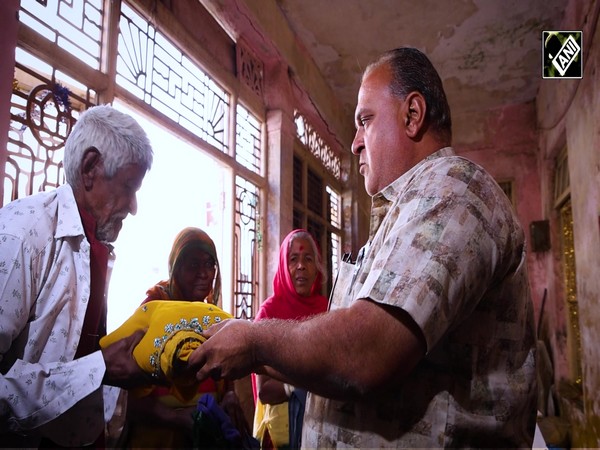
New Delhi [India], January 15 : The Delhi government has stepped up its winter relief measures to protect homeless people from the severe cold, with a special focus on areas around major hospitals. Immediate assistance is being extended to destitute individuals near AIIMS, Safdarjung and G.B. Pant hospitals, where the number of night shelters has been increased. The Delhi Urban Shelter Improvement Board (DUSIB), along with shelter management agencies, is actively rescuing people sleeping in the open and relocating them to safe shelters, where free facilities such as beds, three meals a day, sanitation and drinking water are being provided.
The Chief Minister, Rekha Gupta, stated that under the Winter Action Plan 2025-26, around 250 temporary "pagoda" night shelters have also been set up in sensitive and high-footfall areas of the capital to protect people from the cold.
In addition, DUSIB is currently operating 197 permanent night shelters across Delhi round the clock, all equipped with basic facilities. She informed that in the AIIMS-Safdarjung area, in addition to the existing 32 pagoda night shelters with a capacity of 320 beds, three new pagoda shelters have been installed, according to a release.
This has increased the total shelter capacity in the area to 350 beds. Considering the large number of homeless people around AIIMS and Safdarjung hospitals, temporary shelter arrangements have also been made in the subway areas there. Blankets and bedding are being provided immediately to those in need to protect them from the cold. Under a special drive, around 75 homeless people were rescued from the AIIMS-Safdarjung area and moved to safe shelters, after which the area was cleared of people sleeping in the open.
Chief Minister Rekha Gupta further stated that eight temporary "pagoda" night shelters have also been set up around G.B. Pant Hospital, with accommodation for 80 people. The agencies operating the shelters are conducting regular inspections every day from 10:00 p.m. to 4:00 a.m. to ensure that homeless people sleeping in open and unsafe places are brought to night shelters in time. In addition, a central control room is functioning around the clock.
The Chief Minister emphasised that the Delhi government is not limited to providing shelter alone, but has also activated an alertness and rescue mechanism across the city. The government gives the highest priority to the safety, dignity, and humane care of homeless citizens. It is committed to ensuring that no one in the capital remains helpless or unsafe, especially during the winter season and in all other challenging circumstances.
Meanwhile, the Delhi Government, under the leadership of Chief Minister Rekha Gupta, has taken a major and far-reaching step to strengthen the city's drainage system as part of its resolve to develop Delhi into a modern, global and developed capital.
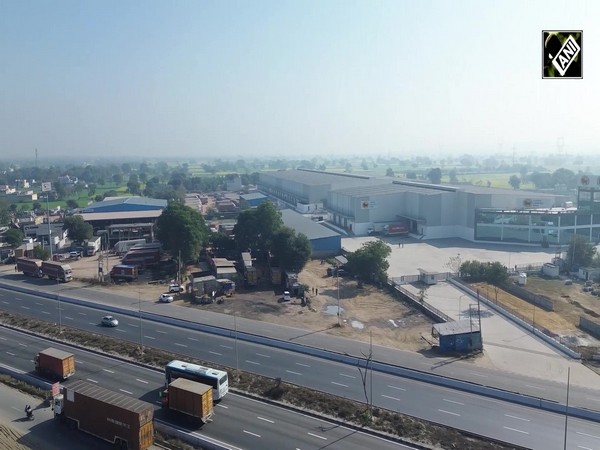
Four major drains, Mundka Halt-Supplementary Drain, MB Road Storm Water Drain, Kirari-Rithala Trunk Drain, and the Storm Water Drain along Rohtak Road (NH-10) are being developed as key components of the 'Drainage Master Plan'.The Delhi government has accelerated the construction and expansion work of these major trunk drains.
The Chief Minister informed that the 'Drainage Master Plan' for Delhi's sewerage and drainage system was originally prepared in the 1970s. Despite rapid population growth and large-scale construction activity, the plan did not undergo the required revisions, resulting in an increasingly severe drainage situation over the years.
She said that the present government has introduced effective changes keeping in view Delhi's geographical conditions, recurring waterlogging and population pressure, and drainage infrastructure is now being constructed accordingly, so that the national capital does not face waterlogging and related problems in the future.