Delhi HC asks authorities to act on suggestions to ensure accessibility features in films for persons with disabilities
Mar 10, 2026
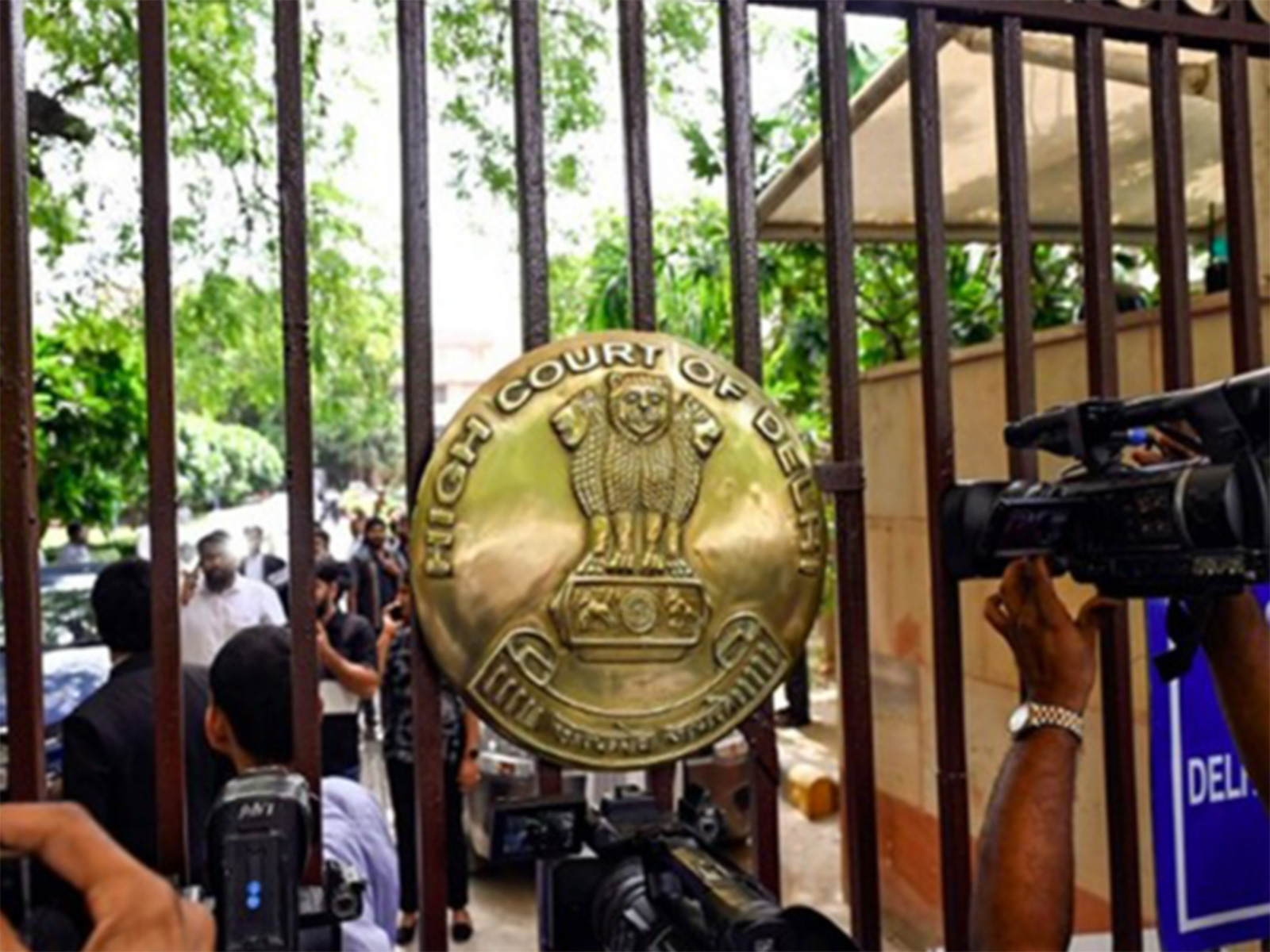
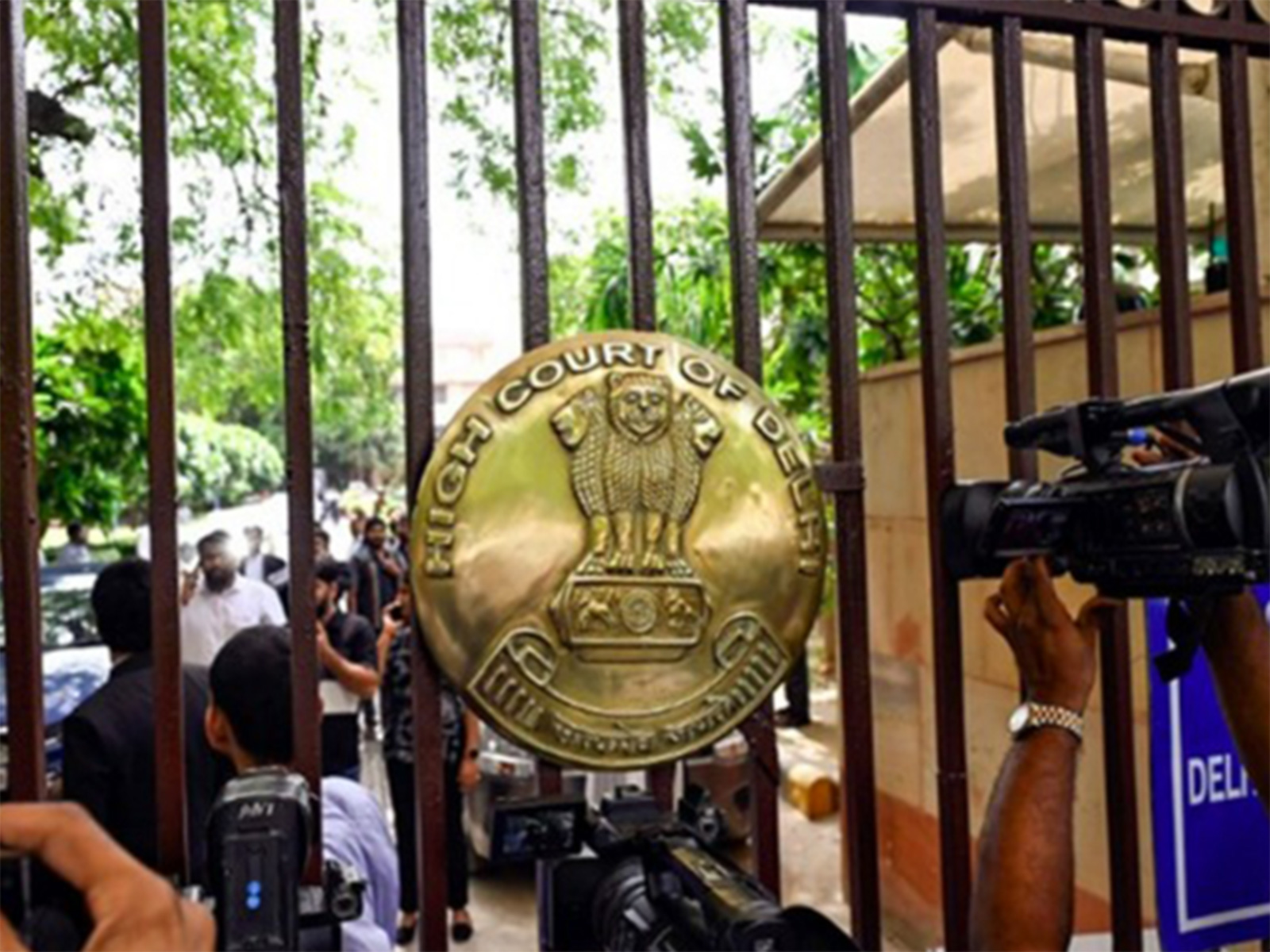
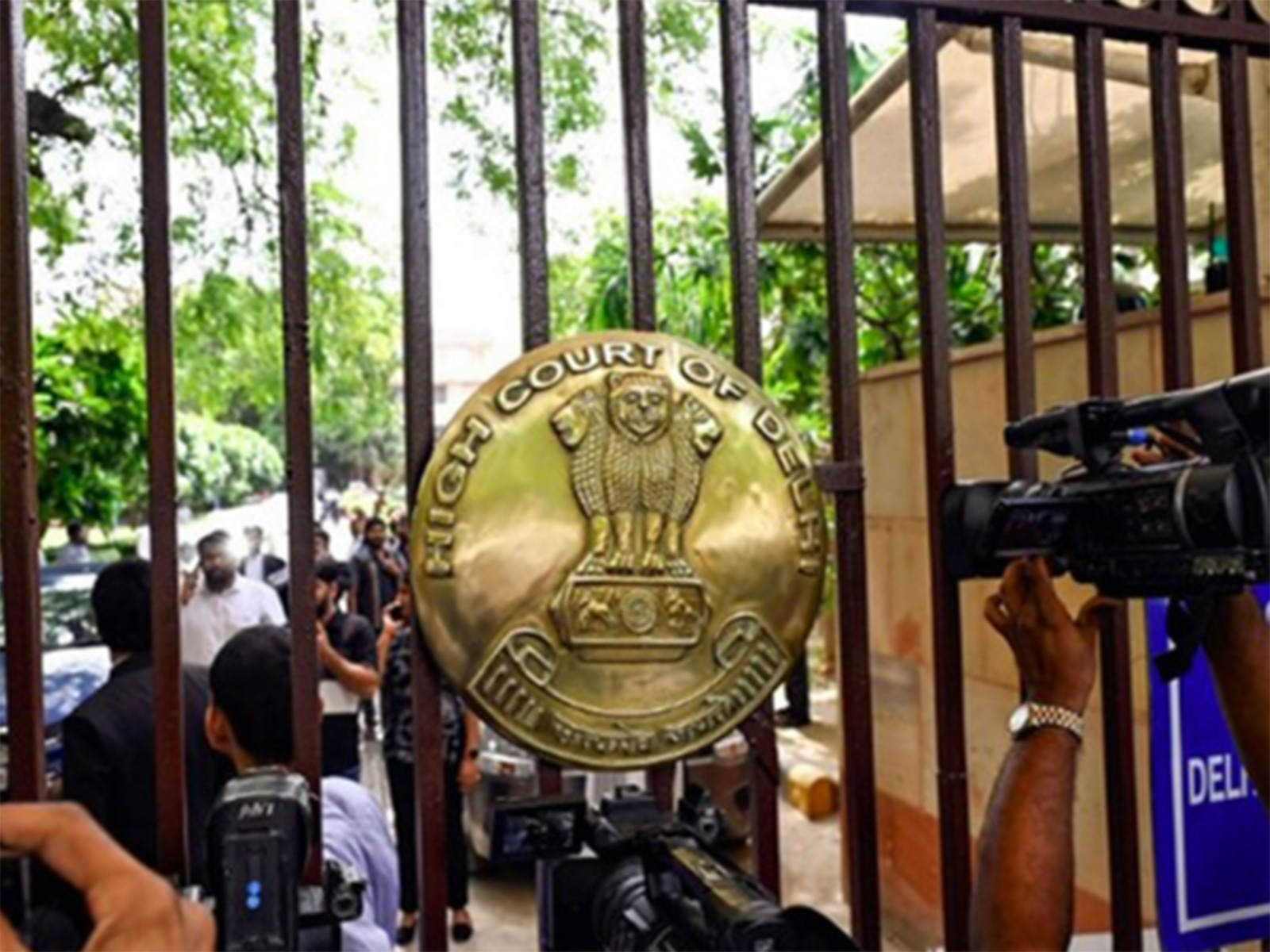
New Delhi [India], March 10 : The Delhi High Court has directed the concerned government authorities and stakeholders to consider and implement several suggestions aimed at ensuring accessibility features in films for persons with disabilities, observing that the recommendations placed before it require action by the relevant ministries and regulatory bodies.
Justice Purushaindra Kumar Kaurav, while hearing a petition filed by Rahul Bajaj, noted that many of the suggestions submitted by the petitioner relate to policy implementation by the Ministry of Information and Broadcasting, the Ministry of Electronics and Information Technology, and the Central Board of Film Certification (CBFC).
The court accordingly directed the authorities to implement the suggestions "with due expedition."
The court further ordered that if any of the suggestions cannot be implemented, the concerned authority must place the specific reasons on record through an affidavit of the competent authority. The matter has been listed for further hearing on May 7.
The petition was filed by Rahul Bajaj, who appeared in person, seeking directions to ensure that films specifically the movie Pushpa 2: The Rule are released with accessibility features such as audio description, same-language closed captioning, and Indian Sign Language across cinema theatres, OTT platforms, and other formats in compliance with the accessibility guidelines issued by the Ministry of Information and Broadcasting in March 2024.
Bajaj also urged the court to ensure that theatre operators and digital ticketing platforms provide information about accessibility features so that persons with disabilities can make informed decisions before booking tickets.
During the proceedings, the petitioner submitted a set of detailed suggestions highlighting systemic gaps faced by persons with disabilities. These included the absence of an independent mechanism to identify which films contain accessibility features, a lack of information about applications or devices needed to access such features, and the absence of technical support details for users requiring assistance.
The petitioner further suggested that the Ministry of Electronics and Information Technology should ensure that movie ticket-booking applications and websites comply with accessibility standards before their launch, while the Ministry of Information and Broadcasting should clarify benchmarks for software and applications used to deliver accessibility features during film screenings.
He also proposed that the CBFC ensure that film certification applications mandatorily include same-language subtitles, audio descriptions, or closed captions in the original language of the film, and that the CBFC website publicly disclose the accessibility features available for each certified film.
Taking note of these suggestions, the High Court observed that the proposals relating to information dissemination and accessibility standards would have to be implemented primarily by the Ministry of Information and Broadcasting, while certain technology-related aspects fall within the domain of the Ministry of Electronics and Information Technology.
It also directed the CBFC to consider the suggestions concerning certification and disclosure of accessibility features.