Delhi HC declines PIL for dedicated police cells for missing persons, issues notice on separate plea
Feb 18, 2026
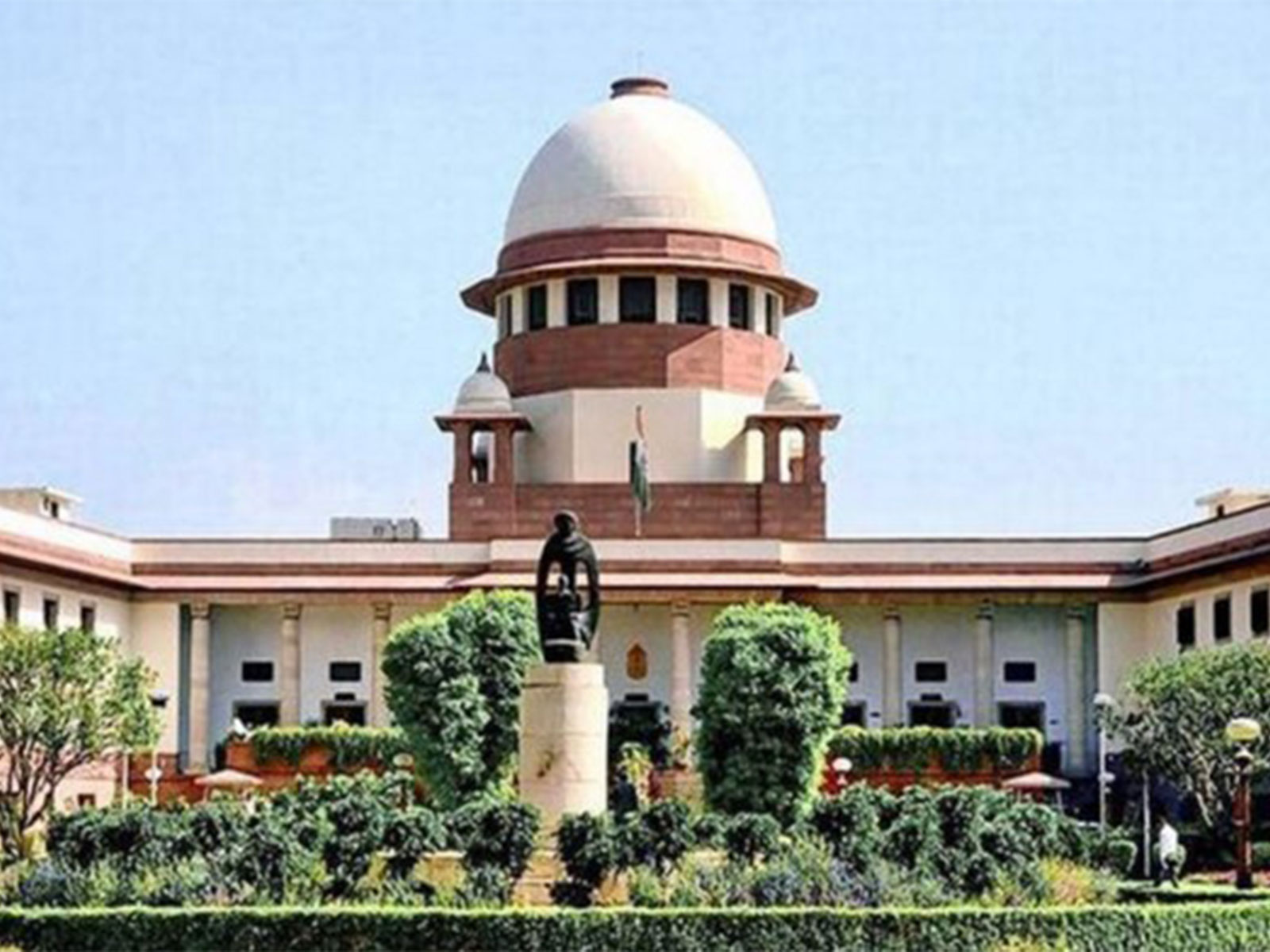
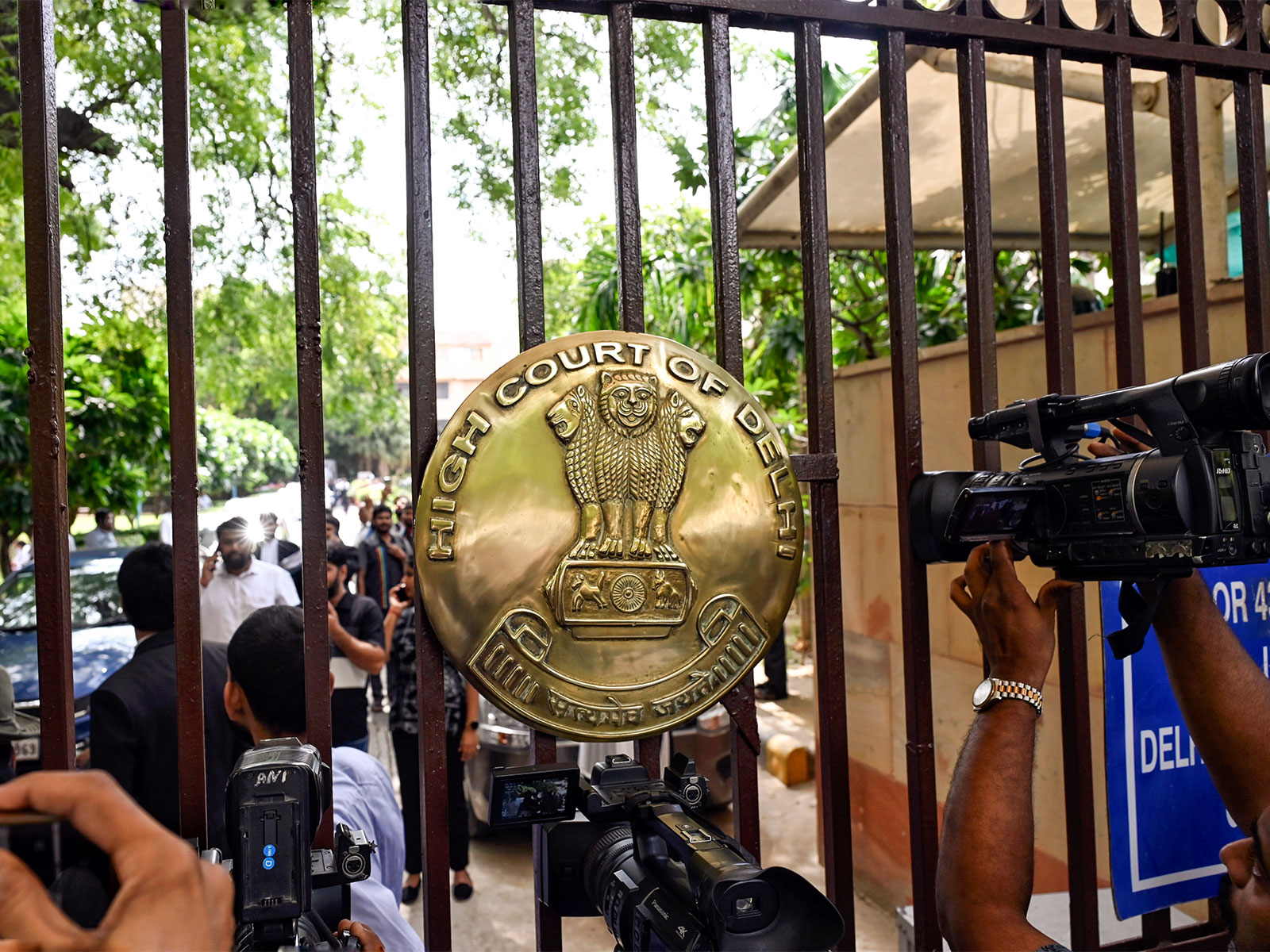
New Delhi [India], February 18 : The Delhi High Court on Wednesday refused to entertain a public interest litigation seeking wide-ranging directions on handling missing persons' cases in the national capital, observing that decisions on policing and organisational structure must be left to the police authorities.
A division bench comprising Chief Justice D.K. Upadhyaya and Justice Tejas Karia dismissed the plea, terming the reliefs sought as "omnibus" and noting the absence of any concrete instances to support the allegations.
The petition had sought the creation of a dedicated cell in each police station to deal with missing persons, mandatory registration of FIRs in all such cases, a CBI probe into disappearances, and the constitution of a supervisory body headed by a retired High Court judge to monitor a joint task force in view of what it described as an alarming rise in missing persons.
However, the court made it clear that such directions could not be issued without specific material. The bench observed that merely citing figures or raising concerns based on media reports was not sufficient to seek a judicial mandate.
The judges pointed out that the petition did not provide any example where the police had refused to register an FIR when approached by a family member of a missing person. Without such details, the court said, the reliefs sought could not be granted.
During the hearing, the bench remarked that filing petitions to discuss social problems is different from approaching the court with concrete legal grievances. It stressed that policing methods and organisational decisions, including whether to set up dedicated cells in police stations, fall within the domain of the police authorities.
The court also declined the prayer for a CBI probe into all missing persons' cases, stating that such a direction could not be issued in the absence of specific facts or individual cases requiring investigation. It reiterated that how policing should be carried out is a matter best determined by the concerned authorities and not by judicial intervention.
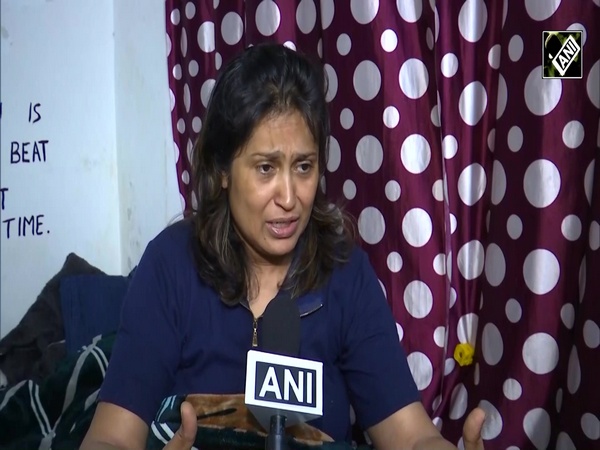
In a related development, the bench issued notice to the Centre, Delhi government and Delhi Police on a separate PIL filed by Jayeeta Deb Sarkar seeking information and action regarding untraced persons in the city. The court directed the authorities to file their response within four weeks and listed the matter for hearing in April.
That petition has sought directions to the police to provide the status of persons who remain untraced and to frame a comprehensive protective mechanism and institutional safeguards to prevent disappearances. It also calls for tracing and submitting a status report on around 53,000 people who are stated to have remained untraced over the past decade.
The plea further contends that the right to be traced and the right to proper investigation in cases of missing persons are integral to the right to life and personal liberty under Article 21 of the Constitution, particularly in light of risks such as trafficking, forced labour and exploitation.