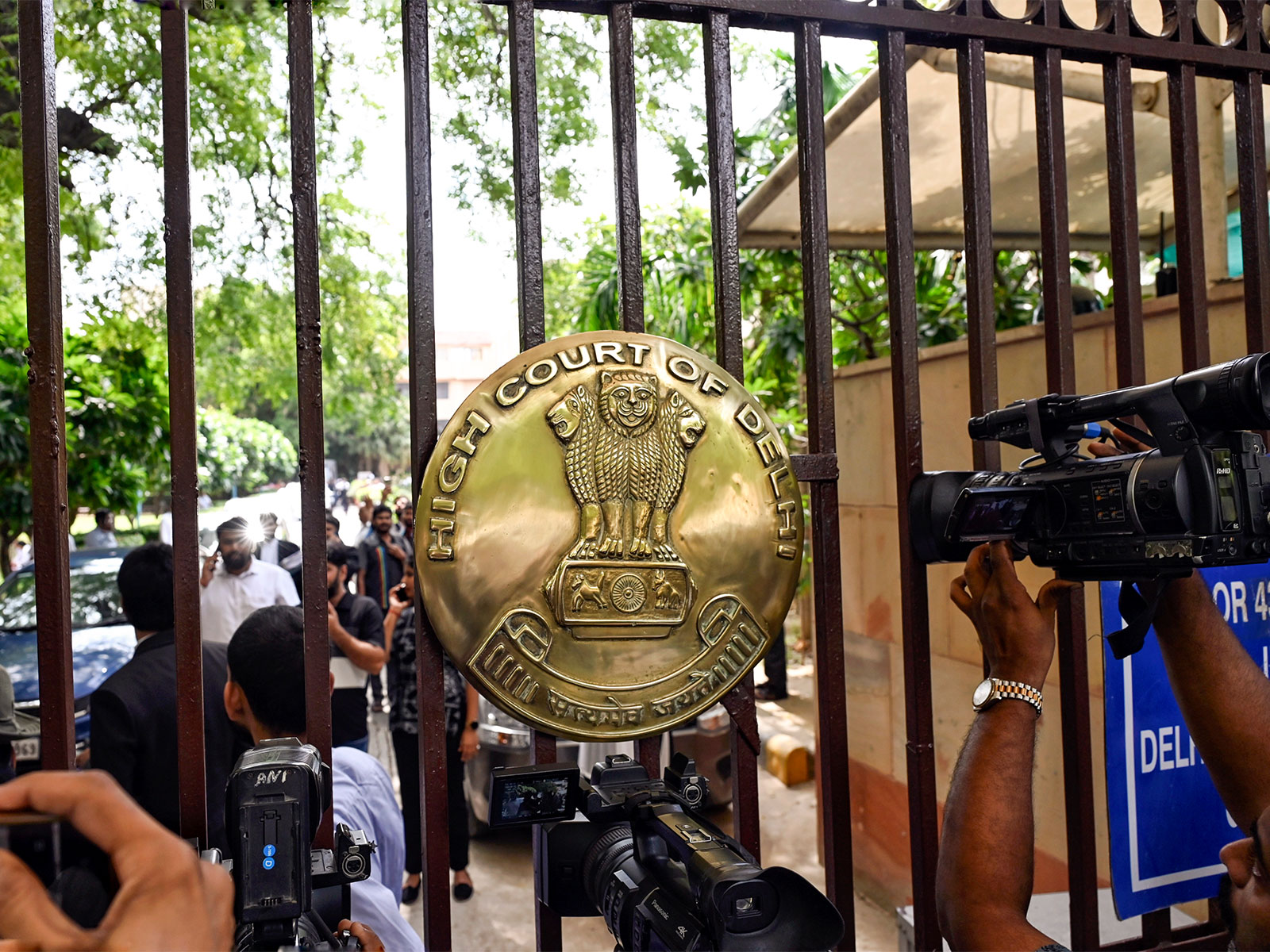
Delhi HC quashes criminal defamation case linked to intra-family property dispute
Jan 22, 2026
New Delhi [India], January 22 : The Delhi High Court has quashed criminal defamation proceedings arising from a long-standing family property and testamentary dispute, holding that allegations made in judicial pleadings and a police complaint do not, by themselves, amount to defamation under the Indian Penal Code.
In a judgment pronounced on January 20, 2026, the Court allowed petitions filed under Section 482 of the Code of Criminal Procedure and set aside the criminal complaint, the summoning order passed by the trial court, and the subsequent order framing notice for offences under Sections 499 and 500 of the IPC.
The criminal complaint stemmed from allegations that one family member had made defamatory statements against another in three contexts: a complaint lodged before the police alleging forgery of documents, objections filed in a pending testamentary case before the High Court, and an unsigned letter purportedly circulated in a local residents' welfare association.
After examining the record, the Court held that none of the allegations satisfied the essential ingredients of criminal defamation.
With regard to the police complaint, the Court noted that an FIR concerning alleged forgery was already pending investigation. In such circumstances, accusations made before a lawful authority could not be treated as defamatory, particularly when no competent court had yet found the allegations to be false.
The Court held that complaints made in good faith to authorities empowered to act are protected under the statutory exceptions to defamation.
On the issue of statements made in judicial pleadings, the Court ruled that averments made while prosecuting or defending a case cannot, in and of themselves, give rise to criminal defamation.
The Court observed that litigants have a right to take all available legal pleas, and subjecting pleadings to criminal defamation scrutiny during the pendency of proceedings would stifle access to justice. It clarified that if pleadings are alleged to be false, the appropriate remedy lies under provisions dealing with perjury, not through a separate defamation complaint.
The Court further held that the requirement of "publication", an essential element of criminal defamation, was not satisfied in respect of pleadings filed before a court, as there was no material to show that the statements were communicated in a manner that lowered the complainant's reputation in the eyes of the public.
As regards the unsigned letter allegedly circulated in the residents' welfare association, the Court found no prima facie evidence linking the accused to its authorship or circulation. Mere suspicion arising from ongoing family disputes, the Court held, was insufficient to sustain criminal proceedings.
Concluding that even if the allegations in the complaint were accepted in entirety, no offence of defamation was made out, the High Court held that continuation of the criminal proceedings would amount to an abuse of the process of law. The complaint and all consequential orders were accordingly quashed.