Delhi's air quality slips to 'moderate' at 197; Anand Vihar, RK Puram record 'poor' AQI
Feb 14, 2026
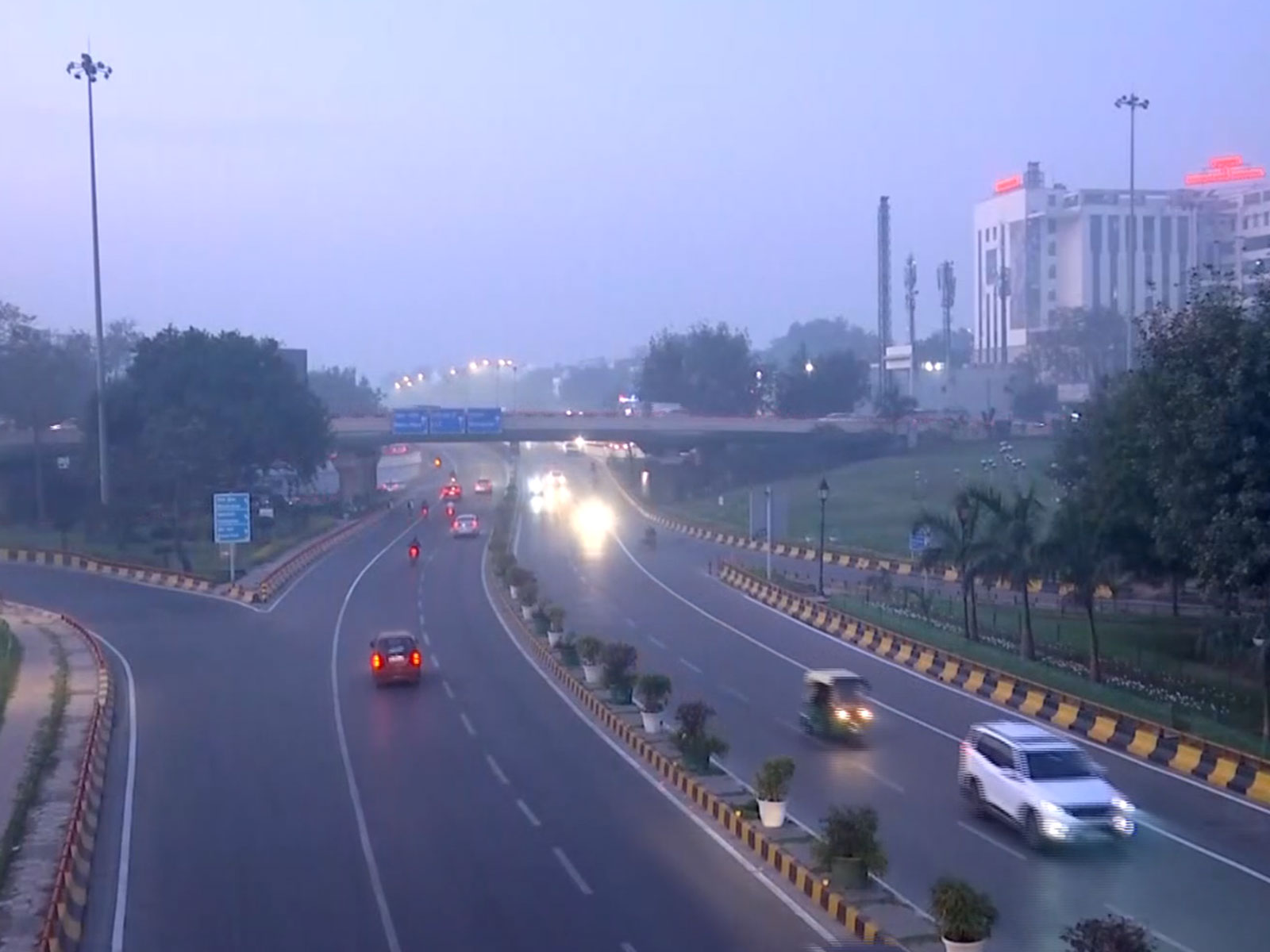
New Delhi [India], February 14 : The national capital's air quality slightly deteriorated on Saturday, with the Air Quality Index (AQI) recorded at 197 at 8.30 am, placing it in the 'moderate' category, according to the Central Pollution Control Board (CPCB).
Anand Vihar recorded a 'poor' AQI of 265, while RK Puram also reported a 'poor' AQI of 247. In contrast, IGI Airport T3 Delhi recorded an AQI of 176, classified as 'moderate' per CPCB data.
As per AQI classification, a reading between 0 and 50 is considered 'good', 51 to 100 'satisfactory', 101 to 200 'moderate', 201 to 300 'poor', 301 to 400 'very poor', and 401 to 500 'severe'.
On Friday, AQI readings in other areas included Mundka at 230, Shadipur at 248, Nehru Nagar at 207, Rohini at 221, Bawana at 220, Jahangirpuri at 245, Wazirpur at 207, Ashok Vihar at 201, Narela at 215, Vivek Vihar at 204, Pusa at 142, Sirifort at 218, and Chandani Chowk at 176. Sri Aurobindo Marg recorded 123, while Lodhi Road 135, Major Dhyan Chand Stadium 142, Mandir Marg 141, IIT Delhi 144, Dwarka-Sector 8 190, and IGI Airport 141 reported comparatively better air quality.
On Thursday, Sri Aurobindo Marg had an AQI of 159, followed by IIT Delhi at 158, Lodhi Road at 164, IGI Airport at 165, Mandir Marg at 166, Aya Nagar at 168, and Chandani Chowk at 167, indicating relatively good air quality. Meanwhile, Mundka recorded 275, Sirifort 277, Bawana 263, Wazirpur 259, Pusa 257, Nehru Nagar 249, Jahangirpuri 246, Rohini 238, Shadipur 236, Narela 240, and Ashok Vihar 229.
The worsening air quality has also sparked political debate.
Earlier, the Aam Aadmi Party (AAP) questioned the credibility of Delhi's pollution data and objected to the BJP government's decision to install six new AQI monitoring stations in the city's green and open areas.
AAP Delhi State President Saurabh Bharadwaj said, "The intent of the BJP government led by Rekha Gupta was not to clean Delhi's air but to artificially lower AQI readings by shifting monitoring infrastructure to greener zones, thereby creating a false impression of improvement without taking substantive anti-pollution measures."