Delhi's AQI at 213; air quality slips to 'poor' category
Feb 15, 2026
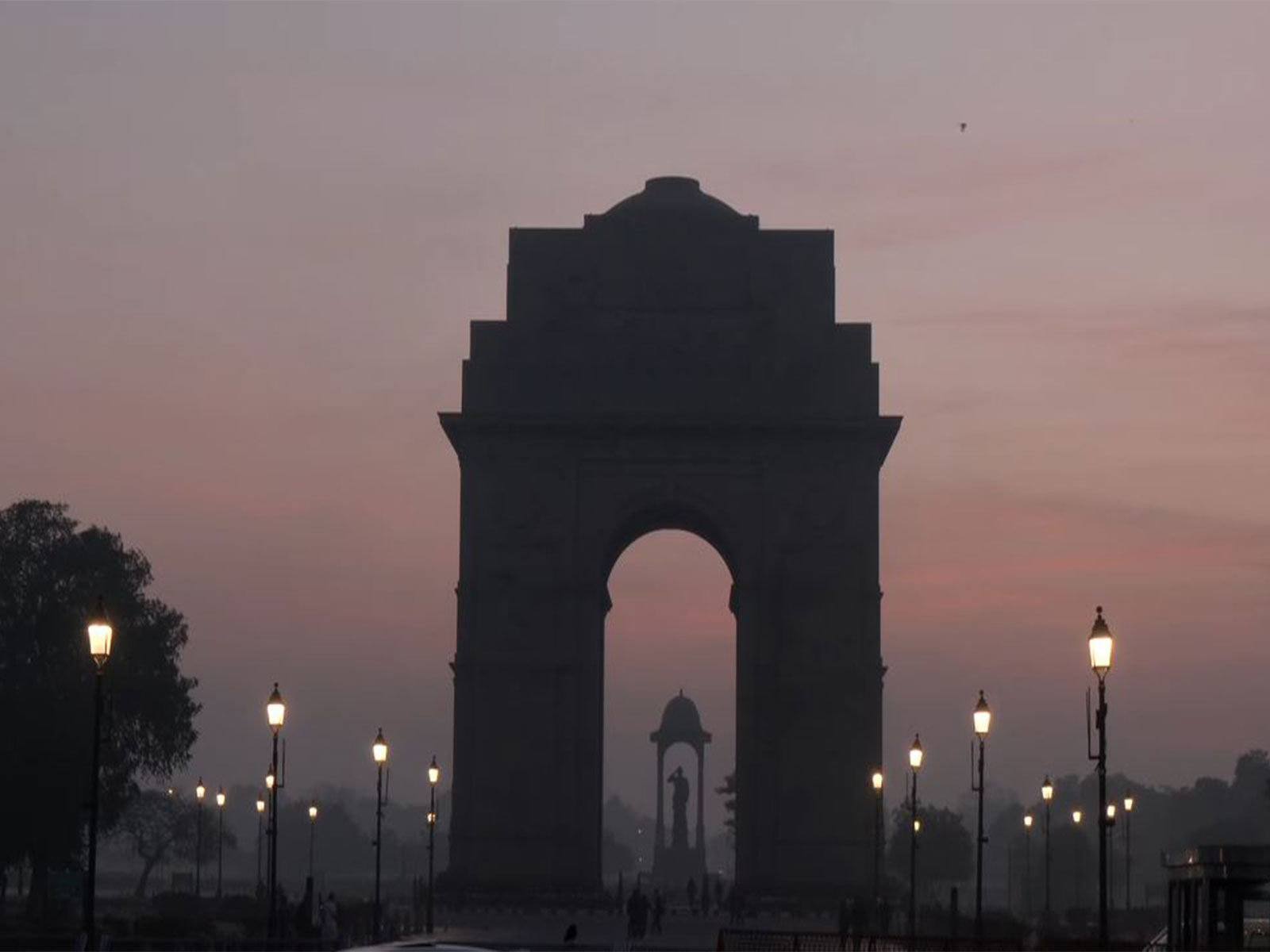
New Delhi [India], February 15 : The air quality in the national capital slipped to 'poor' category, with the Air Quality Index (AQI) recorded at 221 around 7 am on Sunday, as per the Central Pollution Control Board (CPCB), being marginally worse than the 197 AQI recorded on Saturday.
Several areas in Delhi recorded concerning AQI levels, Mundka at 275, followed by Anand Vihar (265), Bawana (241), Rohini (250), Dwarrka (221), ITO Delhi (213), Ashok Vihar (243), Jawaharlal Nehru Stadium (265) Vivek Vihar (252), and Chandani Chowk (228), according to the Central Pollution Control Board (CPCB).
According to CPCB, the AQI, which ranges from 0 to 500, is divided into six categories, each reflecting the level of pollution and associated health risks.
The Air Quality Early Warning System for Delhi also forecasted that the AQI could possibly come back down 'moderate' category, to around 180 for the day.
An AQI between 0 and 50 is classified as "Good", indicating minimal or no health impact. AQI levels from 51 to 100 fall into the "Satisfactory" category, where air quality remains acceptable, though sensitive groups such as children, the elderly, and those with respiratory issues may experience slight discomfort.
The "Moderate" category, ranging from 101 to 200, indicates rising pollution levels that can trigger respiratory difficulties for people with asthma, lung conditions, or heart disease.
An AQI between 201 and 300 is considered "Poor", a range in which prolonged exposure can cause breathing discomfort to most people, not just those with pre-existing health issues.
Levels between 301 and 400 are marked as "Very Poor", posing a risk of respiratory illnesses even to healthy individuals when exposure continues for long periods. The most hazardous category, "Severe," includes AQI values from 401 to 500. At this stage, air quality becomes dangerous for everyone.
Meanwhile, the worsening air quality has also being criticised by the Opposition Aam Aadmi Party (AAP).
Earlier, AAP questioned the credibility of Delhi's pollution data and objected to the BJP government's decision to install six new AQI monitoring stations in the city's green and open areas.
AAP Delhi State President Saurabh Bharadwaj said, "The intent of the BJP government led by Rekha Gupta was not to clean Delhi's air but to artificially lower AQI readings by shifting monitoring infrastructure to greener zones, thereby creating a false impression of improvement without taking substantive anti-pollution measures."