'Dhurandhar' a good example of a courageous mainstream film: Anurag Kashyap
Jan 31, 2026
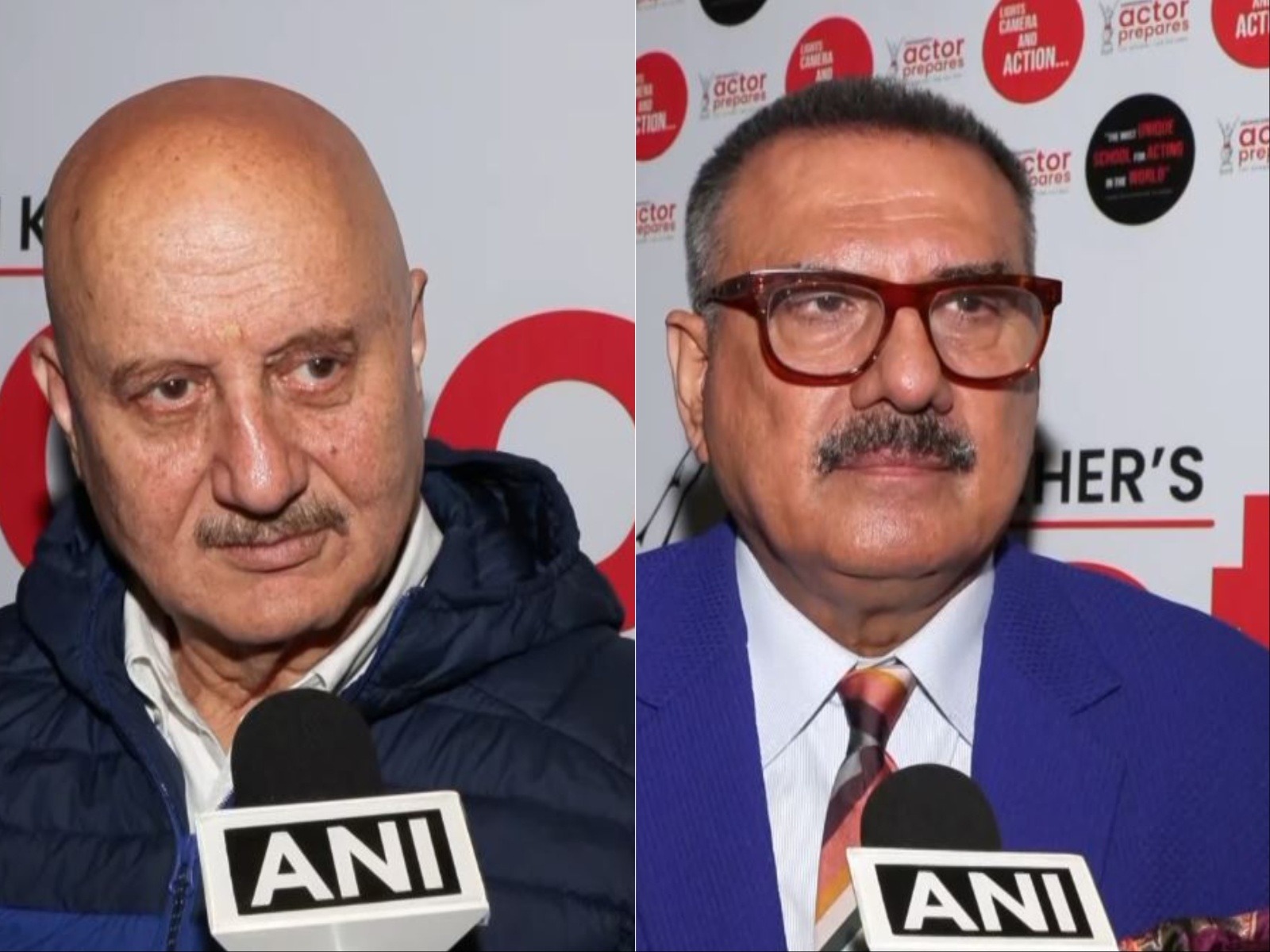
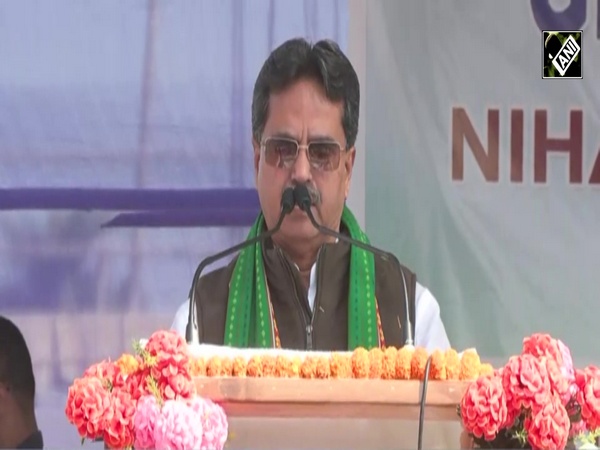
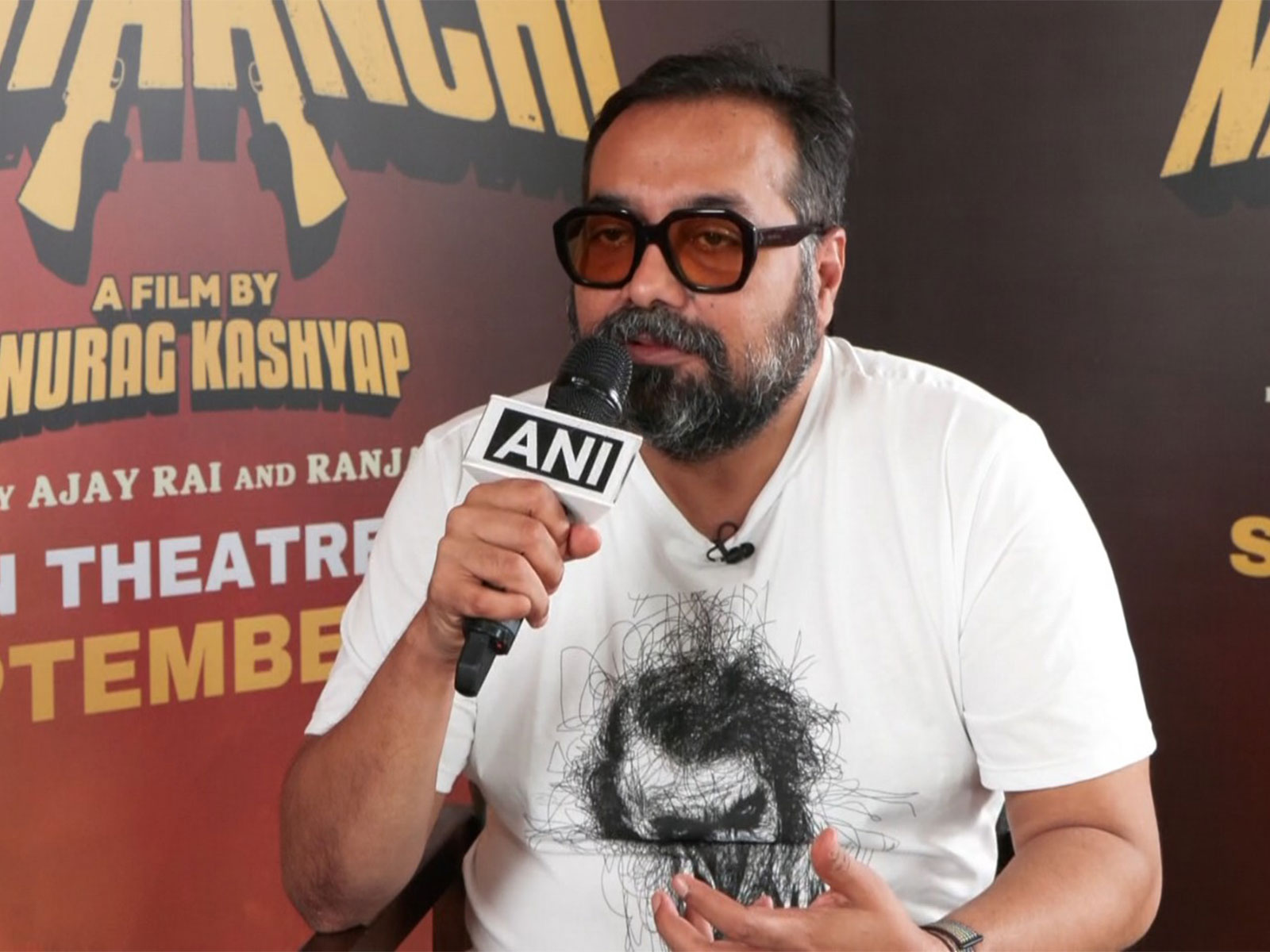
Bengaluru (Karnataka) [India], January 31 : Bollywood actor-director Anurag Kashyap shared his views during a discussion titled 'Fearless Film Making' at the 17th Bengaluru International Film Festival, moderated by renowned film critic Baradwaj Rangan.
He discussed current trends in cinema, politics, and technology.
"In today's times, making films like Gangs of Wasseypur or Black Friday is impossible. Some subjects have become politically sensitive and lead to controversies," Anurag Kashyap opined.
"Directors from countries like Iran or Russia are making films despite facing far greater restrictions than us. Indian directors should draw inspiration from them," he said.
Speaking about the recent film 'Dhurandhar', director Anurag Kashyap said, "This is a good example of a courageous mainstream film. I liked the film, but I didn't like some of the ideologies. The dialogue about 'This is the new India' and one long political monologue, among a total of three scenes, were unnecessary; even without them, the film's impact would not have diminished."
Kashyap remarked that calling films 'propaganda' or 'promotion' is itself a form of propaganda.
"Hollywood's Marvel films propagate American supremacy, but no one criticises them from that perspective," he added.
Regarding the teaser of the Kannada film 'Toxic', he praised it as an extremely courageous attempt. "The outrage expressed against the teaser reveals our cultural hypocrisy. When male actors appear shirtless on screen or display excessive machismo, no one questions it. But when a woman celebrates her sexuality, it becomes hard to accept," he expressed disappointment.
Expressing his love for Kannada literature, Anurag Kashyap announced that he is producing a Kannada film adaptation of renowned writer Vivek Shanbhag's novel Ghachar Ghochar. The film is currently in the scripting stage and will later be made in Hindi as well. He said details about the director and cast will be announced soon.
He noted that today's audiences prefer watching films on mobile phones and that it is difficult to maintain attention for slow-paced films. "This is the result of changes in technology, not the fault of the audience," he analysed.
Responding to questions about political films, he poignantly said, "In Germany, films against Hitler came only after Hitler died. Everything requires its own time."