Digital cooperation emerges as global development game-changer at UNHRC
Mar 20, 2026
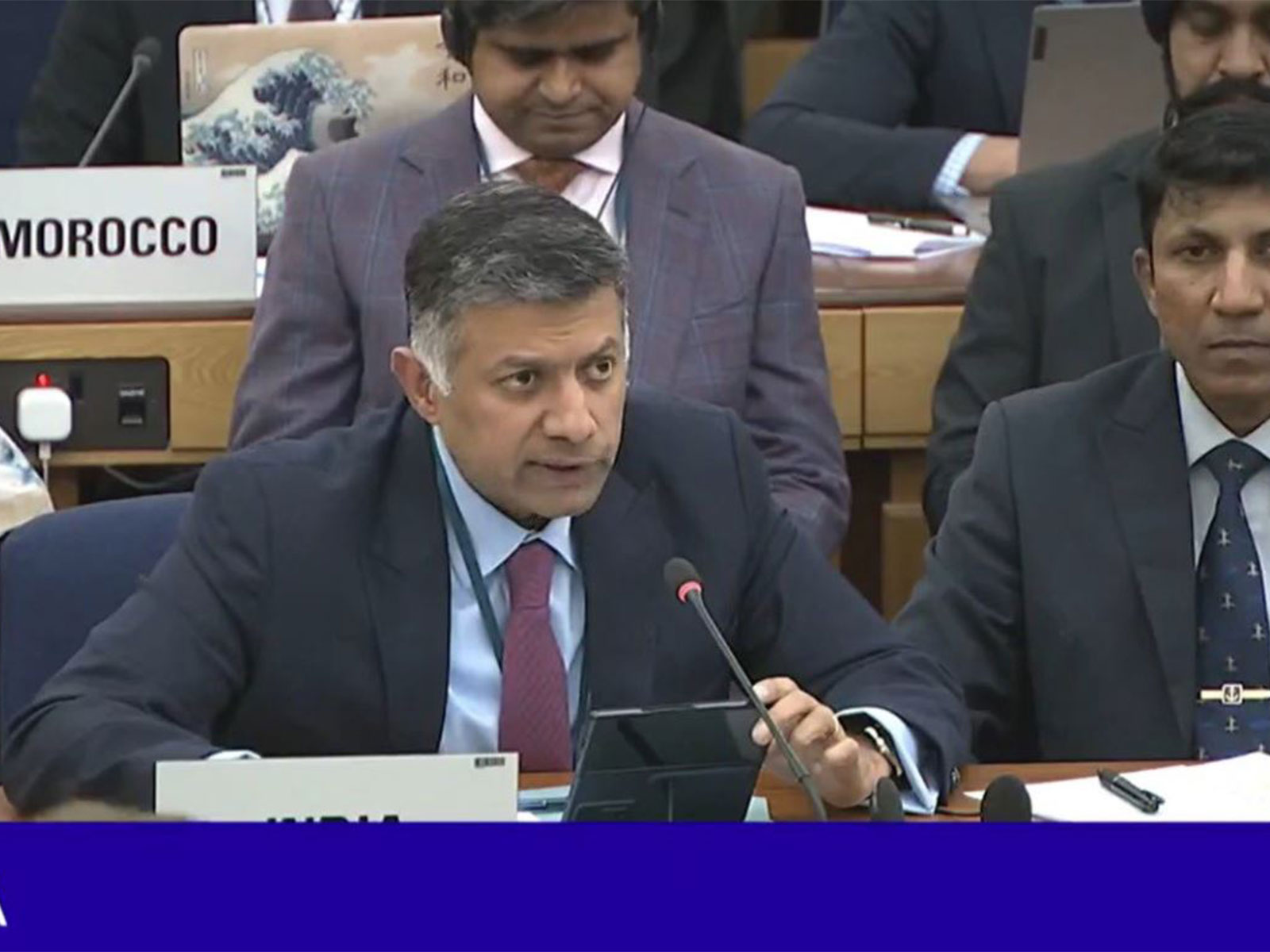
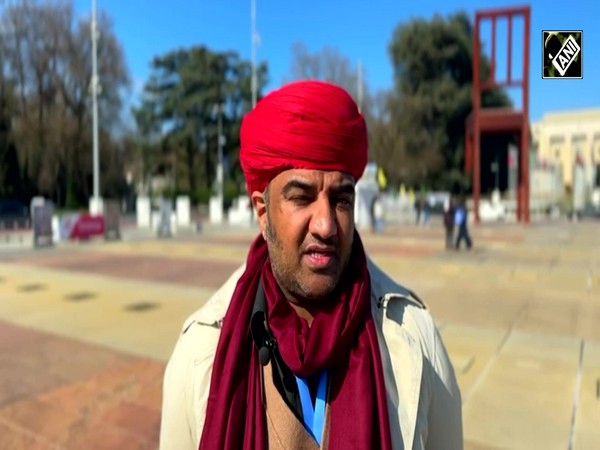
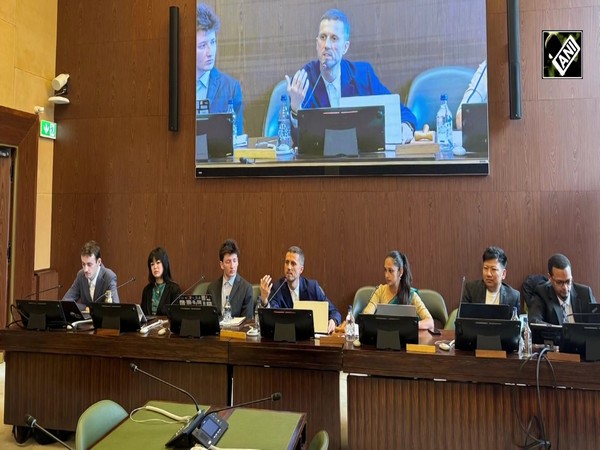
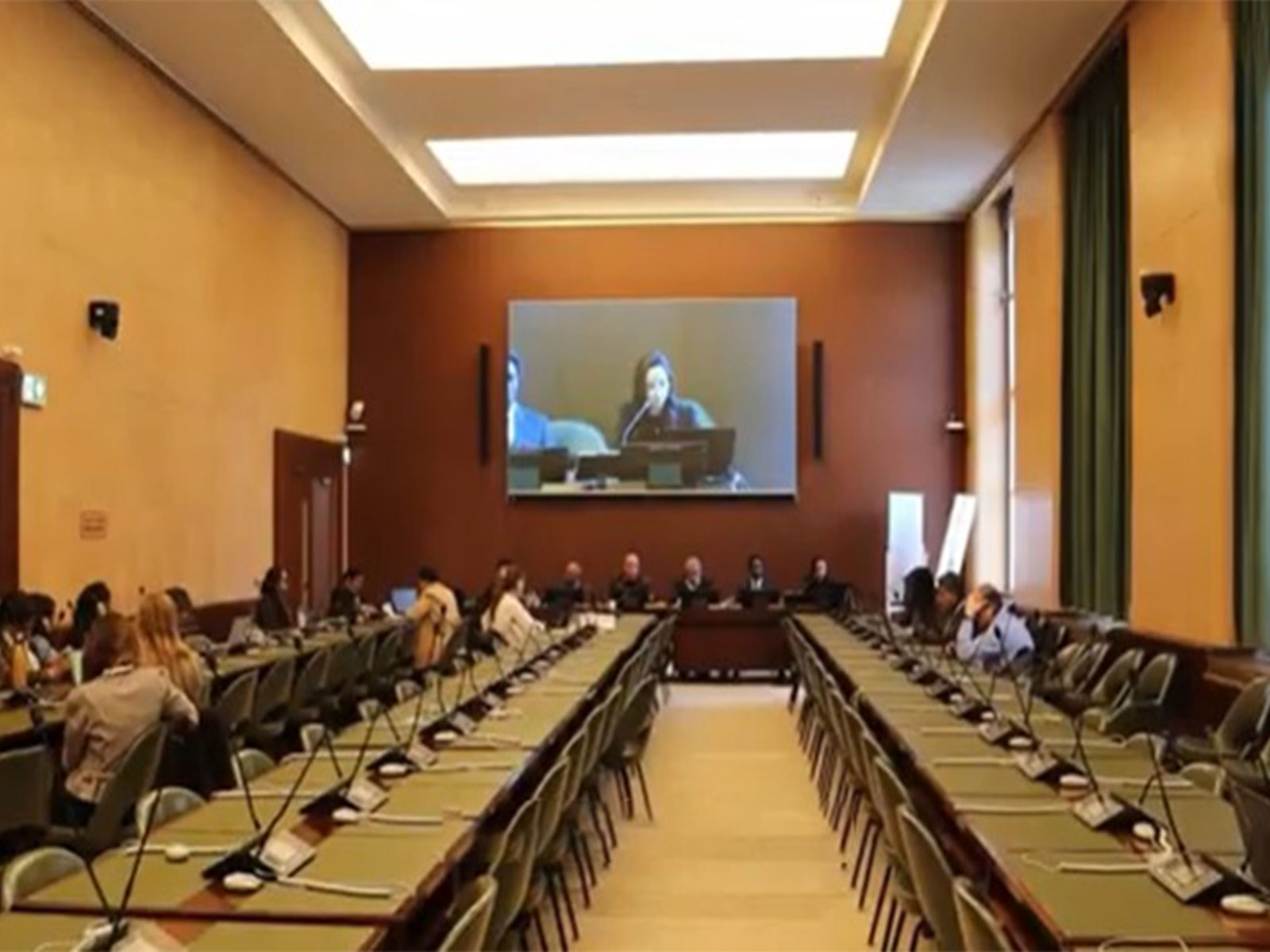
Geneva [Switzerland], March 20 : At a side event during the 61st session of the United Nations Human Rights Council (UNHRC) at the United Nations Office, experts said that digital innovation and strengthened global cooperation are emerging as powerful enablers of inclusive development.
The event, organised by the Global Institute for Water, Environment and Health, focused on how South-South cooperation and digital technologies can advance the right to development across regions. Speakers highlighted that equitable access to digital tools is no longer optional but essential for achieving human rights and sustainable economic growth.
Experts highlighted the growing importance of technologies such as artificial intelligence, cloud computing and digital public infrastructure in expanding access to critical services. They noted that digital innovation can significantly improve healthcare delivery, education access and financial inclusion, particularly in developing nations where structural gaps remain.
India's large-scale digital platforms in health and finance were cited as a model of inclusive innovation, demonstrating how technology can be scaled efficiently to benefit millions. Participants said such frameworks offer replicable solutions for other countries aiming to accelerate development outcomes.
The discussion also pointed out that digital transformation could contribute to achieving up to 70 per cent of the Sustainable Development Goals (SDGs), while simultaneously supporting climate action initiatives. However, speakers stressed that this progress depends on international collaboration and responsible deployment of technology.
A major theme of the forum was South-South cooperation, with calls for countries across the Global South to actively share knowledge, technology and best practices. Panellists proposed concrete measures, including the creation of a global fund for digital transformation, enhanced debt relief mechanisms and stronger United Nations guidelines to ensure the ethical use of emerging technologies.
The Director General of the Global Institute for Water, Environment and Health stated that digital innovation serves as a critical tool to support the SDGs. He emphasised the importance of adopting and disseminating best practices globally, adding that the initiative aims to translate knowledge into practical implementation across regions, including Asia, Africa and the Middle East, through stronger partnerships.
Civil society organisations, participants noted, will play a key role in promoting digital literacy and ensuring accountability, helping to bridge the digital divide.