"Diplomacy first option; Iran would be wise to make nuclear deal": White House Press Secy on military action against Tehran
Feb 18, 2026
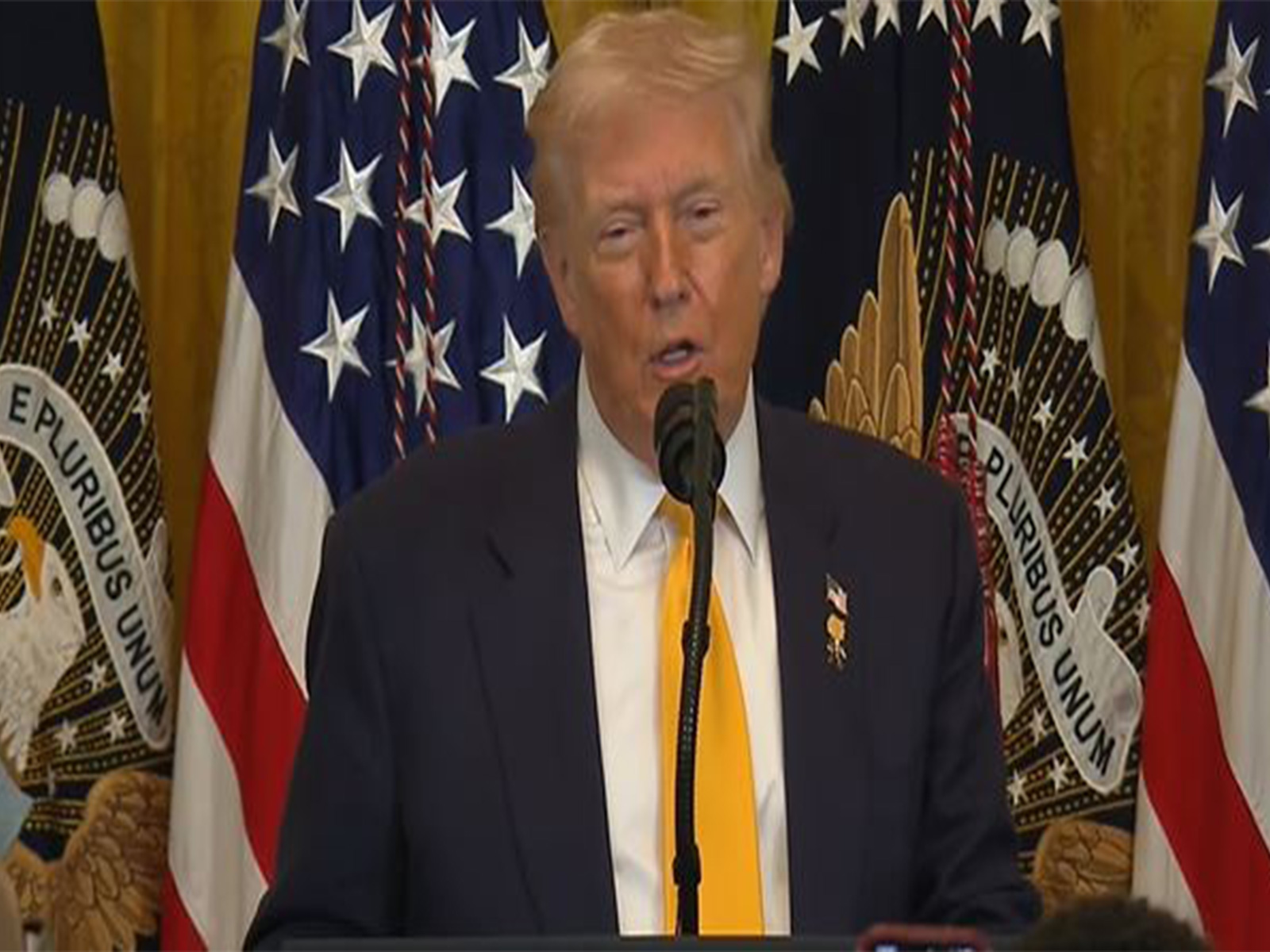
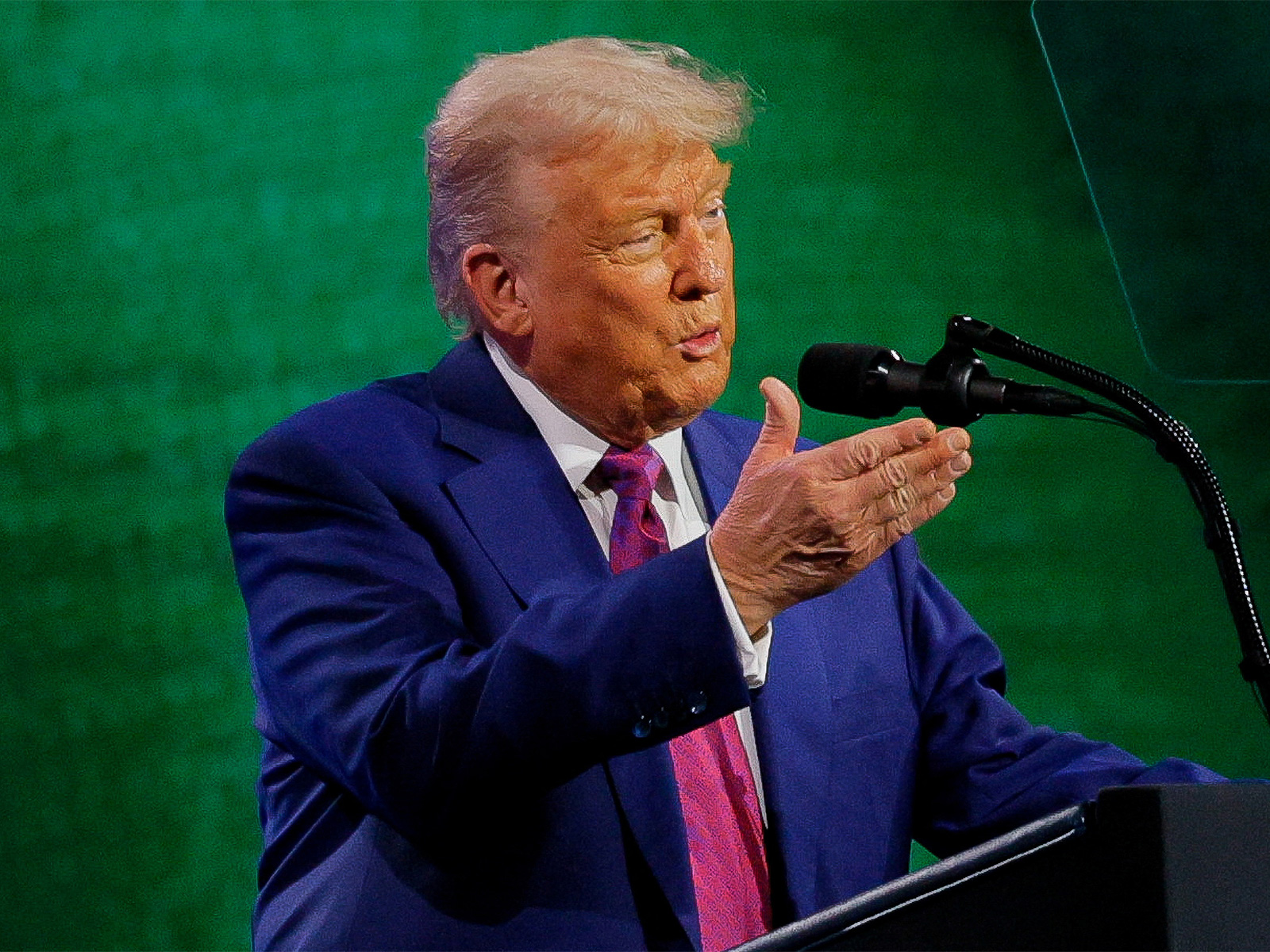
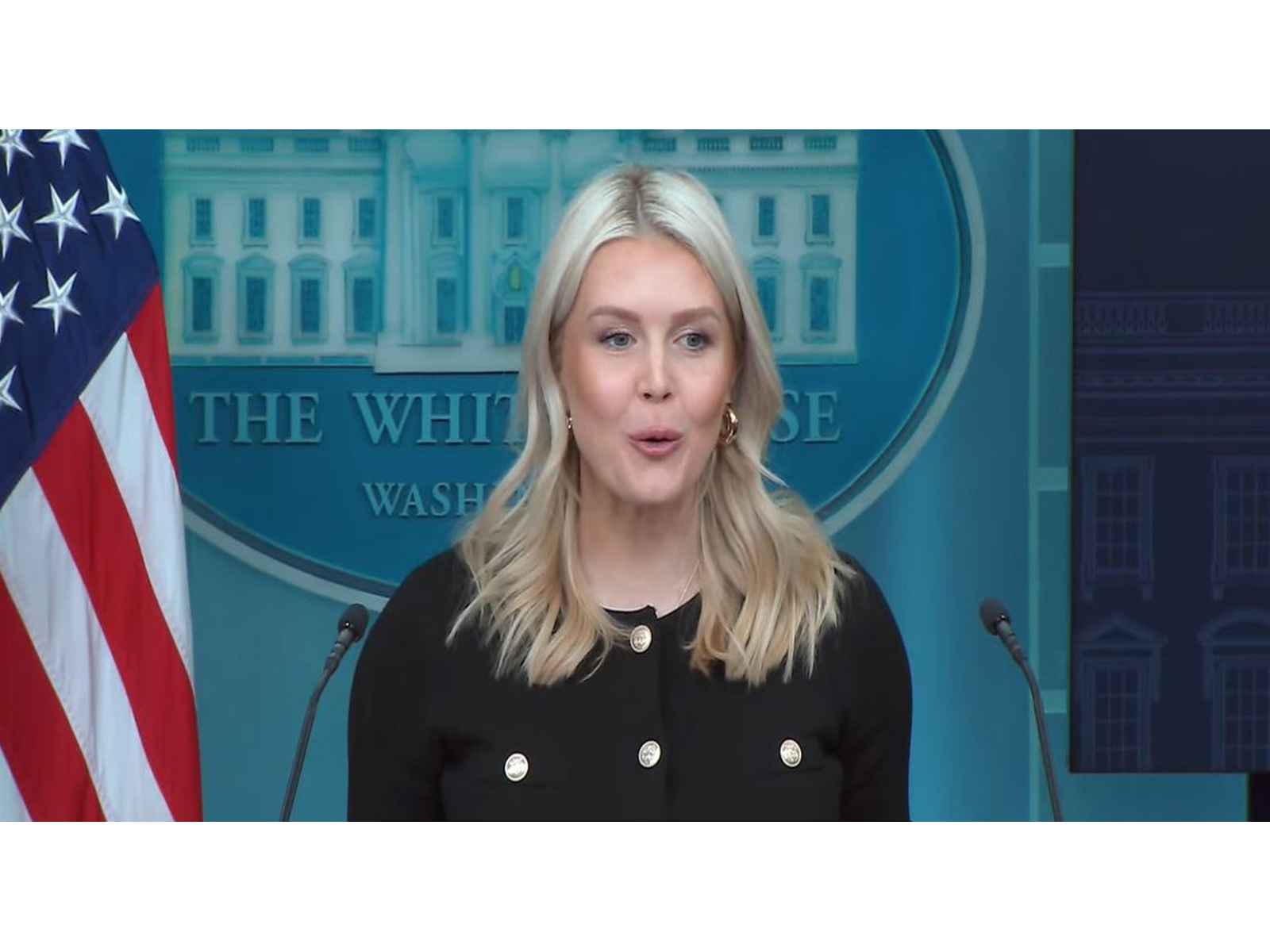
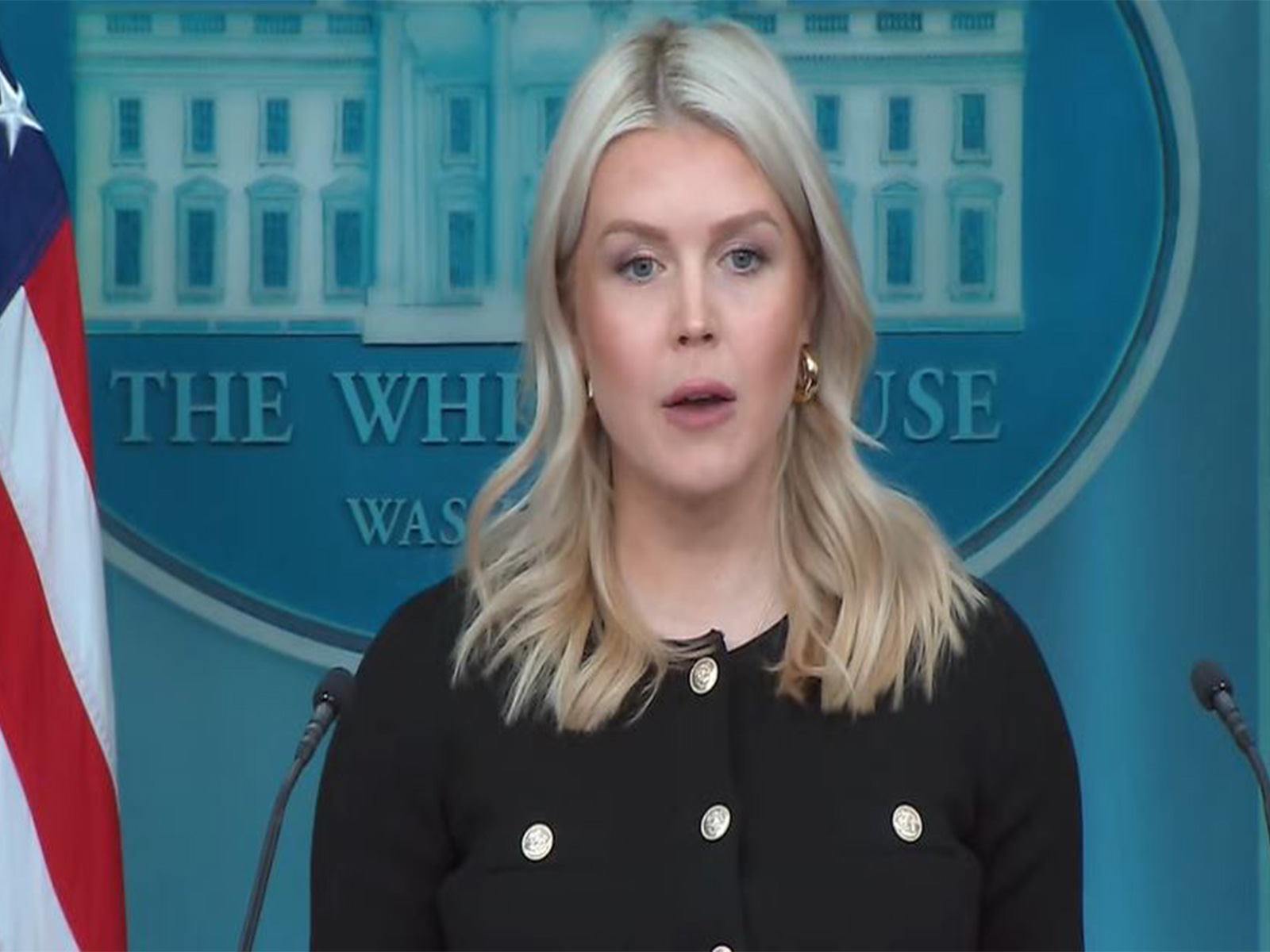
Washington DC [US], February 19 : White House Press Secretary Karoline Leavitt on Wednesday (local time) said that diplomacy is the first option for US President Donald Trump before considering military action against Iran regarding the nuclear deal.
Speaking to the media, the White House Press Secretary warned Iran, saying it would be wise for Iran to reach a deal with the US.
When asked about a military action against Iran in the backdrop of the deal, Leavitt said, "There are arguments one can make for a strike against Iran. The President had a successful operation as commander-in-chief with Operation Midnight Hammer, completely obliterated Iran's nuclear facilities. The President has always been clear that with Iran or any other country, diplomacy is the first option, and Iran would be wise to make a deal with President Trump."
"He (Donald Trump) is talking to many people, firstly, his national security team. This is something the President takes seriously, thinking about what is in the best interest of America and its people. That is how he will decide on a military action," she added.
Leavitt also hinted that "US forces are in conversation with Israel," while not affirming a military action.
Further, she noted that progress has been made in the Geneva talks with Iranian authorities, but the two nations stand "far apart" on certain issues.
"There was a little bit of progress made, but we are still far apart on some issues. We expect the Iranians to come back with the details in the next couple of weeks. The president will continue to watch how this plays out," the press secretary said.
Earlier on Tuesday (local time), US envoys Steve Witkoff and Jared Kushner held discussions with Iranian authorities in Geneva.
Iran would return in the next two weeks with detailed proposals to address the gaps, a United States official said following high-stakes nuclear negotiations between Washington and Tehran.
"Progress was made, but there are still a lot of details to discuss. The Iranians said they would come back in the next two weeks with detailed proposals to address some of the open gaps in our positions," the official said.
The conversation about a potential US military action made the rounds in global political circles as both Washington and Tehran engaged in posturing ahead of the talks. President Donald Trump issued a stern warning about the "consequences of not making a deal" ahead of critical diplomatic negotiations in Geneva. He asked Iran to be "reasonable" in the next round of talks over the nuclear deal, reminding Tehran of the June 2025 B-2 bomber attack.
However, Iranian Supreme Leader Ayatollah Ali Khamenei also issued a sharp warning to Trump, asserting that even the most powerful military could face a devastating collapse.
In a series of provocative posts on X, Khamenei challenged the American President's frequent assertions of military dominance, stating, "The US President keeps saying that they have the strongest military force in the world. The strongest military force in the world may at times be struck so hard that it cannot get up again."
Addressing the increased American naval presence in the region, the Supreme Leader suggested that US hardware remains vulnerable to Iranian countermeasures.
"The Americans constantly say that they've sent a warship toward Iran. Of course, a warship is a dangerous piece of military hardware. However, more dangerous than that warship is the weapon that can send that warship to the bottom of the sea," Khamenei noted.
Iran and the United States held the previous rounds of nuclear talks in April 2025.
The Iranian nuclear deal dates back to July 2015, when the Joint Comprehensive Plan of Action (JCPOA) was signed between Iran and several world powers, including the United States, which capped Tehran's enrichment level at 3.67 per cent and reduced its uranium stockpile to 300 kilograms. The deal collapsed in 2018 with Trump's unilateral withdrawal of the US from the accord.