DISCOM reforms focus on reducing AT&C losses to single digits and smart metering rollout
Mar 20, 2026
New Delhi [India], March 20 : DISCOM reforms are focusing on reducing Aggregate Technical and Commercial (AT&C) losses to single digits, rolling out smart meters and strengthening governance, form the core of the draft National Electricity Policy (NEP) 2026, according to a statement by the Ministry of Power issued on Friday.
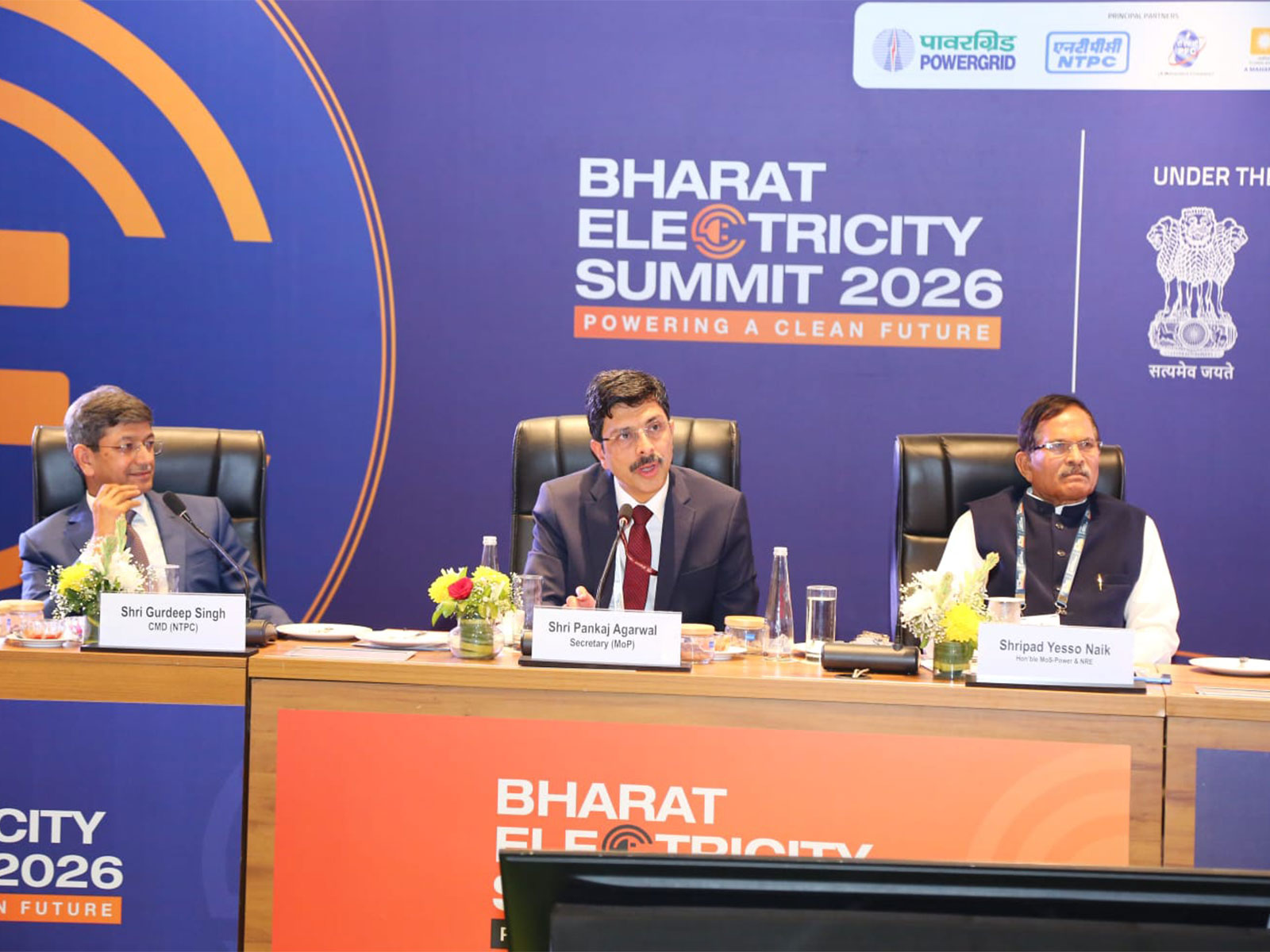
"The policy envisages achieving single-digit AT&C losses through phased rollout of smart meters with prepayment functionality, alongside regular energy audits and improved accounting practices," the statement said following a CEO roundtable on power distribution at the Bharat Electricity Summit 2026.
The meeting, chaired by Power Secretary Pankaj Agarwal, brought together top executives from across the power sector, who endorsed the draft policy's emphasis on financial sustainability of distribution companies (DISCOMs).
Industry leaders said the proposed reforms would be critical to enhancing operational efficiency, improving service delivery and supporting the sector's long-term viability.
The draft NEP 2026 positions distribution reforms at the centre of India's broader economic ambitions under the Viksit Bharat @ 2047 vision, which aims to transform the country into a USD 30 trillion economy with energy independence. As part of this trajectory, electricity demand is expected to rise sharply, with per capita consumption targeted at 2,000 kWh by 2030 and more than 4,000 kWh by 2047.
The policy also aligns with India's climate commitments, including reducing emissions intensity by 45 per cent from 2005 levels by 2030 and achieving net-zero emissions by 2070. This requires a transition towards low-carbon energy sources while ensuring a reliable and affordable electricity supply.
To address structural inefficiencies in the distribution segment, the policy proposes a multi-pronged strategy. In addition to reducing AT&C losses, it calls for optimisation of power procurement through advance planning and strengthening of corporate governance mechanisms within DISCOMs. These measures are aimed at improving financial discipline and reducing systemic losses.
Smart metering is a key pillar of the reform agenda. The policy recommends a phased rollout of prepaid smart meters, starting with government, commercial and industrial consumers, before expanding to other segments.
This is expected to improve billing efficiency, reduce losses and enhance revenue realisation.
Beyond financial reforms, the policy outlines a broader framework to modernise the distribution sector. It includes the introduction of shared distribution networks to eliminate duplication of infrastructure, as well as adoption of GIS-based asset mapping, consumer indexing and system automation to improve operational efficiency.
The draft also recognises the growing importance of distributed energy resources and proposes the creation of a Distribution System Operator (DSO) to manage integration of rooftop solar, energy storage systems and Vehicle-to-Grid (V2G) technologies. This would help enable local energy markets and strengthen grid stability.
To improve reliability, the policy recommends network redundancy at specified voltage levels and mandates redundancy at the distribution transformer level for cities with populations exceeding one million by 2032. Underground cabling in congested urban areas has also been proposed to enhance resilience and safety.
Ensuring universal access to electricity, particularly in border areas, remains a priority, alongside stricter enforcement of service standards, it said.
Participants at the roundtable stressed that sustained and coordinated reforms in the distribution sector are essential to ensure the financial viability of DISCOMs and to support India's evolving energy needs as it transitions towards a cleaner and more resilient power system.