"Does strategic autonomy mean silence on regime change?": Manish Tewari questions Centre over West Asia conflict
Mar 19, 2026
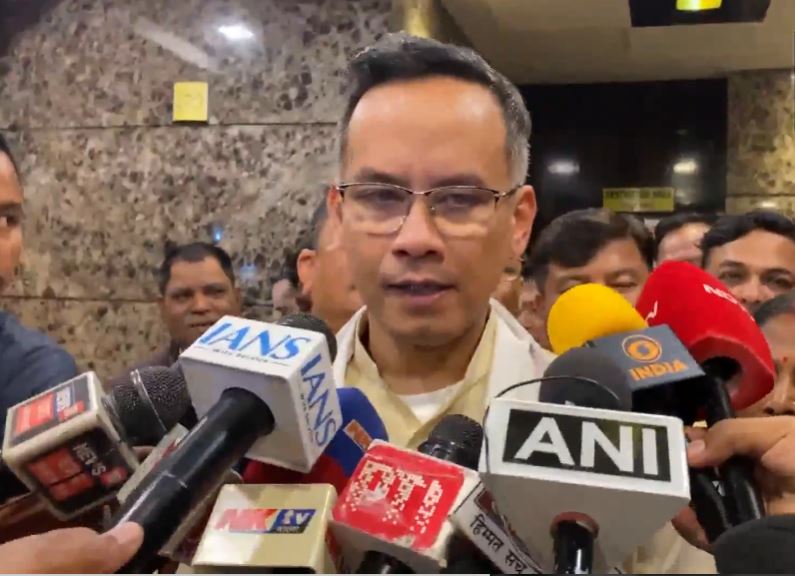
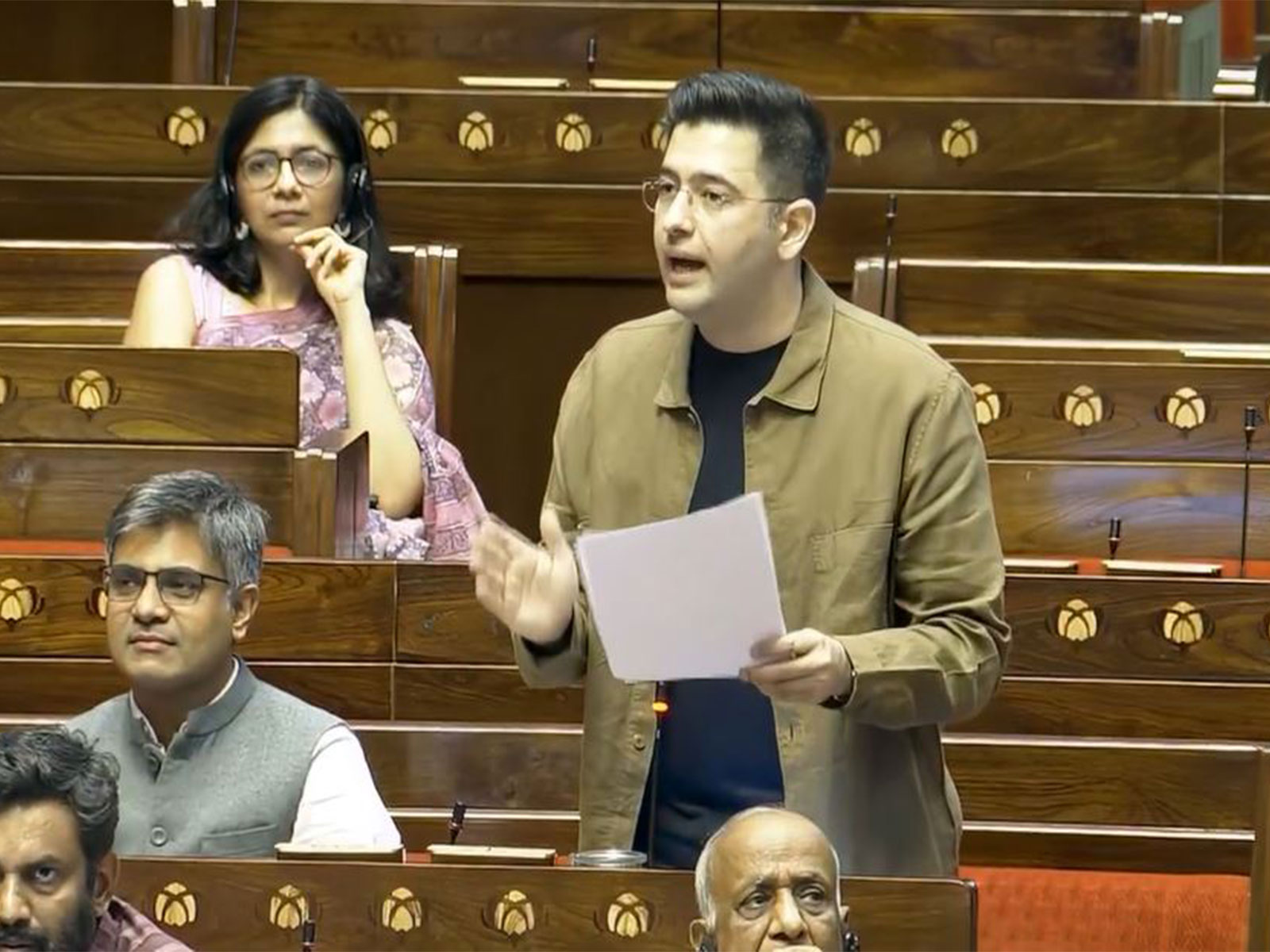
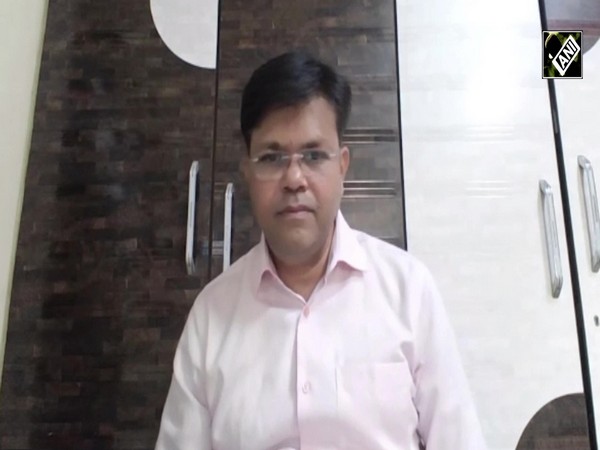
New Delhi [India], March 19 : Congress MP Manish Tewari on Thursday slammed the Centre for allegedly remaining silent on the assassination of Iran's Supreme Leader Ayatollah Ali Khamenei and top leadership, saying "this is not strategic autonomy."
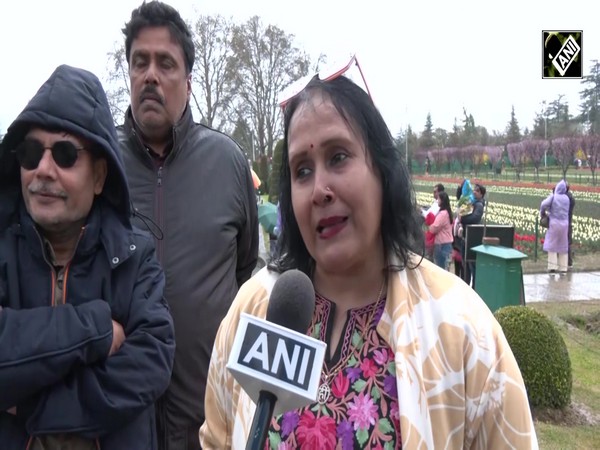
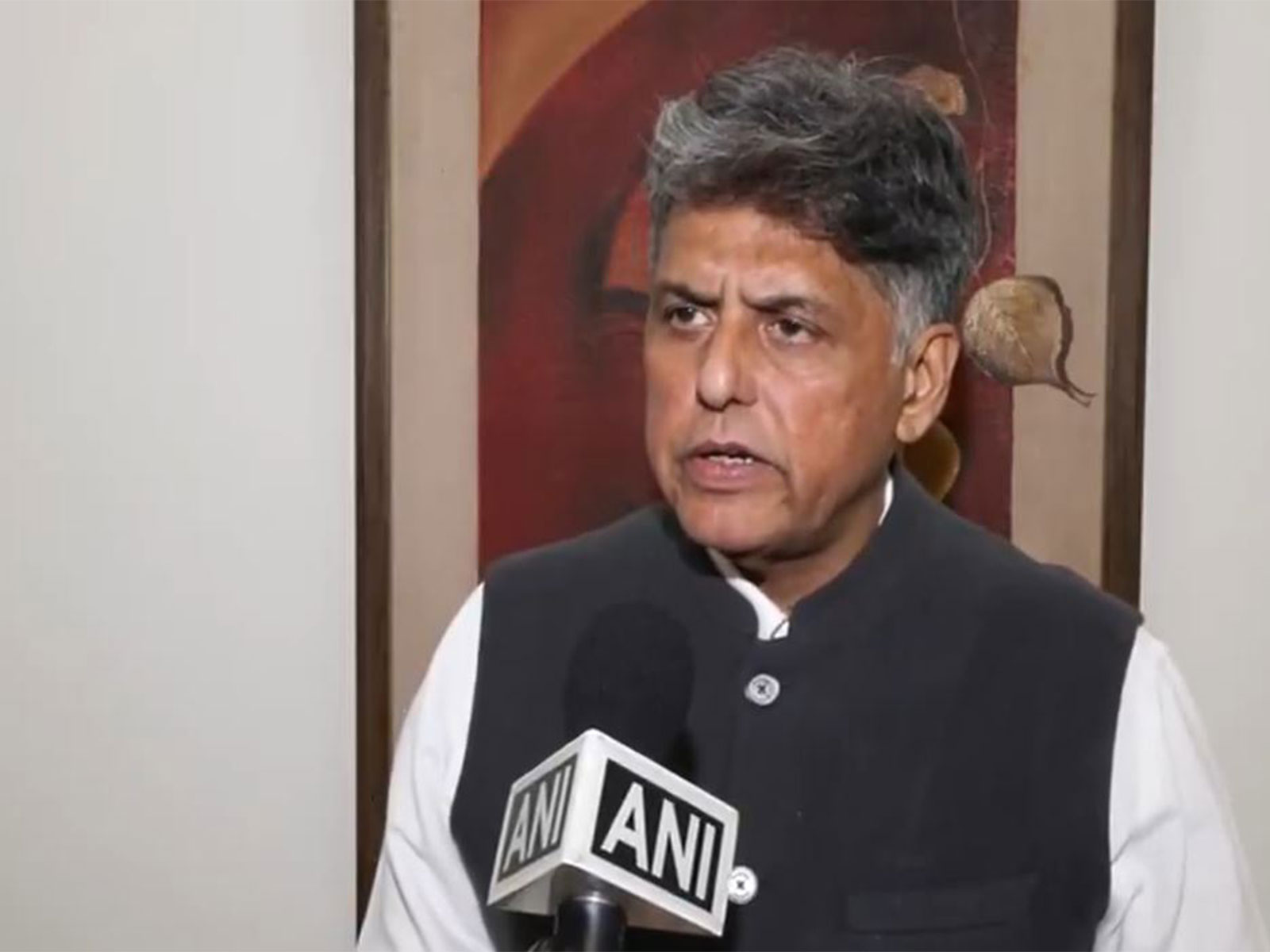
Speaking to ANI, the Congress leader acknowledged that India needs to safeguard its interests amid the ongoing conflict in West Asia, while asking the Centre to "introspect" on the meaning of strategic autonomy.
Manish Tewari said, "The situation in West Asia, in the Gulf Cooperation Council Region and the larger Middle East continue to be volatile and tense. But it does raise a larger question over which the government needs to seriously introspect. Does strategic autonomy mean keeping silent on regime change through coercive means? Does strategic autonomy mean not condemning the targeted assassinations of foreign leaders and other functionaries, and abductions of sitting Heads of State?"
"Does strategic autonomy mean not condoling the assassination and 196 children who were killed in a targeted missile strike? That is not strategic autonomy. Therefore, while we have legitimate interests in the broader Middle East, we have a diaspora spread across all countries, and we have energy security needs. But simultaneously, certain principles have run through the Indian Foreign Policy thought. The government seriously needs to think and introspect in the context of the evolving situation in West Asia, what really does strategic autonomy mean?" he asked.
Ayatollah Ali Khamenei was killed in US-Israel strikes on February 28, after which Tehran responded with strikes on US and Israeli assets in West Asia. His son Mojtaba Khamenei was elected as his successor, taking up the role of Iran's Supreme Leader. On March 5, Foreign Secretary Vikram Misri signed the condolence book at the Embassy of Iran in New Delhi on behalf of the Indian government.
Further, Manish Tewari said that the hampering of trade routes through the Strait of Hormuz has impacted India as the NDA government has increased the import dependence on crude oil and Liquefied Natural Gas (LNG).
Tewari said, "Between 2013-14 and 2025-26, your import dependence on crude oil has gone up from 77 per cent to 85 per cent currently. This means in the last 12 years, this government has not created any refining capacity to talk about. India's dependence on LNG has gone up from 30 per cent to 47 per cent. So, when the Straits of Hormuz are choked, and when the oil tankers or the super-heavy oil tankers or the ultra-heavy oil tankers which carry the bulk of this cargo do not move, it impacts India."
Meanwhile, Tewari welcomed Prime Minister Narendra Modi's conversation with French President Emmanuel Macron, emphasising the urgent need for de-escalation in West Asia. He strongly criticised US President Donald Trump for calling for military action to escort tankers through the Strait of Hormuz.
He said that the ships can only move based on the war risk insurance premiums, rather than military action.
The Congress leader said, "Ultimately, the ships will move through the Straits of Hormuz once the insurance premiums moderate, once the war insurance starts moderating on premiums. There were no takers for President Trump's proposal that warships should escort tankers through the Straits of Hormuz. The reason for that is that, notwithstanding whatever coercive power you used, ultimately, oil tankers are shipping moves based upon insurance premiums and on war risk premiums."
"Therefore, till the time de-escalation does not take place in a broader context, the clubs which controlled this industry internationally are not going to mitigate their insurance premiums or their war risk coverage. Ultimately, that is what is going to make the ships/tankers move through the Straits of Hormuz and not some military option," he added.
Earlier today, PM Modi and the French President Macron emphasised the urgent need for de-escalation and a return to dialogue and diplomacy to end the conflict.
Sharing the details of the conversation in a post on X, the Prime Minister described President Macron as a "dear friend" and said the two leaders exchanged views on the ongoing conflict and its broader implications for regional and global stability.
"Spoke with my dear friend, President Emmanuel Macron, on the situation in West Asia and the urgent need for de-escalation, as well as a return to dialogue and diplomacy. We look forward to continuing our close coordination to advance peace and stability in the region and beyond," the post read.