"Don't like to see big countries doing blockades": Singapore envoy calls for freedom of navigation amid West Asia crisis
Apr 15, 2026
By Ayushi Agarwal
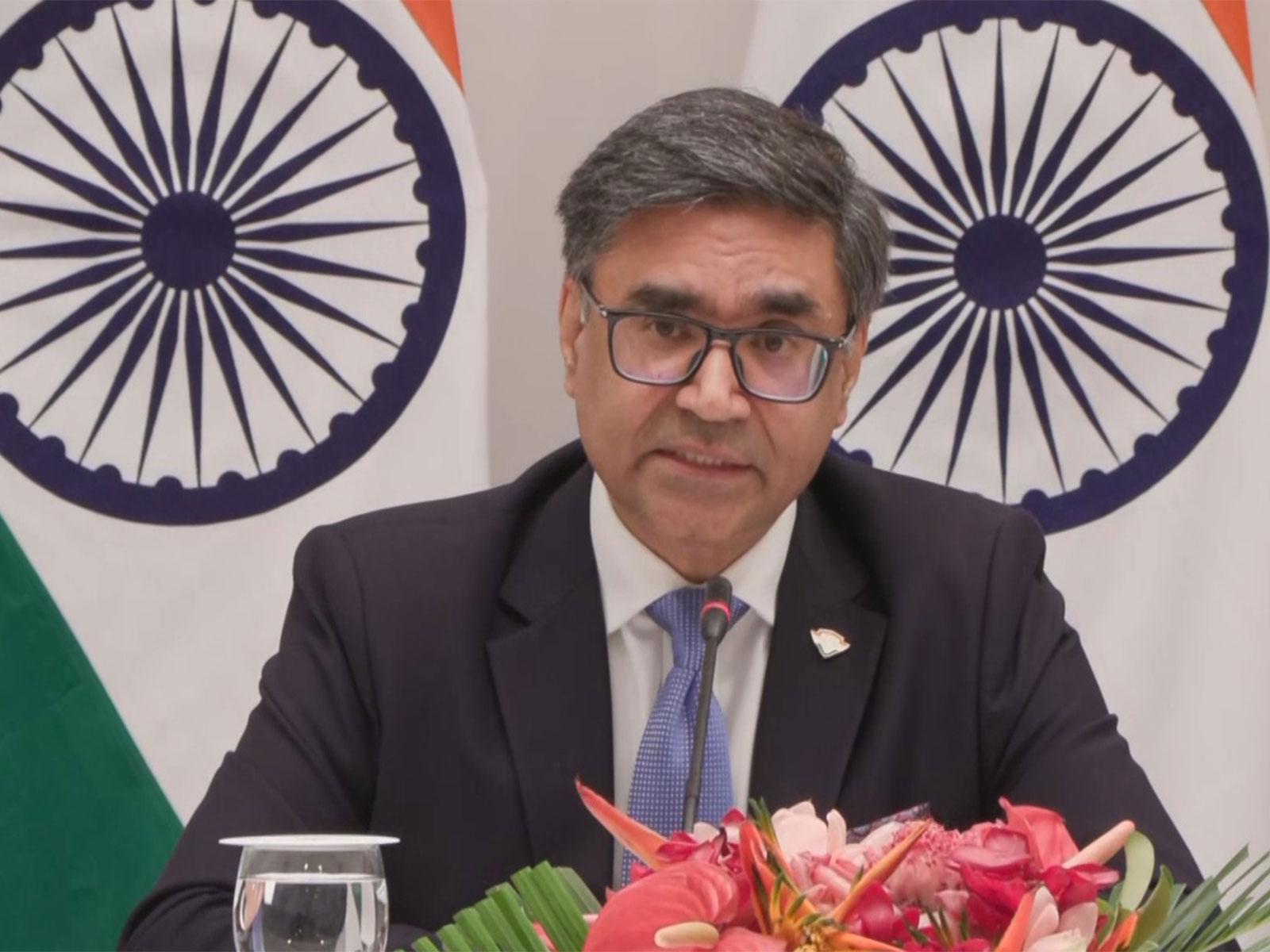
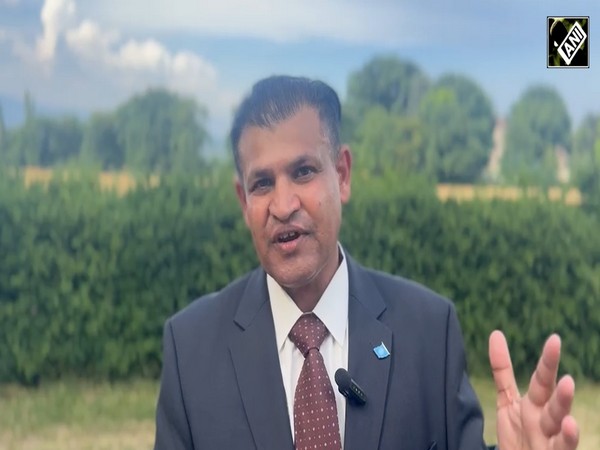
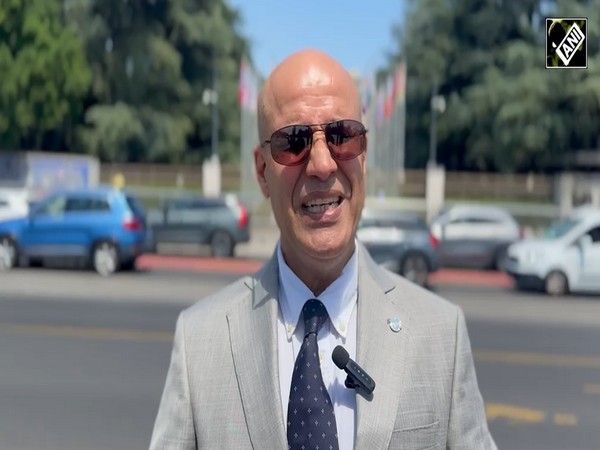
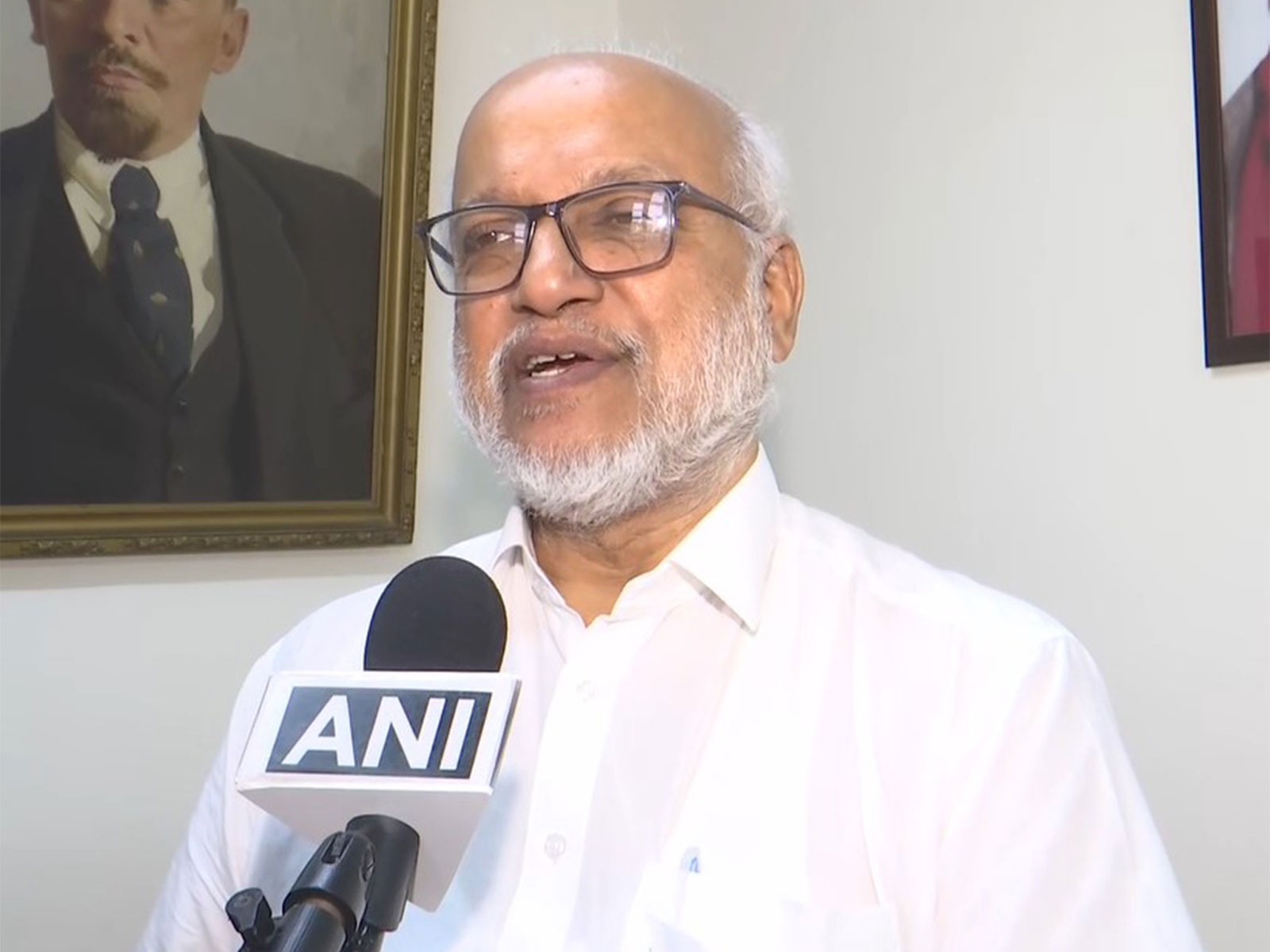
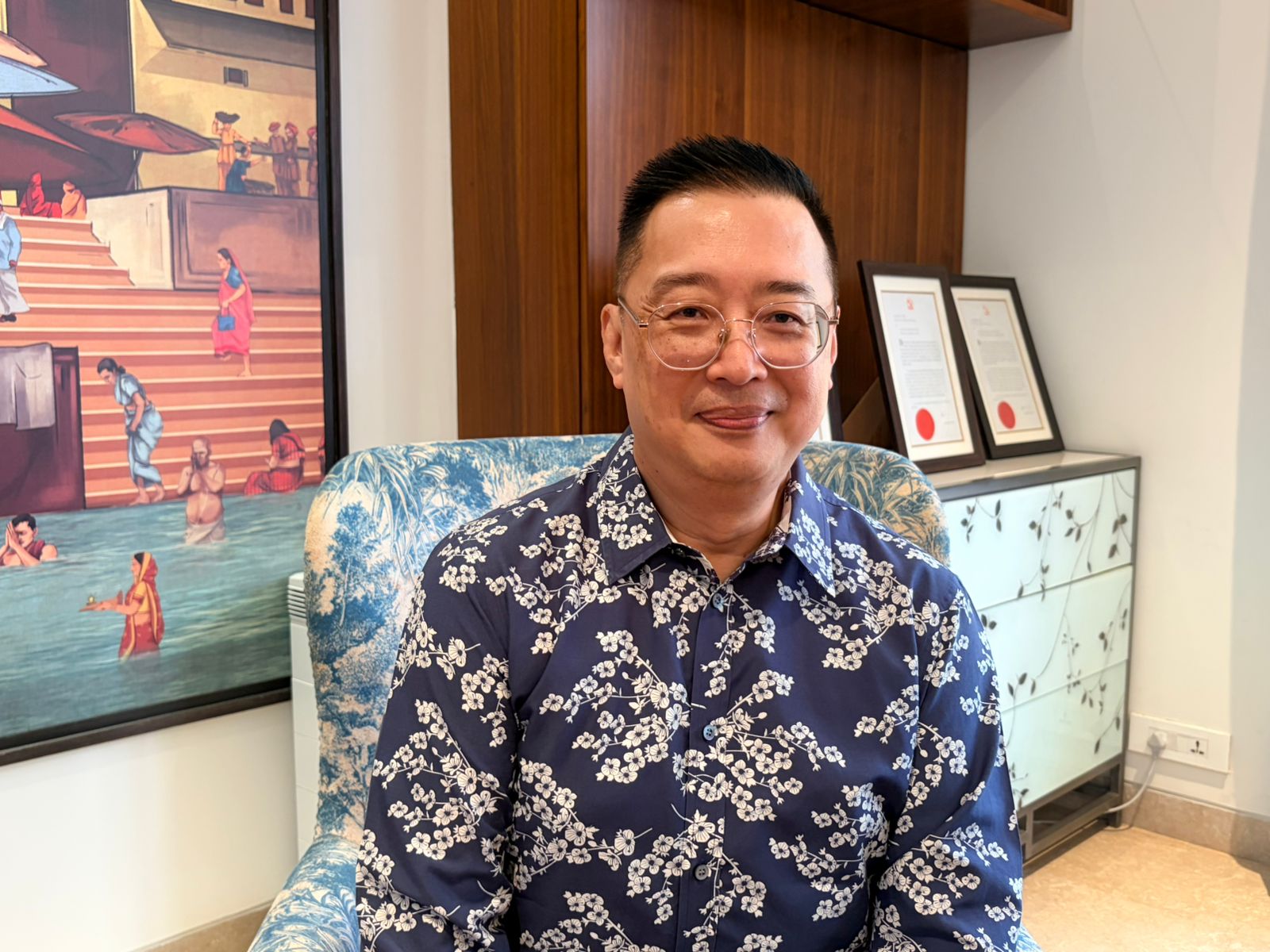
New Delhi [India], April 15 : Calling for strict adherence to international law and freedom of navigation, Singapore's High Commissioner to India, Simon Wong, has voiced strong concern over the ongoing West Asia crisis, warning against blockades and unilateral tolls that could disrupt global trade routes, refering to the power struggle between Iran and US over the Strait of Hormuz.
Speaking in an interview with ANI, the envoy said Singapore is "very troubled" by recent developments, particularly potential blockades and the use of critical maritime routes as strategic leverage.
"We don't like to see big countries do blockades. We don't like to see belligerent countries do blockades because it impedes freedom of navigation and trade routes," he said, adding, "We also don't like the idea of countries imposing tolls unilaterally. We feel this goes against international law."
The remarks come amid heightened tensions in West Asia, including concerns around the strategic Strait of Hormuz and the US imposing restrictions on the maritime movement of vessels to and from Iranian ports.
Describing the broader geopolitical climate as destabilising, the High Commissioner said the world is facing a cascade of crises.
"We just came out of COVID, then the war in Ukraine, and now the Gulf crisis involving the US, Israel and Iran. This has transmitted instability through price shocks, supply shocks, and into people's livelihoods," he noted.
For Singapore, a major global transhipment hub, freedom of navigation is critical.
"We are too small to have the kind of agency larger countries have. Our position is to support international law and ensure that freedom of navigation prevails," he said.
The envoy highlighted that disruptions in key trade routes would inevitably increase global costs. While alternative routes exist, such as rerouting via Africa, they would significantly raise shipping expenses and impact supply chains.
On energy security, he said around half of Singapore's oil and gas imports come from West Asia, though the country benefits from regional suppliers like Brunei, Malaysia, and Indonesia.
Despite limited geopolitical leverage, Singapore is focusing on mitigation and long-term resilience. The High Commissioner pointed to efforts to deepen ties with partners such as India and the European Union, alongside strengthening multilateral frameworks like ASEAN-EU trade cooperation and regional trade partnerships.
"We are looking at how to build supply resilience and ensure that when the crisis is over, we are better prepared," he said.
On the recent diplomatic engagement, Wong said that External Affairs Minister S Jaishankar and his Singaporean counterpart held brief discussions, exchanging views on possible de-escalation pathways. However, he acknowledged that uncertainty remains high.
"Every country wants the situation to end peacefully and quickly, but we are not party to the negotiations. We are all watching developments unfold, sometimes through official statements and sometimes through public messaging," he said.
Notably, while responding to a parliamentary question on April 7, Singaporean Foreign Minister Vivian Balakrishnan said Singapore will not negotiate for safe passage or agree to pay tolls for its vessels, stressing that doing so would undermine established international law.
"It is not a privilege to be granted... it is not a toll to be paid. It is a right of ships to traverse," he said, referring to provisions under the United Nations Convention on the Law of the Sea.
Citing Article 44 of UNCLOS, the minister underlined that states bordering international straits "shall not hamper transit passage" and that there can be "no suspension" of this right, without exceptions for security, environmental concerns, or even war.
Highlighting the strategic importance of maritime routes, he noted that the Straits of Malacca and Singapore handle even greater volumes of global oil and container trade than Hormuz, despite being significantly narrower at certain points.
"I engaged the Iranian Foreign Minister before the war. And yes, I am sure I will engage him in the near future - but as a matter of principle, and not because we are taking sides, I cannot engage in negotiations for safe passage of ships or negotiate on toll rates because to do so would be implicitly eroding this legal principle. So again, this is another example of Singapore upholding principle, not taking sides", said the Foreign Minister.