Dr. Abhishek Manu Singhvi Calls for Radical Reform to Address the Pendency Crisis
Mar 17, 2026
VMPL
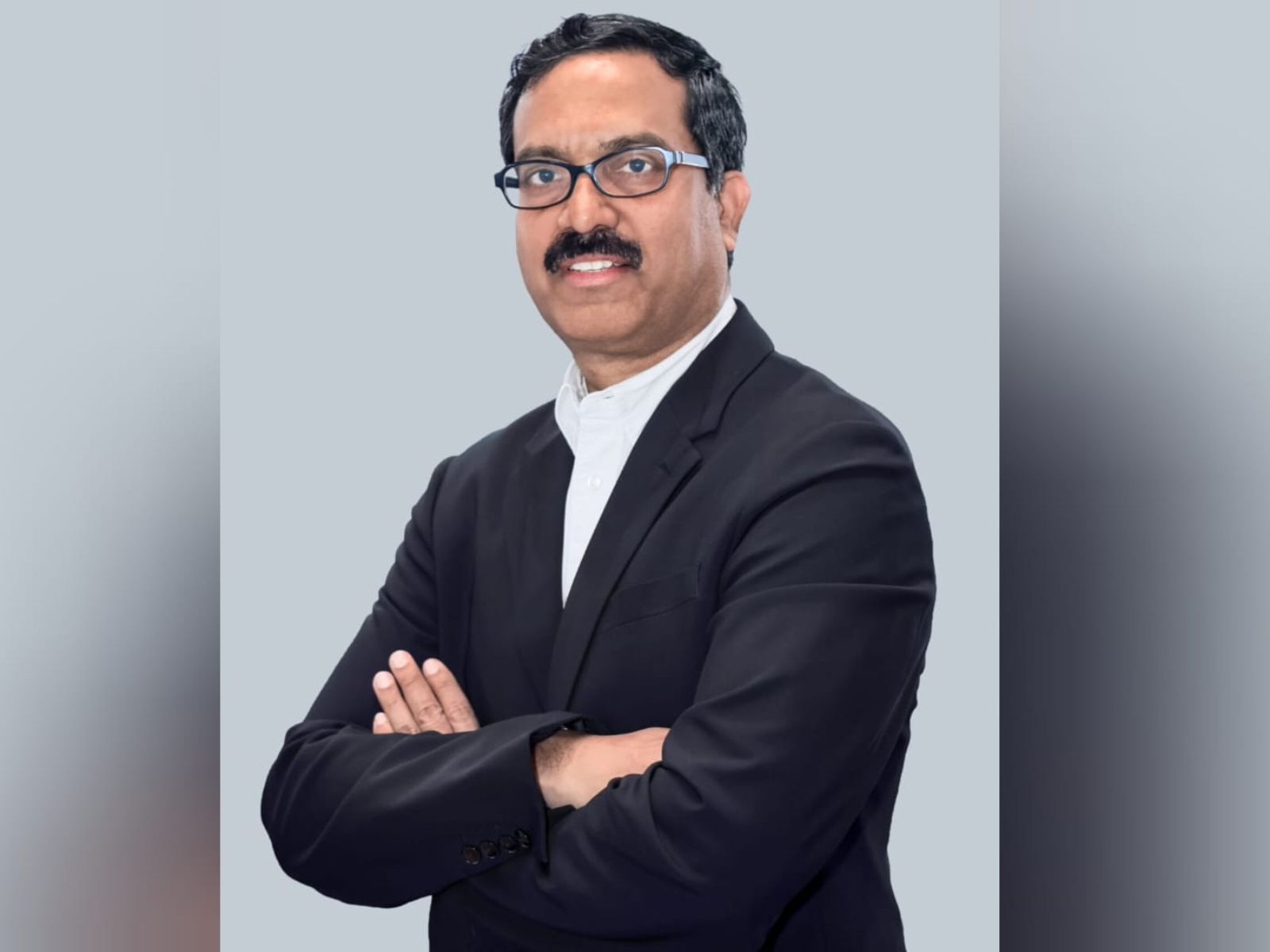
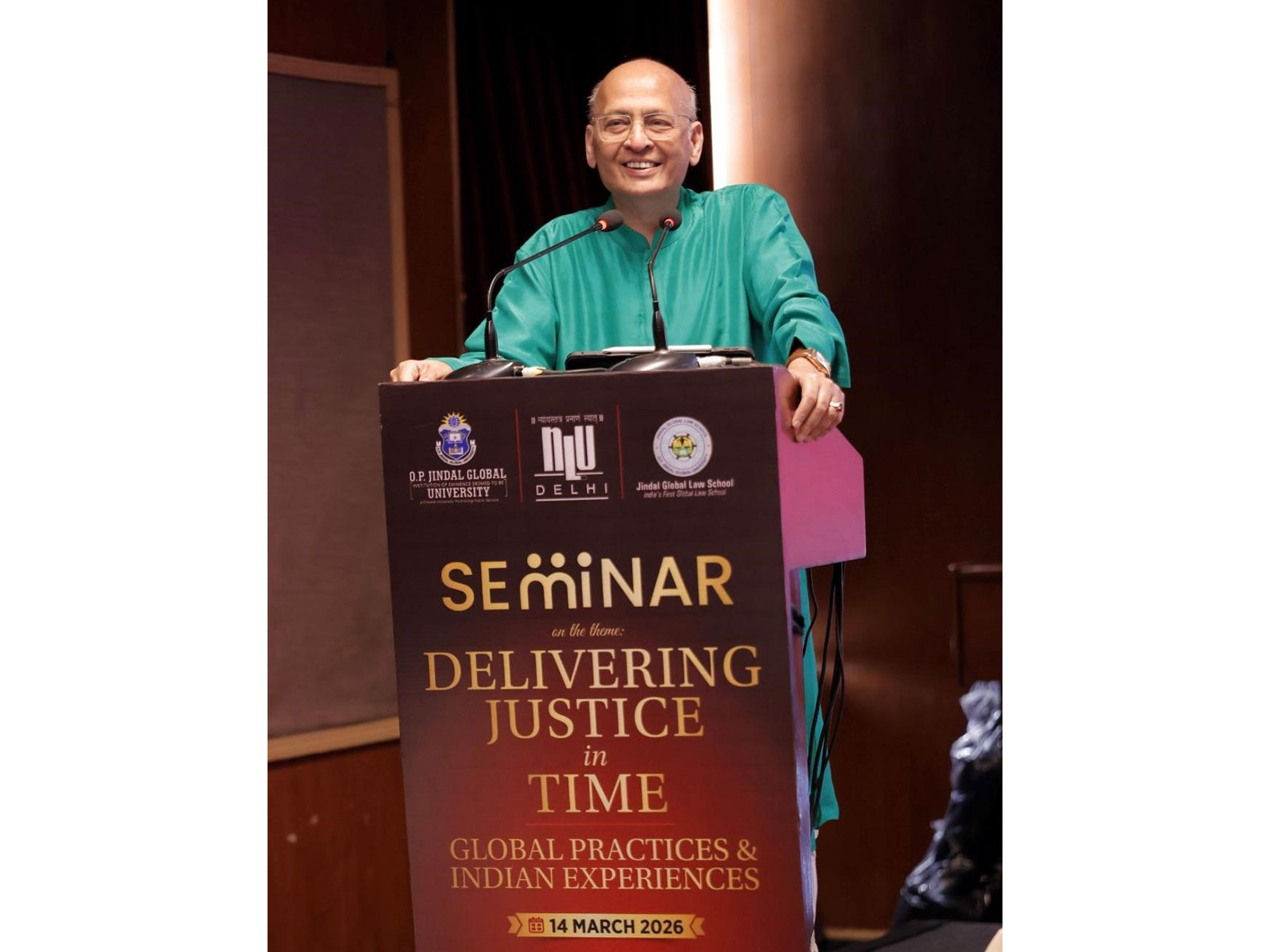
New Delhi [India], March 17: At the inaugural session of the seminar on "Delivering Justice in Time: Global Practices and Indian Experiences", jointly organised by O.P. Jindal Global University and the National Law University Delhi, Dr. Abhishek M. Singhvi, Senior Advocate, Supreme Court of India & Member of Parliament, while delivering the keynote address critiqued the high number of pendency of cases in the Indian Judiciary.
"It's really a paradox that India, which has had the highest flights of jurisprudential excellence, the most sophisticated and nuanced doctrines of law, the most avant-garde concepts, the best and brightest in law both in the bar and at the bench with vibrant, pulsating new doctrines like the basic structure of the Indian constitution, where even a constitutional amendment can be unconstitutional, PILs and the concept of judicial review, we have the scourge of backlog of cases and legal pendency. Today we have near-abouts 4.7 to 5.5 crores cases in current arrears," Dr Singhvi said.
"It is important to observe that 54% of all the pendency cases - and this is a figure from 2019 - were in five High Courts: UP, Punjab, Madras, Bombay and Rajasthan. We have reached a stage where we must concentrate, calibrate, and focus. As these figures vary, it has been seen that criminal matters constitute the overwhelming bulk. Many commissions have been appointed but we need radical and innovative steps to apply to arrears, pendency and backlog than to any other field," he said. "At any point of time in our roughly 80-year-old history, one third of all High Court sanctioned posts and one fourth of the total district or lower judiciary posts remain vacant! We need new policy which is consistently implemented over a period of 5-7 years to see the results. To deal with the ABCD - the Access, Backlog, Cost and Delay issues - arising, the first is an obvious solution: appoint more judges."
Dr Singhvi further elaborated and said, "You need to subject each court to a statistical analysis. Today we have the latest tools, latest tracks and methodologies. We must therefore insist on having multiple tracks in each court from the lowest district court, the lowest civil court to the High Courts. It's extremely easy today to give that statistical profile only on three fronts: dependency of time, category of matter and other subcategories. Apply management techniques to keep abreast of current filings, for example, within a period of three to five months and separate tracks to deal with the old cases above 10 years and hopefully above 5 and 10 years. Have a holistic, curative and a preventive approach and be bold and unconventional. And last but not the least, bring about an attitudinal change."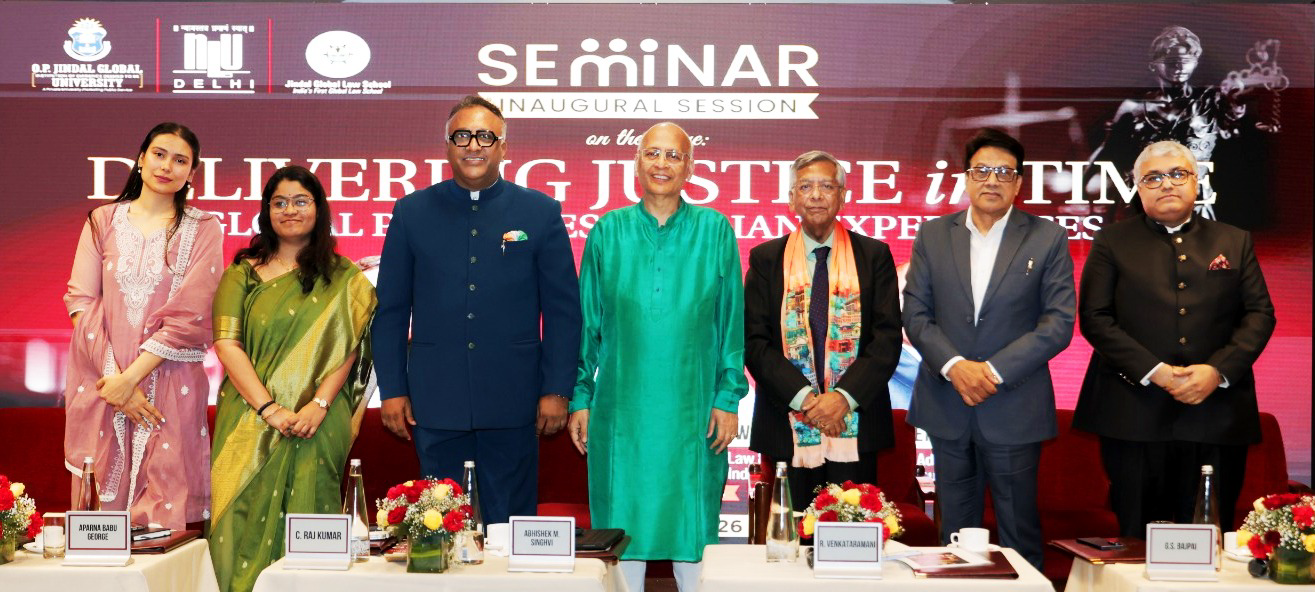
Regarding the vacancies on the bench, Dr. Singhvi asked why we do not appoint ad-hoc judges. "It is astonishing that a constitutional amendment which allows ad-hoc judges to be appointed has never been used in the High Court, perhaps with one or two exceptions," he said. "In appointing ad-hoc judges to fill vacancies, you are using tried, tested and incumbent people. Furthermore, you get experienced and qualified retired judges who will be happy to be of service. At the same time, 62 is no retirement age in India even by medical science or global standards."
Focusing on practical solutions, Dr Singhvi further added, "We are now blessed with the latest state-of-the-art Mediation Act in 2023. Mediation is the intermediate way of solving the problem, because we have this remarkable success of Lok Adalats. By my count in 2023, more than 20 crore cases were settled by Lok Adalats, though unfortunately it is limited to category like land acquisition to motor accidents etc. The ideal is for another category of petty civil and criminal offense which can be added to Lok Adalats. This can prevent the clogging of the justice system."
"The other big failure is arbitration," Dr Singhvi elucidated. "It was originally created as a bypass to prevent the clogging of legal arteries. Today, arbitration has become pre-litigation litigation! It is nothing but adding another limb to litigation. The need of the hour is mediation of conciliation. The Chief Justice of India recently gave a startling statistic: that India has only 13,000 trained mediators! We need 2.5 lakh mediators and he has himself started the process of identifying 1.68 crores mediators in the next 10 years which is a very welcome development. In the criminal justice system, given our prison population which is highest in the world, the percentage of undertrials is also highest. Many have served half of their maximum sentence and most of them are afflicted by one big crime: poverty. We must now start experimenting with the anklet system for certain kinds of crime. Given the technology available today, it allows an undertrial to be confined to a specific place with accuracy. There is no point shunting people who are undertrials into jail for years with no chance of redressal. Additionally, in the criminal justice system we need to strengthen the human infrastructure. A recent study has found that that one out of four justice system workers are missing. The justice system work includes the criminal hearing judge, the police and the prison staff. We need to ensure that people who are operating to deliver that justice are available as currently there are more than more than a third vacancies for supervisory staff. We need to have our entire thinking and thought process to change for what Mahatma Gandhi called the common man."
Prof. (Dr.) C. Raj Kumar, Founding Vice Chancellor, O.P. Jindal Global University, lauded the incisive discourse by Dr. Abhishek Manu Singhvi and said, "We are grateful to Dr. Singhvi for his perceptive and insightful address which has given us all great solutions for an issue which is being faced by the judicial services. His ideas have laid a strong intellectual foundation and highlighted the urgent need to address judicial delays while preserving fairness, legitimacy and public confidence in the rule of law. They call for meaningful reform which requires institutional leadership, data-driven governance, technological innovation and sustained collaboration across the justice ecosystem."
(ADVERTORIAL DISCLAIMER: The above press release has been provided by VMPL. ANI will not be responsible in any way for the content of the same.)