EAM Jaishankar flags supply chain risks at Critical Minerals Ministerial in US, backs global cooperation
Feb 04, 2026
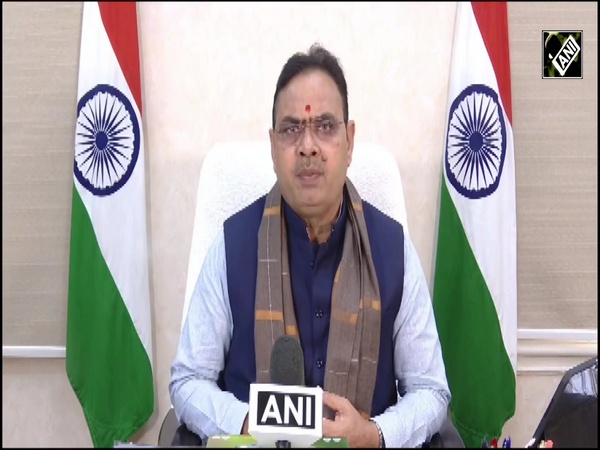
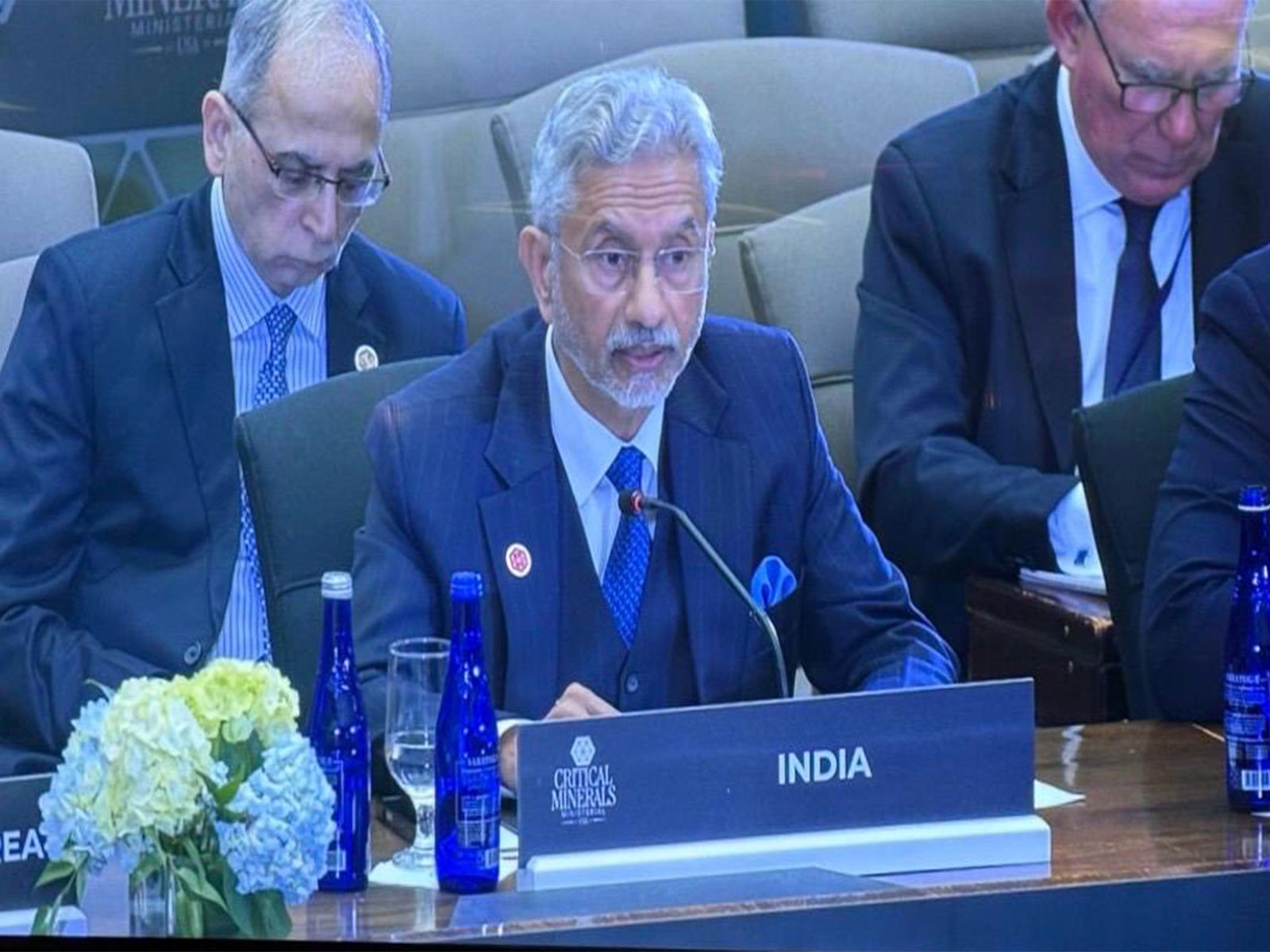
Washington, DC [US], February 4 : External Affairs Minister S Jaishankar on Wednesday said "excessive concentration" in critical mineral supply chains poses a major global risk and called for structured international cooperation to "de-risk" them, as India deepens engagement with the US-led framework on strategic minerals.
In a post shared on X, Jaishankar said, "Spoke at the Critical Minerals Ministerial in Washington DC today. Underlined challenges of excessive concentration and the importance of de-risking supply chains through structured international cooperation. Highlighted India's efforts towards greater resilience through initiatives including National Critical Minerals Mission, Rare Earth Corridors and responsible commerce. Conveyed India's support to the FORGE initiative on critical minerals."
https://x.com/drsjaishankar/status/2019072904391168020/
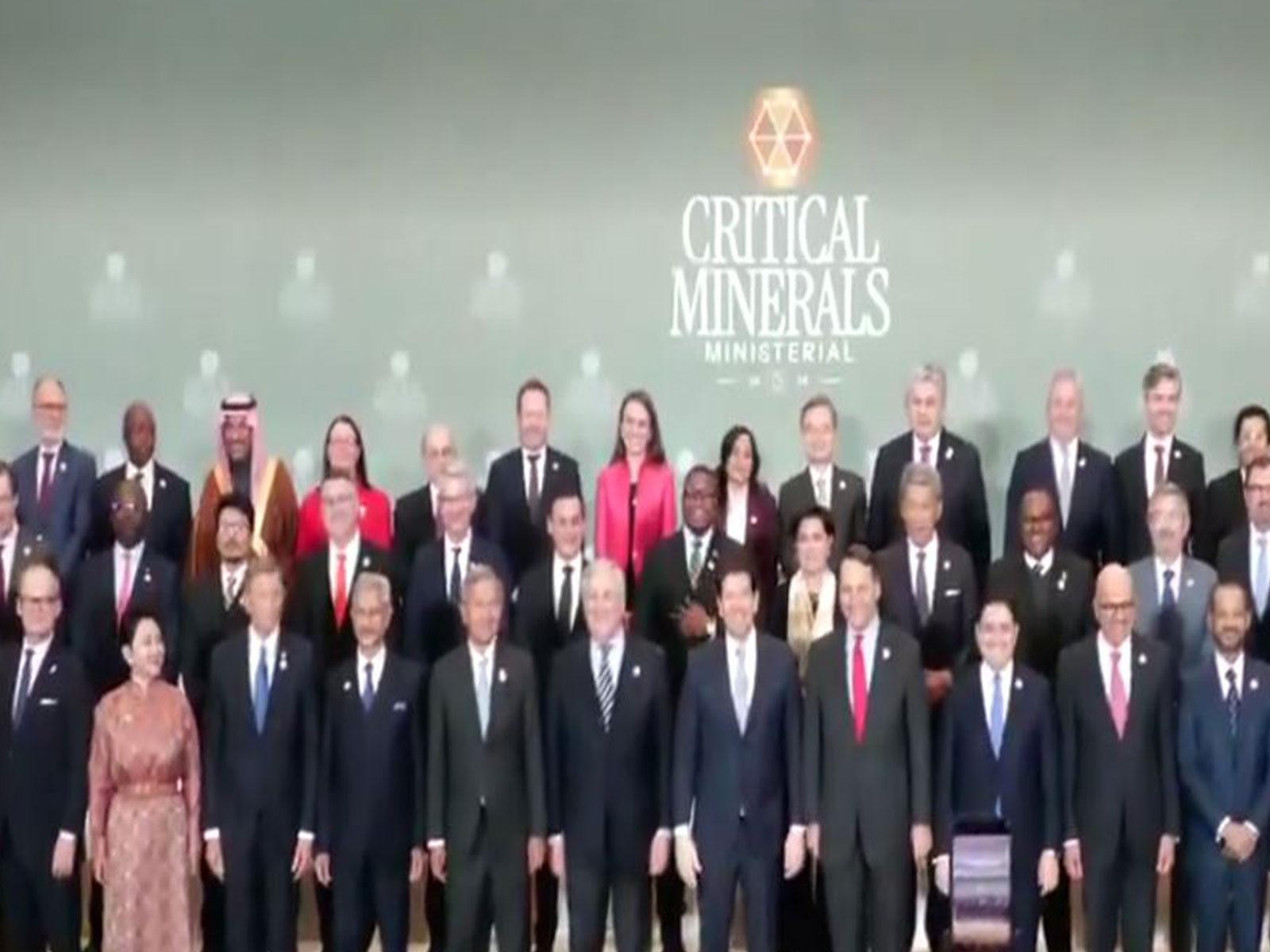
The United States is hosting the inaugural Critical Minerals Ministerial in Washington DC, bringing together delegations from over 50 countries to advance collaboration on securing and diversifying global critical mineral supply chains.
Jaishankar's remarks come as India's engagement in the US-led critical minerals dialogue marks a decisive shift from strategic intent to industrial execution. The announcement of dedicated rare earth corridors in India's 2026 Budget is a particularly important signal, as it reflects a move beyond resource security toward building domestic processing, separation, magnet manufacturing, and downstream capabilities.
For rare earths specifically, this is critical if India is to reduce long-term reliance on China and position itself as a credible alternative supply partner for allied economies, according to Neha Mukherjee, Research Manager at Benchmark Mineral Intelligence.
As per Mukherjee, the US President's announcement of a USD 12 billion strategic critical minerals stockpile, alongside discussions around India potentially joining frameworks such as the Pax Silica coalition, highlights a growing convergence between Indian and US priorities. The US government has announced investment in the rare earth value chain worth USD 3.8 billion. This highlights India's efforts not just in mining, but in supply chain resilience, stockpiling, and industrial policy coordination.
For India, this moment presents an opportunity to leverage its strengths across mining, engineering, chemicals, and manufacturing to play a larger role in global critical mineral value chains. While rare earths remain a central focus, particularly for magnets used in electric vehicles, wind power, and defence. The next wave of strategic interest will increasingly extend into semiconductors and minor metals. These are among the most opaque and China-dependent supply chains globally, yet they underpin everything from electronics and defence systems to clean energy technologies, said Mukherjee.
In that context, India's growing participation in critical mineral partnerships is both timely and necessary. It reflects a recognition that future competitiveness will depend not just on access to raw materials, but on trusted processing capacity, allied supply chains, and the ability to scale manufacturing at speed. The current set of initiatives could mark the foundation for India's emergence as a key node in the global critical minerals and advanced materials ecosystem over the coming decade, Mukherjee added.
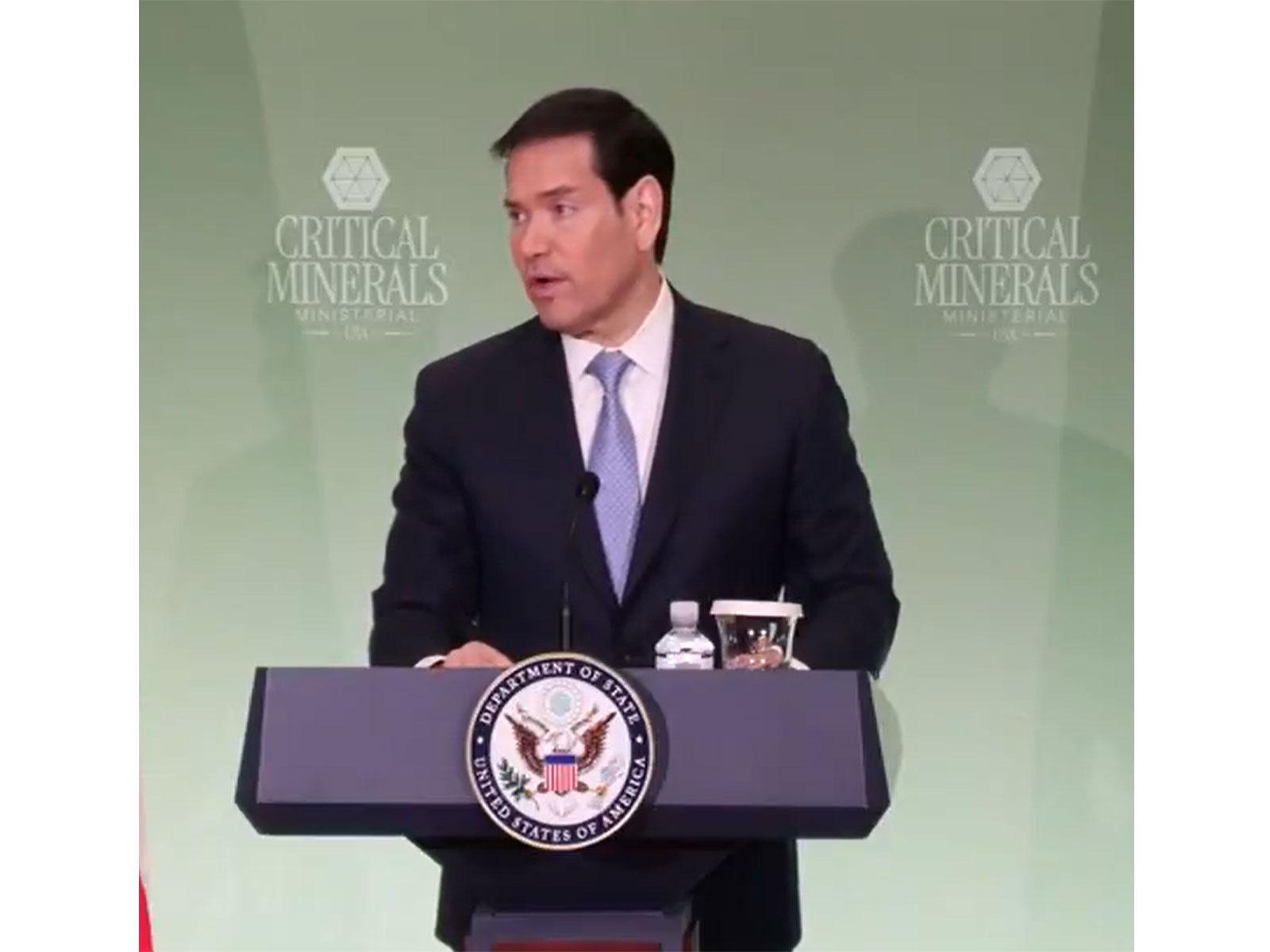
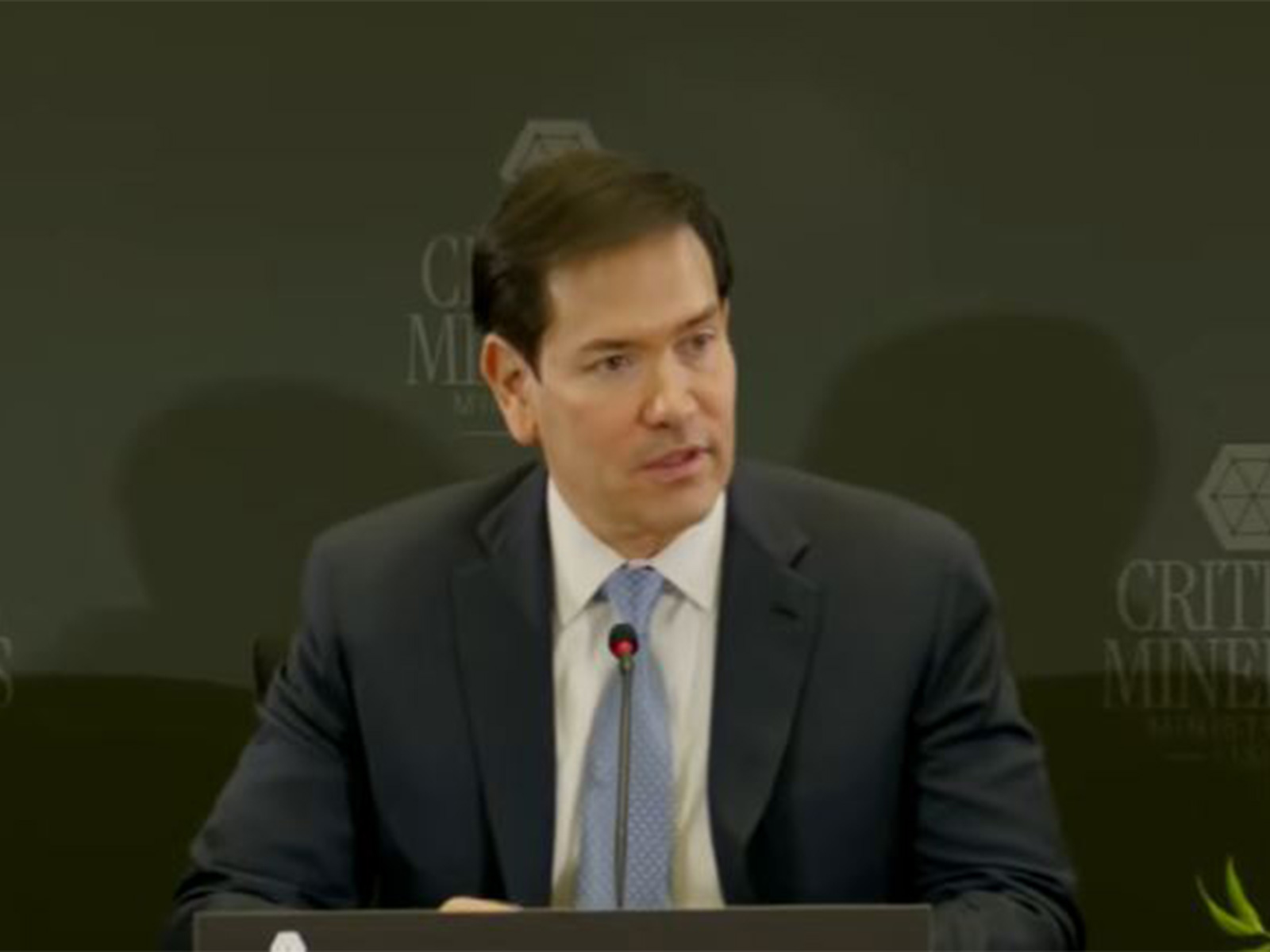
Earlier in the day, US Secretary of State Marco Rubio highlighted the importance of economic security through critical minerals and the need for allies to come together not only to rectify the mistakes of the past but to pool in collective talent and innovation to ensure diversity and affordability in supply chains. He made the remarks during the inaugural Critical Minerals Ministerial being hosted by the United States.
Rubio said, "We are gathered here today as the first step to rectify the mistake, bring together our collective talent and innovation". The US Secretary of State underlined how mining came to be seen as unglamorous with respect to designing computers.
"As we embraced what was new and glamorous, we outsourced what seemed old and unfashionable... and one day we realised we had outsourced our economic security and our very future. We were at the mercy of whoever controlled the supply chains for these minerals"
He called it an international situation that needs multilateral solutions. Rubio highlighted the importance of critical minerals and said, "They power our infrastructure, our industry and our national defence. Our goal is to have a global supply chain which is enduring and available to everyone, every nation at an affordable price. That is the top priority for this administration".
He spoke about the importance to critical minerals in US domestic policy, noting President Trump's stance of economic security being national security. He recalled the Pax Silica partnership launched by the US last year. He mentioned how the discovery of critical minerals in 1949 helped usher in the jet age, space age and the computer age.
Rubio recalled the meeting by Henry Kissinger fifty years ago, when the world was churning under a global crisis of energy supplies and market disruptions, and "access to oil became a tool of political pressure".
He said, "Today we return 50 years later in the hopes of enhancing the bilateral critical minerals framework agreement to the same end on that front".
He highlighted the diverse roles which the countries gathered can play- from exercising purchasing power by being consumers to refining minerals if they do not have access to them "to build a more resilient and diverse global market".
Rubio said that while the initiative started with the United States, he called for it to be an international global initiative where like-minded countries see a diverse supply of critical minerals and secure and resilient supply chains across the world for the economies to prosper, "without having these leveraged against us or any disruption that would undermine collective economic security".