Eggs remain most affordable source of complete protein, say nutrition experts as West Bengal changes mid-day meals
Jun 28, 2026
New Delhi [India], June 28 : Amid the debate over the possible replacement of eggs with paneer and soybean in the West Bengal mid-day meal scheme at government and aided schools, nutrition experts have said that while paneer and soy are viable alternatives, eggs remain one of the most affordable and nutritionally complete sources of protein for growing children.
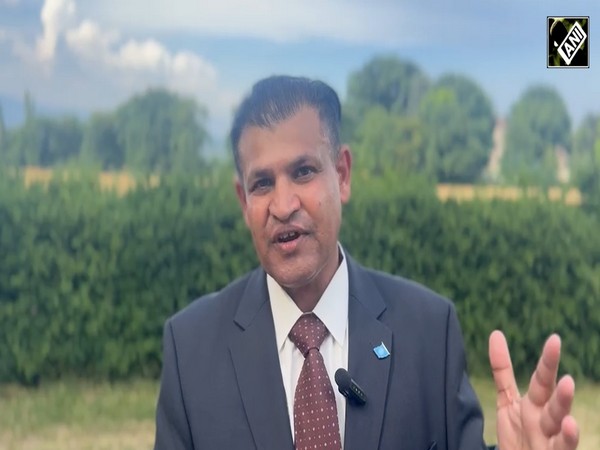
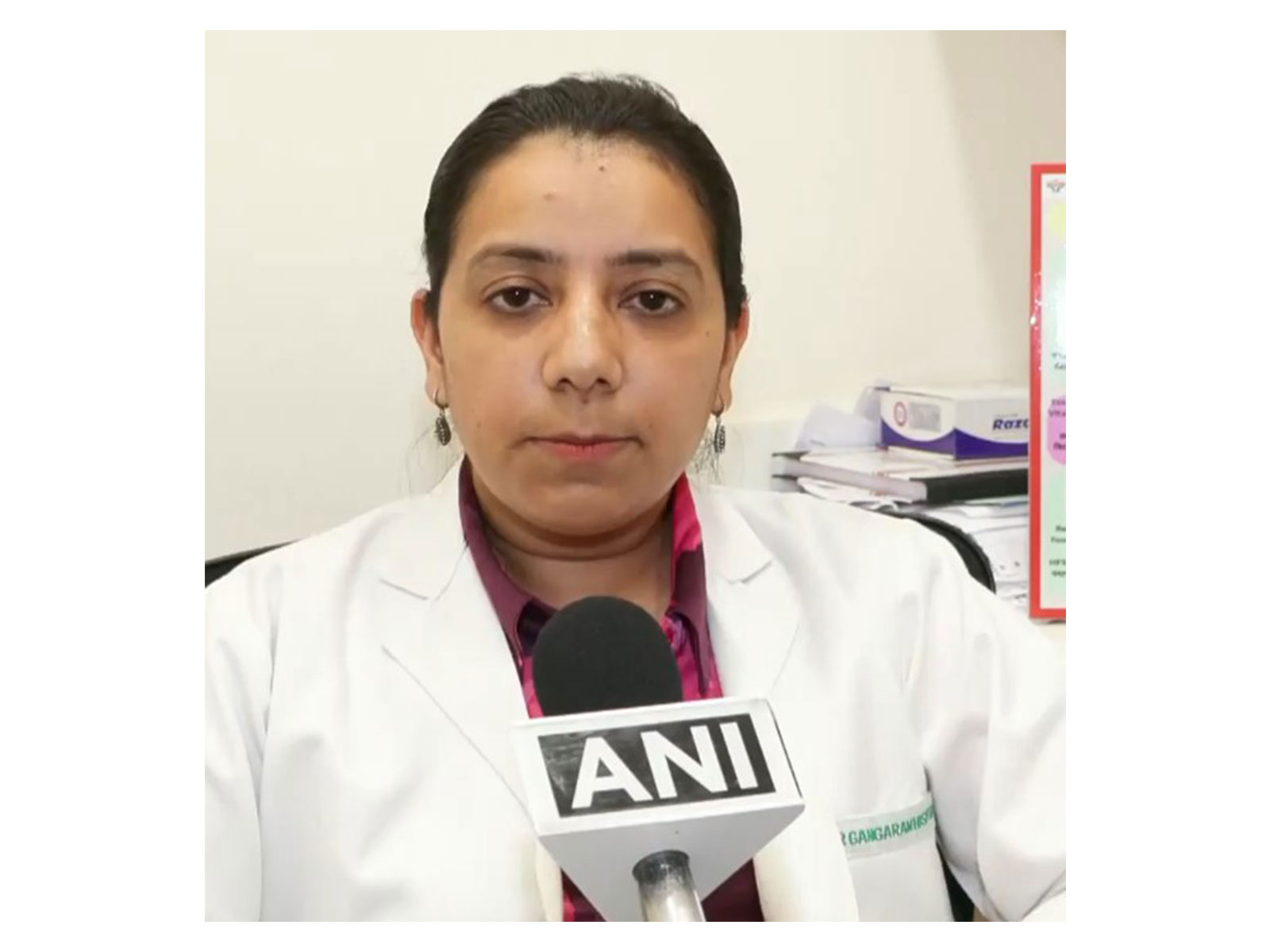
Speaking to ANI, Senior Dietitian in the Department of Nutrition and Dietetics at Delhi's Sir Ganga Ram Hospital, Dr Fareha Shanam, said eggs and dairy products are superior sources of protein because they contain all nine essential amino acids required by the human body.
"When it comes to protein, eggs, paneer, tofu, sprouts, moong and various lentils are excellent sources. However, eggs and dairy products such as milk, yoghurt and paneer are considered superior sources because they contain all nine essential amino acids, making them complete proteins with high biological value for human digestion," she said.
She noted that while plant-based sources such as lentils, sprouts, moong and chickpeas are nutritious, they generally do not provide complete protein unless consumed in the right combinations.
"Most plant-based sources like lentils, sprouts, moong and chickpeas do not always provide complete protein on their own, as they may lack one or more of the nine essential amino acids. Therefore, they are not always considered complete proteins unless combined properly," she added.
Dr Shanam said there was no nutritional harm in replacing eggs with paneer but highlighted affordability and ease of consumption as important factors in school nutrition programmes.
"While there is no harm in substituting eggs with paneer, cost is a major factor in India. Paneer is more expensive than eggs, and eggs are also easier for children to consume compared to sprouts, soy or paneer. Although lentils are rich in fibre and dairy products like paneer are high in calcium, considering the cost factor, eggs stand out as an excellent and affordable source of protein," she said.
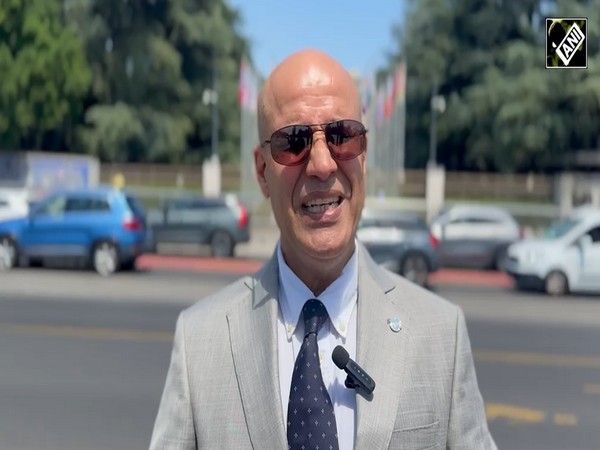
Echoing similar views, diet doctor Dr Sunit Khanna said the debate should focus on children's nutritional needs while respecting the religious beliefs of organisations such as ISKCON and the Jain community, which follow lifelong vegetarianism.
"The decision to replace eggs with soya and paneer in schools where ISKCON provides mid-day meals has sparked debate. It is important to remember that organisations such as ISKCON and the Jain community follow a lifelong commitment to vegetarianism, rooted in their faith and the principle of non-violence. Their beliefs deserve respect from a nutritional point of view," he said.
Dr Khanna described eggs as one of nature's finest foods, citing their high-quality protein and essential nutrients, including vitamin B12, choline, vitamin D and iron.
"Among vegetarian alternatives, soya (tofu) is a closer substitute because it is also a complete protein. Paneer is another excellent source of protein and calcium, while vegetables are an invaluable source of vitamins, minerals, fibre and antioxidants, but they cannot replace eggs or soya as major protein sources," he said.
He added that if eggs are replaced in school meals, the alternatives should be nutritionally equivalent.
"Ultimately, the discussion should not be about ideology, but about the health of our children. If eggs are replaced, the alternative must be nutritionally equivalent, using adequate quantities of soya, paneer, pulses and dairy. Every child deserves a wholesome, balanced meal that supports healthy growth," he said.
Amid the controversy of reportedly replacing eggs with soybeans and paneer, ISKCON Vice President Radharaman Das has dismissed the reports and clarified that no final decision had been taken regarding the menu.
"It has come to my notice that some people are sharing the following proposed menu for the midday meal in Kolkata. However, I would like to clarify that no such menu has been finalised, and this list has not been issued by us. Once the menu is finalised, we will make an official announcement. Kindly refrain from sharing this incorrect information," Das said in a post on X.
According to the Ministry of Education, the PM POSHAN (Pradhan Mantri Poshan Shakti Nirman) scheme provides hot cooked meals to children studying in Balvatika and Classes one to eight in government and government-aided schools. Under the scheme, states and Union Territories are encouraged to decide menus suitable to local conditions while adhering to prescribed nutritional norms.
The Centre has also issued detailed guidelines on quality, safety and hygiene, including the use of quality-certified ingredients, training of cooks, and mandatory tasting of meals by school management committee members and teachers before they are served to children. The overall responsibility for implementing the scheme and providing nutritious meals rests with the respective state governments and Union Territory administrations.