Eid travel turns exploitative as Pakistan fails to regulate soaring fares
Mar 20, 2026
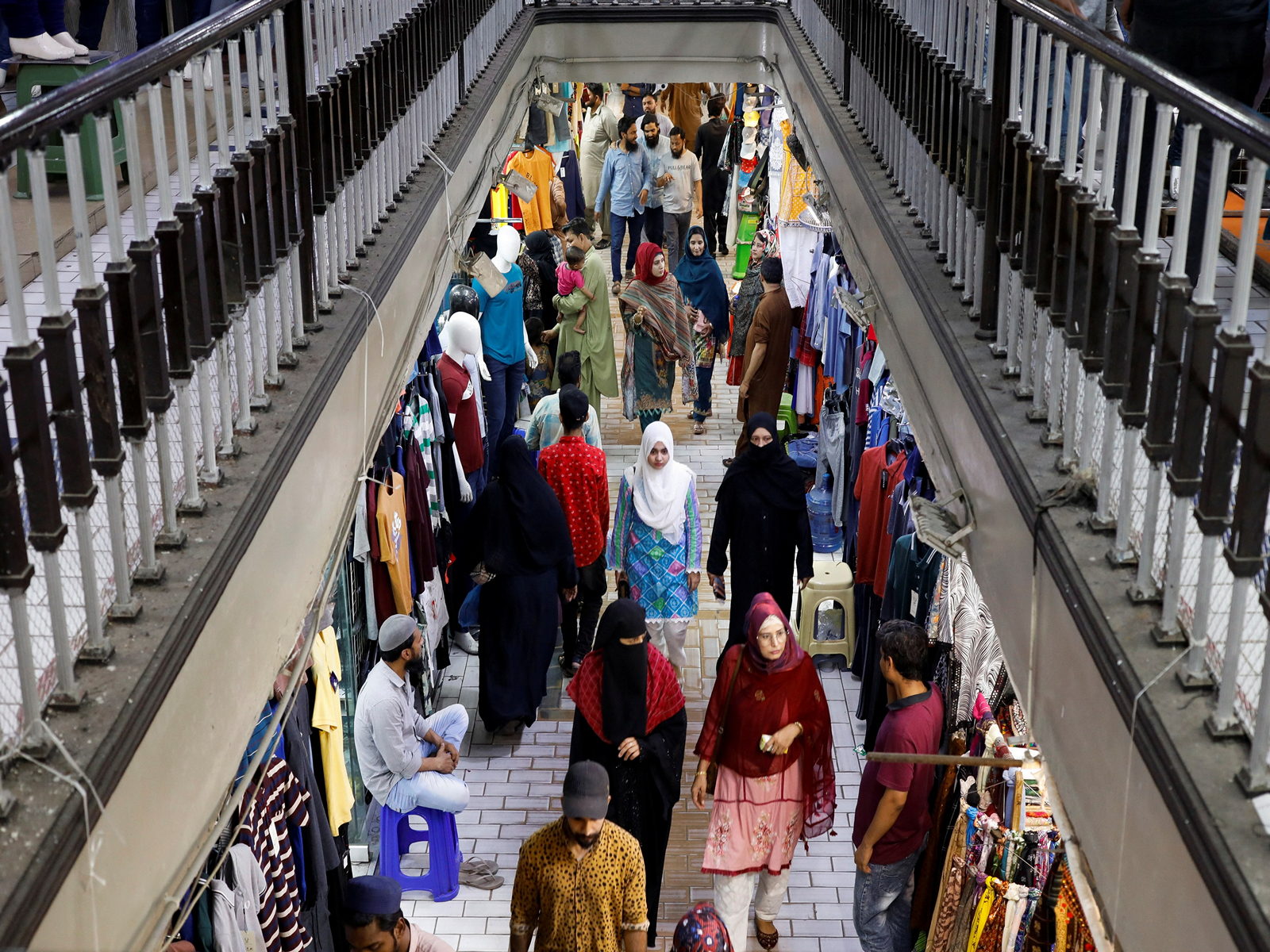
Lahore [Pakistan], March 20 : As the Eid-ul-Fitr travel season peaks across Pakistan, thousands of commuters are facing a harsh reality, as the journey has become increasingly unaffordable, exposing regulatory failures and unchecked profiteering by transport operators. Passengers across major cities are struggling with inflated fares during one of the busiest travel periods of the year, as reported by The Express Tribune.
According to The Express Tribune, bus terminals in Lahore, Rawalpindi, and other urban hubs are witnessing massive crowds as families, students, and workers rush to return to their hometowns.
However, the festive spirit has been overshadowed by widespread complaints of overcharging, with many passengers alleging they are being forced to pay far beyond officially approved fares.
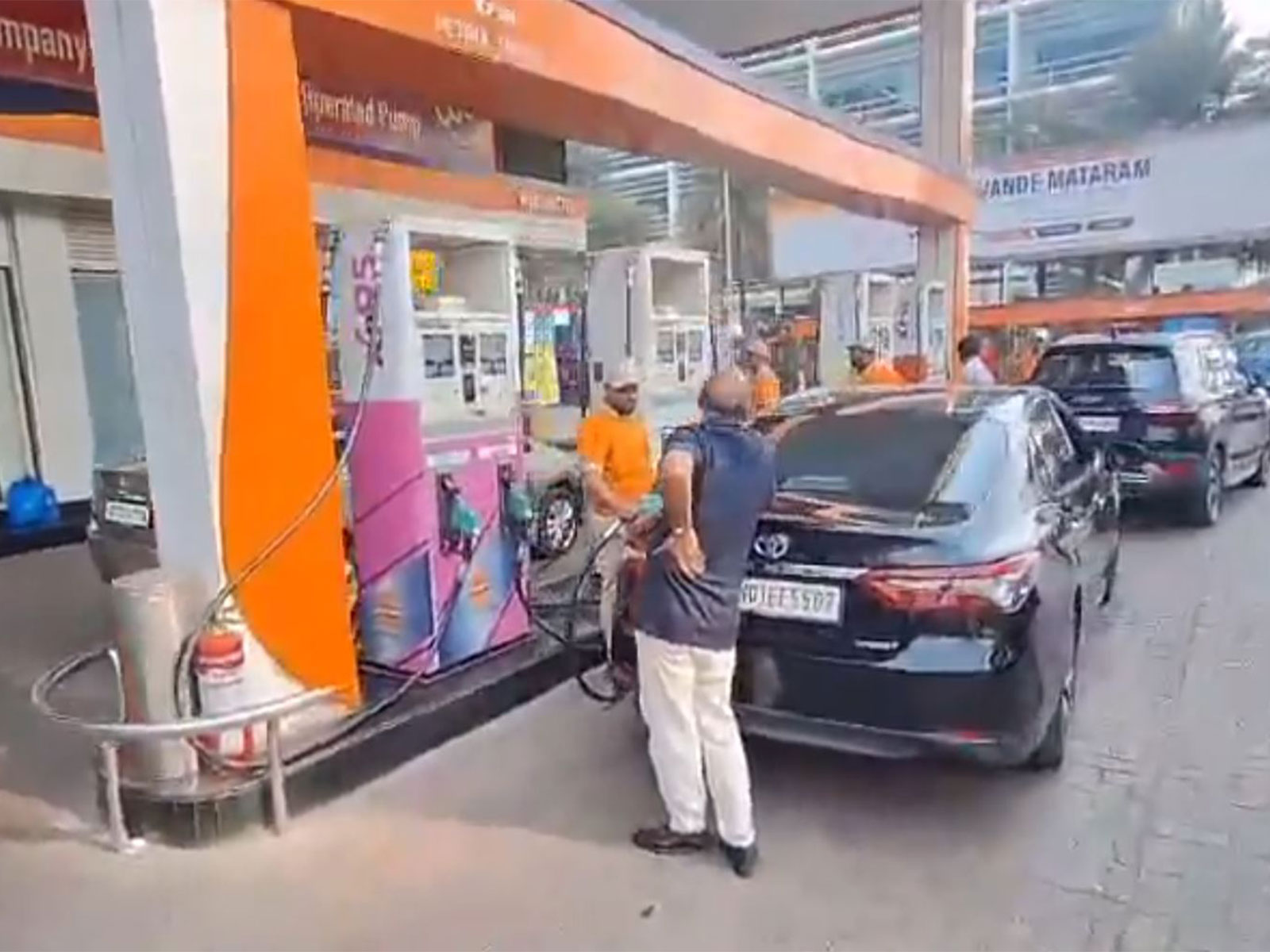
The situation has been exacerbated by a sharp increase in fuel prices earlier this month. The government raised petrol and high-speed diesel rates by nearly PKR 55 per litre, pushing petrol prices beyond PKR 320 per litre. This surge, driven by global oil market volatility amid West Asia tensions, has significantly raised transportation costs, giving operators an excuse to shift the burden onto already strained commuters.
Following the fuel hike, transporters raised fares by 20-25% across several routes, with intercity tickets jumping by PKR 300 to PKR 600, depending on distance.
On high-demand Eid routes, last-minute travellers have reported even steeper increases. Passengers also complain of the ticket black market, overcrowding, and a lack of proper checks at bus terminals.
Transporters, on their part, justify the fare hikes by pointing to rising diesel costs, maintenance expenses, and broader inflationary pressures. However, critics argue that weak enforcement enables operators to exploit seasonal demand without accountability, as cited by The Express Tribune.
In response to mounting complaints, Punjab Chief Minister Maryam Nawaz has ordered a province-wide crackdown, directing authorities to take strict legal action against violators and ensure adherence to official fare limits.
Despite these directives, enforcement remains inconsistent, and many passengers continue to face overcharging, particularly on busy routes where demand far exceeds supply, as reported by The Express Tribune.