EU looks to India as fourth pillar amid global uncertainty: Foreign Affairs expert Robinder Sachdev
Jan 17, 2026
New Delhi [India], January 17 : The visit of the European Commission and the European Union leadership to India for the Republic Day Parade is being seen as a strategic signal that goes well beyond the proposed India-EU Free Trade Agreement (FTA).
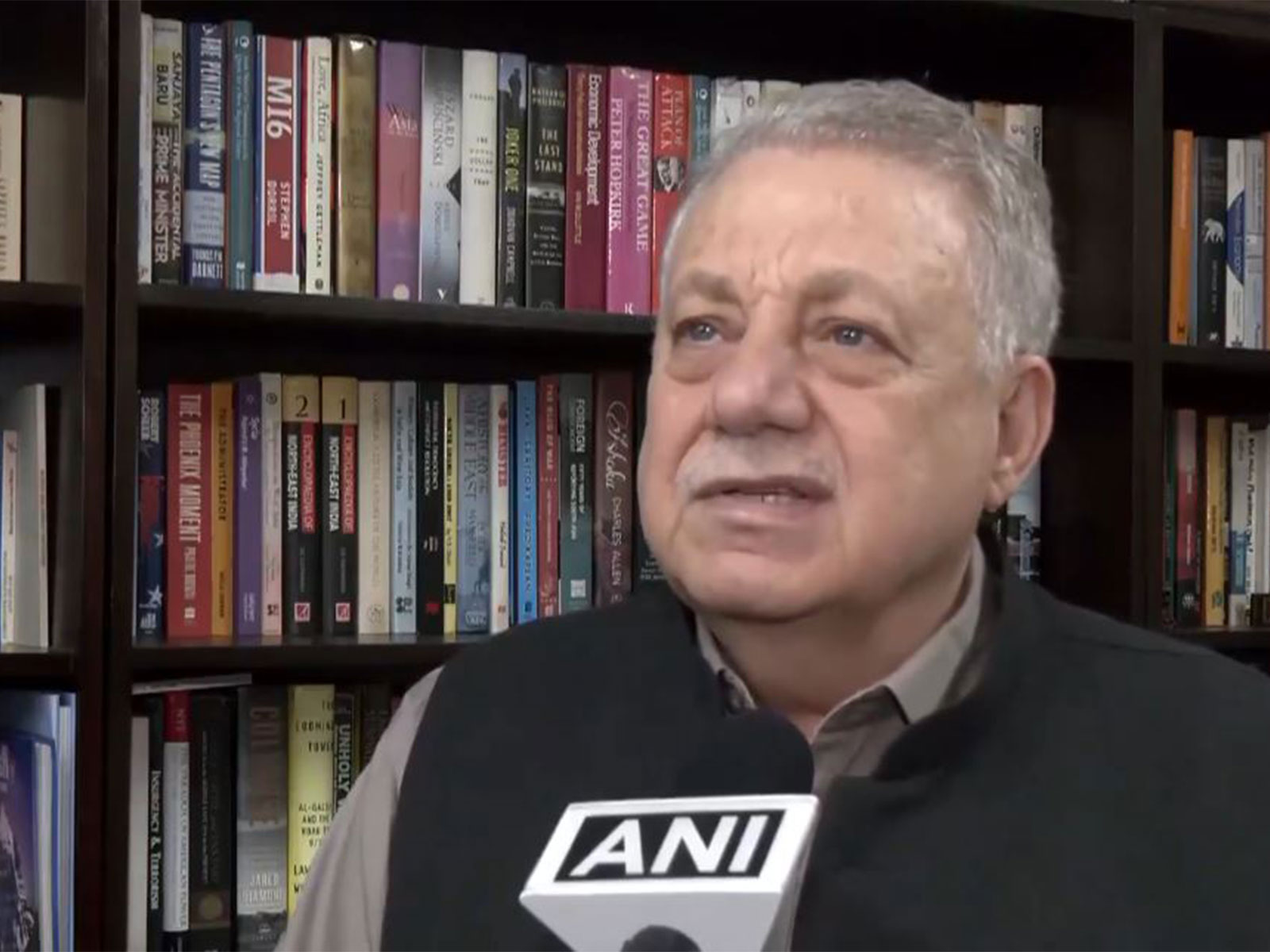
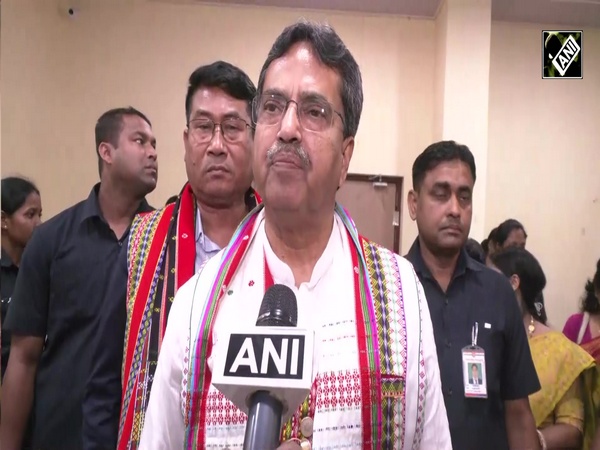
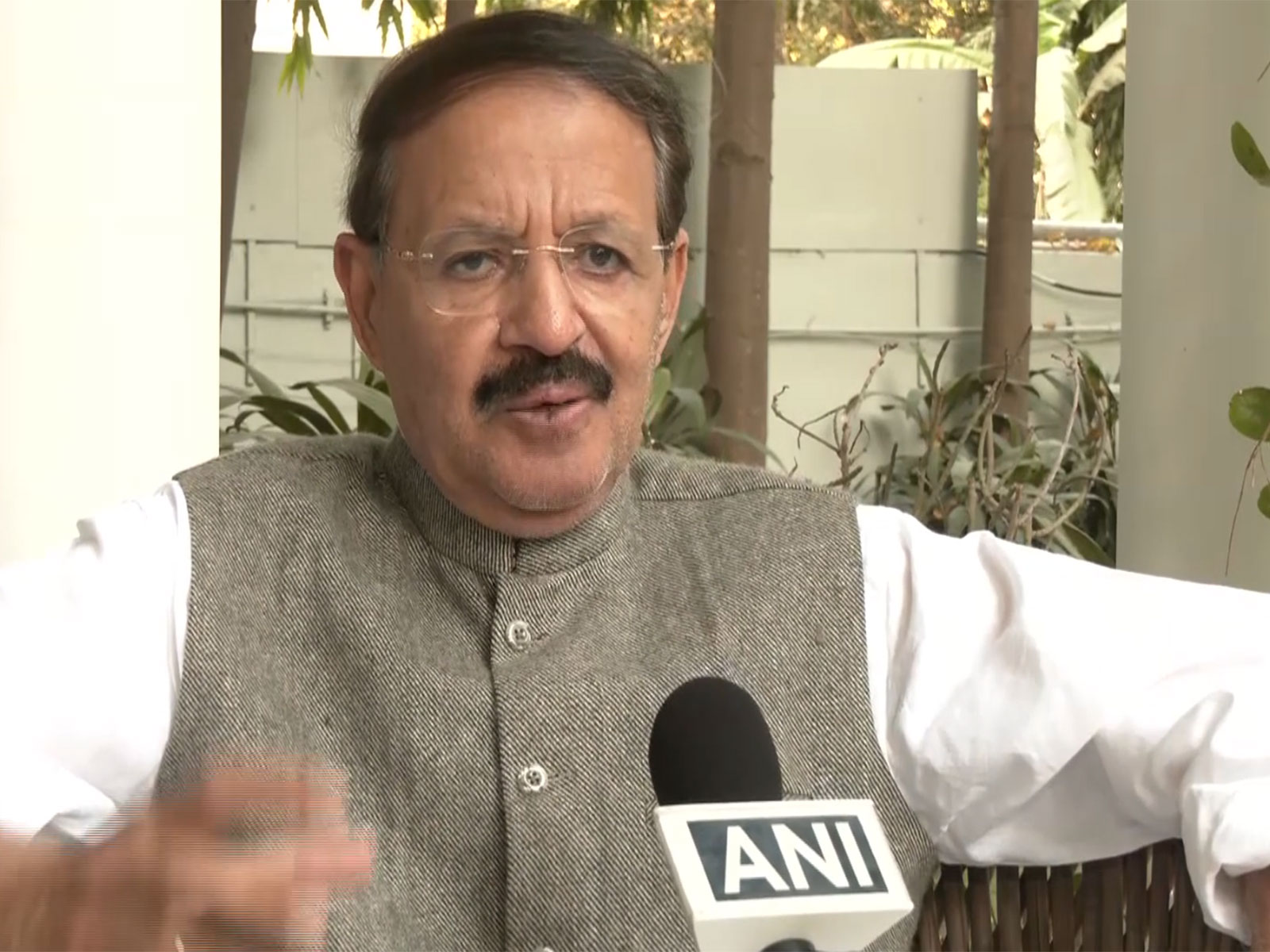
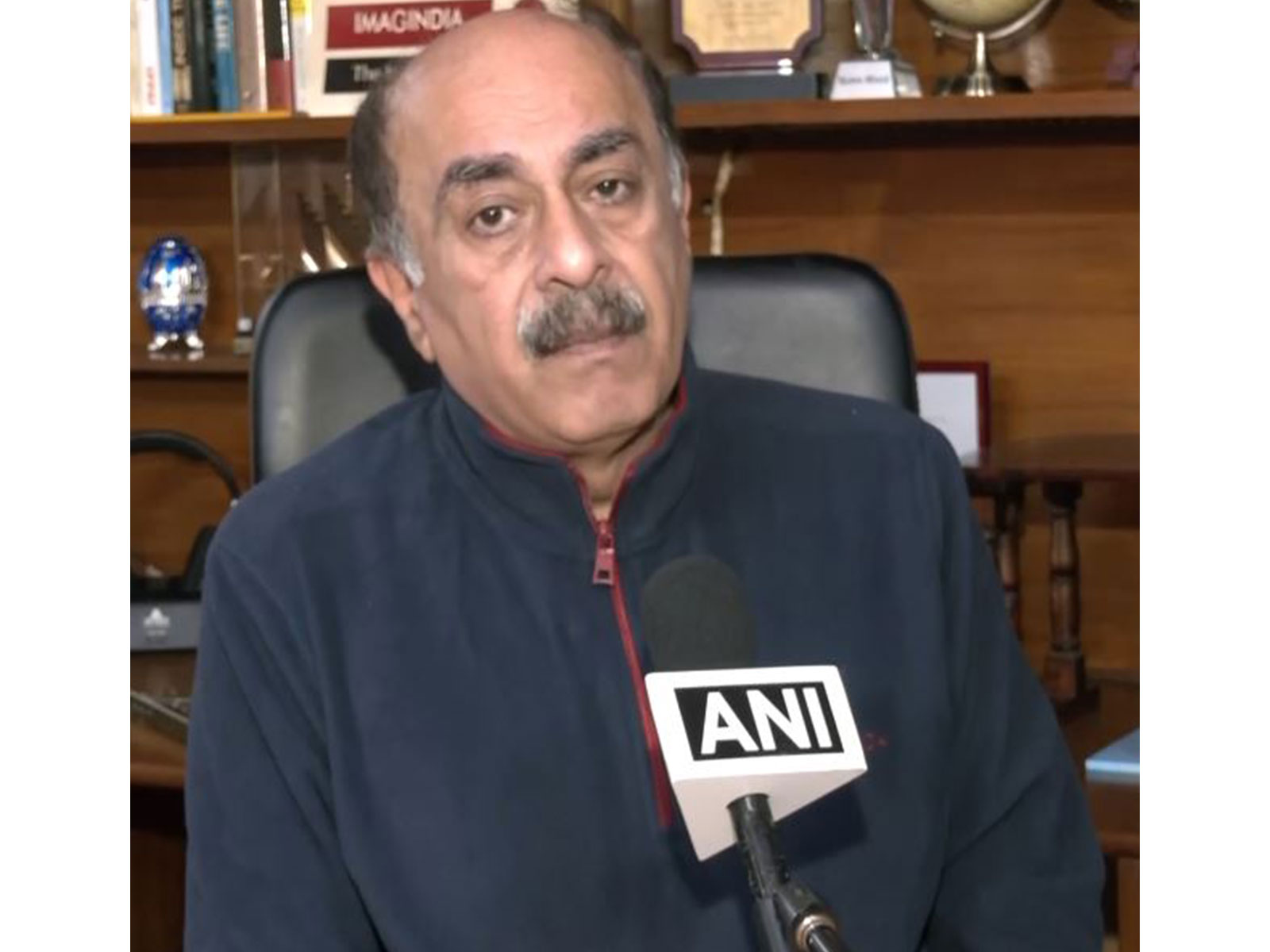
Speaking exclusively to ANI, Foreign Affairs expert Robinder Sachdev said the timing of the visit reflects Europe's growing geopolitical unease amid uncertainty in its relationship with the United States and mounting pressure from other global powers.
"The outreach comes at a time when Europe finds itself increasingly constrained in global geopolitics, facing pressure from the United States, Russia and China simultaneously," he added.
"A generational change is underway in India-Europe relations. Europe's strategic environment has been transformed by the Ukraine war, sanctions on Russia and the consequent loss of access to Russian energy, particularly gas," the strategic expert said.
At the same time, the EU is seeking to hedge its economic dependence on China, which, despite being ideologically opposed to Europe's liberal values, remains the "factory of the world" and a critical supplier for European industry.
In this context, India is being viewed as a potential "fourth pole" in Europe's geopolitical and economic strategy. Sachdev also argued that the EU now needs long-term stability, reliable partnerships and a diversified trade architecture, and India fits that requirement as a large, growing market with strategic autonomy.
"The core issue is not just the FTA," he noted. "Europe needs a large market and a dependable partner. The United States is increasingly seen as unreliable, and long-term differences within the Western alliance are becoming visible."
The proposed FTA is seen as mutually beneficial. For India, access to the EU's roughly $20 trillion economy would be significant, especially as India's own economy stands at about $4.5 trillion. For Europe, India offers market access and a chance to diversify economic risk at a time when transatlantic ties are under strain.
However, Sachdev also points to a key asymmetry. "While Europe historically placed most of its strategic bets on the United States, India has maintained a more diversified foreign policy, engaging simultaneously with the US, Russia, China and other global players. Europe, by contrast, is now urgently seeking to rebalance its external partnerships."
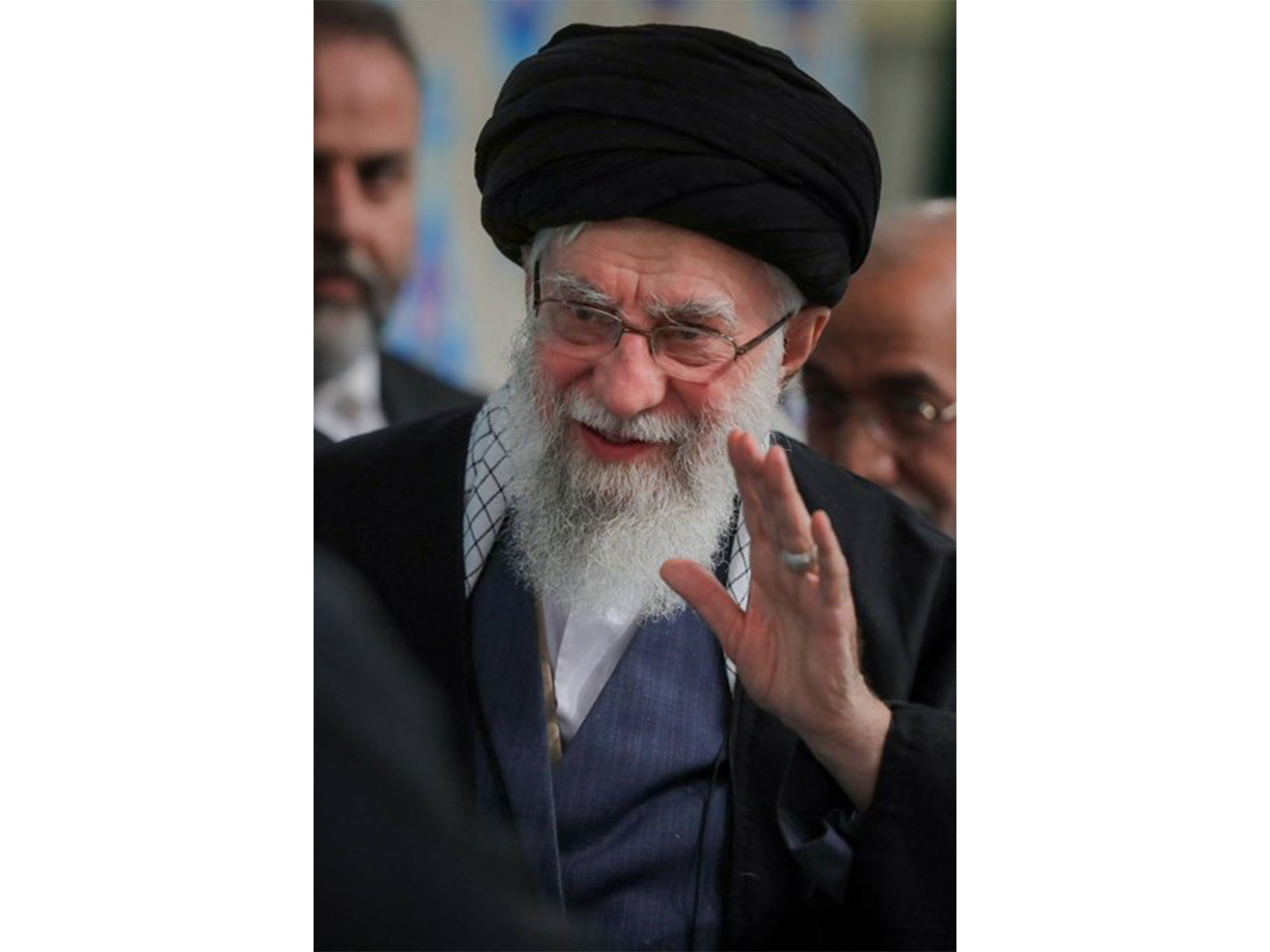
Beyond Europe and India, the interview also touched on wider global flashpoints. On Iran, he believes the regime has been "significantly weakened" by sustained protests and tightening sanctions, though external military action could "backfire by triggering nationalist sentiment." Economic hardship, he argues, will likely fuel renewed unrest in the coming months.
Commenting on Venezuela, Sachdev said opposition leader Maria Machado's attempts to court former US president Donald Trump may improve her standing in Washington but are unlikely to yield "immediate political gains at home." Power structures in Venezuela remain intact under the current regime, and experience in governance will be a decisive factor in any future political transition.
"Overall, the EU's engagement with India is being seen as part of a broader recalibration in a fragmented global order- one where traditional alliances are under stress and emerging partnerships are gaining strategic weight," he said.