European Commission President welcomes progress in US-Iran talks, reiterates Tehran must not develop nuclear weapons
May 24, 2026
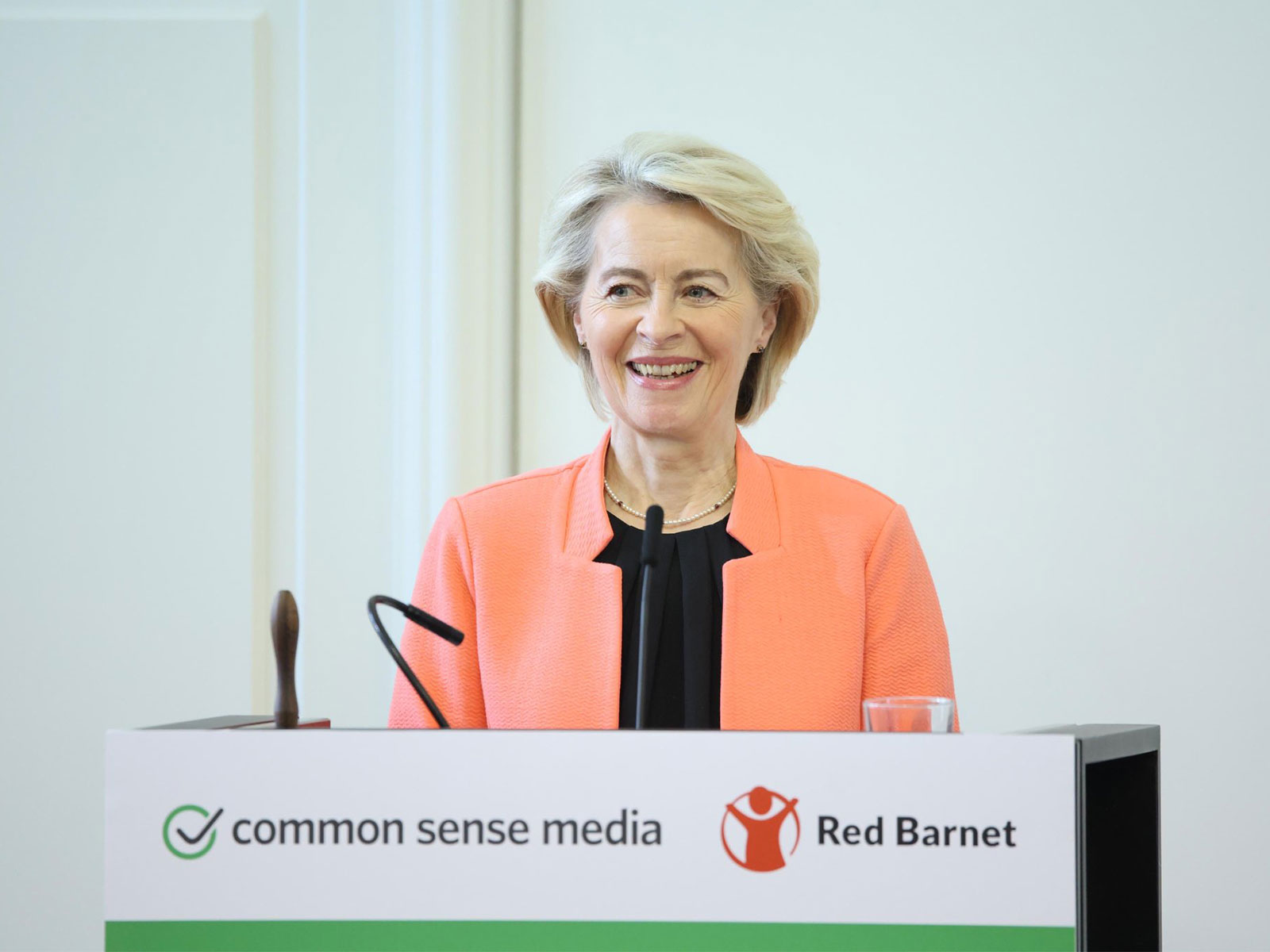
Brussels [Belgium], May 24 : European Commission President Ursula von der Leyen on Sunday welcomed progress in ongoing discussions between the United States and Iran aimed at finding a complete solution to the hostilities in West Asia, while stressing that Tehran "must not be allowed to develop a nuclear weapon" and must end its "destabilising actions" in the region.
In a post on X, von der Leyen said Europe supports diplomatic efforts aimed at de-escalating tensions and ensuring regional stability, adding that any deal must "truly de-escalate the conflict, reopen the Strait of Hormuz and guarantee toll-free full freedom of navigation".
She further underlined that Iran "must not be allowed to develop a nuclear weapon" and called for an end to what she described as Tehran's "destabilising actions in the region", including activities carried out directly or through its proxy groups.
"I welcome the progress towards an agreement between the US and Iran. We need a deal that truly de-escalates the conflict, reopens the Strait of Hormuz and guarantees toll-free full freedom of navigation. Iran must not be allowed to develop a nuclear weapon. It must also end its destabilising actions in the region, directly or through proxies, as well as its unjustified and repeated attacks on its neighbours," the post read.
Von der Leyen also referred to repeated attacks on neighbouring countries, terming them "unjustified", and stressed the need for broader regional restraint, adding that efforts must also focus on limiting spillover effects on global supply chains and energy prices.
"Europe will continue working with international partners to seize this moment for a lasting diplomatic solution. And to contain the spillover of this conflict, notably on supply chains and energy prices," the post added.
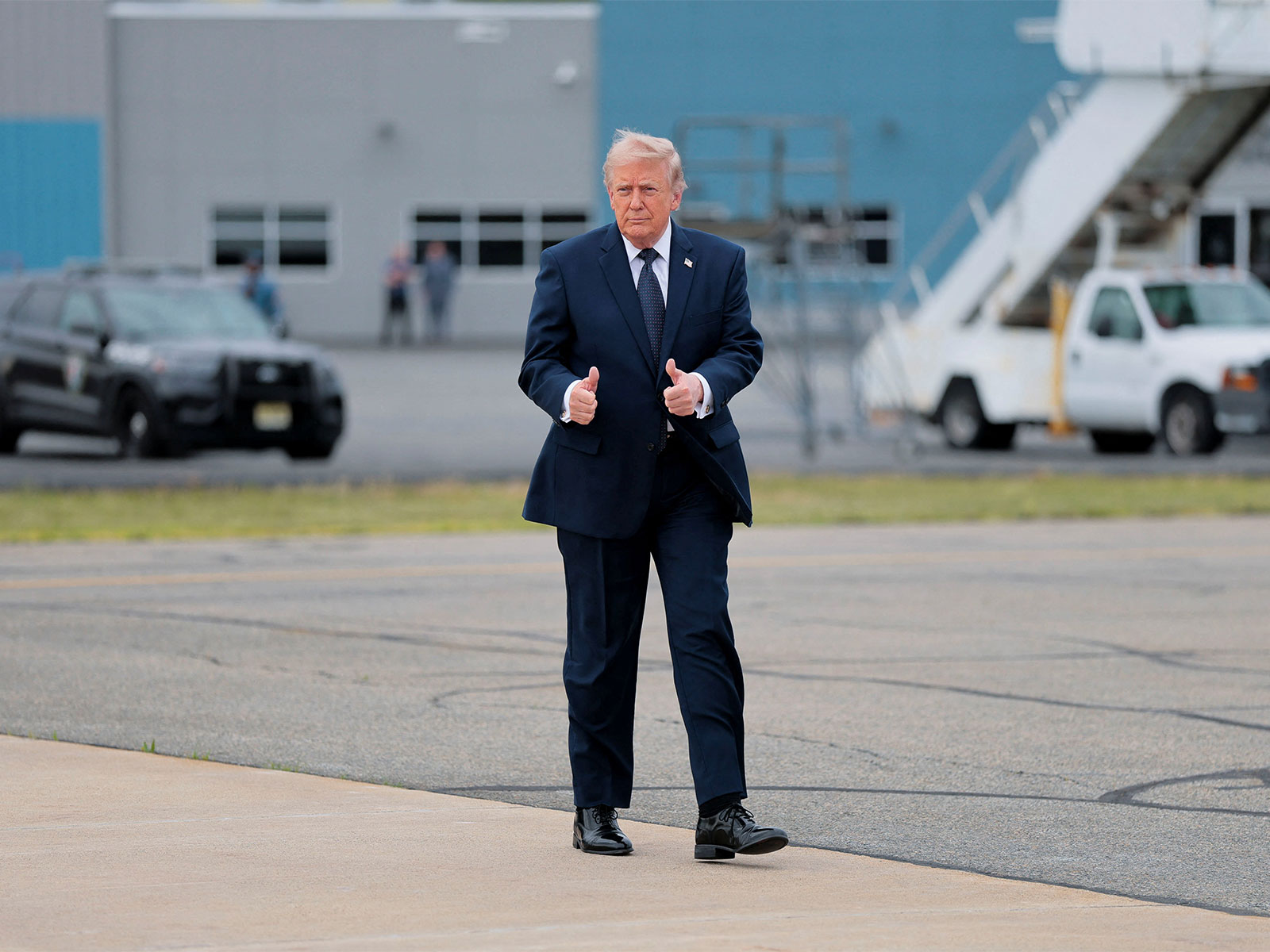
The remarks come after US President Donald Trump stated that an agreement had been "largely negotiated" between Tehran and Washington on the subject of finalisation of the deal between the two sides.
In a post on Truth Social, he said the United States is also engaged in discussions with leaders from several countries regarding efforts linked to peace and stability in the Gulf region, including issues concerning the Strait of Hormuz.
"I am in the Oval Office at the White House where we just had a very good call with President Mohammed bin Salman Al Saud, of Saudi Arabia, Mohammed bin Zayed Al Nahyan, of The United Arab Emirates, Emir Tamim bin Hamad bin Khalifa Al Thani, Prime Minister Mohammed bin Abdulrahman bin Jassim bin Jaber Al Thani, and Minister Ali al-Thawadi, of Qatar, Field Marshal Syed Asim Munir Ahmed Shah, of Pakistan, President Recep Tayyip Erdogan, of Turkiye, President Abdel Fattah El-Sisi, of Egypt, King Abdullah II, of Jordan, and King Hamad bin Isa Al Khalifa, of Bahrain, concerning the Islamic Republic of Iran, and all things related to a Memorandum of Understanding pertaining to PEACE," the post read.
"An Agreement has been largely negotiated, subject to finalization between the United States of America, the Islamic Republic of Iran, and the various other Countries, as listed. Separately, I had a call with Prime Minister Bibi Netanyahu, of Israel, which, likewise, went very well. Final aspects and details of the Deal are currently being discussed, and will be announced shortly. In addition to many other elements of the Agreement, the Strait of Hormuz will be opened," it added.
Meanwhile, the memorandum for a 60-day ceasefire between the United States and Iran is in its final stages, with negotiators working to close remaining gaps and avert further escalation in the region, including the reopening of the Strait of Hormuz and the resumption of Iranian oil sales, according to an Axios report citing a US official.
According to the senior US official, the draft agreement hinges on a strict diplomatic architecture of "relief for performance".
If implemented, the deal would immediately reopen the vital Strait of Hormuz, temporarily ease global energy market pressures, and establish a high-stakes 60-day window to negotiate the complete dismantlement of Iran's nuclear program.
Both Trump and mediators reportedly suggest that an announcement could come as early as Sunday.