European Council President urges diplomacy, freedom of navigation through Hormuz amid West Asia conflict
Apr 06, 2026
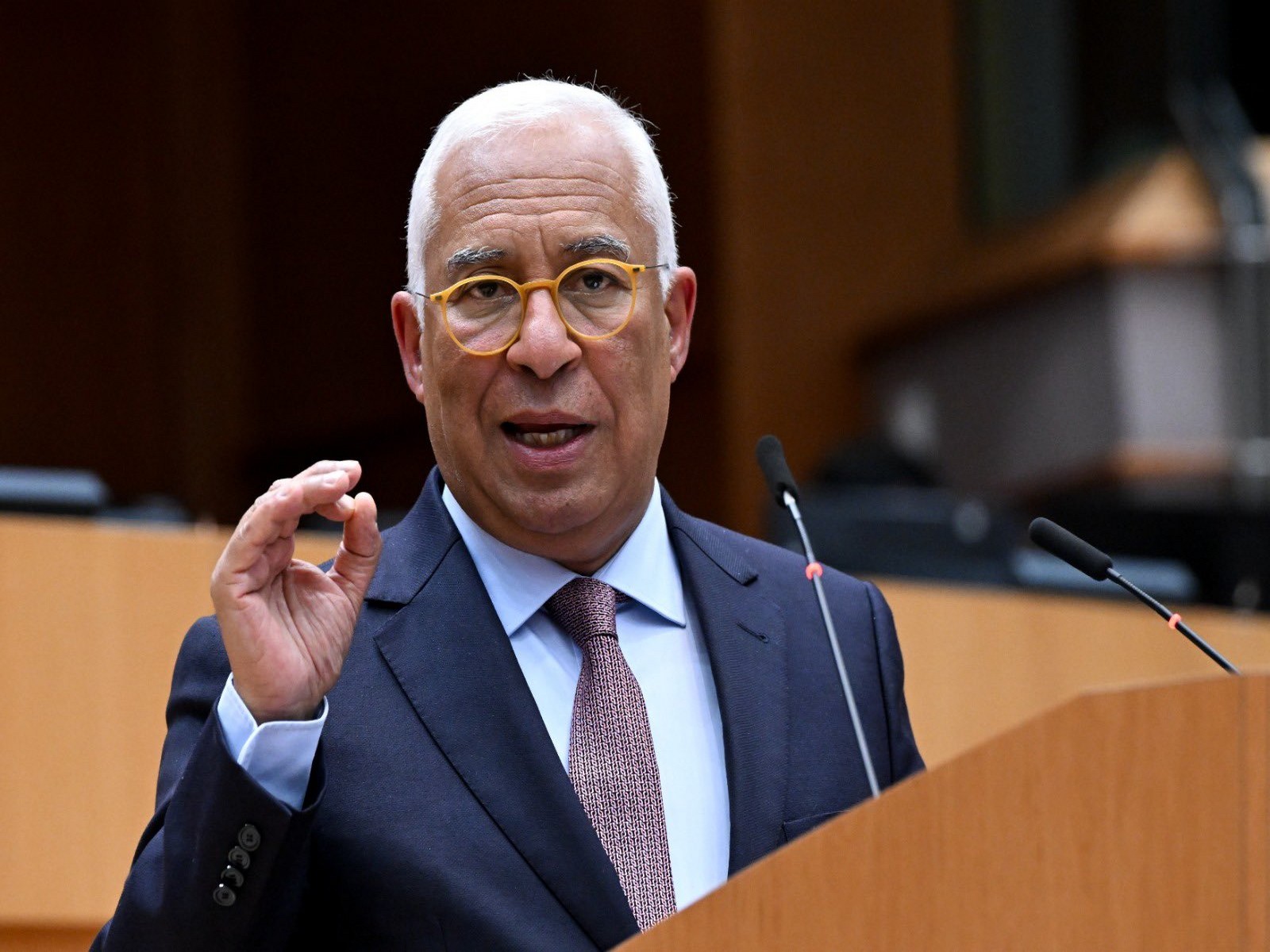
Brussels [Belgium], April 6 : European Council President Antonio Costa on Monday reiterated calls for a diplomatic end to the ongoing conflict in West Asia and stressed the importance of ensuring freedom of navigation through the Strait of Hormuz.
In a post on X, Costa said after "five weeks of war" in the region, a negotiated solution is the only way to address the conflict's root causes.
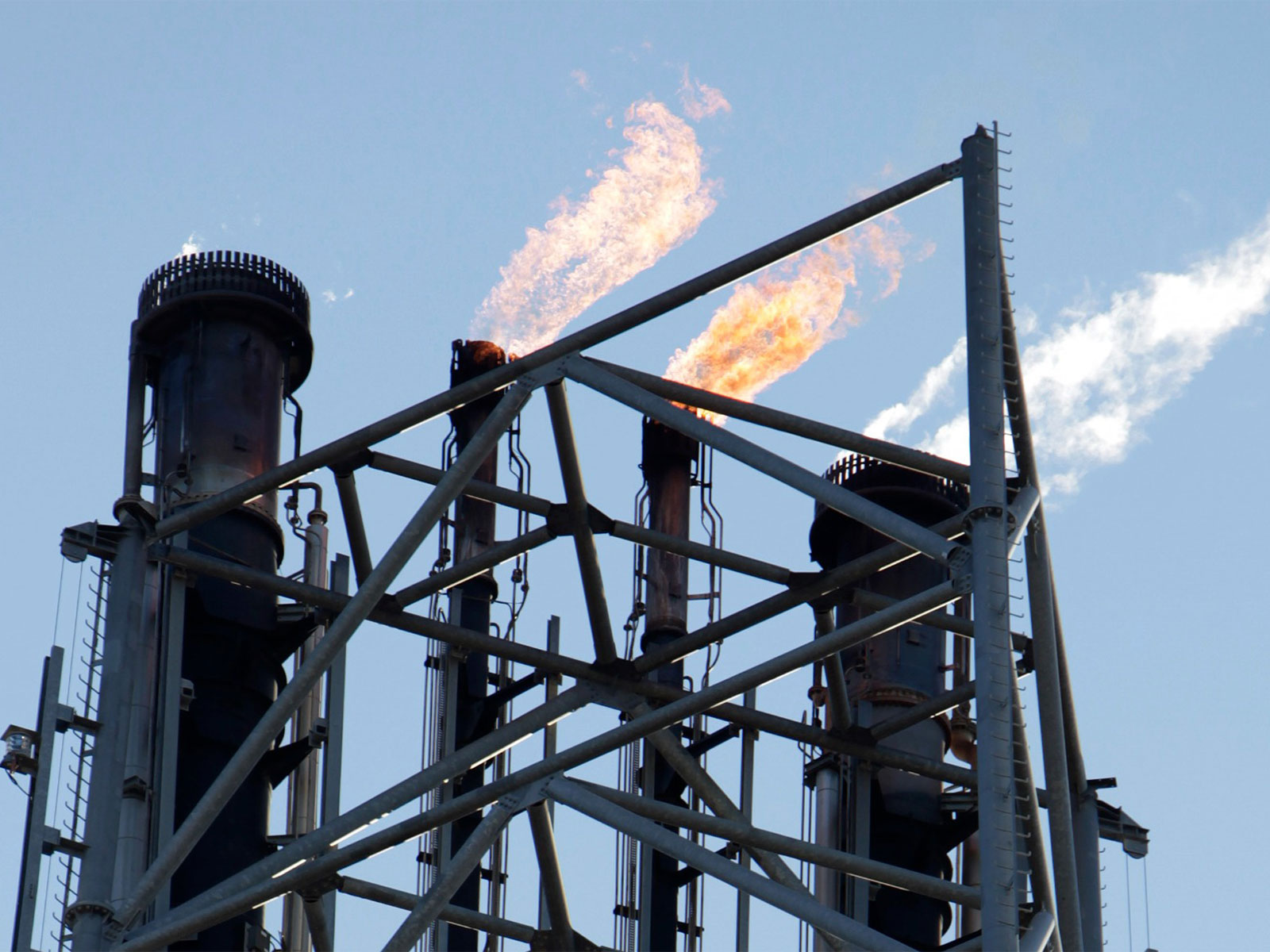
Costa condemned attacks on civilian infrastructure, particularly energy facilities, as unlawful and unacceptable -- a principle he said holds 'in Ukraine and everywhere'.
He emphasised that the civilian population in Iran is the primary victim of the crisis and would suffer further if the conflict widened.
"After five weeks of war in the Middle East, it is clear that only a diplomatic solution will settle its root causes. Any targeting of civilian infrastructure, namely energy facilities, is illegal and unacceptable. This applies to Russia's war in Ukraine, and it applies everywhere. The Iranian civilian population is the main victim of the Iranian regime. It would also be the main victim of a widening of the military campaign," his post read.
Costa also underlined that the European Union has urged Iran to cease its attacks against regional countries and to permit the restoration of full freedom of navigation through the Strait of Hormuz, a critical maritime route for global energy supplies.
"As I stressed in my recent call with the President of Iran, Masoud Pezeshkian, the European Union urges Iran to immediately put an end to its attacks against countries in the region and to allow for the reestablishment of full freedom of navigation through the Strait of Hormuz. Escalation will not achieve a ceasefire and peace. Only negotiations will, namely, the ongoing efforts led by regional partners," the post added.
Last week, during a telephonic discussion, Costa and Iranian President Masoud Pezeshkian expressed Tehran's readiness to conclude the current hostilities against what he termed "US-Israeli aggression", provided the Islamic Republic receives "firm guarantees" against future domestic strikes, according to state broadcaster Press TV.
Pezeshkian maintained that the primary resolution for "normalising the situation" necessitated an immediate cessation of attacks by the opposing forces and emphasised that Iran has "never sought tension or war at any stage" but remains committed to defending its sovereignty.
Outlining the requirements for a ceasefire, the Iranian leader stated that the nation possesses the "necessary resolve to end this war if the required conditions are met," specifically highlighting the need for "necessary guarantees to prevent a recurrence of aggression."
Pezeshkian further directed criticism towards the European Union for failing to denounce the ongoing military actions and characterised the offensive as a "flagrant violation of the rule of law" and a direct "assault on all the principles and rules" traditionally upheld by the EU.
In response, Antonio Costa assured that EU member states "never supported the aggression against Iran," viewing such actions as a breach of "international laws and regulations."