"Every drop must be captured, conserved, returned to the ground": Delhi Assembly Speaker Vijender Gupta emphasises on rainwater harvesting
May 01, 2026
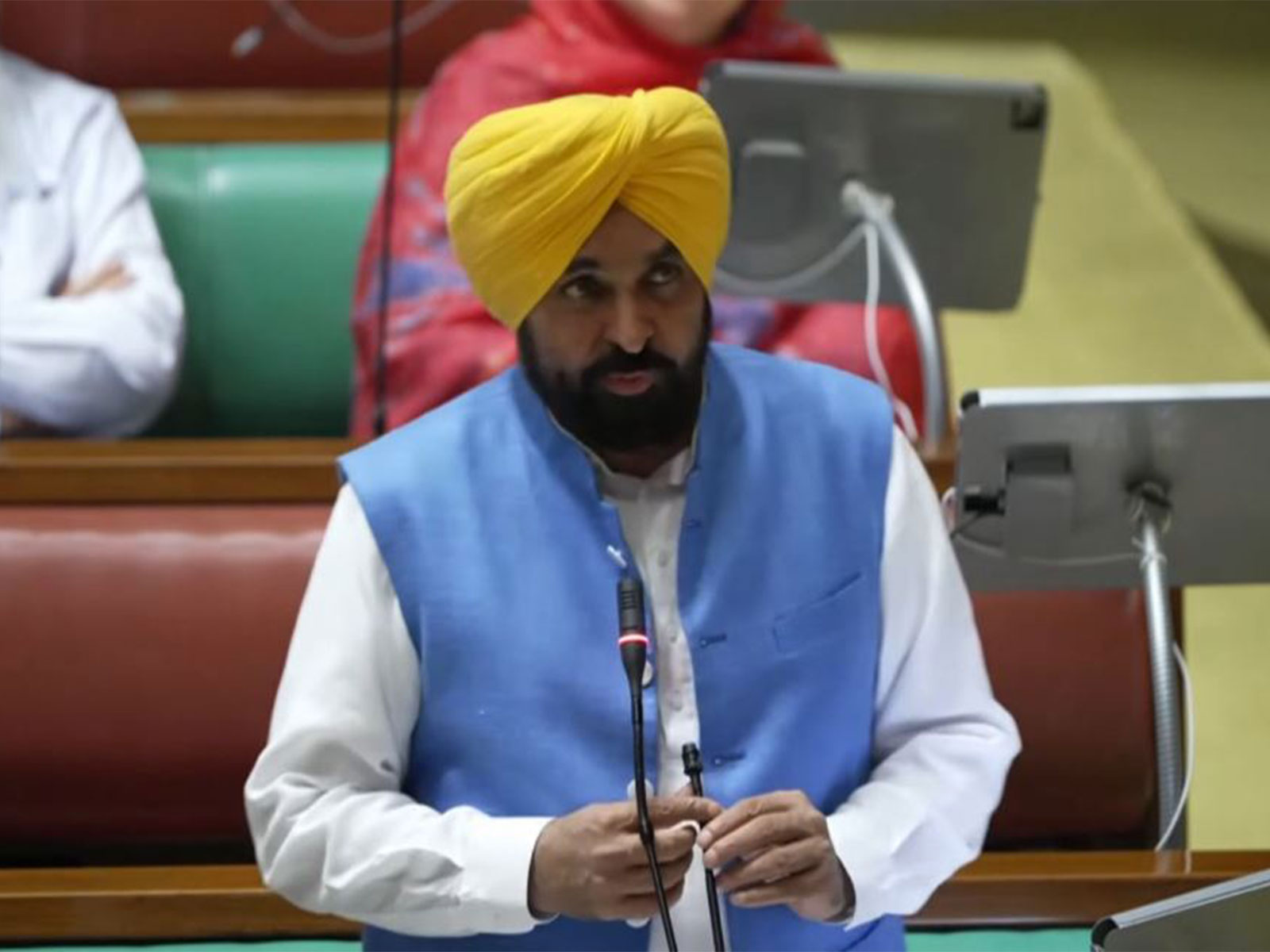
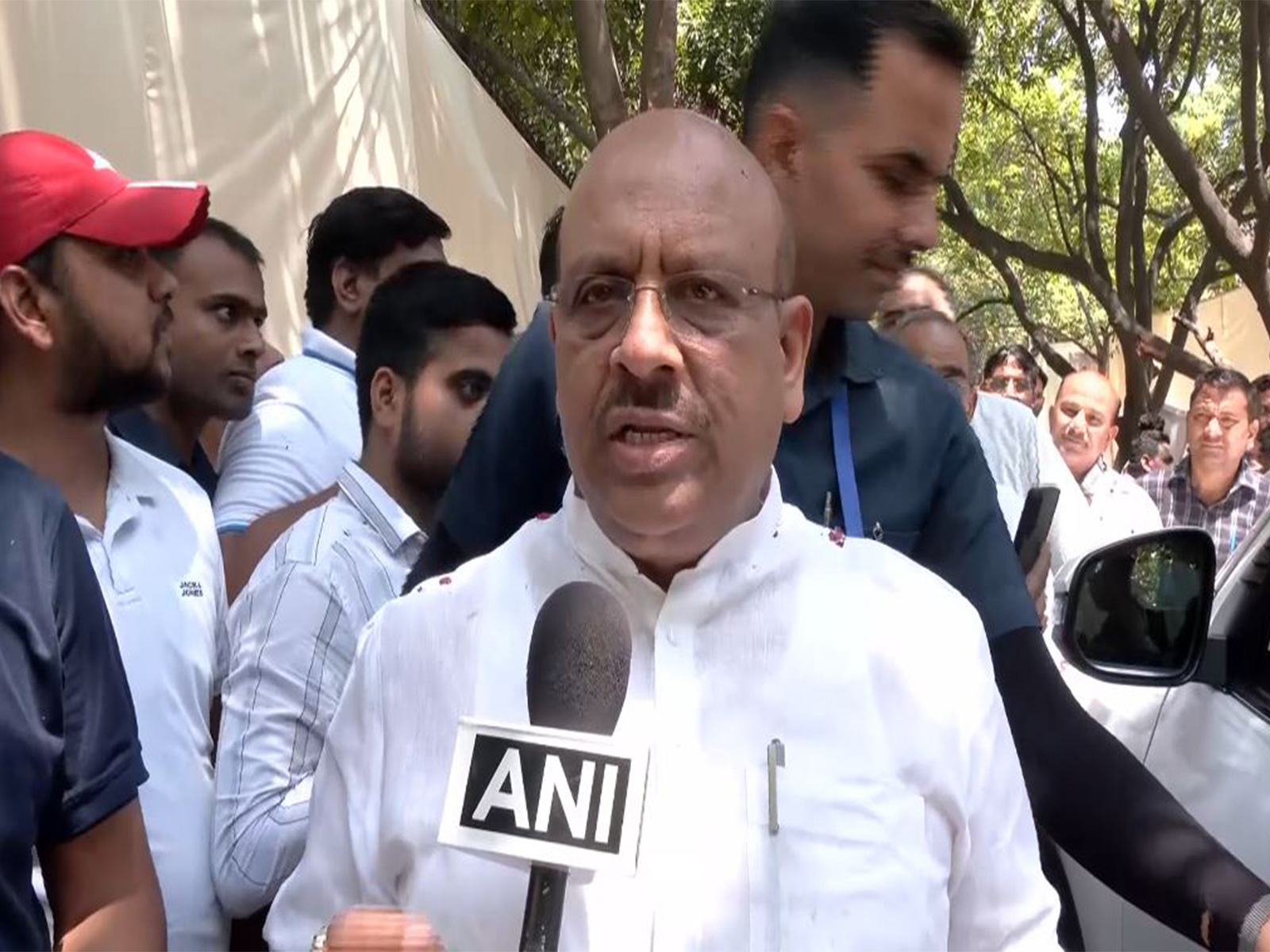
New Delhi [India], May 1 : Speaker of the Delhi Legislative Assembly Vijender Gupta on Friday said that a city that allows its rainwater to drain away cannot secure its future, according to a press release.
Addressing the inaugural function of a Rainwater Harvesting Project in the Rohtas Nagar Assembly Constituency today, he said, "A city that allows its rainwater to drain away cannot secure its future. Every drop must be captured, conserved and returned to the ground."
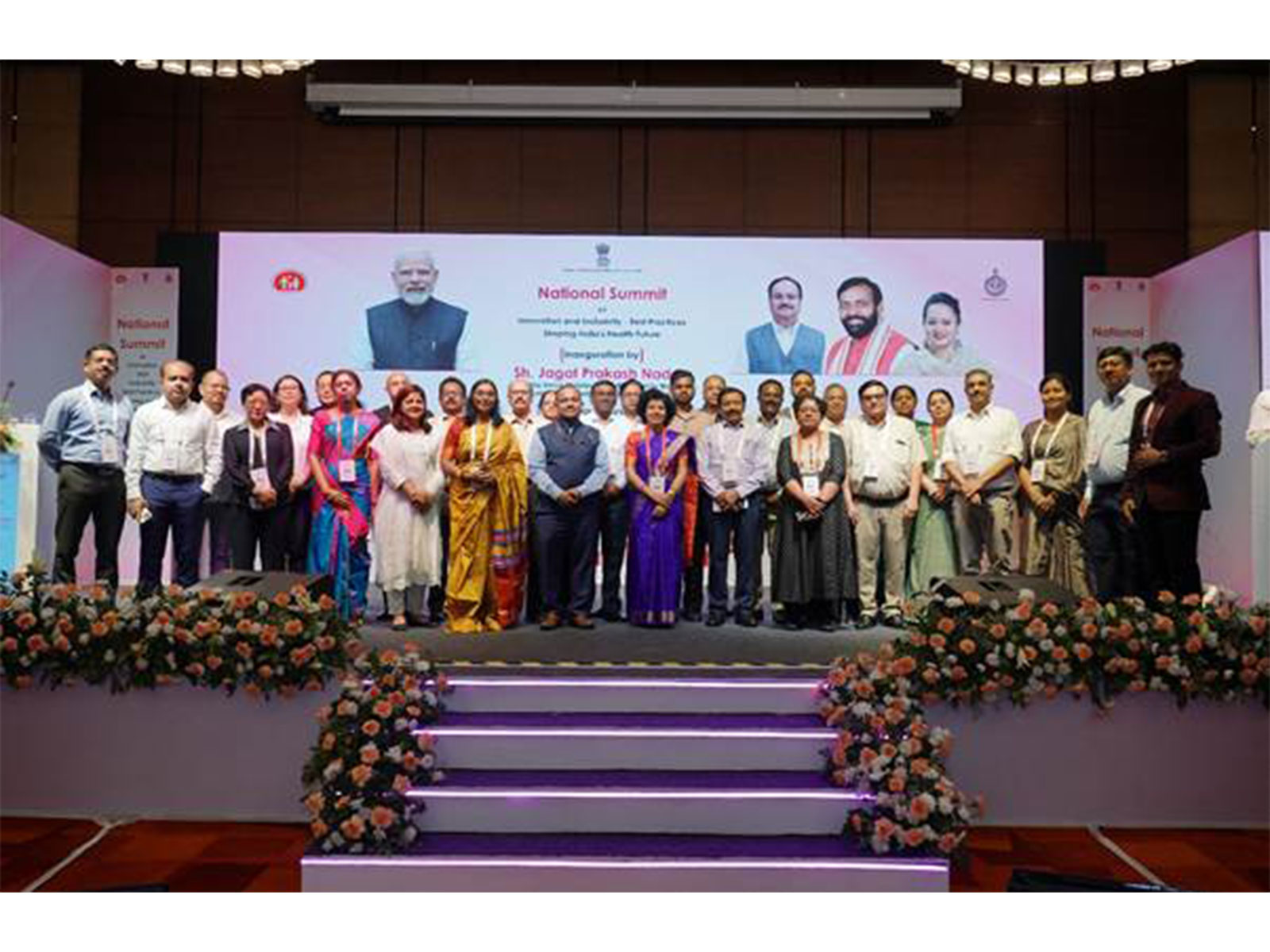
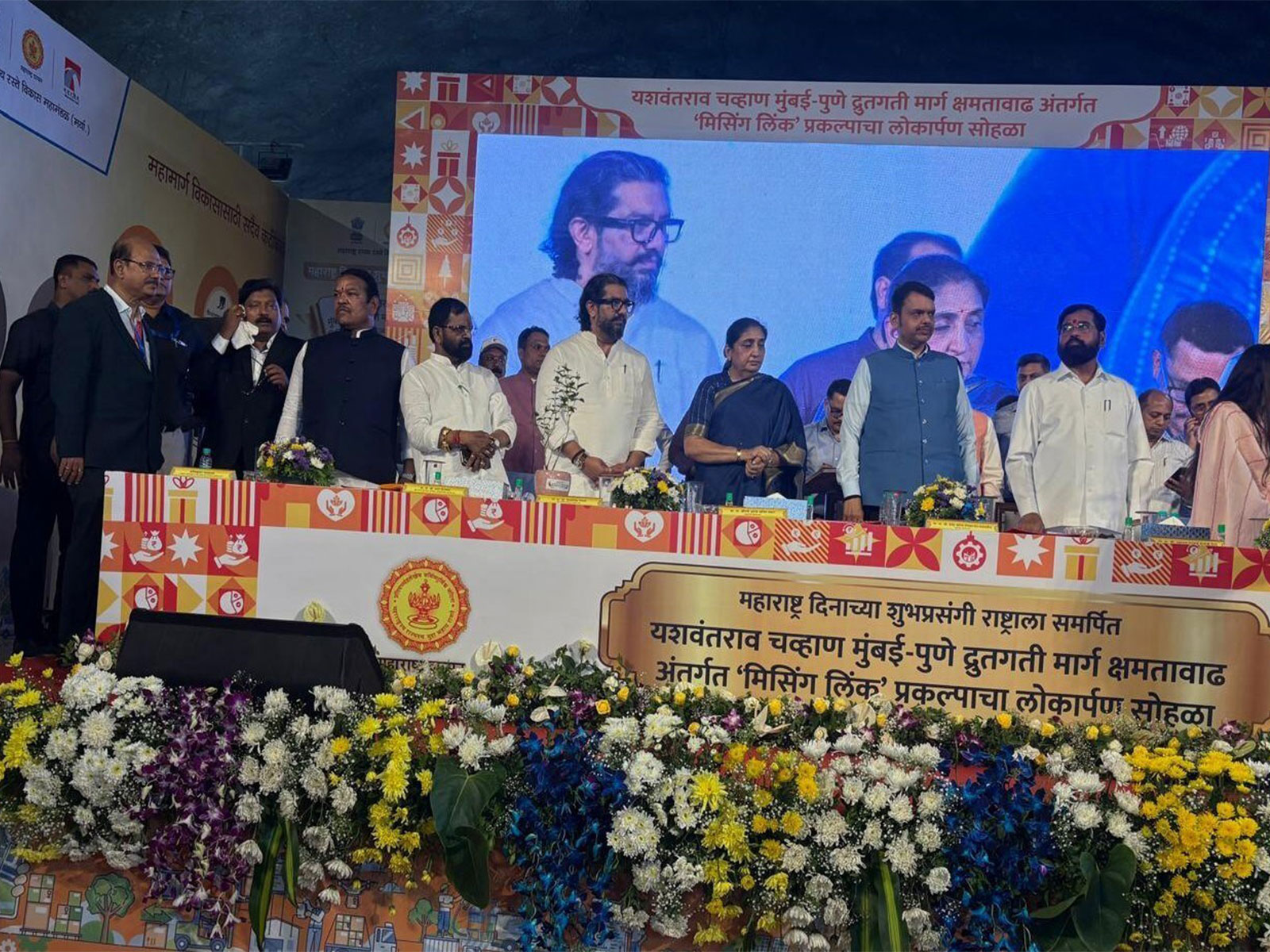
The project was launched at the Delhi Jal Board Store, LIG MIG Flats, East of Loni Road, in the presence of Minister Kapil Mishra and Jitender Mahajan, MLA from Rohtas Nagar.
Describing the initiative as a necessary step towards sustainable urban management, Gupta underlined that water conservation can no longer remain optional in a rapidly expanding city. He observed that mounting pressures of population growth, urbanisation, groundwater depletion and climate change have made water security a matter of immediate concern for Delhi.
The Speaker noted that rainwater, which often goes unutilised, can be transformed into a reliable resource through systematic conservation, the release said.
He emphasised that rainwater harvesting is not only a practical solution to declining groundwater levels but also a responsibility that must be collectively upheld, it added.
Commending the efforts of Jitender Mahajan and the teams involved, Gupta said the project demonstrates how focused local initiatives can contribute meaningfully to larger environmental goals. He added that such interventions help restore ecological balance while strengthening long-term water resilience.
Calling for wider public participation, the Speaker urged citizens to adopt rainwater harvesting practices across homes, institutions and public spaces. He also appealed to the youth to take the lead in spreading awareness, cautioning that inaction today would impose a serious cost on future generations.
Highlighting the broader significance of the initiative, Gupta said the project has the potential to serve as a replicable model for other constituencies, contributing to a more sustainable and water-secure urban future.