"Everybody hopes there will be good results," says former diplomat Sikri on US pausing military ops on Iran
Mar 23, 2026
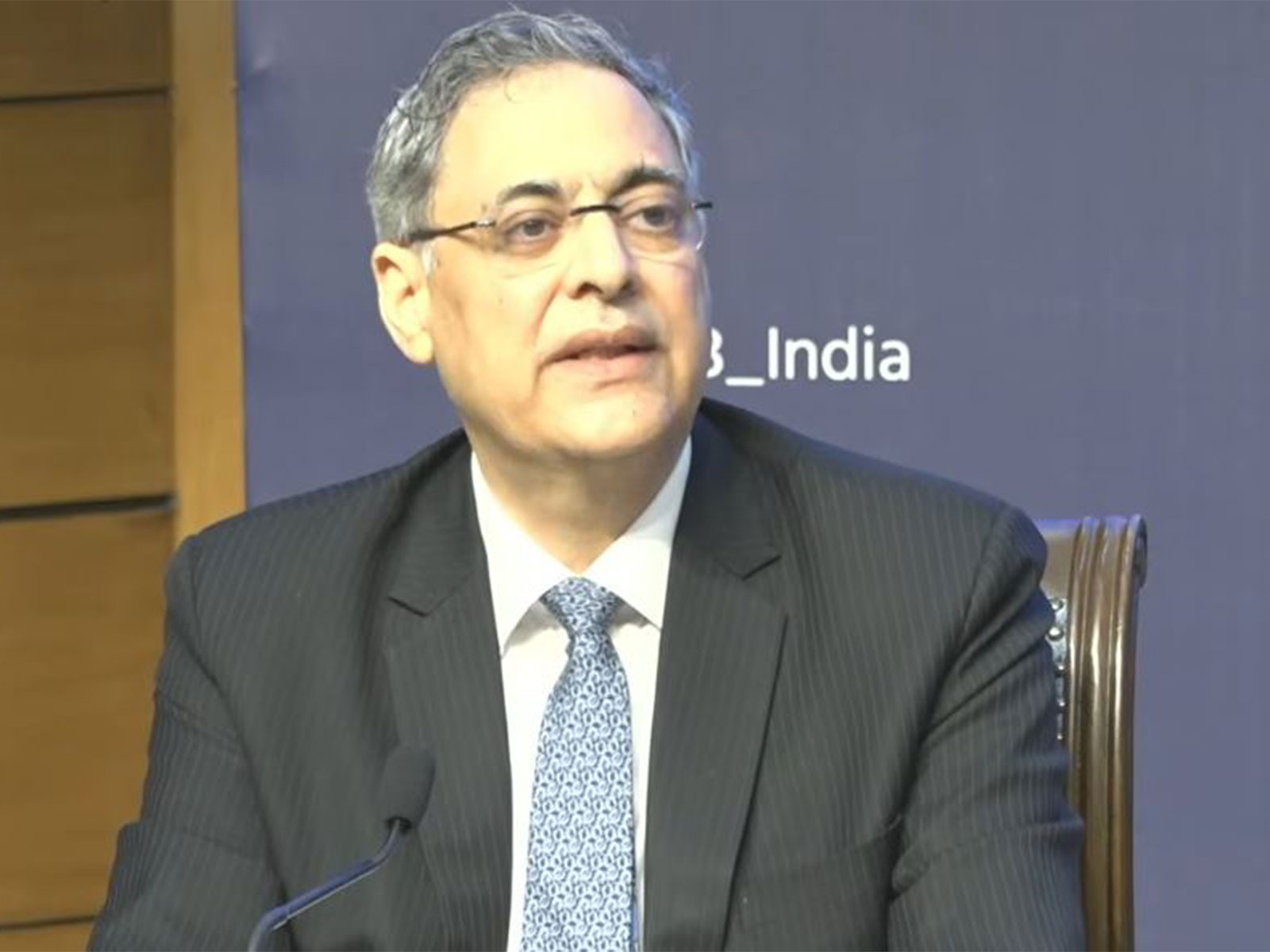
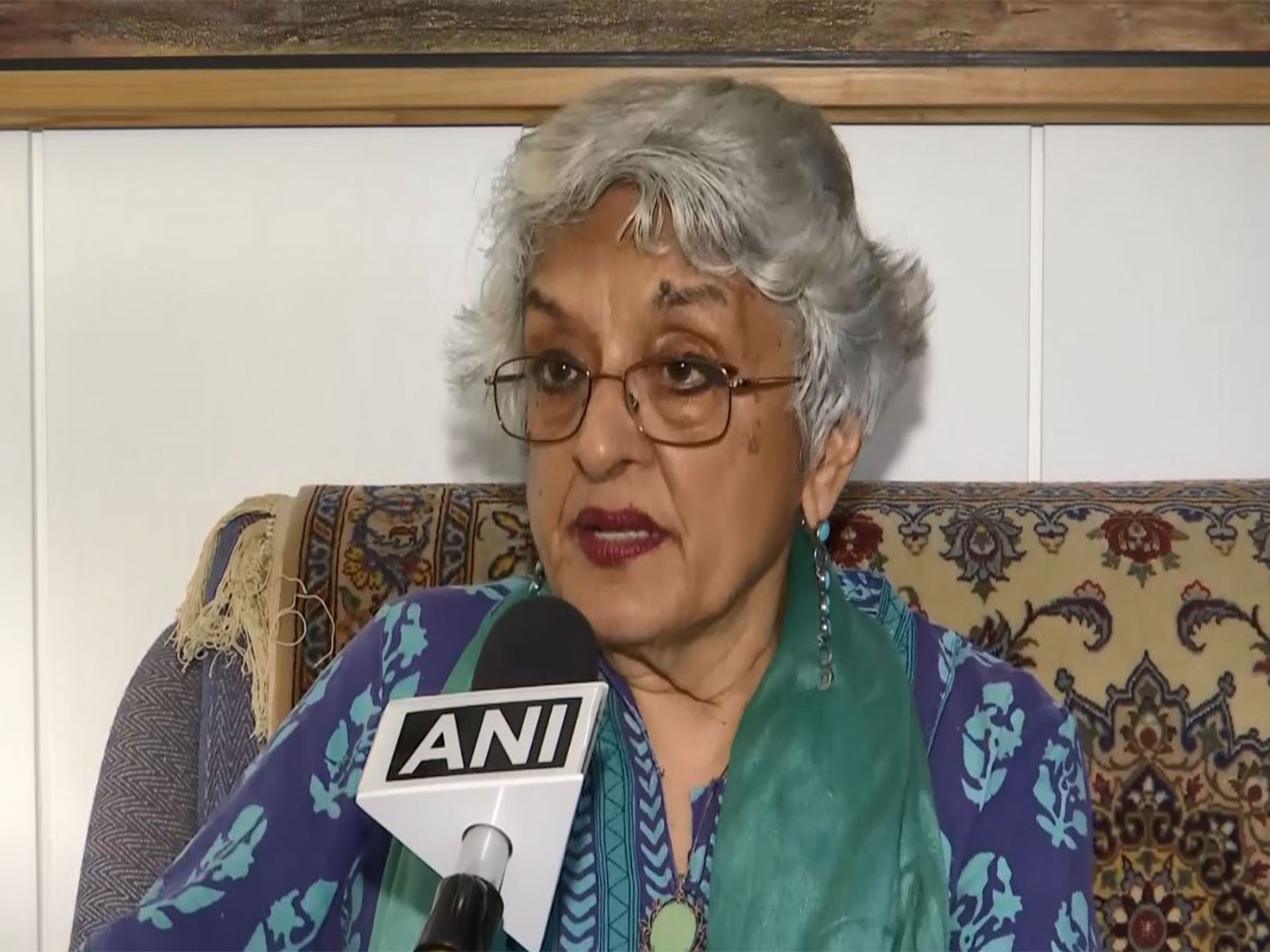
New Delhi [India], March 23 : Former Indian diplomat Veena Sikri has welcomed US President Donald Trump's announcement of a five-day postponement of all military strikes on Iranian power plants and energy infrastructure, describing the move as a critical opening for diplomatic engagement.
Speaking to ANI, Sikri highlighted that the pause in hostilities indicates a shift towards a negotiated settlement. "I think that's important because it shows that at least dialogue and diplomacy have started. Over the weekend, there have been intensive consultations between America and Iran," she stated.
She expressed optimism that this window of diplomacy could lead to a broader peace agreement. "Everybody hopes and expects that there will be good results and a permanent end to the hostilities," she said.
The former diplomat noted that the recent high-level discussions appear to have yielded immediate results, leading to the temporary suspension of planned strikes against Iran's energy sector.
"The consultations had a positive reward, and he decided to postpone by 5 days his threat to bombard the power plants of Iran," Sikri remarked, adding that the international community remains hopeful for a lasting resolution.
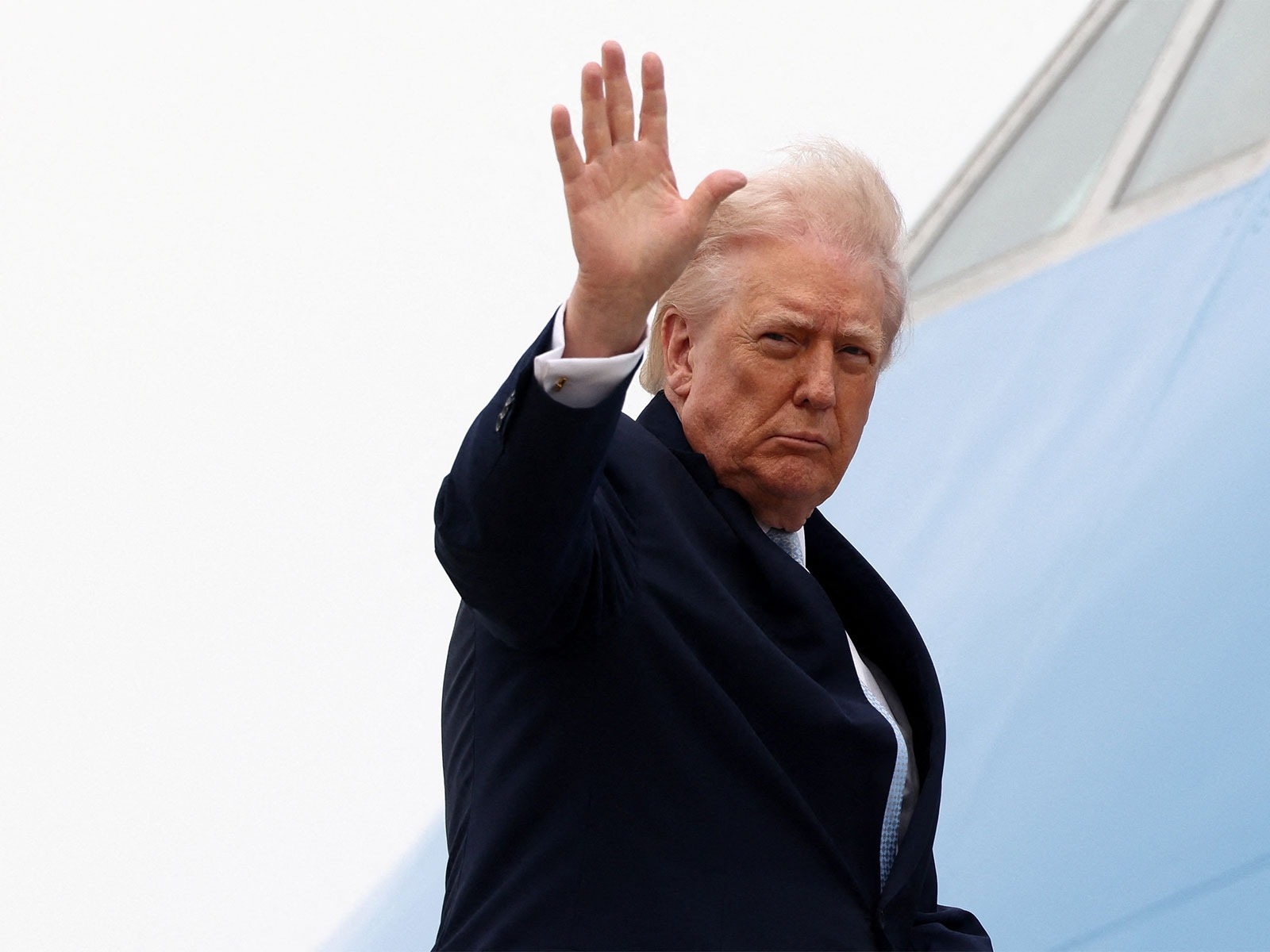
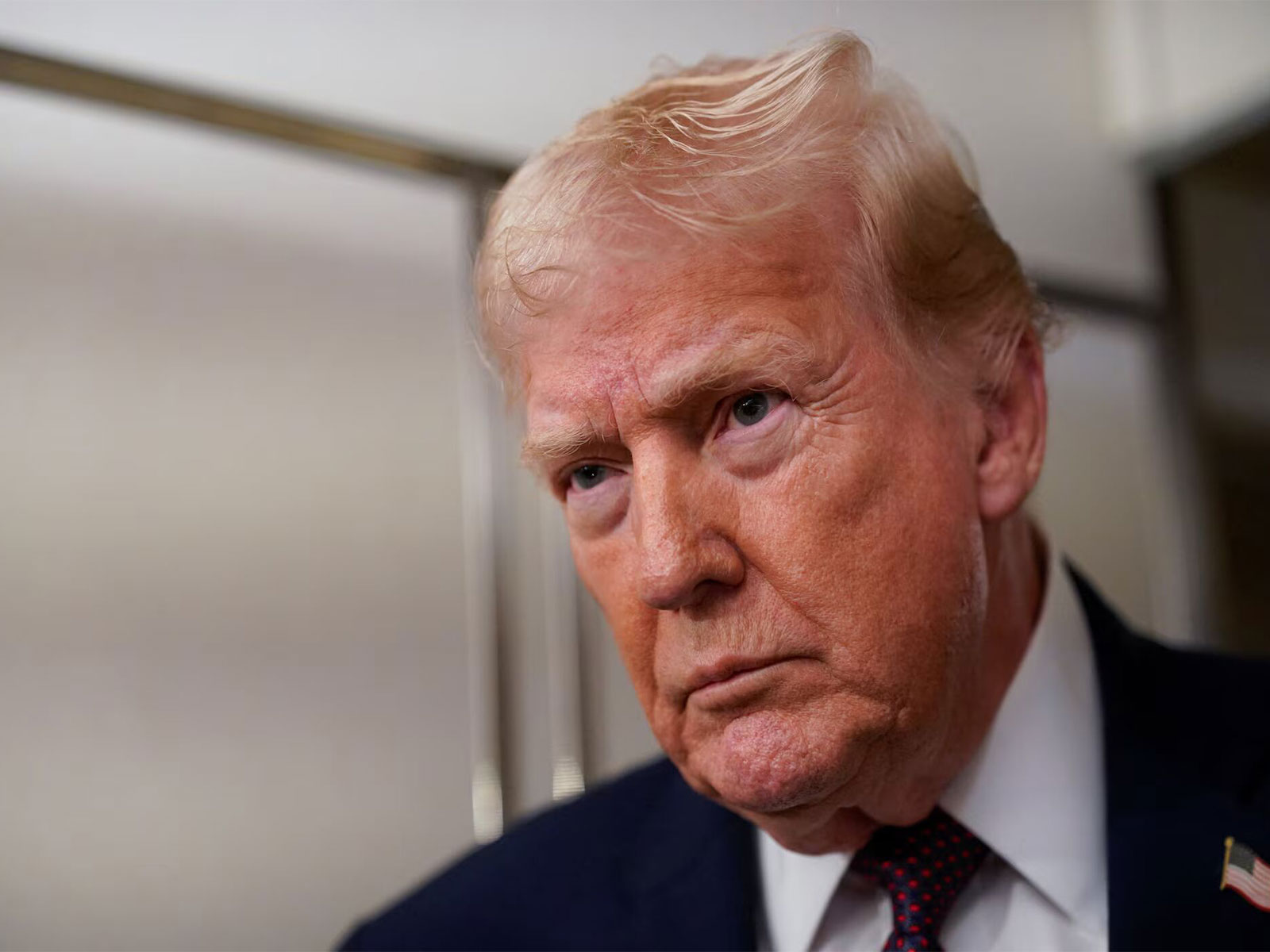
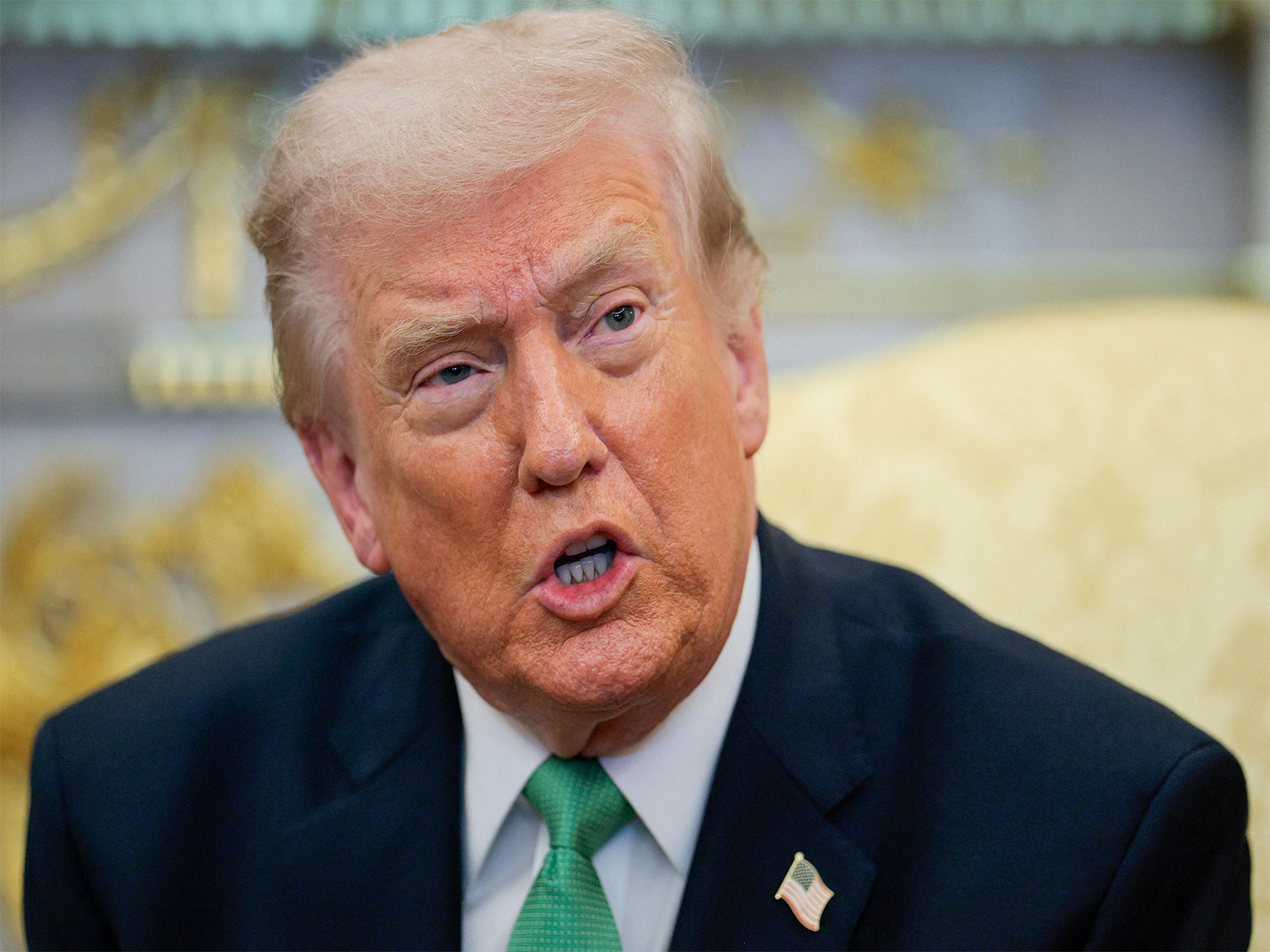
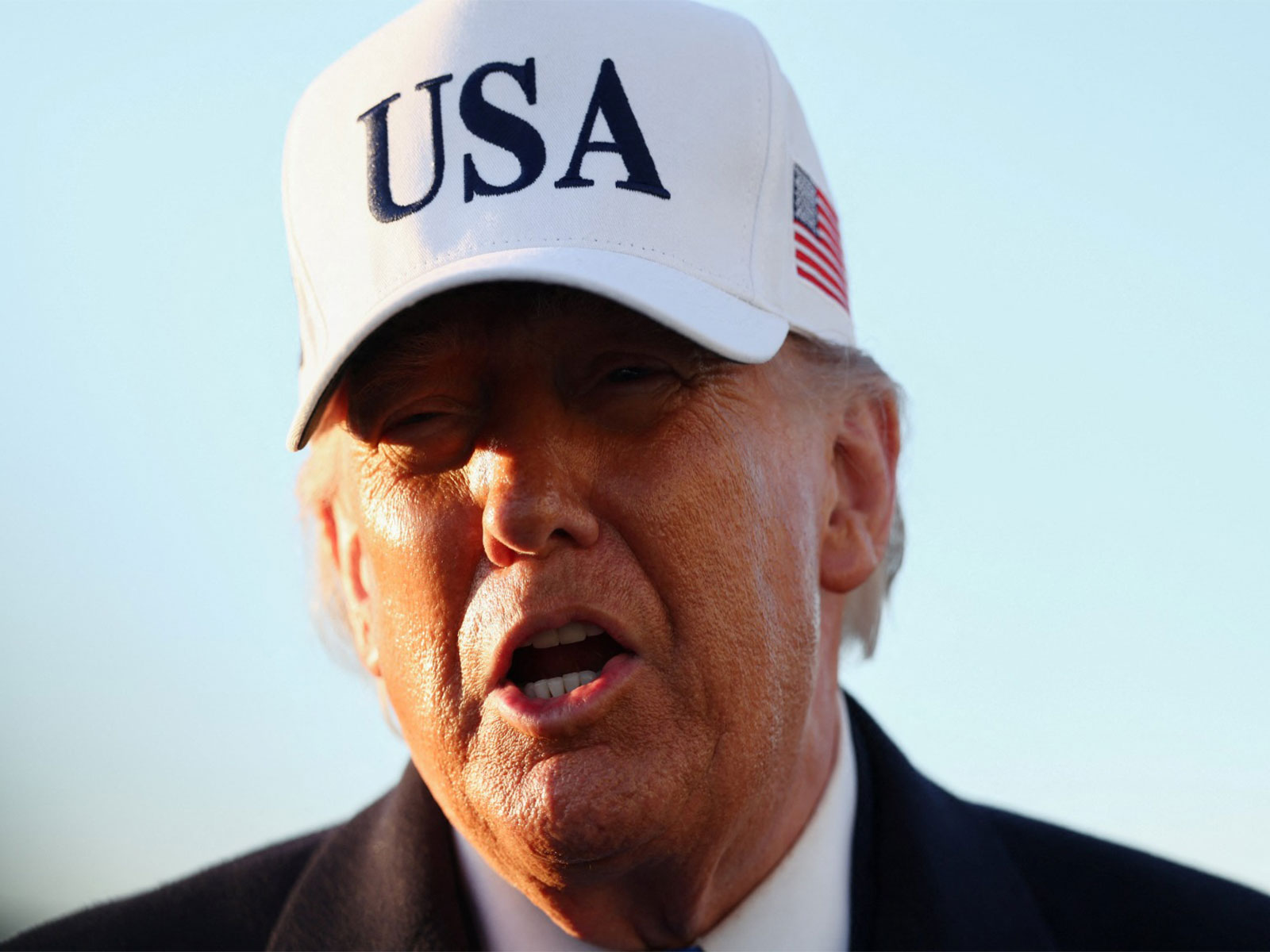
In a significant announcement, US President Donald Trump on Monday said he has instructed the Department of War to postpone military strikes against Iranian power plants and energy infrastructure for five days, subject to the success of the ongoing discussions.
The President noted that the United States and Iran had "very good and productive conversations" regarding a total resolution of hostilities in the Middle East. The announcement came as the war between Israel, the US, and Iran entered its fourth week.
In a post on Truth Social, Trump stated that the conversations will continue through the week. "I am pleased to report that the United States of America, and the country of Iran, have had, over the last two days, very good and productive conversations regarding a complete and total resolution of our hostilities in the Middle East," Trump said.
"Based on the tenor and tone of these in-depth, detailed, and constructive conversations, which will continue throughout the week, I have instructed the Department of War to postpone any and all military strikes against Iranian power plants and energy infrastructure for a five-day period, subject to the success of the ongoing meetings and discussions," he added.
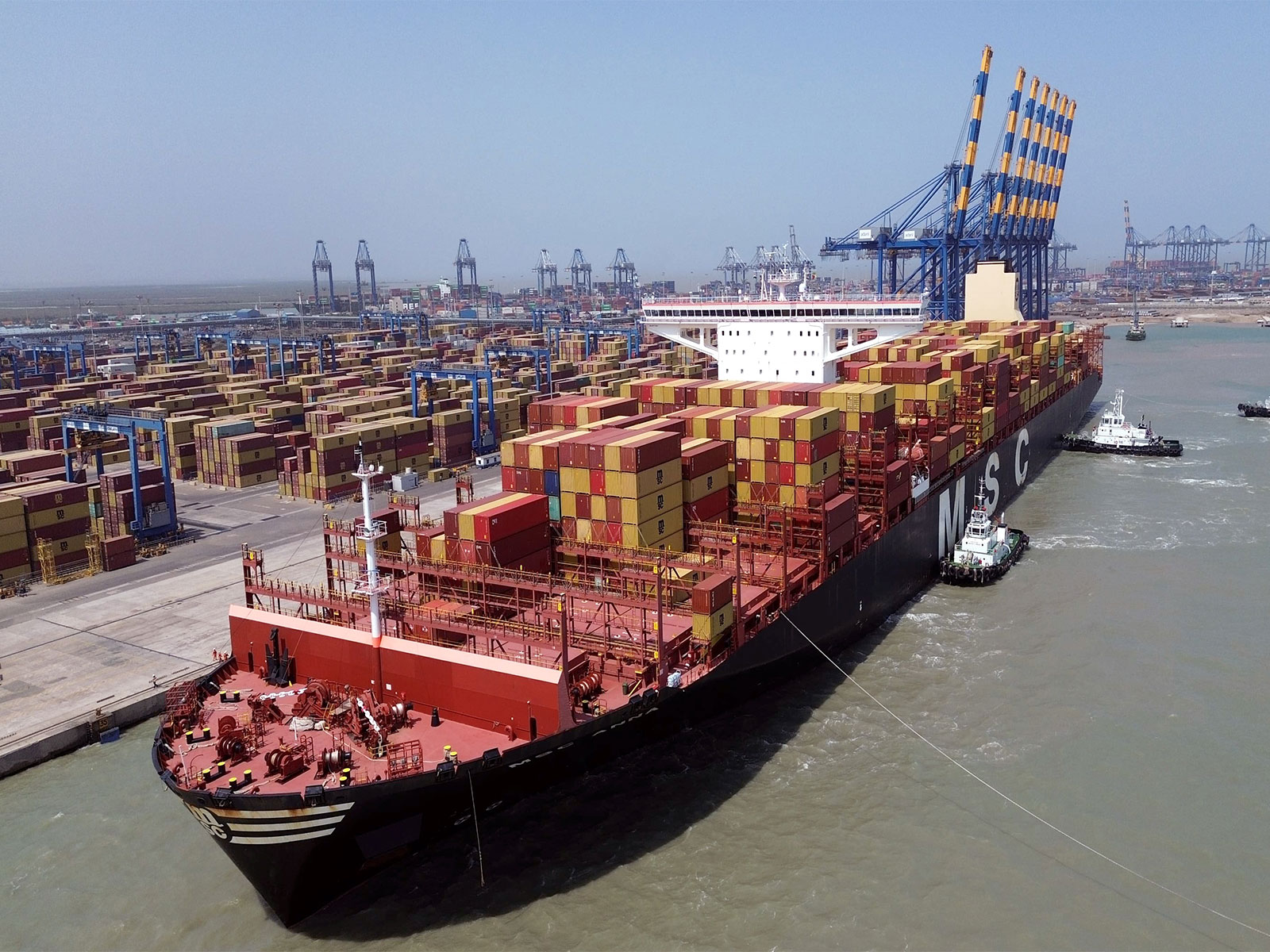
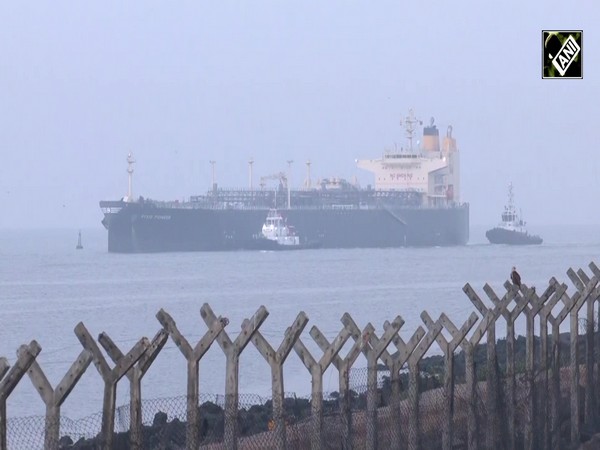
There has been worry across the world over the disruptions to energy supply chains due to the war, which started on February 28. Trump had earlier warned Iran of severe consequences if it fails to reopen the strategically vital Strait of Hormuz, a key global energy transit route.
In an earlier post on Truth Social, Trump stated that if Iran does not "fully open" the Strait within 48 hours, the United States would target and "obliterate" Iranian power plants.
"If Iran doesn't FULLY OPEN, WITHOUT THREAT, the Strait of Hormuz, within 48 HOURS from this exact point in time, the United States of America will hit and obliterate their various POWER PLANTS, STARTING WITH THE BIGGEST ONE FIRST!" the post read.
Following this, Iran on Sunday issued a stringent warning to the United States, threatening to target critical energy infrastructure across the region in an "irreversible manner."
In a post on X, the speaker of Iran's Parliament, Mohammad Bagher Ghalibaf, stated that any attack on Iranian power plants or infrastructure would prompt retaliatory strikes on regional energy facilities.
"Immediately after the power plants and infrastructure in our country are targeted, the critical infrastructure, energy infrastructure, and oil facilities throughout the region will be considered legitimate targets and will be destroyed in an irreversible manner, and the price of oil will remain high for a long time," Ghalibaf stated.
The escalating conflict began on February 28 with the killing of 86-year-old Iran's former Supreme Leader, Ayatollah Ali Khamenei, in joint military strikes by the US and Israel.
In retaliation, Iran targeted Israel and US assets in several Gulf countries, causing disruption in the waterways and affecting international energy markets and global economic stability. Due to the conflict in the region, Iran has virtually closed the Strait of Hormuz.