Ex-diplomat Surendra Kumar calls for encouraging dialogue between UAE, Iran at BRICS Foreign Ministers' Meet
May 14, 2026
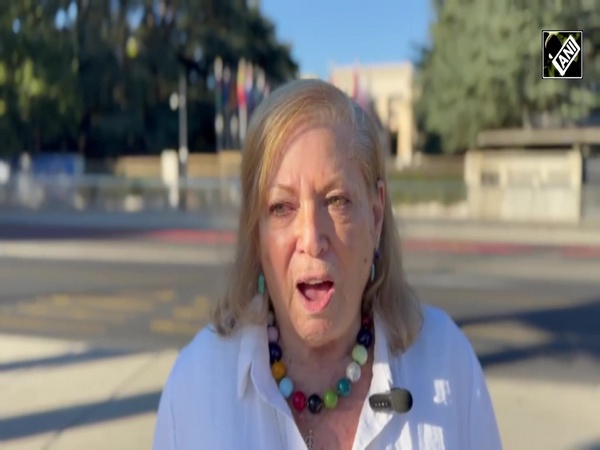
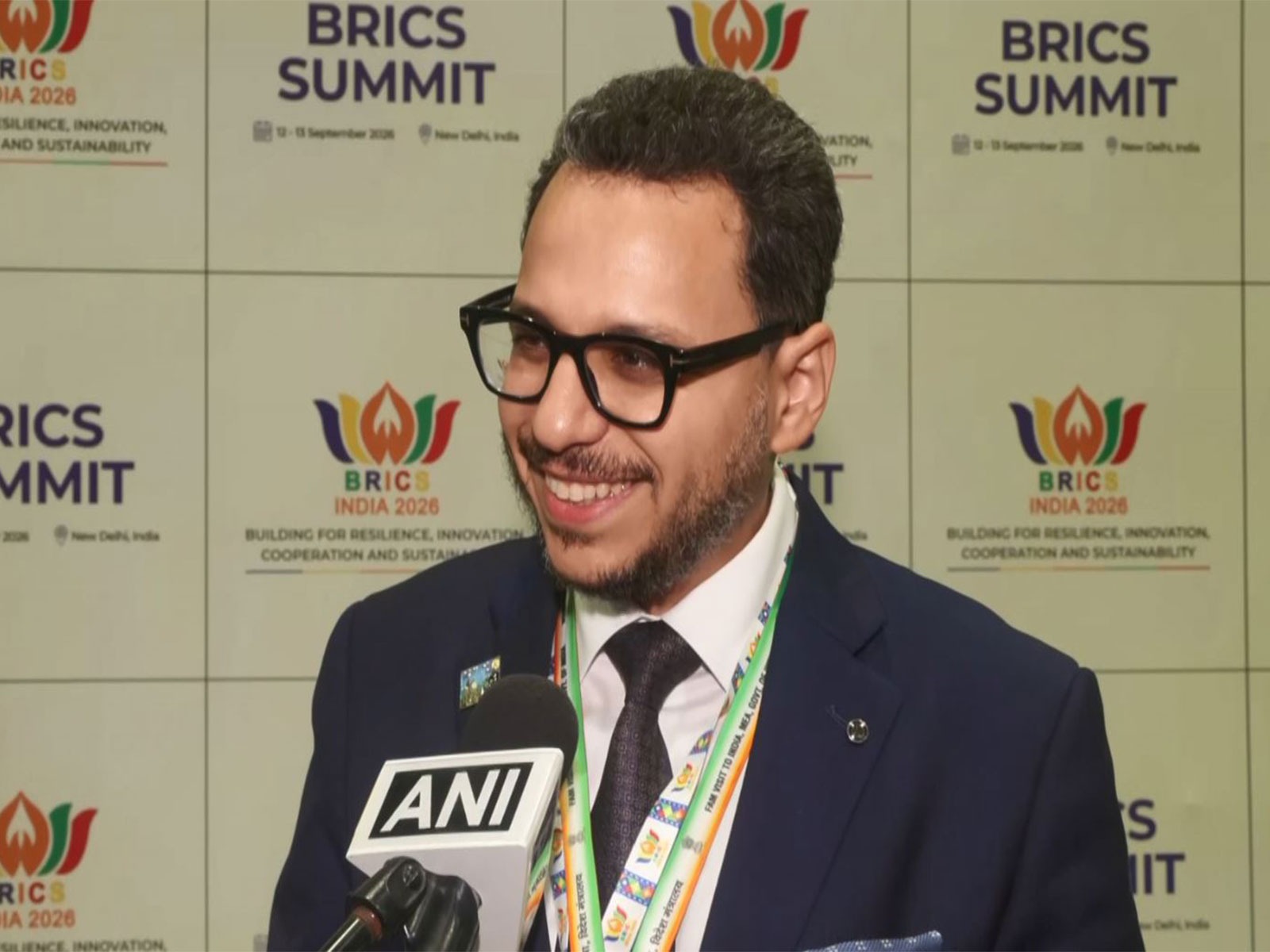
New Delhi [India], May 14 : Surendra Kumar, a former diplomat, noted that the BRICS Foreign Ministers' Meeting in New Delhi is significant to encourage dialogue between West Asian nations as it marks the presence of Iranian Foreign Minister Abbas Araghchi and his UAE counterpart Khalifa Shaheen Al Marar.
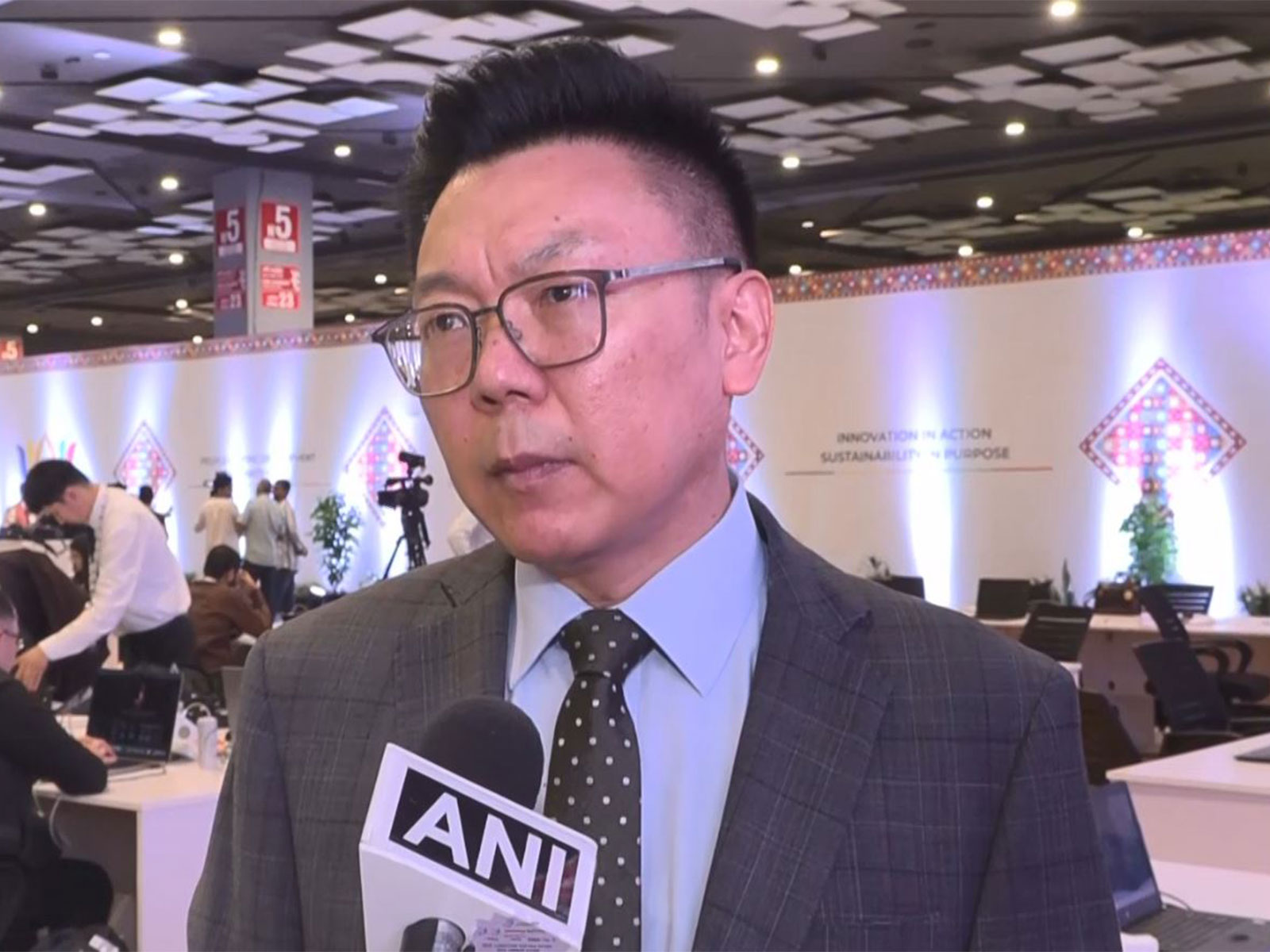
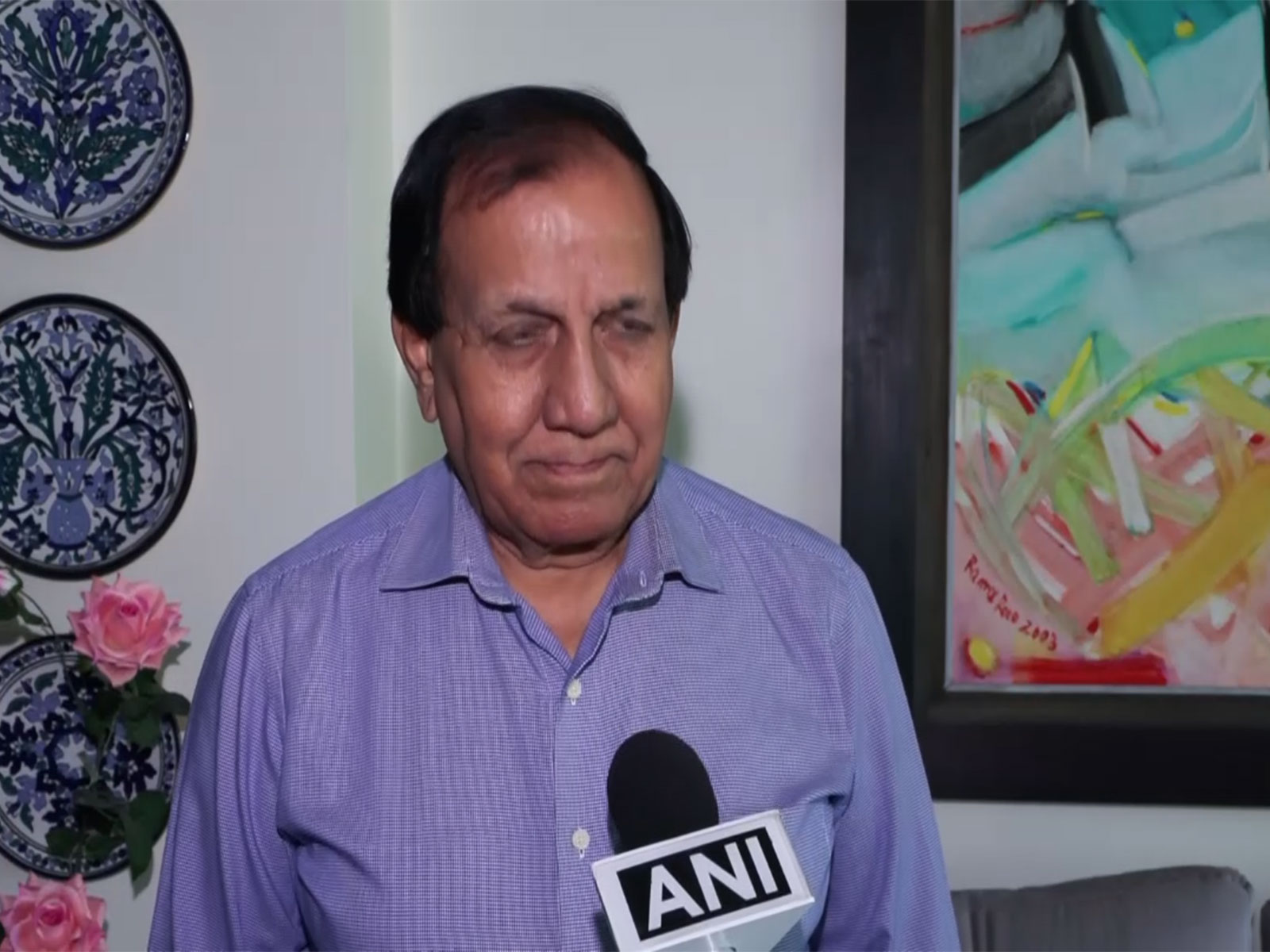
Kumar told ANI that the region is of prime importance to India, and regardless of the situation, dialogue must be encouraged.
"A workable solution would be to encourage dialogue. We have seen many new developments recently, such as the Israeli Prime Minister's visits to the UAE and various reports regarding Iranian flight paths. Regardless of what is true, this region is vital to us. The conflicts of the last two months have caused global suffering regarding oil, gas, and fertiliser supplies. I am not particularly optimistic that there will be a consensus statement, as Iran wants a condemnation of attacks against it, while the UAE points to the extensive damage Iran has caused to their interests," the former diplomat said.
Kumar said that India has called for both sides to find a constructive way to resolve their issues.
"There are, however, fundamental differences that are difficult to resolve. India maintains very good relations with the UAE--the Prime Minister has visited ten times and is scheduled to go again soon--but Iran is also very important. The EAM encouraged both sides to find a constructive way to resolve their issues. For example, the Strait of Hormuz should be open for international passage, but there is another side to the argument. If you want Iran to keep the Strait open, you must also ask for the US blockade to be lifted. You cannot have it both ways. Iran has been under pressure, and if the blockade continues to prevent them from doing business, they will have no revenue. This is not fair to a country under such strain," he said.
Mentioning External Affairs Minister S Jaishankar's speech at the BRICS meeting, Surendra Kumar said that India has already arranged 80 meetings where we exchange views to find convergence.
"This is a very important meeting. Unfortunately, it comes at a time when President Trump has already landed in China, so media attention is somewhat divided. However, as far as we are concerned, this is a significant gathering. I believe the External Affairs Minister (EAM) made a very constructive speech. He reminded those present that India has already arranged 80 meetings where we exchange views to find convergence. He emphasised dialogue and diplomacy, a stance the Prime Minister has maintained for more than ten years," he said.
Kumar said that apart from conflict zones, there are issues like innovation, resilience, and cooperation where beneficial dialogue must be encouraged. He noted that India can be a global leader in the areas of development and security.
"Despite these conflict zones, there are other issues like innovation, resilience, cooperation, and the fight against terrorism, where there is little disagreement. These are beneficial areas that should be encouraged. India has the resources, knowledge, and political will to assist member countries in these sectors. While our leverage in active conflict zones may be limited, we can certainly lead in areas of development and security," he said.
Kumar said that the world looks at US President Donald Trump and Chinese President Xi Jinping's meeting with bated breath as the latter has laid out their 'red lines'.
"Meanwhile, the world is keeping an eye on President Trump's visit to China. These are the two most powerful economies in the world--one at 33 trillion and the other at nearly 19 trillion--and they share massive business collaboration. Xi Jinping has laid out his 'red lines' very openly regarding trade and economy," he said.
On the Taiwan issue, the former diplomat added, "However, they will never compromise on the issue of Taiwan. For Chinese leaders, this is a 'mother and child' issue; they believe that sooner or later, it will integrate with the mainland. While the US practices 'strategic ambiguity,' actions like authorising USD 14 million in weapon sales to Taiwan or sanctioning Chinese companies for buying Iranian oil are seen as provocations. I personally feel these major issues will not see a breakthrough, but the visit may stabilise the relationship and prevent further threats, which is good for the rest of the world."
Kumar expressed optimism that the US-China relationship will not affect India, given New Delhi's growing economy and presence of the Indian diaspora in the US.
"Some in India may worry that if relations improve between the US and China, India will be left out. I do not believe that. India-US relations stand on their own legs. India has 1.5 billion people and is the fastest-growing major economy with a huge market. Our relationship is multi-dimensional and multifaceted, bolstered by a very influential diaspora of four million people in the USA. Our partnership will continue to expand regardless of US dealings with China. We see this through constant trade delegations and the presence of American products--from California almonds to Washington apples--in Indian markets. We should have a positive view: stability between the US and China is good for the world, while the India-US relationship continues to move to the next level," he said.
The comments came amidst the ornate setting of the State banquet hosted at the Great Hall of the People by Chinese President Xi Jinping. US President Donald Trump celebrated the "close and historic" bonds shared between the two countries, radiating a sense of stability and warmth following a day of intensive high-stakes deliberations.