"Fastest we've ever put a trade deal into force": British High Commissioner to India Lindy Cameron hails India-UK trade deal
Jun 18, 2026
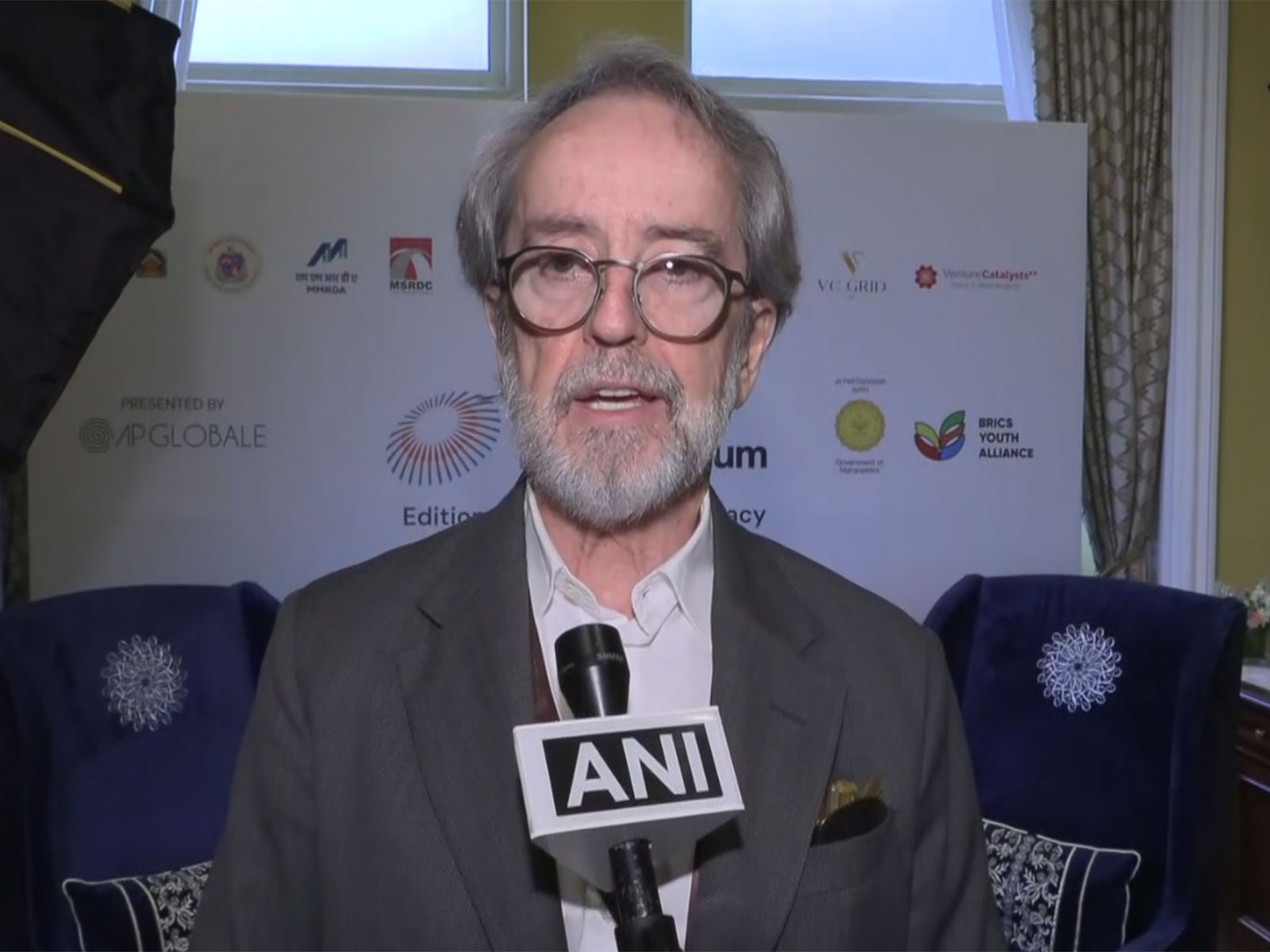
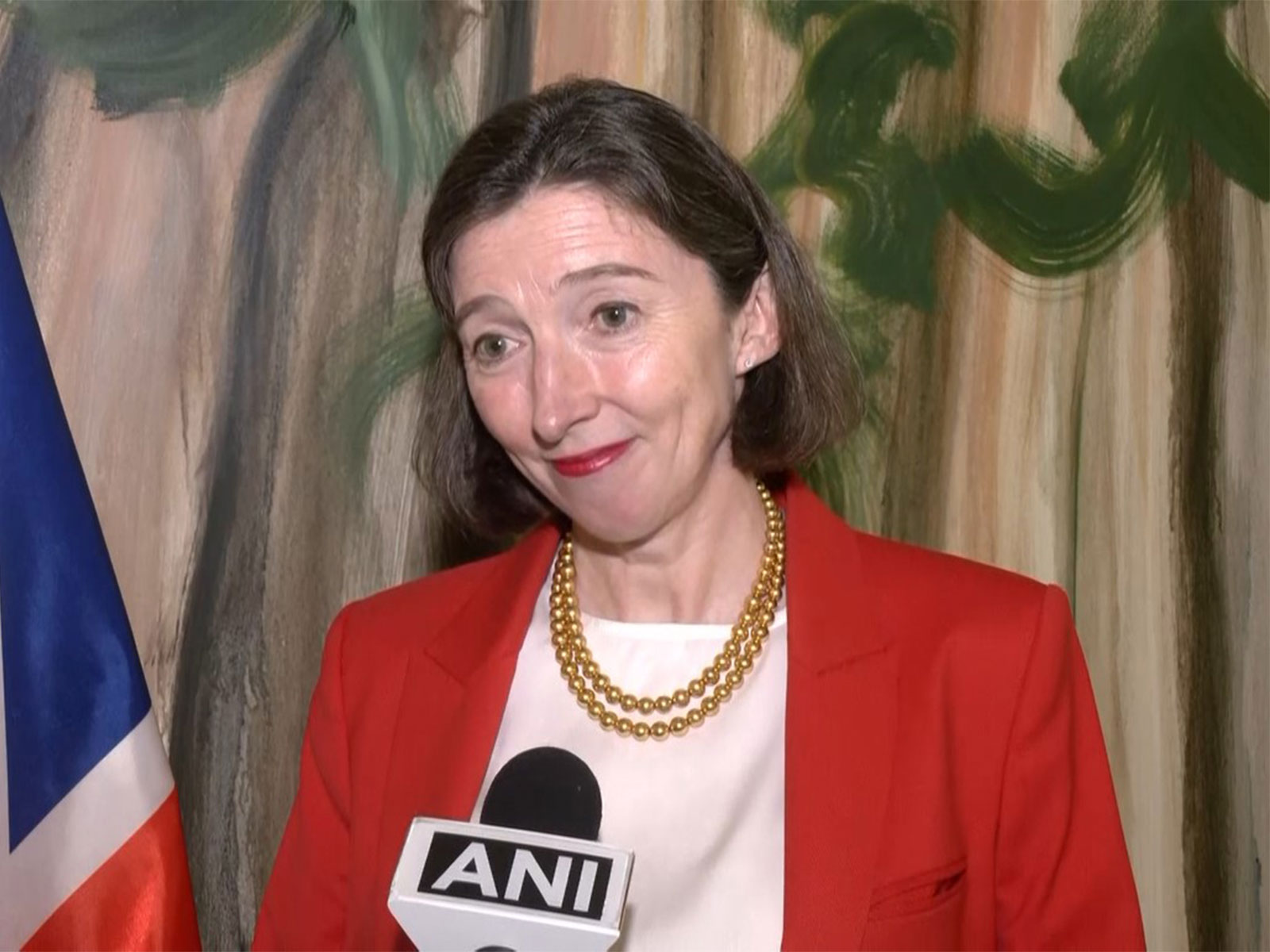
New Delhi [India], June 18 : British High Commissioner to India Lindy Cameron on Thursday hailed the India-UK Comprehensive Economic and Trade Agreement (CETA) slated to come into force from July 15, 2026, as "historic", recognising it as an opportunity for the economic benefit of both nations.
Announced after a breakthrough between Prime Minister Narendra Modi and UK Prime Minister Keir Starmer at the G7 Summit, the deal aims to double bilateral trade to $100-$120 billion by 2030.
Speaking with ANI, the High Commissioner emphasised that the deal will be effective less than a year after it was signed, calling it the "fastest trade deal" put into force by the nations.
She said that the deal assumes significance amid a "complicated time" globally, adding that it will help benefit several sectors, including textiles, footwear, and cars, among others.
"This is a really historic moment. The UK-India free trade deal will go into force on the 15th of July this year. That's less than a year after it was signed in the presence of our two prime ministers at Chequers last summer. It's the fastest we've ever put a trade deal into force. And that's important because we just see the importance of this relationship. This is a real opportunity for both of our countries to see the economic benefit from this kind of trade deal at a complicated time in the world. So we want to get it into force as soon as possible. There are textile sectors and the footwear. I can think of whiskey. I can think of cars. So many sectors are going to benefit," she said.
The UK grants immediate duty-free access to 99% of Indian exportS and will benefit labour-intensive sectors like textiles, leather, marine, and pharma. Indian import tariffs on British Scotch whisky will also drop from 150% to 40%.
Regarding the contentious issue of UK steel safeguard measures, she said that discussions were held with India to address necessary concerns. She reaffirmed that the deal will benefit both nations abundantly.
"Steel, of course, is an important issue for both of our countries, so of course we discussed it with India as we do with many key partners. What's fantastic now is that the trade deal has gone into force or goes into force more accurately on the 15th of July and both sides will really be able to get the full benefit of that," she stated.
Earlier, senior government sources told ANI that the government is working to ensure that customs notifications and related processes are put in place so that exporters can start availing concessions from day one, senior government sources told ANI.
"Government is working towards getting customs notifications and processes in place. The effort will be to see that exporters are able to sell their consignments on July 15 itself, availing concessions," sources said.
Describing the pact as a landmark achievement, government sources said, "India-UK CETA is the most aspirational agreement so far," adding that it opens up a market worth over USD 500 billion for Indian businesses.
"India will have decent market access. More than USD 500 billion worth of market opens up for India. India-UK CETA opens up large economic opportunities on both sides," sources said.
The agreement is expected to provide an additional tariff advantage of 7-10 per cent to Indian exporters, bringing India at par with several other countries that already enjoy zero-duty access to the UK market. Sources said over 99 per cent of India's tariff lines and 99 per cent of India's trade would come down to zero duty under the pact.
India currently enjoys a trade surplus with the UK in both merchandise and services. India's services exports to the UK stood at USD 21.6 billion in 2024, while UK services exports to India were valued at USD 13.7 billion. Merchandise exports from India to the UK stood at USD 13.7 billion in 2025, compared with imports of USD 9.47 billion.
On the contentious issue of UK steel safeguard measures, government sources said India's concerns had been adequately addressed during negotiations.
They added that around 85 per cent of India's steel exports would remain outside the scope of the UK's steel measures, while concessions had been negotiated on 188 steel tariff lines.
Sources also highlighted the growing economic engagement between the two countries, noting that more than 900 Indian companies are currently operational in the UK.