"Father of all deals": BJP MP Harsh Vardhan Shringla on India-US trade pact
Feb 03, 2026
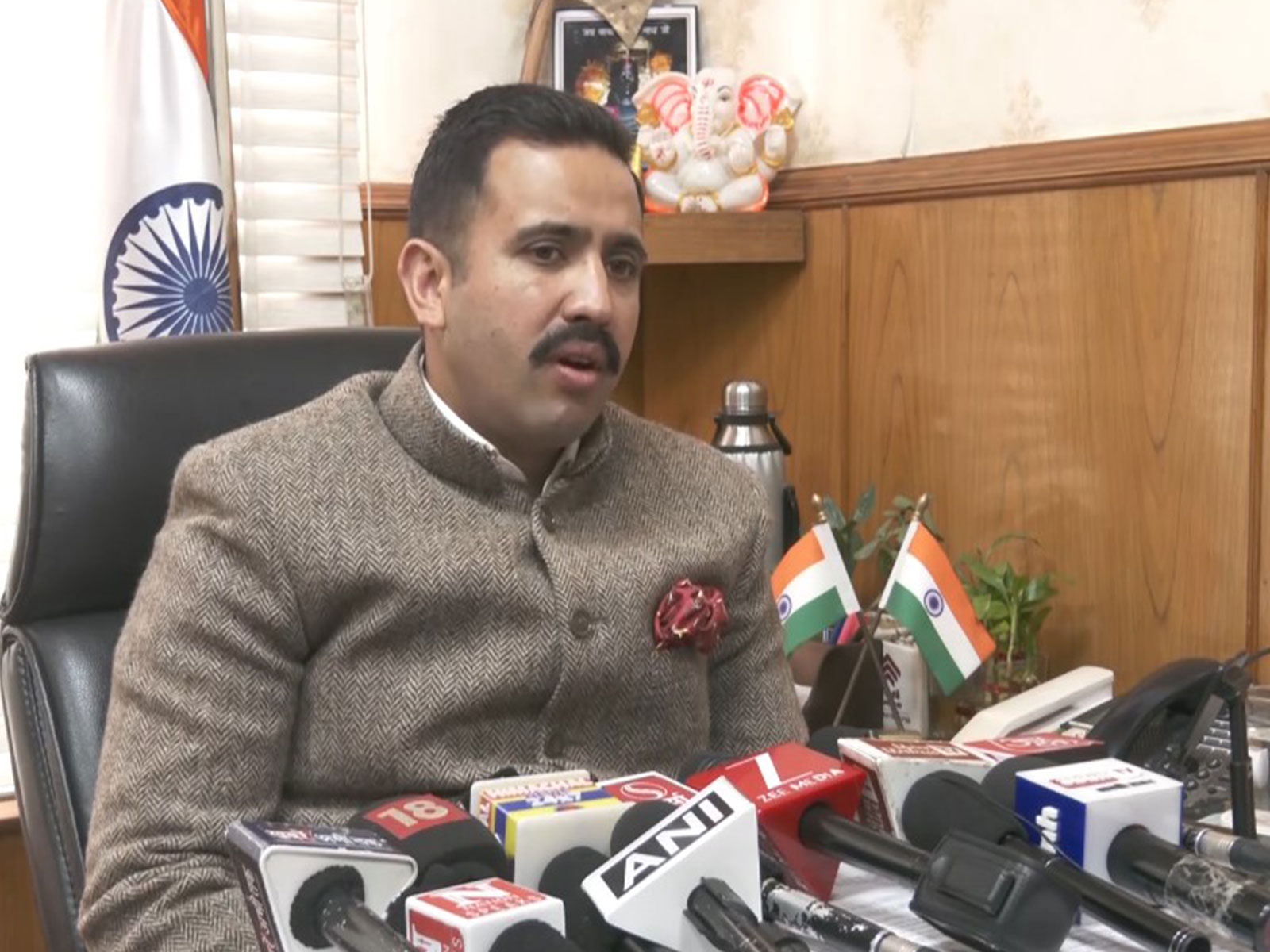
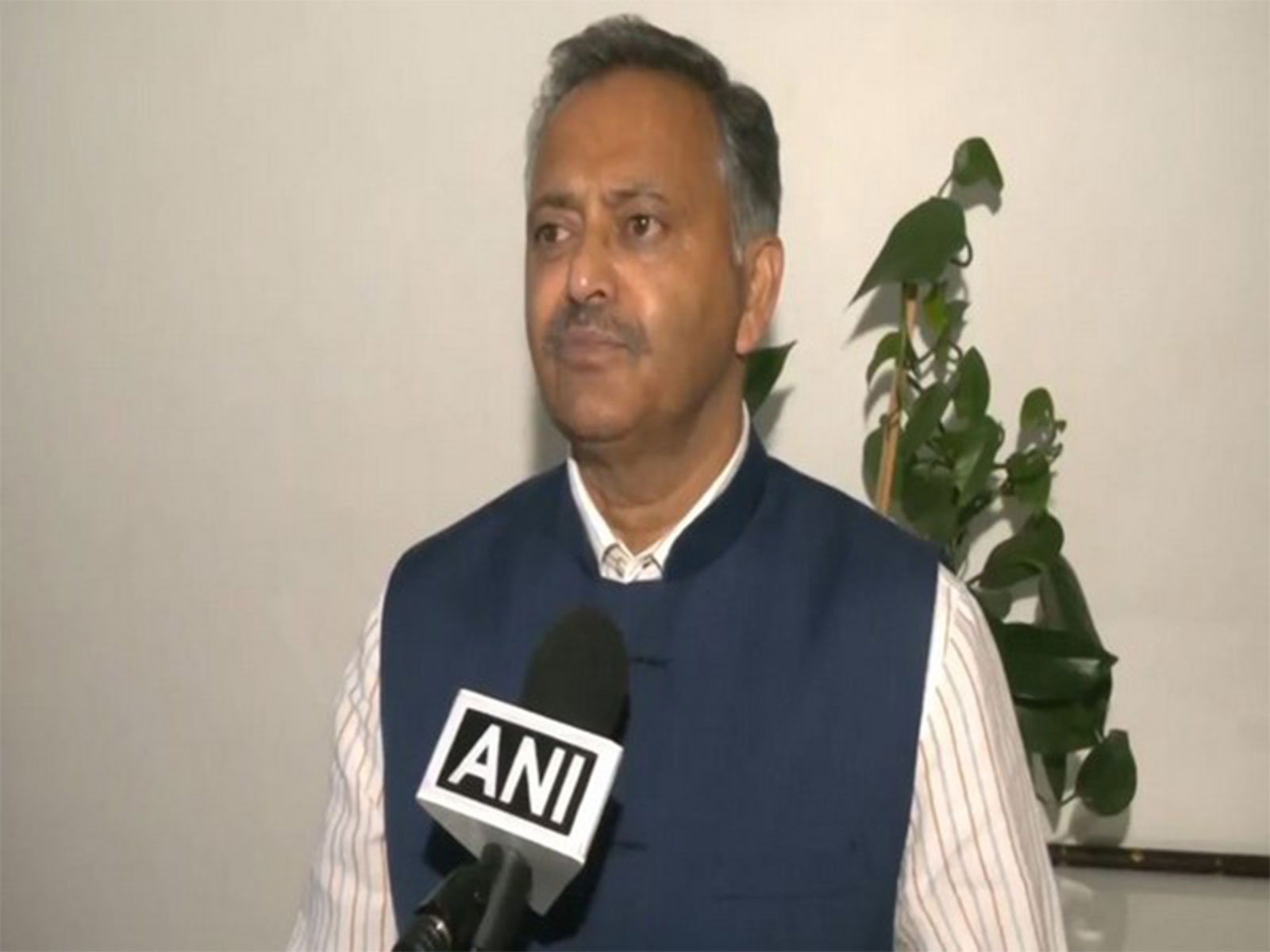
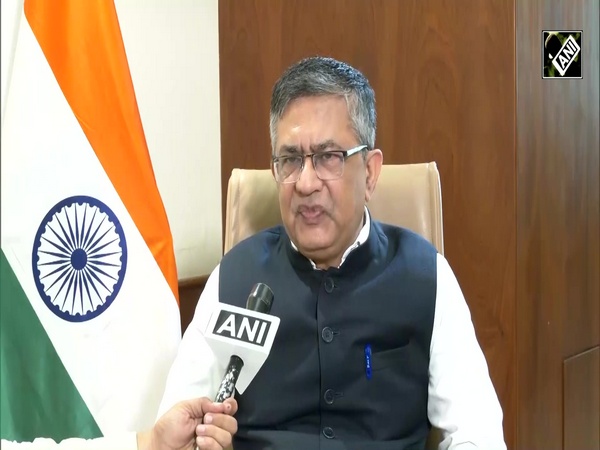
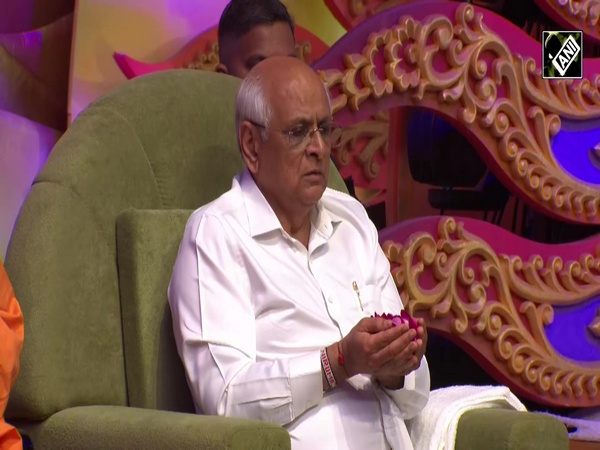
New Delhi [India], February 3 : Terming the India-US trade agreement as the "father of all deals", Bharatiya Janata Party (BJP) MP Harsh Vardhan Shringla on Tuesday said the pact, along with the recently concluded India-EU agreement, has opened unprecedented opportunities for India's exporters, small-scale industries, farmers and labour-intensive sectors by giving them access to a high-value global market.
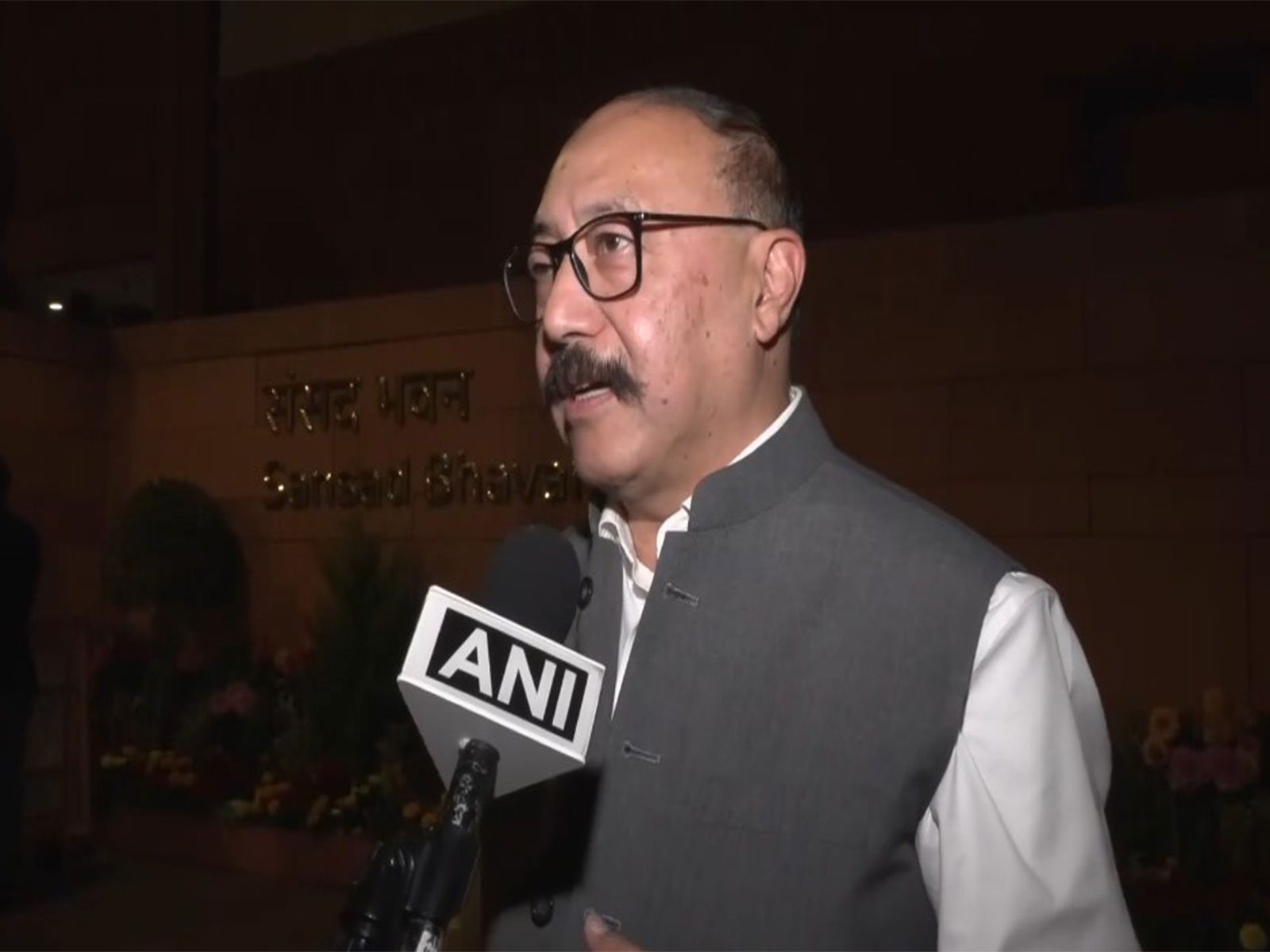
Speaking to ANI, the Rajya Sabha MP said, "I think it is a historic deal. Full credit goes to the Prime Minister, who has waited patiently to ensure the best conditions were in place to finalise the deal. It is also attributable to the strong personal chemistry he has with President Trump. He was full of praise for PM Modi. It not only gives us a competitive market advantage in the US. At the same time, it uplifts India's stature on the global stage. It is a matter of pride that we have concluded two of the largest deals."
He added, "Opposition has nothing to say now, and is agitated that the PM has gone and concluded the 'father of all deals'."
"Purchase of oil is largely left to the oil companies, who are doing it. They will purchase oil, which is the most cost-competitive. People have to decide based on the national interest," he added.
Highlighting the India-US trade deal announced following talks between Prime Minister Modi and US President Donald Trump, Shringla said India has secured a comparative tariff advantage over its global competitors.
Speaking to ANI, in response to Union Minister Piyush Goyal on the India-US trade agreement, Shringla said, "It is very good that the commerce minister has clarified because of the simple fact that I think many of the issues raised are based on a lack of facts, and I think the opposition is trying to find issues where there are none. I have already tweeted that agriculture is not a basis. We have taken time to negotiate the deal to ensure that the interests of our farmers and agriculturists are protected. The agriculture and dairy sectors are protected...Russian oil is not an issue on which governments are making decisions. I've already seen that our imports into Russia have declined since January. There's a significant decline."
He added, "This is because the spread between Russian oil and international prices has narrowed, and sanctions have also made it more difficult. At the same time, other sources of oil are available in the market, whether it is US, whether it's Venezuelan, Brazilian, Gayana oil and that is important from our point of view because strategically we need to diversify oil away from certain centers that means you need to buy from several sources but not from only one or two sources and I think this is part of that diversification process."
Participating in the discussion on the Motion of Thanks to the President's Address in Parliament, Shringla congratulated Prime Minister Narendra Modi for finalising the trade agreements and said the two deals together provide Indian industries access to markets worth nearly USD 60 trillion.
"India is facing a tariff of 18 per cent. In comparison, Brazil faces 50 per cent, China 37 per cent, South Africa 30 per cent, Vietnam and Bangladesh 20 per cent, Malaysia, Pakistan and Indonesia 19 per cent. This gives India a clear competitive edge in global markets," Shringla said in the Rajya Sabha.
He said the tariff advantage would directly benefit labour-intensive and manufacturing hubs across the country, including Tripura, Coimbatore, Kochi, Surat, Ludhiana and Siliguri, strengthening the Make in India initiative and boosting small-scale industries.
Shringla said India-US bilateral trade currently stands at USD 212 billion and is expected to reach USD 300 billion by the end of the year, with a target of USD 500 billion within the next two years.
Referring to market reactions, he said the Sensex rose by 2,200 points and the rupee appreciated by 1.2 per cent, indicating investor confidence following the trade agreement.
"The markets are happy. This deal was achieved despite pressure from the opposition, domestic industries and international stakeholders. The government held firm because the Prime Minister's priority has always been 'India First'," he said, adding that sensitive sectors like agriculture and dairy were safeguarded during negotiations.
Shringla also acknowledged the role of the US Ambassador to India in strengthening bilateral trade ties, noting that while deals with smaller countries are easier to conclude, negotiations with large economies like India, Russia and China involve complex and time-consuming arrangements.
"If the EU agreement is the 'mother of all deals', then the US trade deal is the 'father of all deals'. It is a historic moment for India's foreign policy and economic policy," he said.
He added that the agreement would also generate spin-off benefits in investment, technology transfer, defence cooperation, co-production and co-development, while expanding India's manufacturing base and employment opportunities.
Responding to opposition remarks on Russian oil imports, Shringla said India had been sourcing 30 to 40 per cent of its oil from Russia over the past four years, though purchases have declined in recent months due to narrowing price differentials and increasing sanctions.
"India's oil import dependency is around 80 per cent. Strategically, we cannot rely on a single region. Our energy security requires balanced sourcing from the US, Russia, Guyana, Brazil and other countries," he said in Rajya Sabha, adding that refineries make purchase decisions based on price and quality considerations.
He also recalled that India imported nearly USD 6 billion worth of oil from Venezuela before 2020, underlining the need for flexibility in global energy sourcing to safeguard supply chains during geopolitical conflicts.