Financial literacy a "core life skill" to secure savings, says Shamika Ravi
Mar 27, 2026
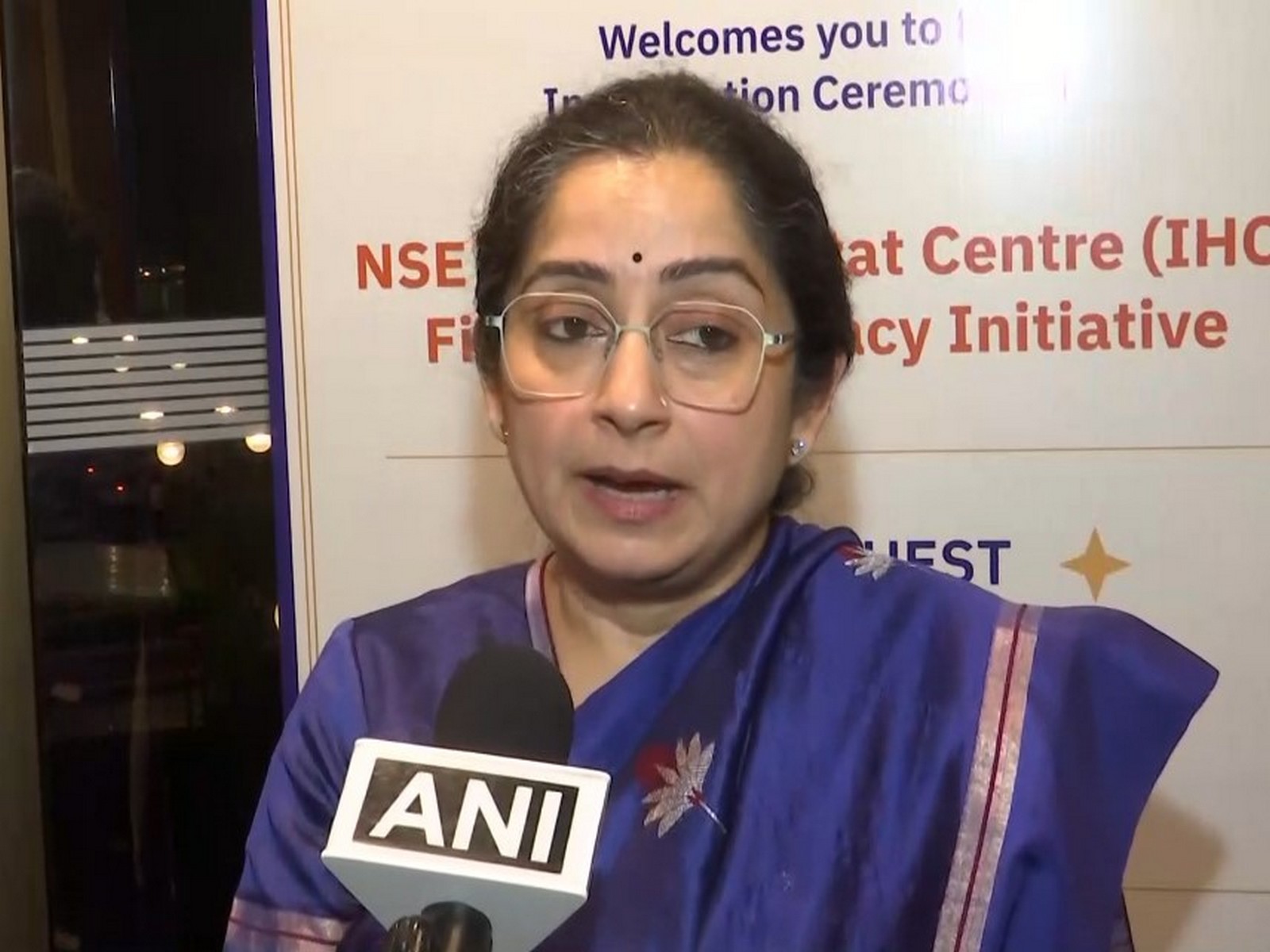
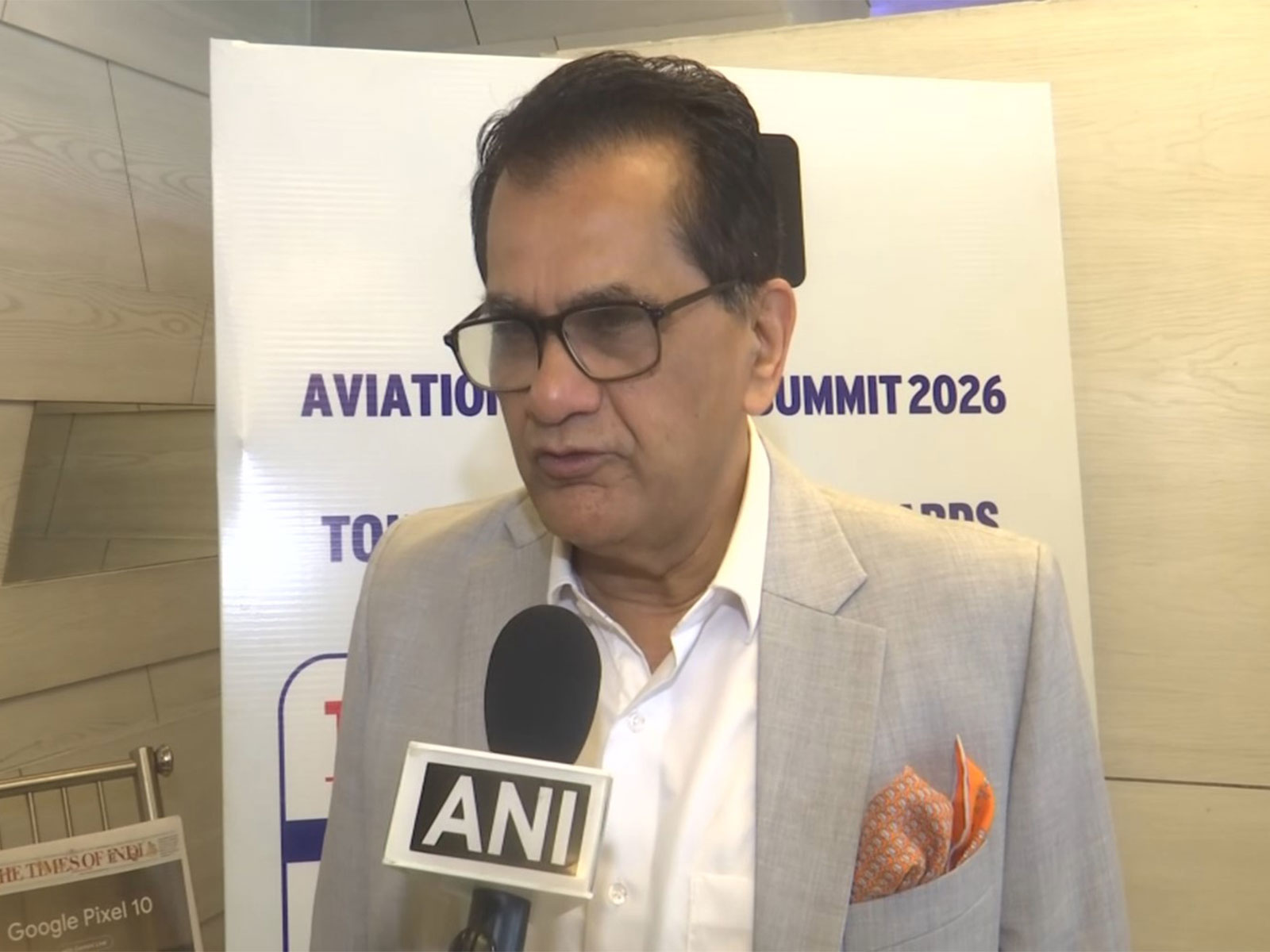
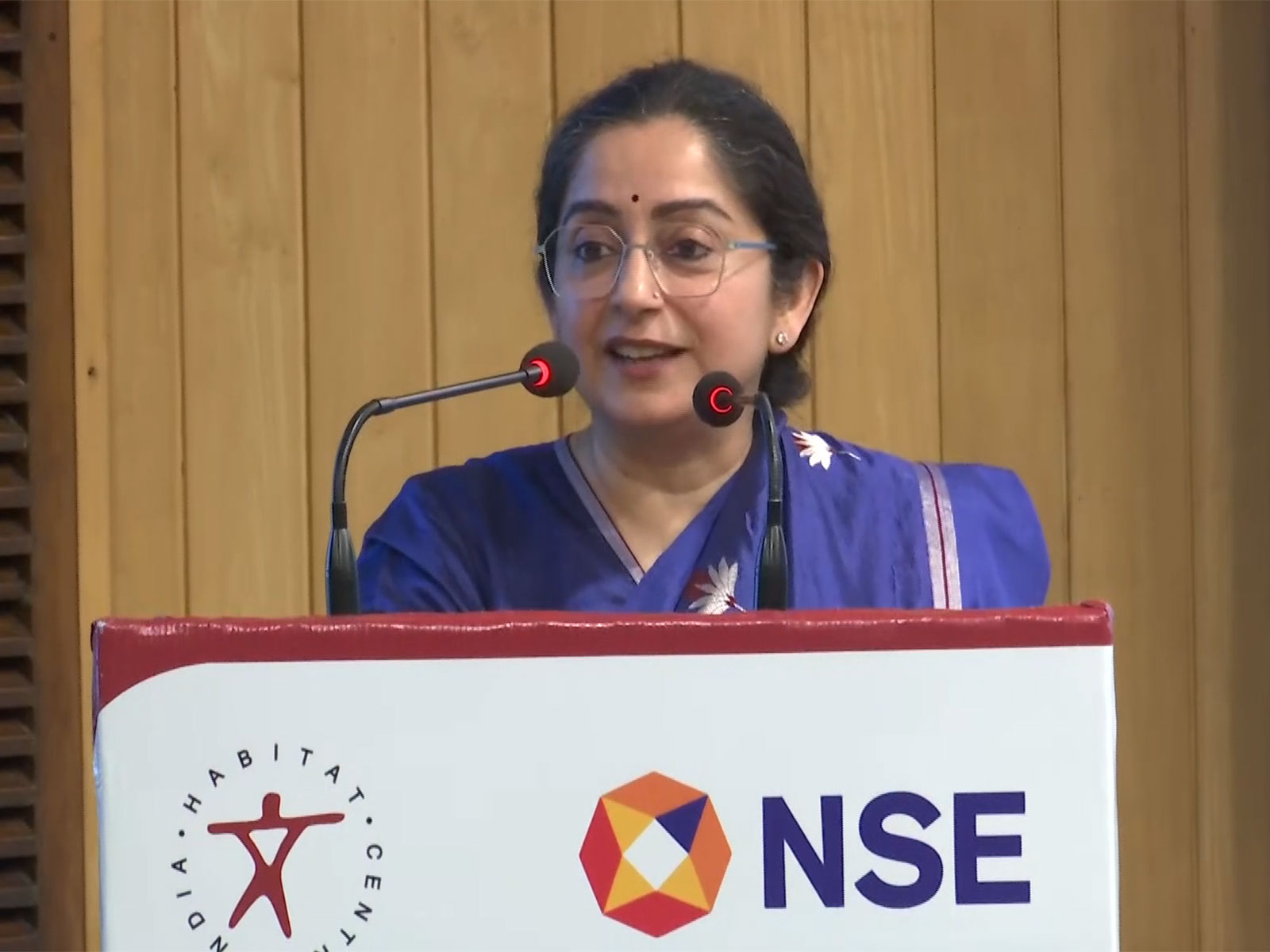
New Delhi [India], March 27 : Inaugurating the NSE IHC Financial Literacy Initiative on Thursday, Shamika Ravi, Member of the Economic Advisory Council to the Prime Minister, described financial knowledge as a "core life skill" equivalent to knowing how to drive or swim.
"Financial literacy is like a core life skill, it's like knowing how to drive, like knowing how to swim. And of course, you can stay away from the water and perhaps hire a driver or use public transport if you are in a city like that. But how do you stay away from financial knowledge? It's part of your core assets you're working hard to build," she said.
During her keynote address, Ravi emphasized the necessity of an institutional platform to address a problem that the country has discussed for 30 years. She noted that financial literacy remains a "non-tractable" challenge because different segments of the market require vastly different approaches to education.
Ravi highlighted a significant gap in financial understanding even among highly educated professionals. Sharing her experience teaching at global business schools, she remarked that students with "the smartest analytical minds" often struggle with basic concepts like the difference between a flat interest rate and a declining balance interest rate.
"They usually draw excellent salaries. You just give different ways of reporting a simple instrument like let's say a loan... you'll be surprised, they falter at it," Ravi said. She contrasted this with women from disadvantaged backgrounds who often pay for insurance premiums without knowing it because the products are bundled with their loans.
Ravi argued that the current state of financial literacy in India is "a little bit like the elephant and the six blind men," where various stakeholders perceive only fragments of the problem. She pointed out that many people still lack fundamental knowledge about regulated entities, noting that very few know that "Chit Funds are actually a regulated entity in India" under the Act of 1982.
She explained that while increased digitalization has simplified access through phones, it has not necessarily improved understanding of sophisticated products. She questioned why traditional assets like gold remain attractive despite the availability of high-return market products.
Addressing the transition from savings to investment, Ravi stated that while India traditionally has a high savings rate, much of it remains in illiquid assets like land and jewelry. "If savings has to be mobilized into investment, it has to go through the financial market," she explained.
She observed that India now has over 100 million active participants in the equity market, a milestone that brings "its own set of innate risks." She further explained that financial institutions are unlikely to lead literacy efforts as a business model because "it's a costly exercise" and "it will never be a business model" to spend hours educating a single borrower.
Ravi stressed that financial literacy must be treated as a public good and integrated early into the schooling system. She noted that the new education policy makes a concerted effort to ensure students graduate with a "core knowledge of what does it mean cash flow" and "what is a savings account."
"Knowledge is so important. What we are invoking through the invocations that you do, you're really invoking Saraswati to protect Lakshmi," Ravi noted.