Focus on long-term growth: Industry hails capex push and fiscal discipline in Budget 2026
Feb 01, 2026
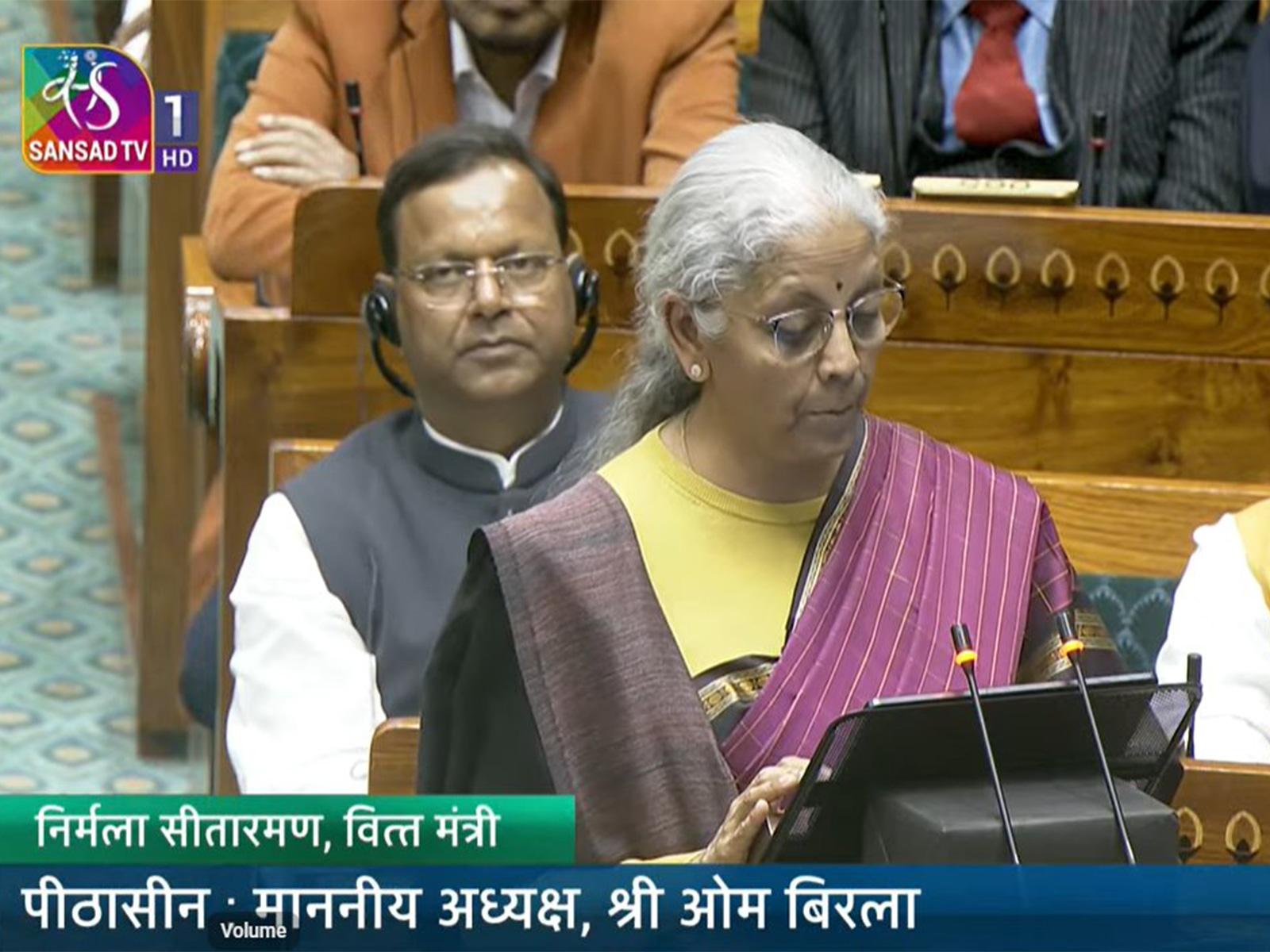
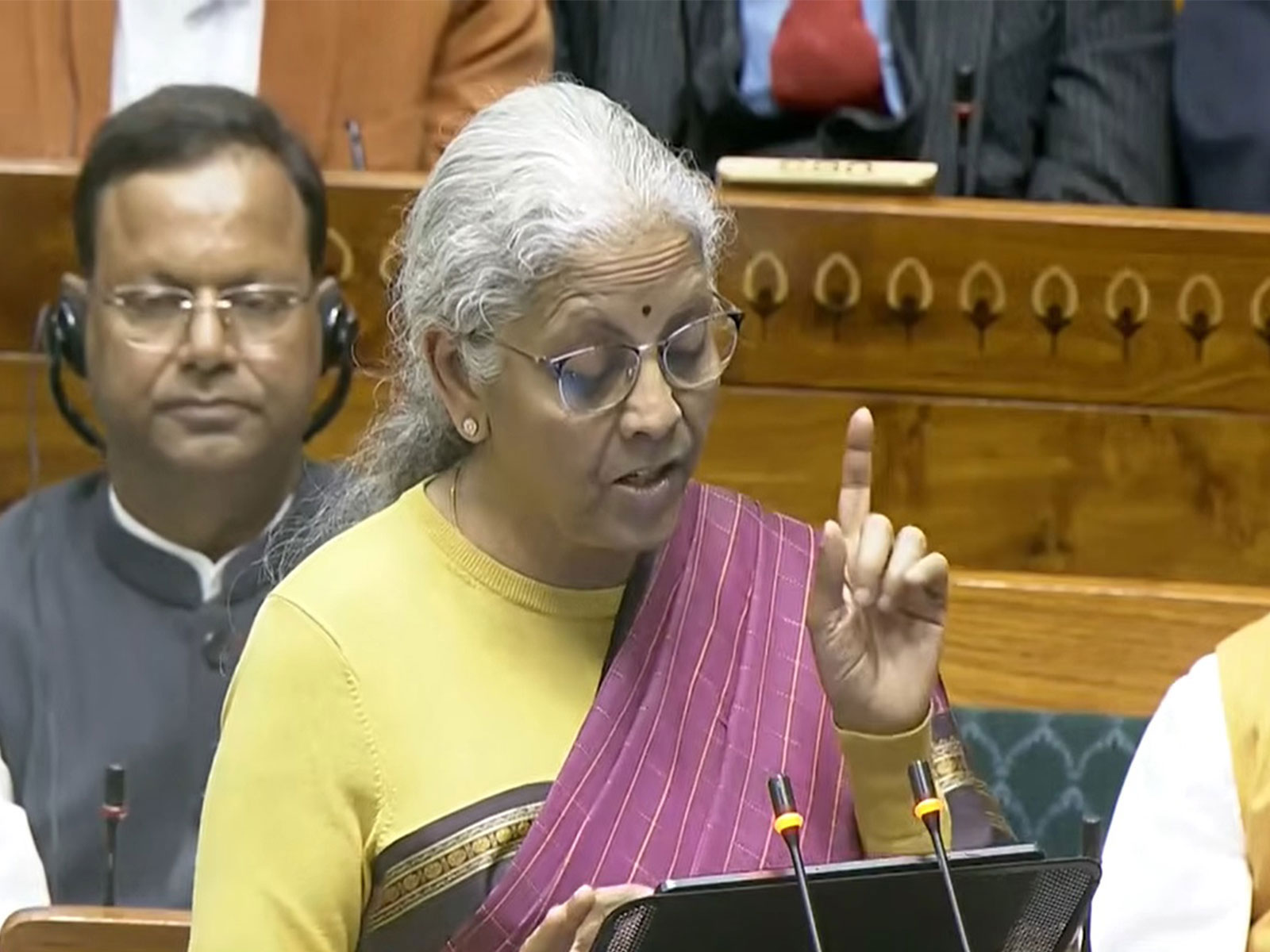
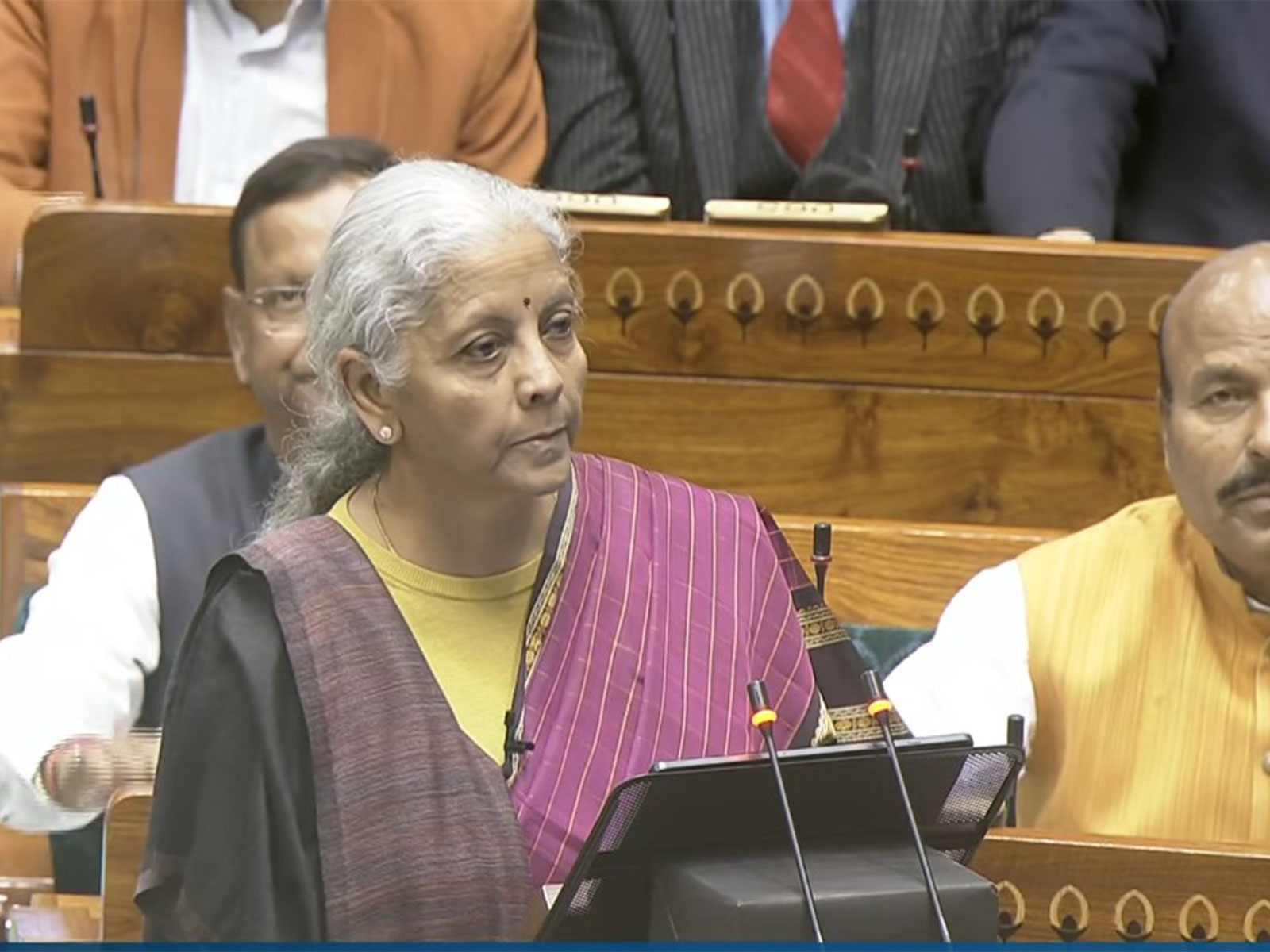
New Delhi [India], February 1 : Union Finance Minister Nirmala Sitharaman on Sunday presented the Union Budget 2026-27 in Parliament, proposing a significant 9 per cent increase in capital expenditure to Rs 12.2 lakh crore.
This substantial allocation is designed to sustain momentum in nationwide infrastructure development while providing a robust cushion for economic growth, up from Rs 11.21 lakh crore in the previous financial year.
The industry has reacted with notable optimism, particularly regarding the scale of public spending. Amisha Vora, Chairperson & Managing Director of PL Capital - Prabhudas Lilladher, highlighted that the 24 per cent rise in government capex is "huge" and noted the strategic importance of the 21 per cent hike in defence spending.
She further observed that the new tax exemptions for foreign investments in data centres, valid until 2047, "provide long-term visibility" for global players. Vora also pointed out that simplified regulations for Income Tax and Customs "should also go a long way in improving compliance and reducing friction for businesses."
The Confederation of Indian Industry (CII) also lauded the government's ability to balance aggressive growth with financial stability. Chandrajit Banerjee, Director General of CII, stated that the fiscal deficit target of 4.3 per cent of GDP for FY27 is "well aligned with the glide path recommended by CII and reinforces confidence in India's macroeconomic management."
He emphasised that the industry appreciates the clear "adherence to the debt-to-GDP glide path to reach 50% of GDP by FY31," noting that this discipline is effectively "balanced with flexible policy calibrated to economic realities."
Infrastructure remains the centrepiece of the corporate reaction. Banerjee noted that the Rs 12.2 lakh crore public capex--which swells to an "effective capital expenditure exceeding ₹17 lakh crore"--will play a "vital role in crowding in private investment, strengthening infrastructure and improving productivity across sectors."
Neetu Vasanta, India Leader for Travel, Cities & Infrastructure at BCG, echoed this sentiment, suggesting the budget marks a "decisive shift from building assets to building ecosystems." She highlighted that the focus on Tier 2 and 3 cities will "unlock the next wave of urban growth," while new tools like the Infrastructure Risk Guarantee Fund "signal a maturing investment environment that crowds in private capital rather than just spends public money."
The Micro, Small, and Medium Enterprises (MSME) sector received specific attention through various liquidity and growth measures. The CII welcomed the Rs 10,000 crore SME Growth Fund and the linking of the Government e-Marketplace (GeM) with the TReDS platform.
Banerjee remarked that these initiatives, along with simplified compliance, "will improve access to finance, encourage formalisation and boost the competitiveness of smaller enterprises," adding that such steps are "critical for employment generation and inclusive growth."
In specialised sectors like textiles, the focus has shifted toward global competitiveness. Mehak Dhir, Managing Director & Partner at BCG, noted that the budget's push to modernise clusters and promote sustainability "signals a clear pivot towards competitiveness."
She described the new Fibre Mission as "timely and forward-looking," asserting that by strengthening the core of the textile sector, "India is positioning itself to lead in domestic value creation" and "fully leverage the next wave of FTAs."
The tourism sector is also being reimagined as a major economic engine. Neetu Vasanta observed that the budget "smartly links infrastructure with experience-led travel" by proposing to skill 10,000 guides and activate heritage clusters.
By turning sites like Sarnath and Hastinapur into "global-scale cultural hubs," she believes the government is engaging in "nation-building with intent, not incrementalism," effectively turning the travel sector into a "powerful jobs and local-economy engine."