Foreign tourists bask in Holi celebration in Kathmandu
Mar 02, 2026
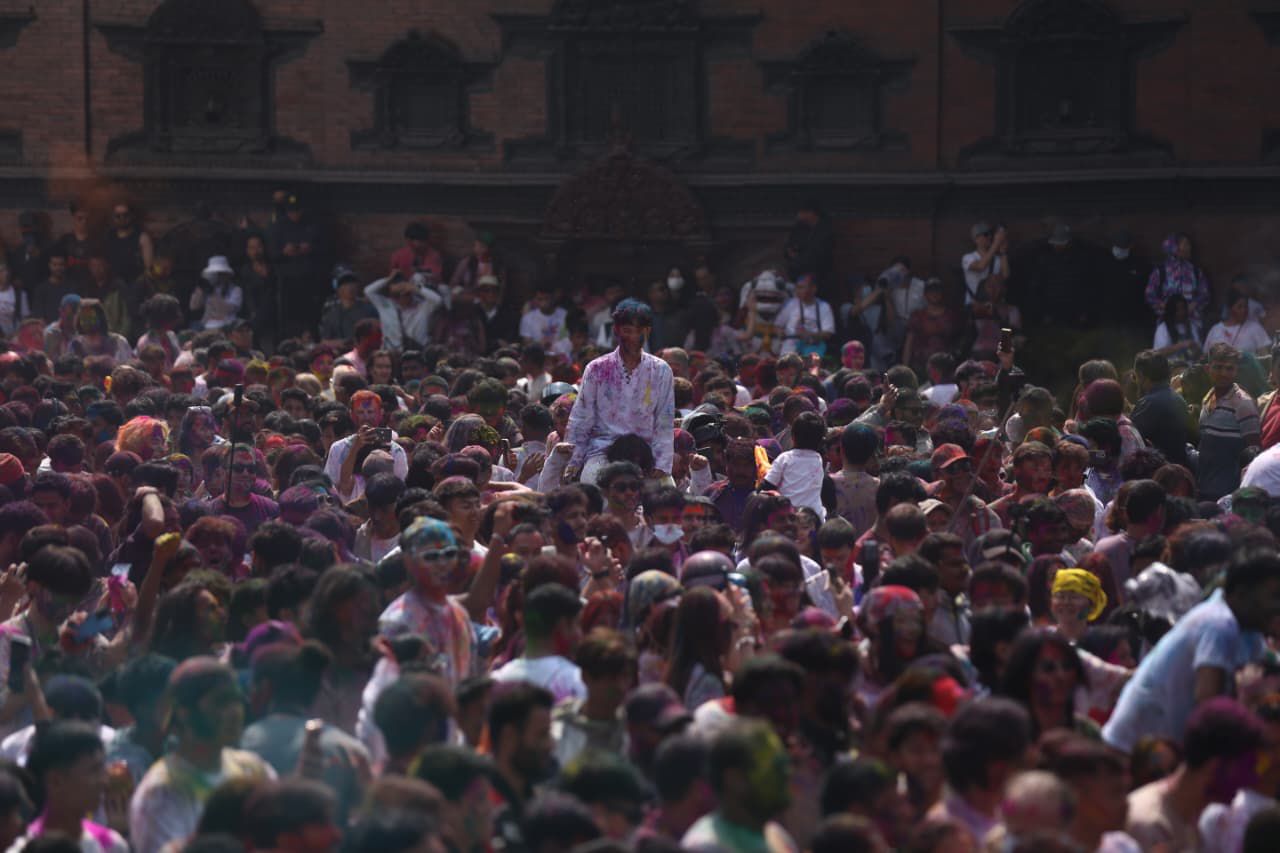
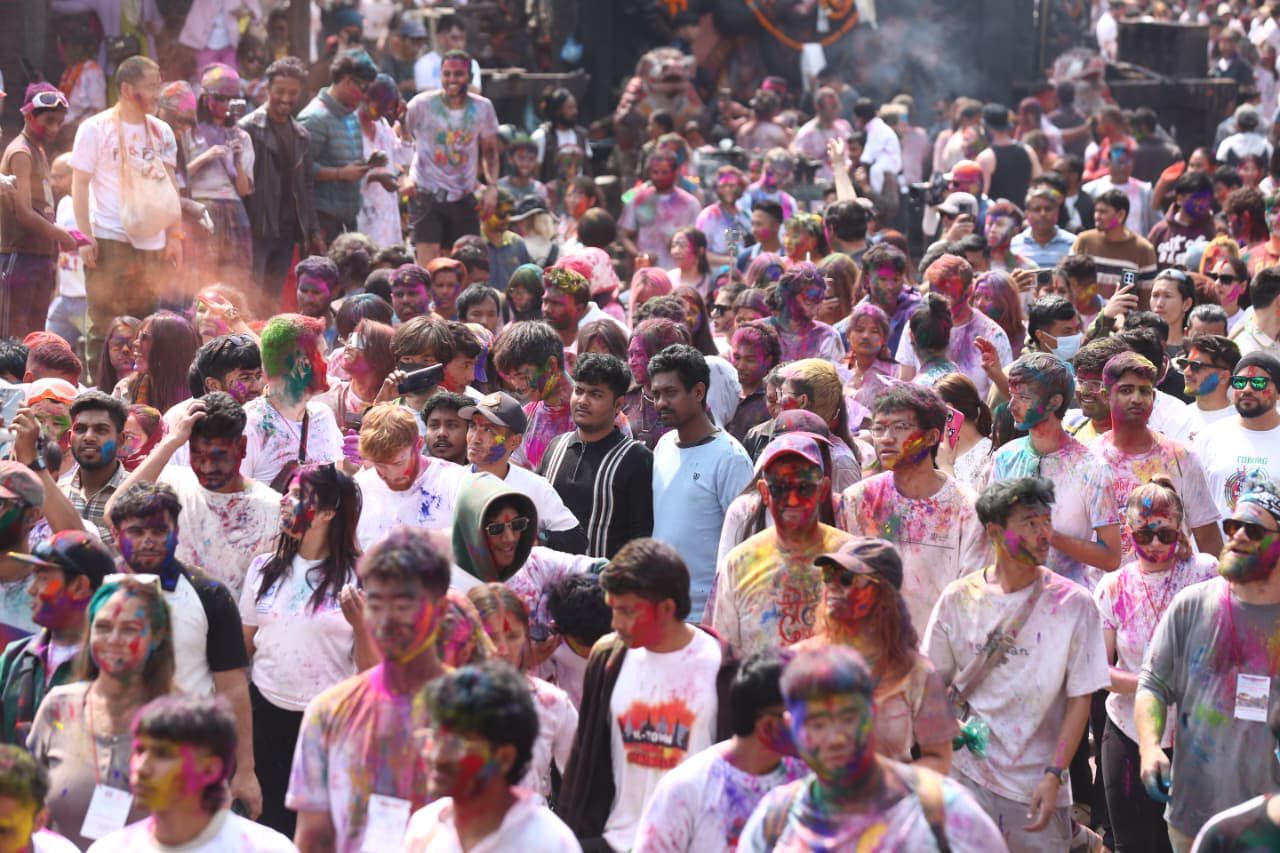
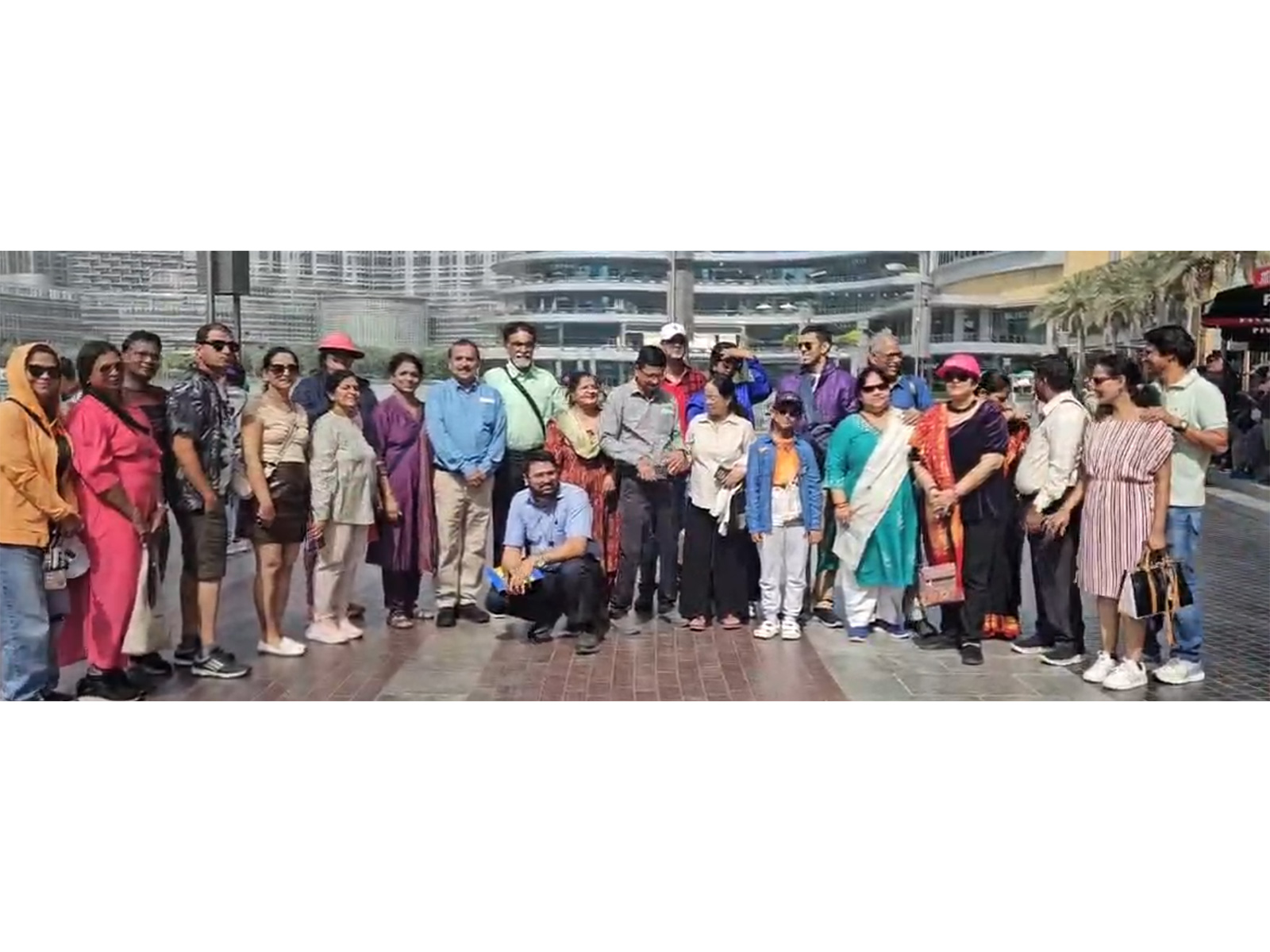
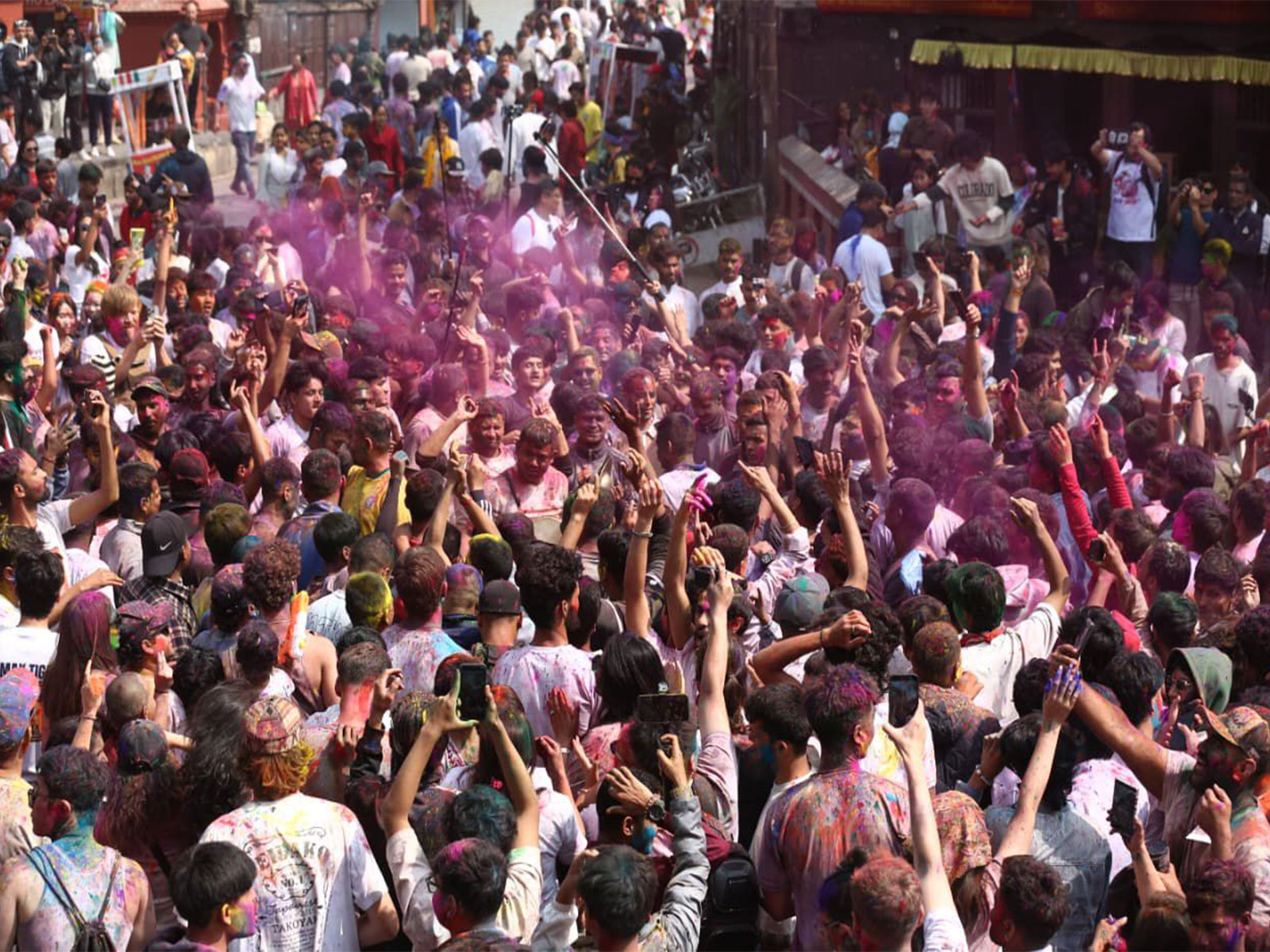
Kathmandu [Nepal], March 2 : Hundreds of foreign tourists on visit to Nepal drenched themselves in colours along with the revelers celebrating Holi, the festival of colours in Kathmandu Durbar Square.
Foreigners joined the celebration in the UNESCO World Heritage Site, smearing colours on each other's faces with the greeting of "Happy Holi" in the premises of the ancient palace.
The Kathmandu or Basantapur Durbar Square a common place for Kathmanduites to gather and celebrate the festival of colours. The UNESCO World Heritage Site, previously the royal palace, has witnessed major turmoil and changes in Nepal is also referred as the "Holi Junction of Kathmandu". Every year, people observing the festival of colours usually visit the historical courtyard for recreation.
"It is amazing. Just arrived yesterday, and the first impression of Nepal is great, it's awesome," Alexandar, a German tourist smeared in colors told ANI.
The festival, also called the Spring festival, marks the arrival of spring and the harvest season. The first day of the festival is called Chhoti Holi or Holika Dahan, and the second-day Dhuleti or Holi. Holika Dahan, the death of Holika, the symbol of the triumph of good over evil, is marked by lighting a bonfire and performing a special Puja to burn evil spirits. The next day, people enjoy smearing one another with different colors including Abir or red vermilion powder.
Among various cultural festivals celebrated in Nepal, the Fagu Poornima carries its own specialty and significance. People from old to young age enjoy the festival with enthusiasm. One of the widely observed festivals of the country, the festival begins on the eighth day of the new moon and ends with the burning of the 'Chir', which was installed earlier, on the full moon day later today.
"I came here around one hour before, but it was not that busy, not much energy, but in the last hour so many people came, so much energy and action, you can feel the happiness; everybody just happy and celebrating, Happy Holi," David, another tourist from the Czech Republic told ANI.
The festival of colours also follows a Hindu myth. Demon king Hiranyakashyapu, who was unhappy with his son Prahlad for his wholehearted devotion to the God Bishnu, ordered his sister Holika to kill Prahalad.
Following her brother's instruction, Holika, who had a boon from the god that fire would not harm her, sat on fire with Prahlad on her lap but was burnt to death while Prahlad remained unhurt due to the blessing of God Bishnu.
From then onwards, the festival, also known as Holi, is celebrated by smearing colour with enjoyment. There is also a saying that Lord Bishnu had told Holika that the boon she had received would be meaningless if it was misused. Senior people believe that any premonitions can be avoided if "Tika" made from the ashes of the 'Chir' is put on one's forehead or kept in the house.
The formal start of Holi in Nepal starts with the erection of the "Chir" in the premises of the Basantapur Durbar Area, the old residence of Nepali rulers over time. The pole or the sacred "Chir" tied with multicoloured pieces of clothes gives the go-ahead signal for the people of Nepal to make preparations for the holi signalizing it is arriving on their doorsteps.
In order to mark the death of Holika, who had the boon to remain unaffected in fire gets burned down. In order to mark the victory of godliness over the devil forces, holi is believed to have started, and the burning of Chir is based on it.
This traditional culture of playing Holi is marked on two separate days in Nepal. The Hilly and Himalayan districts of Nepal mark the day of holi on Thursday (this year), whereas the Terai districts will be celebrating Holi on Friday, this year.