Fresh 30-day waiver for Russian Oil issued by US amid global energy crisis, adding Cuba, N.Korea exceptions: Report
Mar 20, 2026
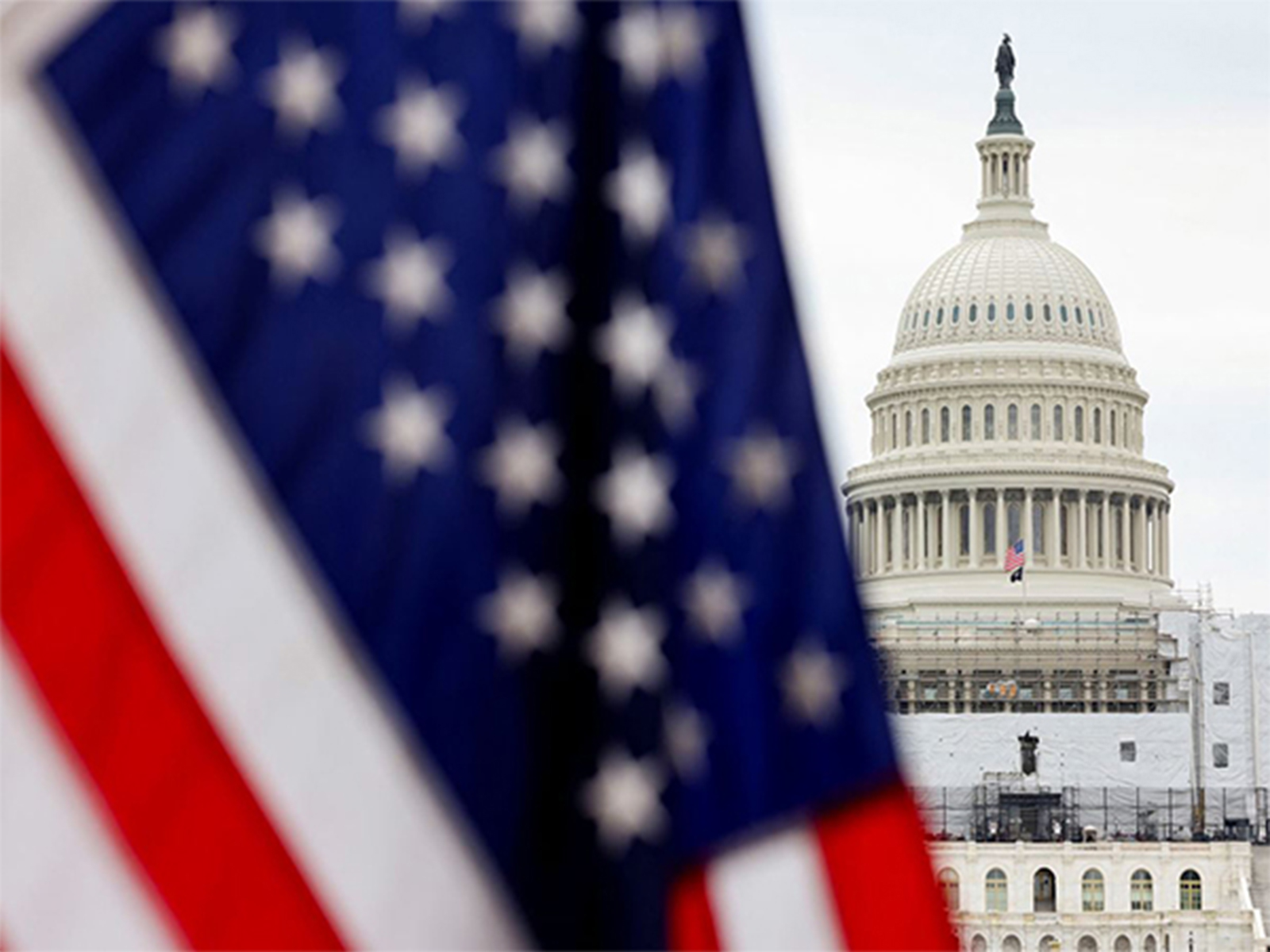
Washington DC [US], March 20 : The United States has issued a new 30-day general license allowing the sale of Russian-origin crude oil and petroleum products, as global energy markets remain under pressure due to escalating tensions in West Asia.
According to a Reuters report, the U.S. Treasury Department on Thursday released a fresh waiver to replace an earlier license granted on March 12. The new license, which will remain valid until April 11, permits transactions involving Russian oil loaded on tankers as of March 12.
The report noted that while the main terms of the waiver remain unchanged, the updated license explicitly excludes transactions involving North Korea, Cuba and Crimea.
It stated, "While the main terms remain identical to those in the license issued earlier, Thursday's waiver specifically excludes transactions involving North Korea, Cuba and Crimea".
The move is part of the Donald Trump administration's efforts to stabilise rising energy prices, which have surged amid ongoing geopolitical tensions.
Earlier, United States Secretary of the Treasury Scott Bessent indicated that the U.S. is evaluating the status of Iranian oil as the current campaign progresses and could look at un-sanctioning Russian Oil to mitigate the energy crisis.
"In the coming days, we may un-sanction the Iranian oil that's on the water. It's about 140 million barrels," he said. He explained that this volume represents roughly "10 days to 2 weeks of supply, that the Iranians had been pushing out, that would have all gone to China."The Treasury Secretary detailed the tactical reasoning behind these decisions, framing the use of sanctioned reserves as a tool against the originating regimes. "In essence, we will be using the Iranian barrels against the Iranians to keep the price down for the next 10 or 14 days as we continue this campaign," Bessent told Fox News.
He added that the U.S. possesses "lots of levers" and that there is "plenty more that we can do" to influence global pricing, including the continued use of domestic reserves.
The West Asia conflict has escalated, with an Israel-led strike on Iran's South Pars Gas Field followed by retaliatory attacks by Iran on Qatar's LNG facilities. These developments have heightened fears of a global supply crunch.
Oil and gas prices have reacted sharply to the situation. Brent crude prices have surged whiile Natural gas prices have also seen significant increases.
Qatar had already suspended LNG production on March 2 following Iranian drone attacks on Ras Laffan and Mesaieed Industrial City. Qatar is the world's second-largest LNG exporter after the United States and accounts for nearly a fifth of global LNG shipments, according to Kpler.