From Classroom to Career: What the First Cohort at Deakin University GIFT City Campus Taught Us About a Skill-First Future
Feb 02, 2026
VMPL
New Delhi [India], February 2: 'Deakin University's GIFT City Campus, a world-first international university branch campus in India, did not merely set a precedent; it translated the National Education Policy 2020's ambition for internationalised education into practice.'
As we mark the Second Foundation Day of the campus, the moment is defined less by buildings and milestones and more by people. Our first graduating cohort, students who placed their trust in a new campus, a new model, and a new promise, have now entered the workforce with confidence, clarity, and measurable outcomes.
Their journeys are not just cause for celebration; they offer insight. They reveal what it truly takes to move from classroom to career in a world where degrees alone no longer suffice, and where skills, adaptability, and real-world experience define employability.
What worked and what surprised us
'From the outset, the campus was designed around a simple premise: education must be outcome-led.'
What worked best, as we now see clearly, was the deliberate integration of academic rigour with applied learning. Students were not just assessed on what they knew, but on how they could apply it through live projects, simulations, case studies, and industry-linked assignments.
What challenged students initially was this very shift. Many were accustomed to linear learning and predictable assessments. Being asked to work in teams, navigate ambiguity, present ideas, and iterate based on feedback pushed them out of their comfort zones. Yet, this discomfort proved formative.
What has surprised educators most is the speed of transformation. Within months, students began to demonstrate sharper professional judgement, stronger communication, and a growing sense of ownership over their learning. The classroom became a space for dialogue, interaction and involvement rather than instruction alone, mirroring the environments they would soon encounter in the workplace.
The skills that made the difference
When we look at placement and internship outcomes, a pattern emerges. Technical knowledge mattered, but it was not the differentiator. The students who stood out consistently demonstrated a cluster of skills that employers value deeply:
- Problem-solving in real contexts
- Communication across cultures and disciplines
- Digital fluency and analytical thinking
- Professional confidence and ethical judgement
Equally important was the mindset. Students who approached learning with curiosity, resilience, and a willingness to learn from failure navigated recruitment processes more effectively. They could articulate not just what they had studied, but what they could contribute.
These outcomes reaffirm a broader truth: a skill-first future does not diminish academic excellence; it amplifies it by making it relevant.
Faculty, flexibility, and experiential learning
'Behind every successful cohort is a committed academic community.'
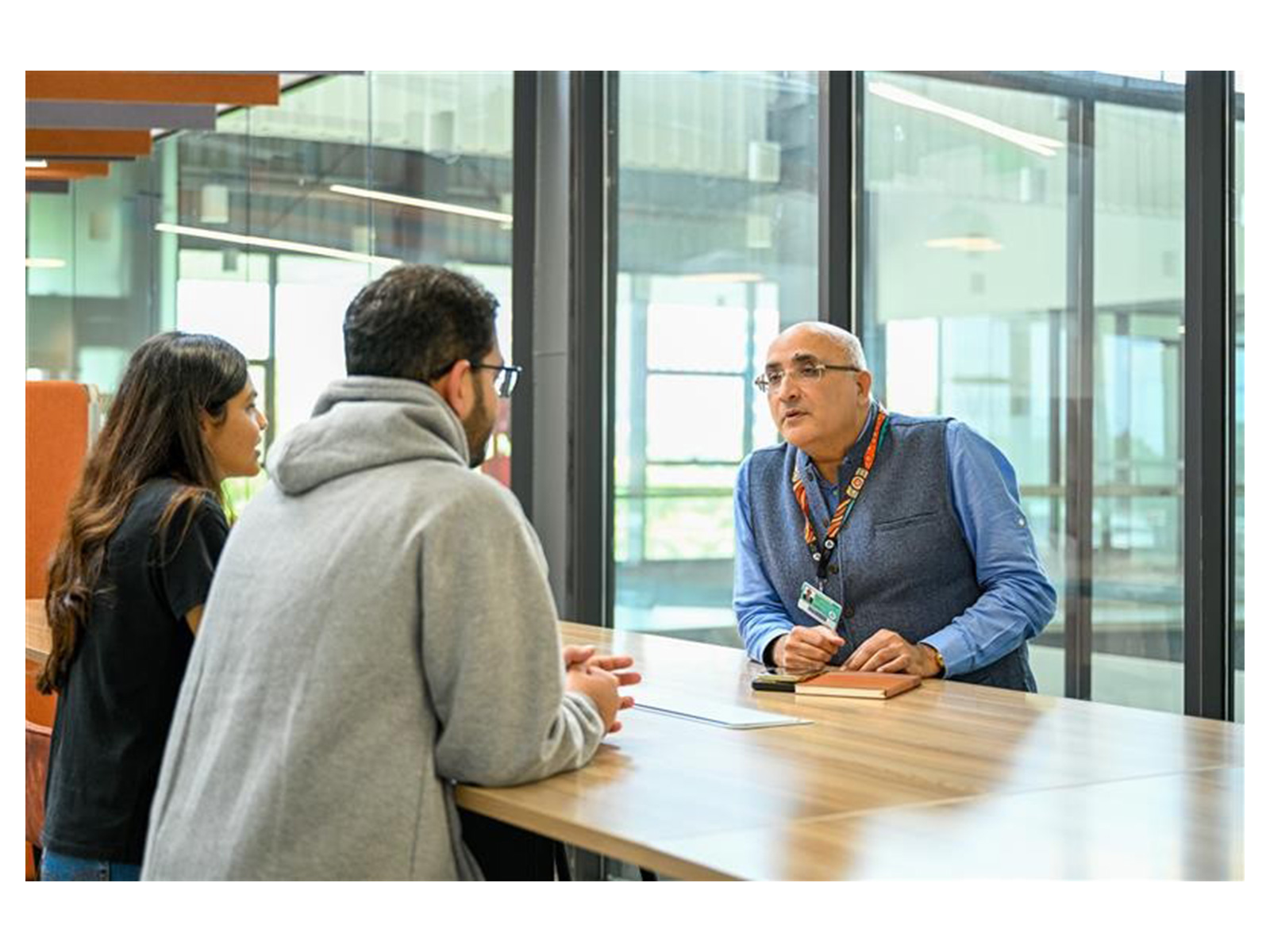
Faculty at the GIFT City Campus played a pivotal role not only as teachers but as mentors and facilitators of professional growth. The ability to draw on global academic standards while contextualising learning for Indian industry realities proved invaluable.
Flexibility was another critical factor. Curriculum design allowed space for experiential learning, industry interaction, and evolving student interests. This adaptability ensured that learning remained aligned with market needs without compromising academic integrity.
Experiential learning through live projects, industry engagement, and applied research bridged the often-cited gap between education and employment. Students learned early that theory gains meaning when tested against reality.
Building global careers on Indian soil
'Perhaps the most powerful lesson from the foundation years is this: students no longer need to choose between a global education and staying in India.'
International branch campuses represent a quiet but significant shift in India's education landscape. They expand access to international curriculum, pedagogy, and faculty while remaining embedded in local ecosystems. For students, this means global exposure without the financial, social, or emotional costs of relocating overseas. At the same time, it also provides students with access and qualifications that can help them excel in the global job market.
At Deakin GIFT City, we have seen how this model reshapes aspiration. Students engage with international standards of teaching and assessment, develop global perspectives, and build networks that extend beyond borders while remaining rooted in India's growth story.
Early lessons for India's skills future
The early years of the campus underscore several lessons relevant to policymakers, educators, and industry leaders alike.
- First, employability improves when education is designed in partnership with industry, not in isolation.
- Second, global pedagogy works best when adapted thoughtfully to Indian contexts.
- Third, students rise to expectations when learning environments challenge them to think, collaborate, and perform as professionals.
Most importantly, such campuses can play a meaningful role in supporting India's economic and entrepreneurial ambitions by producing graduates who are job-ready, innovation-oriented, and globally fluent.
Shaping the next phase
As we look ahead, the experiences of the first cohort will directly inform the campus's next phase. Curriculum will continue to evolve, industry engagement will deepen, and research-led teaching will expand. The focus will remain firmly on outcomes - academic, professional, and personal.
Foundation Day is often about looking back. But this moment is equally about looking forward with clarity shaped by evidence, and ambition grounded in experience.
'The success of the first graduating cohort affirms that when education is designed with purpose, delivered with integrity, and measured by real-world impact, it can transform lives.'
That, ultimately, is the promise of a skill-first future and the responsibility we carry as academic leaders.
(ADVERTORIAL DISCLAIMER: The above press release has been provided by VMPL. ANI will not be responsible in any way for the content of the same.)