From small loans to massive loss, victim loses ₹36.16 lakh after using illegal lending apps 'Loan Radar', 'Quick Funds'
Feb 07, 2026
Hyderabad (Telangana) [India], February 7 : A 46-year-old resident of Sanath Nagar, Hyderabad, fell victim to a massive financial fraud, losing approximately ₹36 lakh to illegal loan application operators. The victim, who initially borrowed small sums from apps named 'Loan Radar' and 'Quick Funds' in August 2025, was subjected to an extortion racket involving unauthorised bank credits and the use of morphed obscene images to demand repayments.
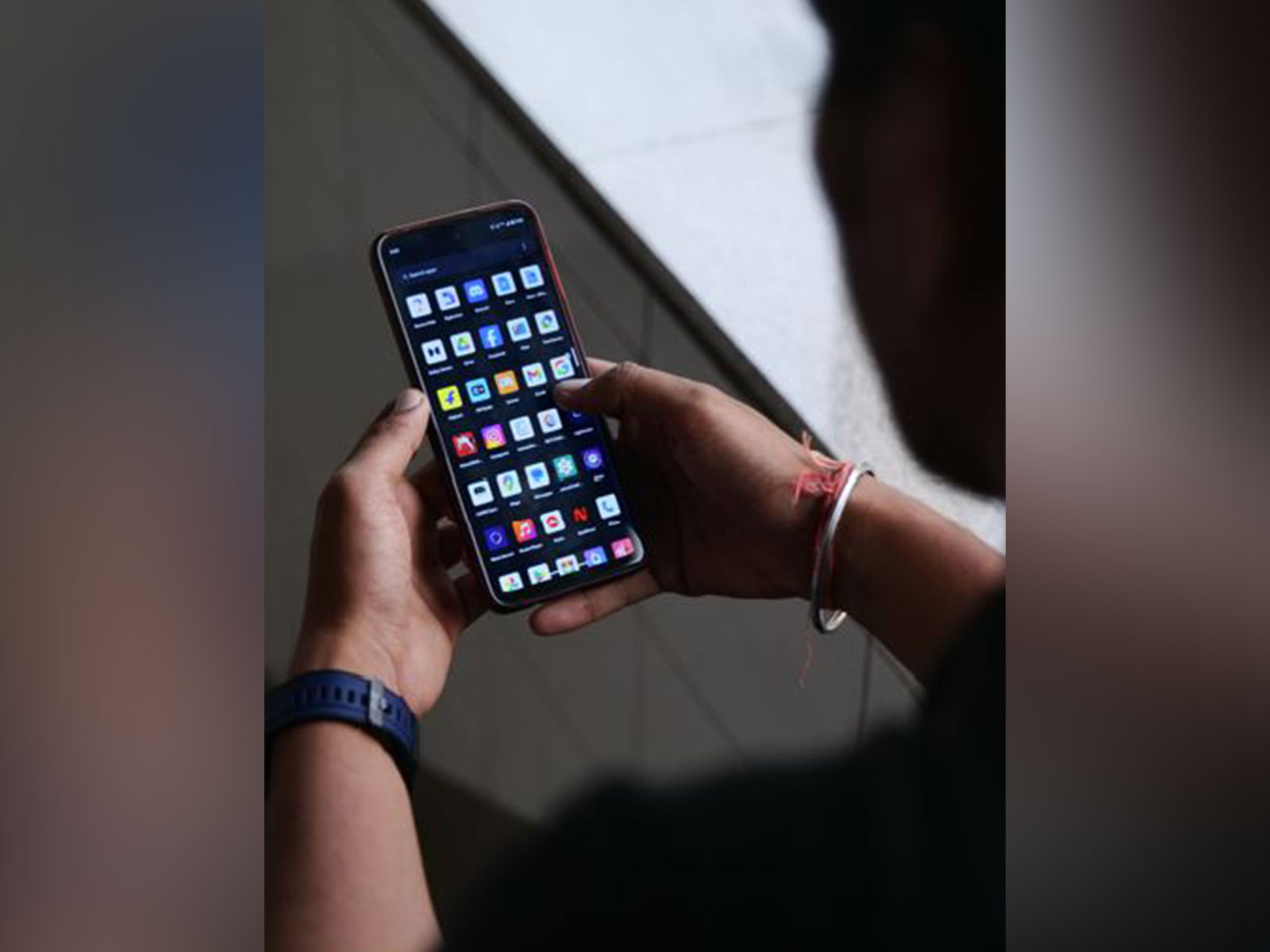
The victim is a 46-year-old resident of Sanath Nagar, who downloaded two loan applications, Loan Radar and Quick Funds, from the Google Play Store in August 2025 and initially borrowed small amounts. Even after the victim made timely repayments, the apps allegedly engaged in unethical practices by crediting higher loan amounts to the victim's bank account without consent. Although the loan tenure was mentioned as seven days, the victim began receiving threatening calls and obscene images from the sixth day onward.
The apps obtained access to the victim's gallery and contacts during installation and used this data to morph photos with pornographic images and threaten to circulate them among contacts. Due to continuous harassment and severe mental distress, the victim made multiple payments to the offenders. Between September 2025 and February 2026, approximately ₹29,00,000 was credited to the victim's SBI account, while a total of ₹64,16,242.64 was repaid under pressure. As a result, the victim suffered a net financial loss of about ₹36,16,242.
Lending app harassment involves illegal tactics like abusive calls, threats to share morphed pictures, and contacting borrowers' relatives over late payments. Reserve Bank of India advises borrowers to report these to the cyber police and to regulatory bodies such as the RBI.
The RBI further issued an advisory that victims of such scams should never transfer money under pressure or share sensitive information, such as OTPs and personal photos, with unknown callers. If you face harassment, blackmail, or financial fraud, immediately call 1930 (the National Cyber Crime Helpline), report the incident to the nearest Cyber Crime Police Station, or lodge a complaint via the official government cybercrime portal.