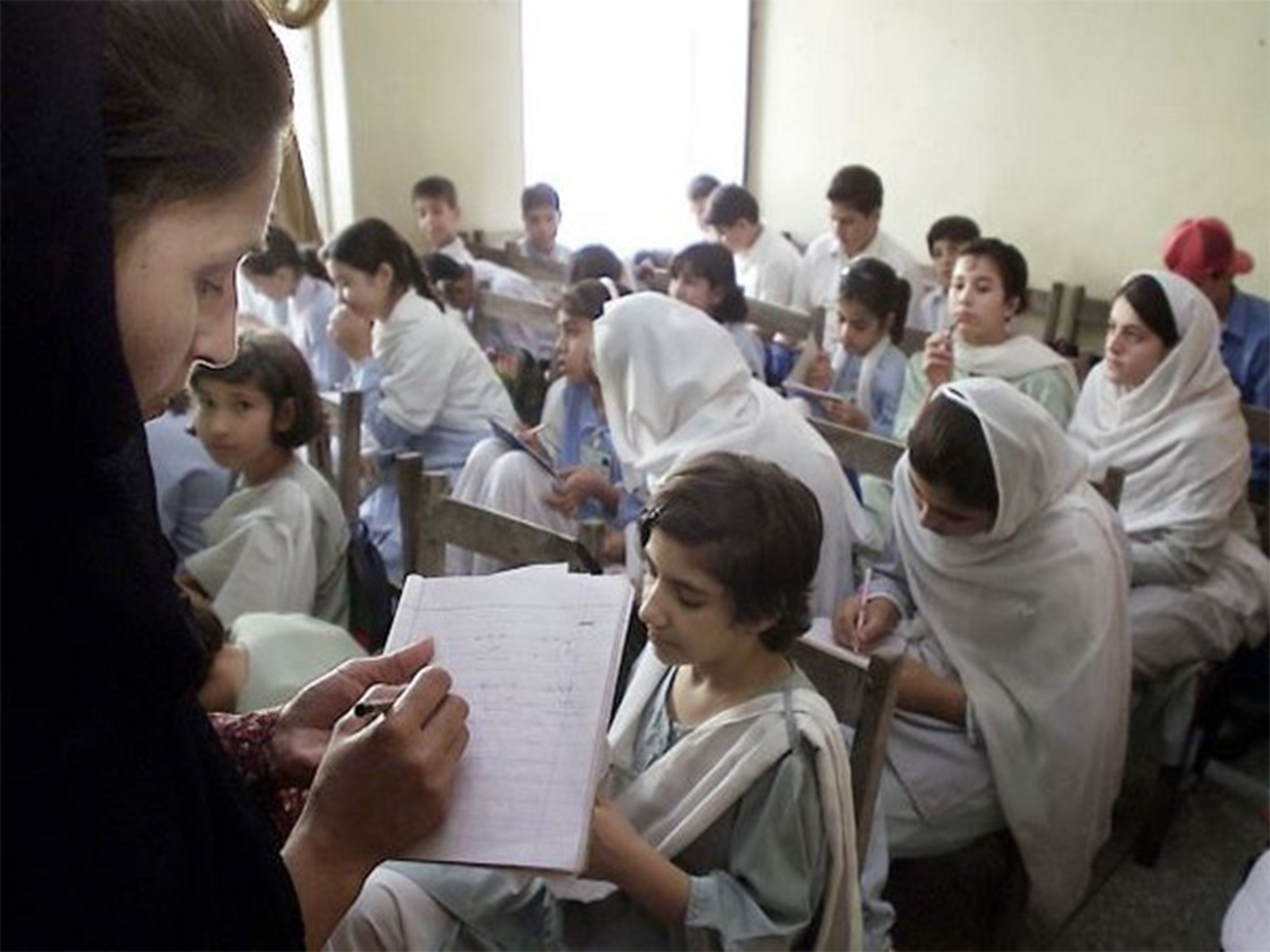
Girls still left behind in Pakistan's education crisis
Mar 31, 2026
Khyber Pakhtunkhwa [Pakistan], March 31 : In Dir Upper, the vision of equal education for girls remains far from reality in 2026, despite repeated government assurances. Official data highlights a stark gender disparity in access to schooling, particularly at higher levels, raising concerns about long-term social and economic consequences, as reported by The Express Tribune.
According to The Express Tribune, figures show that out of 1,017 schools in the district, only 310 are designated for girls, serving just 64,892 students. In contrast, 707 boys' or mixed institutions cater to over 141,000 students, including some girls. This imbalance persists even though women make up more than half of the district's population of 1.08 million.
At the college level, the gap widens further, with only one girls' degree college compared to four for boys. Political leaders have recently announced funding of Rs139.9 million for two new girls' colleges in Larjam-Darora and Asheri Dara. Lawmakers have described the initiative as transformative. However, several previously approved projects remain incomplete, including a girls' college in PK-12. Across constituencies, boys consistently outnumber girls in access to high and higher secondary schools.
Infrastructure challenges compound the issue. Floods in 2010 and 2022 destroyed multiple schools that have yet to be rebuilt, forcing children to study outdoors. In remote areas like Kalkot and Kumrat Valley, there are virtually no middle or high schools for girls, further restricting access beyond primary education.
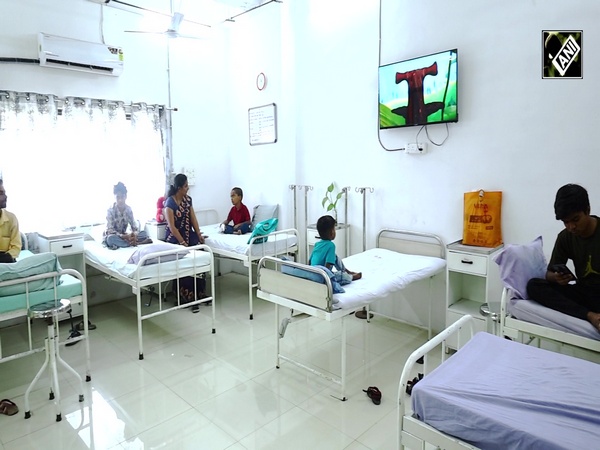
Officials acknowledge that earlier policies focusing on expanding enrollment helped improve access through community-led initiatives and better monitoring. These measures are no longer sufficient. Overcrowded classrooms, furniture shortages, and limited space continue to affect learning conditions, with many students still sitting on the floor, as cited by The Express Tribune.
Experts point to deeper structural barriers, including cultural norms, early marriages, lack of female teachers, and poor transport facilities, all of which disproportionately impact girls. Without urgent investment in infrastructure and sustained policy commitment, the gender gap in education is likely to widen further, as reported by The Express Tribune.