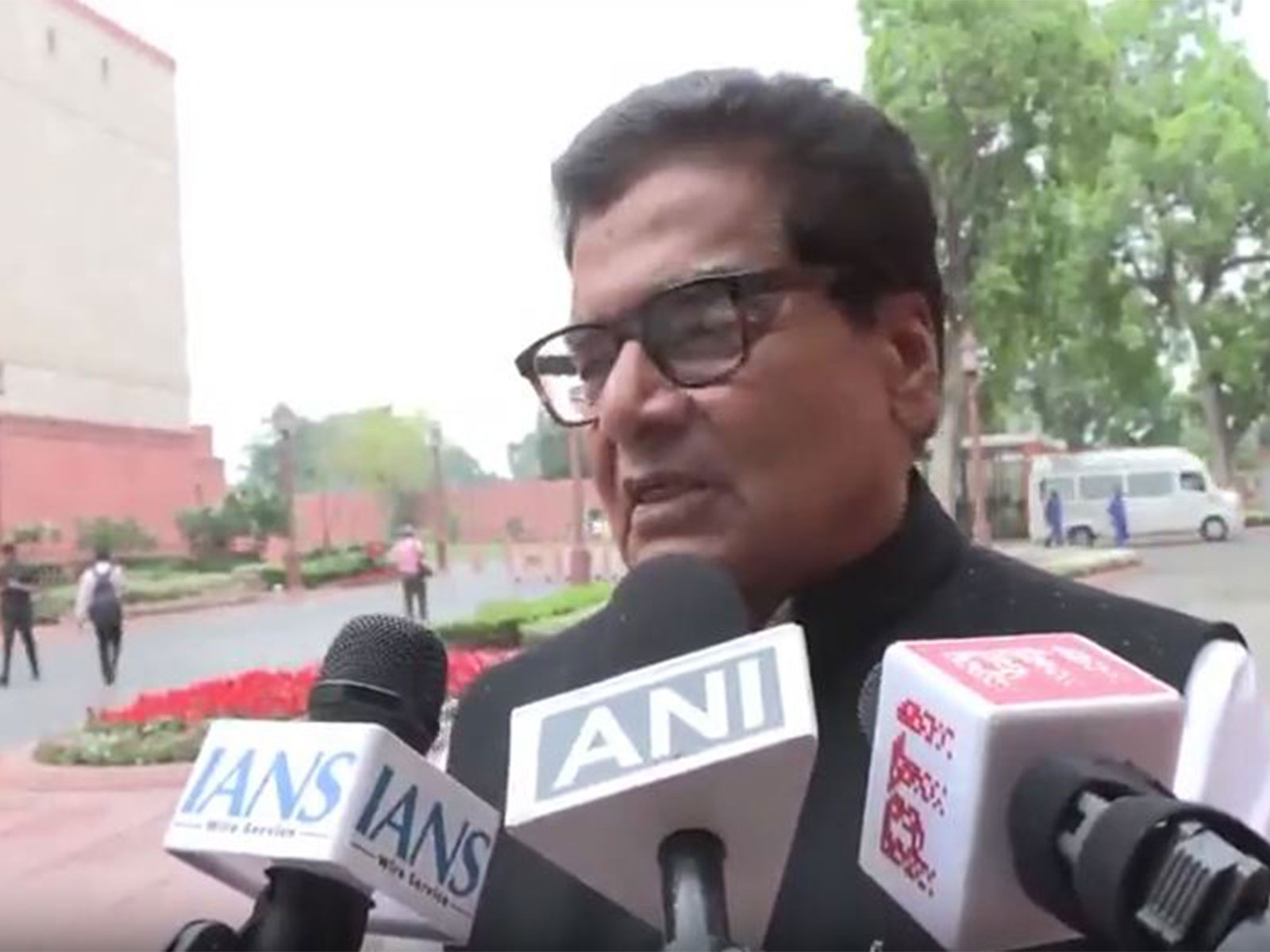
"Global conflict may hit India's economy", says Samajwadi Party MP Gopal Yadav
Mar 23, 2026
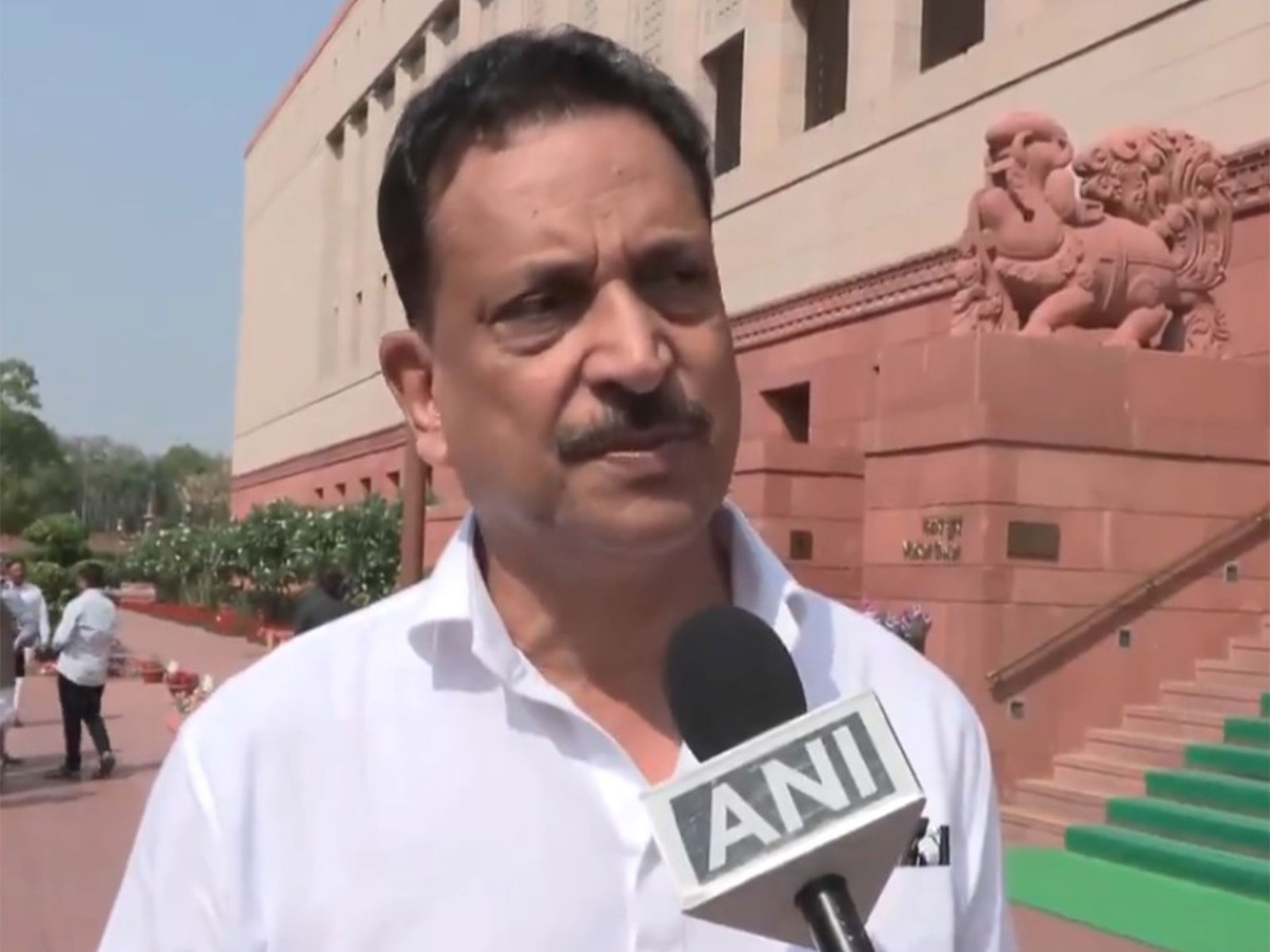
New Delhi [India], March 23 : Samajwadi Party MP Ram Gopal Yadav said on Monday that the ongoing West Asia conflict is hurting the global economy and affecting India, citing rising gas prices, potential fuel hikes, and losses for oil companies.
Speaking to reporters, he said, "This war is having a negative impact on the global economy. India is not immune. Hotels are closing. The price of commercial gas has just been increased by Rs 22, and the massive shortage that is going to happen is causing huge losses for our oil companies. I feel that the government is waiting for the elections to be held before raising the prices of petrol and diesel by Rs 50-60 per litre."
Criticising the government, he said that they only care about the industrialists and capitalists.
"The government has nothing to do with the people. They only care that industrialists and capitalists don't face losses. The public can go to hell for all they care. It doesn't matter to them," said Yadav.
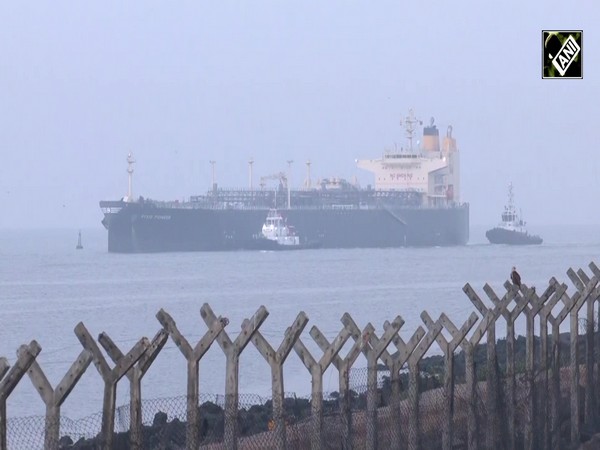
The conflict in West Asia has entered its fourth week, disrupting trade routes through the Strait of Hormuz. Tensions escalated following the killing of 86-year-old Iran's Supreme Leader, Ayatollah Ali Khamenei, in joint military strikes by the US and Israel on February 28.
In retaliation, Iran targeted Israeli and US assets across several Gulf countries, causing further disruptions to the waterway and impacting international energy markets as well as global economic stability.
Meanwhile, due to conflict, the prices of industrial diesel have also increased by 25 per cent from Rs 87.67/ltr to Rs 109.59/ltr.
Earlier, on Saturday, the Ministry of Petroleum and Natural Gas on Saturday announced that the Centre has increased gas allocations to states to 50 per cent of pre-crisis levels, with an additional 20 per cent supply to be implemented from March 23.
In an official letter to all State and Union Territory Chief Secretaries, Petroleum Secretary Neeraj Mittal stated that the enhanced allocation aims to support key sectors, particularly those linked to food supply and public welfare.