Global growth to slow to 3.2% in 2026, amid largest energy shock on record due to West Asia crisis: S&P
Apr 10, 2026
New Delhi [India], April 10 : Global economic growth is expected to slow to 3.2 per cent in calendar year 2026 from 3.4 per cent in the previous year, as the ongoing West Asia conflict triggers what is being described as the largest energy shock on record, according to a report by S&P Global.
The report, cited by CRISIL, a company of S&P Global, highlighted that the conflict in West Asia is expanding in scale and is increasingly impacting global shipping, energy supply, trade, and critical infrastructure.
It stated, "To be sure, this is the largest energy shock on record. Its ultimate economic impact will depend on the scale, intensity and duration of the conflict.... Global growth, which was facing upside risks pre-war, is now expected to slow to 3.2 per cent in calendar year 2026 from 3.4 per cent the previous year, according to S&P".
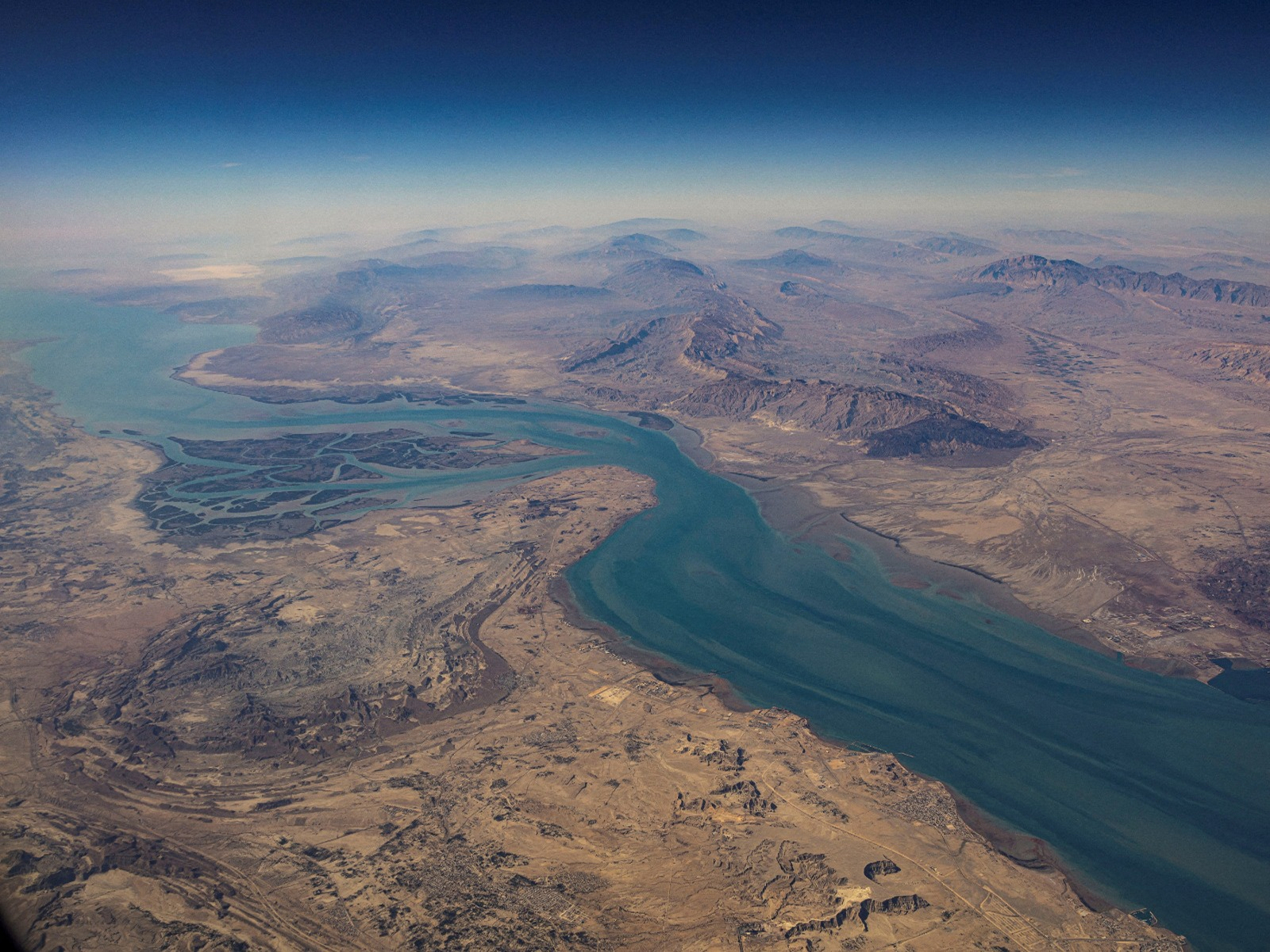
According to the report, disruptions in energy supply have been significant. Only selective passage is currently allowed through the Strait of Hormuz, which handles around 20 per cent of global oil transportation. Additionally, oil production facilities in parts of West Asia have been shut down.
The situation has been further aggravated by damage to key infrastructure, including partial destruction and shutdown of the world's largest liquefied natural gas (LNG) facility in Qatar.
The report also cautioned that risks to this growth outlook are "decisively on the downside," particularly if disruptions to energy supply intensify.
In its base case scenario, S&P Global expects Brent crude prices to average USD 92 per barrel in the second quarter, about USD 80 per barrel in 2026, and moderate to USD 65 per barrel in 2027.
However, upside risks to oil prices remain if there is significant structural damage to production or infrastructure, especially involving Iran's Kharg Island facilities, or if the Strait of Hormuz remains closed for an extended period.
The report also noted a sharp upward revision in LNG price forecasts.
It added that the net energy-importing regions, such as Europe and Asia, are likely to face a disproportionate impact, with higher energy costs weighing on economic growth.
Overall, the report stated that the ongoing West Asia conflict has significantly altered the global economic outlook, with energy markets at the centre of the disruption.