Goal will be a regime change in Tehran, says Israeli FM Saar
Mar 06, 2026
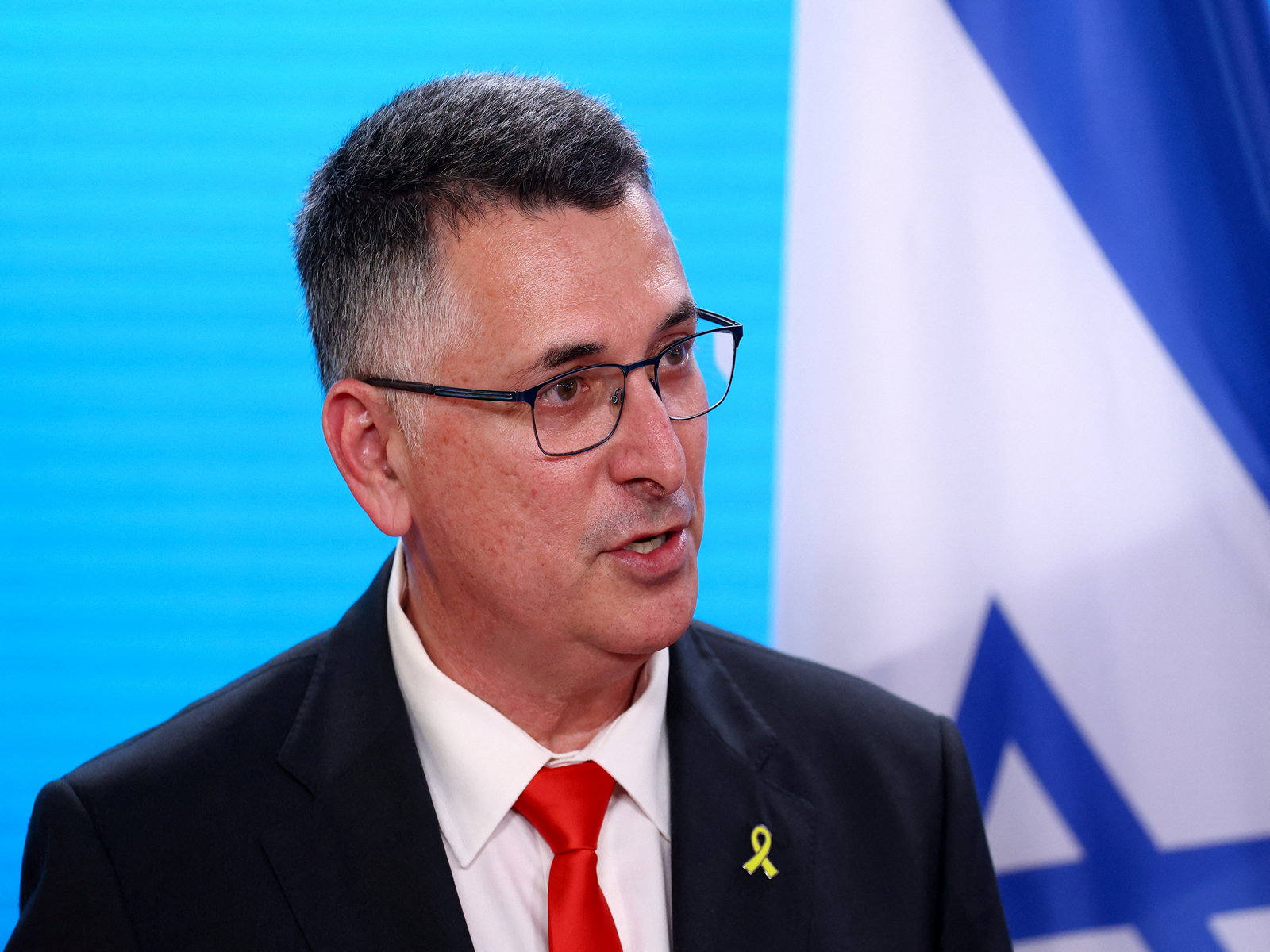
New Delhi [India], March 6 : Israeli Foreign Minister Gideon Saar on Friday said the ultimate objective of Israel's ongoing military campaign in West Asia against Iran is to remove "existential threats" posed by the Islamic Republic, adding that the end goal for the joint operation with the US will be "regime change".
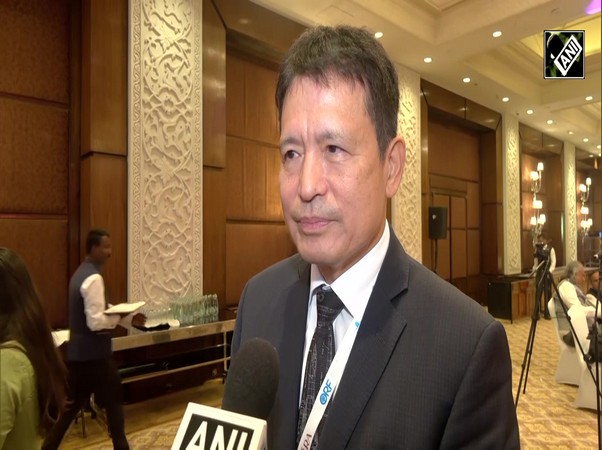
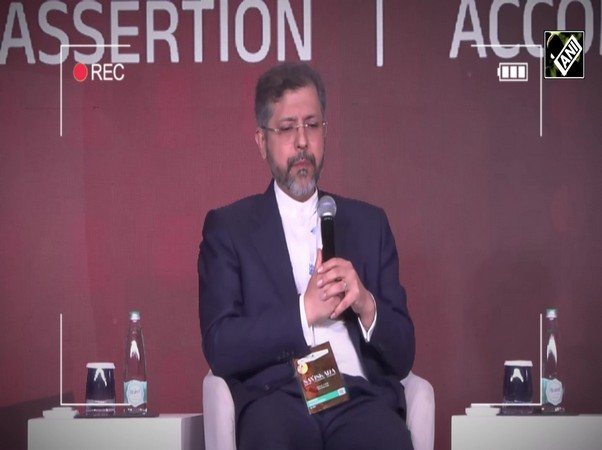
Addressing a session, through video conferencing, during the 11th Raisina Dialogue in New Delhi, Saar said Israel's broader objective is to create conditions that could enable political change within Iran, enabled by the people in the country.
"The goal will be a regime change. The regime change will take place and will happen by the people of Iran. We should have; we should create the conditions to do that," Saar said.
He described the existing Iranian regime as oppressive and argued that despite strong public sentiment for change, the regime's repressive nature had prevented such efforts in the past.
"Until now, this oppressive regime was so powerful, so repressive, and so brutal that they couldn't do that, even if a huge majority of the Iranian public inside Iran, and sometimes you can feel it also from the Iranian communities outside Iran, even they strongly supported a change. So basically, this is the endgame. But the end game will be written by the Iranian people," the Israeli Foreign Minister added.
His remarks come amid escalating tensions in West Asia after a joint US-Israel military strike on February 28 on Iranian territory killed its Supreme Leader, Ayatollah Ali Khamenei and other senior figures, prompting a fierce response from Tehran.
In retaliation, Iran launched waves of drone and missile attacks across multiple Arab countries, targeting American military bases and Israeli assets throughout the region, with Israel also continuing its strikes on Tehran and widening the conflict to Lebanon, targeting Hezbollah.
According to Saar, Israel's strategic objective in the ongoing conflict is to eliminate long-term threats to the Jewish state.
The Israeli foreign minister suggested that a change in Iran's ruling establishment could ultimately help achieve that objective, though he emphasised that such a transformation would have to come from the Iranian people themselves.
Saar also said it was too early to assess the full impact of the military operation, noting that only a few days had passed since the start of the escalation, adding that Israel has the patience and determination to achieve its strategic goals.
"We can achieve that goal as a means by changing this regime. This change can be during the operation or after the operation. We must create the conditions for the Iranian people to do that. But I would say, five days after the beginning of this war, it is probably too early to judge, and I think we had amazing successes during these five days. But anyhow, we have enough patience in order to achieve our goals. We are determined to achieve our goals," he added.
Responding to a question about the possible timeline of the conflict, Saar said neither Israel nor the US had set a fixed deadline for the operation.
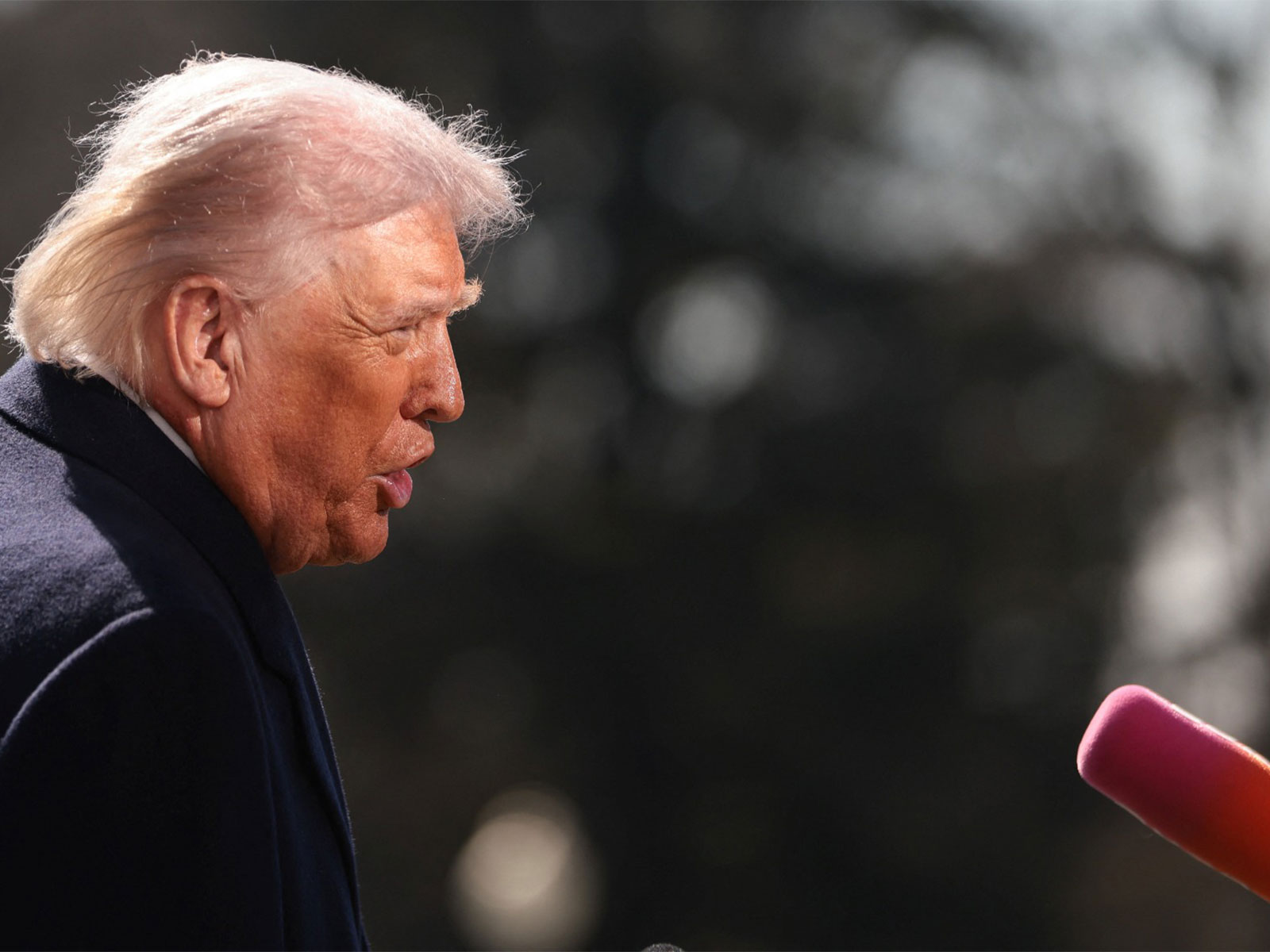
He referred to remarks by US President Donald Trump, who had suggested the conflict could last several weeks, but said the duration would ultimately depend on achieving Israel's objectives.
He further accused Iran of continuing policies that Israel views as direct threats, including pursuing its nuclear programme and developing long-range ballistic missiles.
"We are determined to achieve the goals of this operation, and we said that for us, we are going to remove, in the long run, existential threats from Iran. We don't want to go to a new war every year. This is not our purpose. But the problem is that we see, after the war from June 2025, nothing has really changed. I mean, Iran is still with its elimination plan against Israel, continuing with the nuclear programme, continuing with the long-range ballistic missiles programme, and continuing to finance terror proxies like Hezbollah or Hamas or the Houthis in Yemen," he said.
According to Saar, Israel alone cannot bring about regime change in Iran.
"As much as we cannot do that without the people in Iran wanting to do that, they will probably not be able to do that without some kind of help from outside," the Israeli FM added.