"Good thing for people": Humanist Dina Perla Portnaar hails initiative against blasphemy laws
Feb 27, 2026
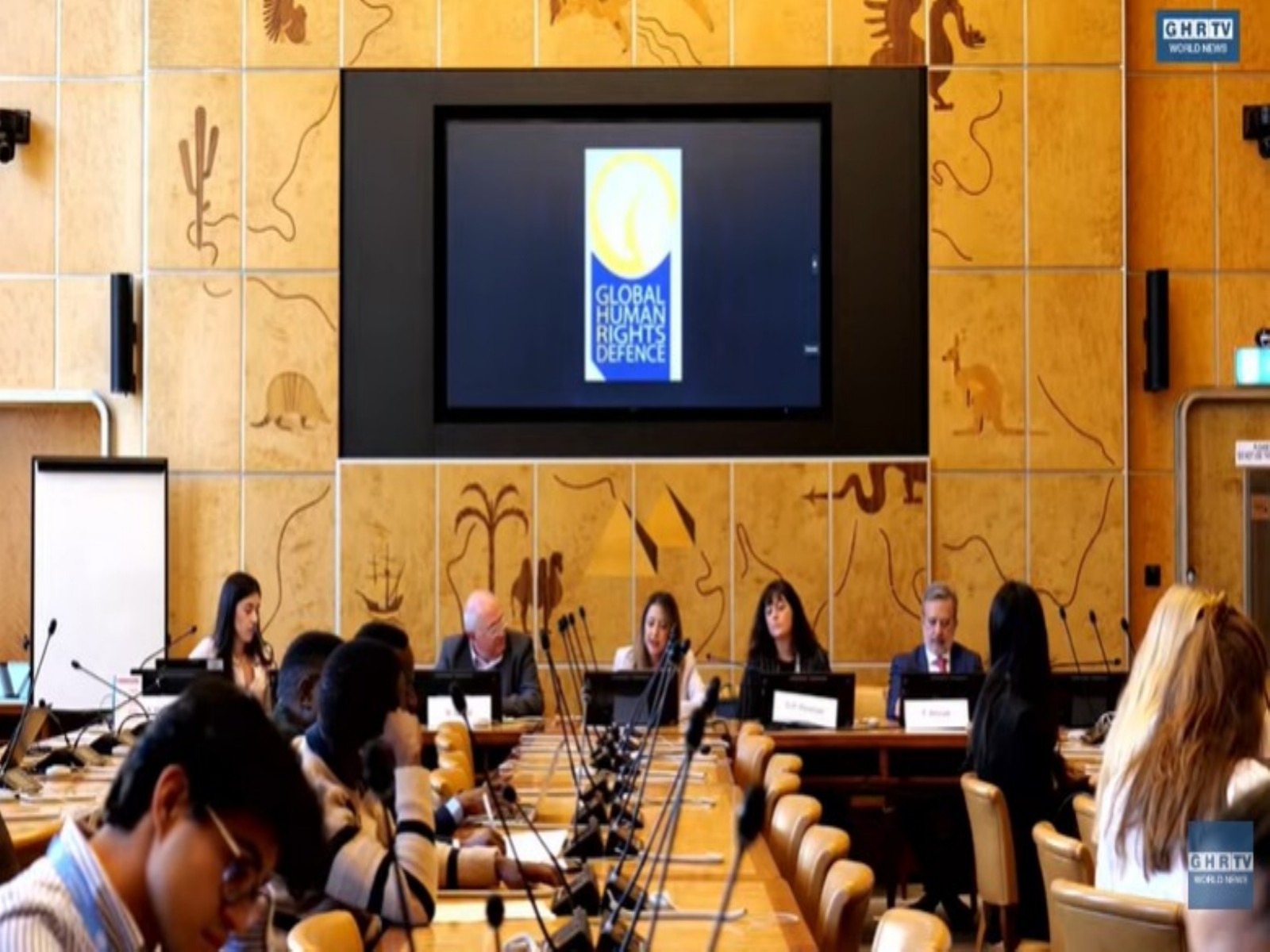
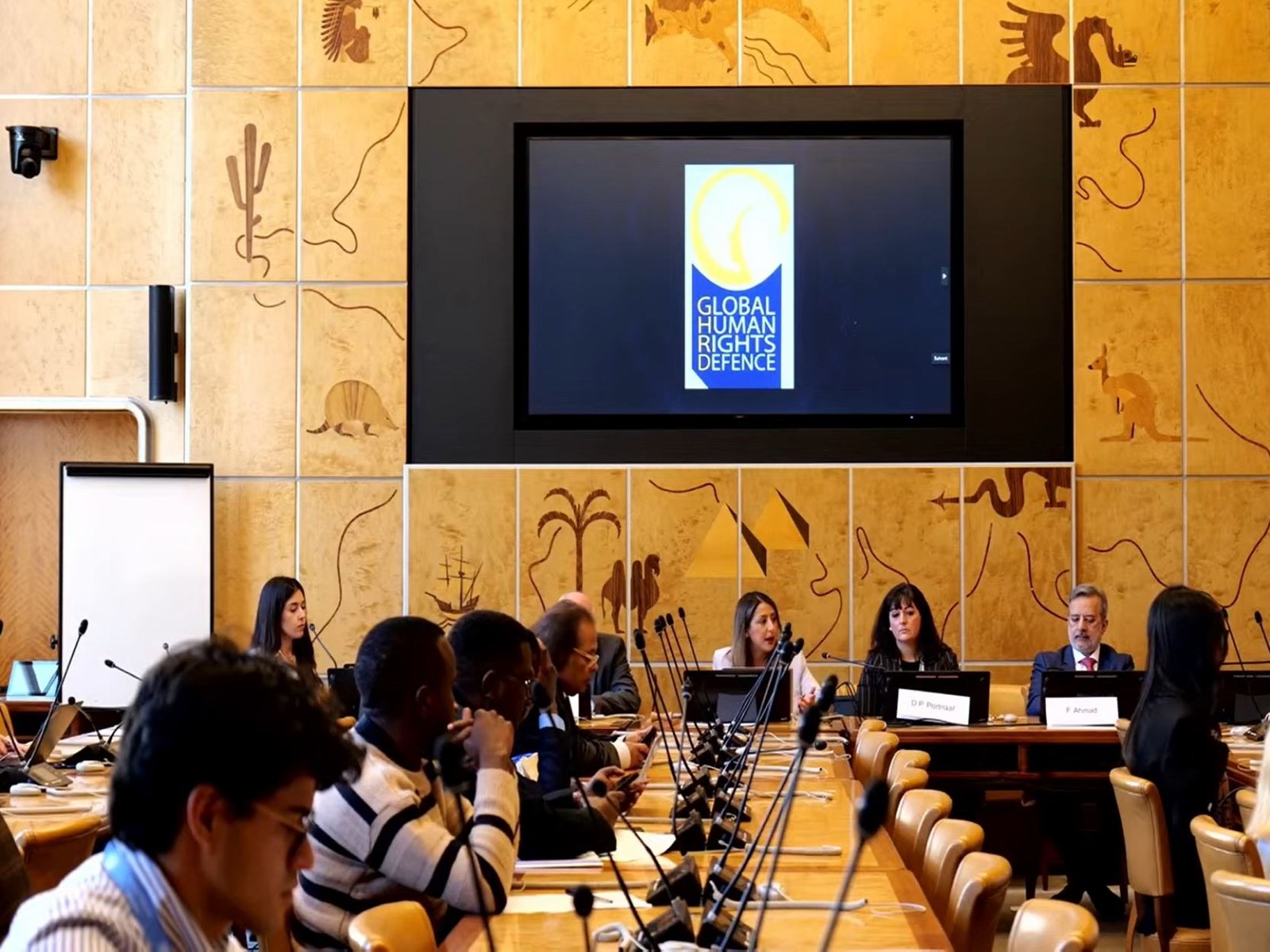
Geneva [Switzerland], February 27 : A high-level side event, titled "Blasphemy Laws and the Persecution of Minorities in Asia: Human Rights Implications and Paths Forward", was convened at the Palais des Nations during the 61st United Nations Human Rights Council (UNHRC) session on Friday.
Organised by Global Human Rights Defence (GHRD), the session addressed the increasing use of blasphemy provisions to target religious, ethnic, and belief-based minorities across Asia.
The event highlighted that while international law protects freedom of thought and expression, blasphemy provisions frequently contradict these guarantees, often carrying penalties as severe as the death sentence.
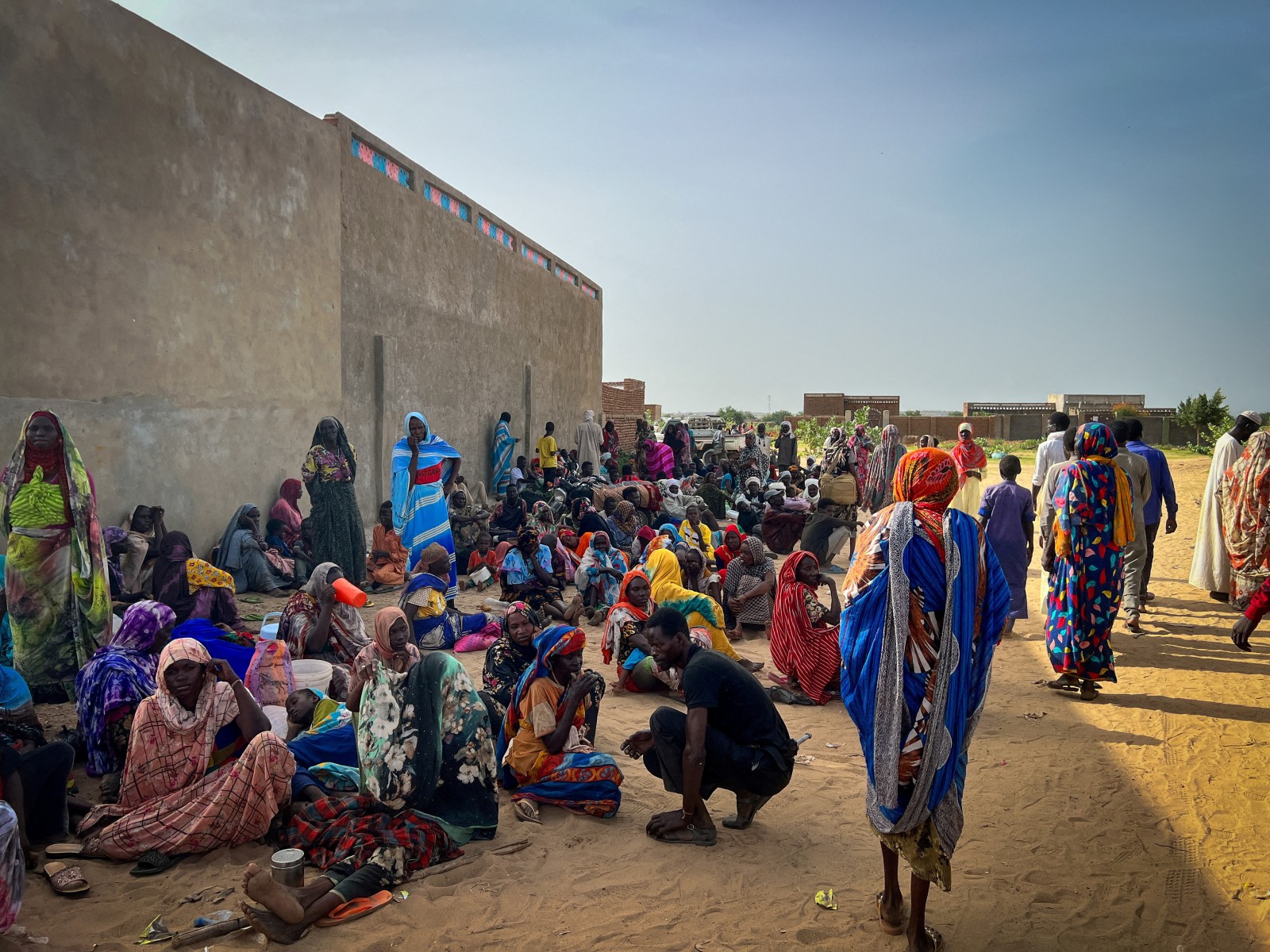
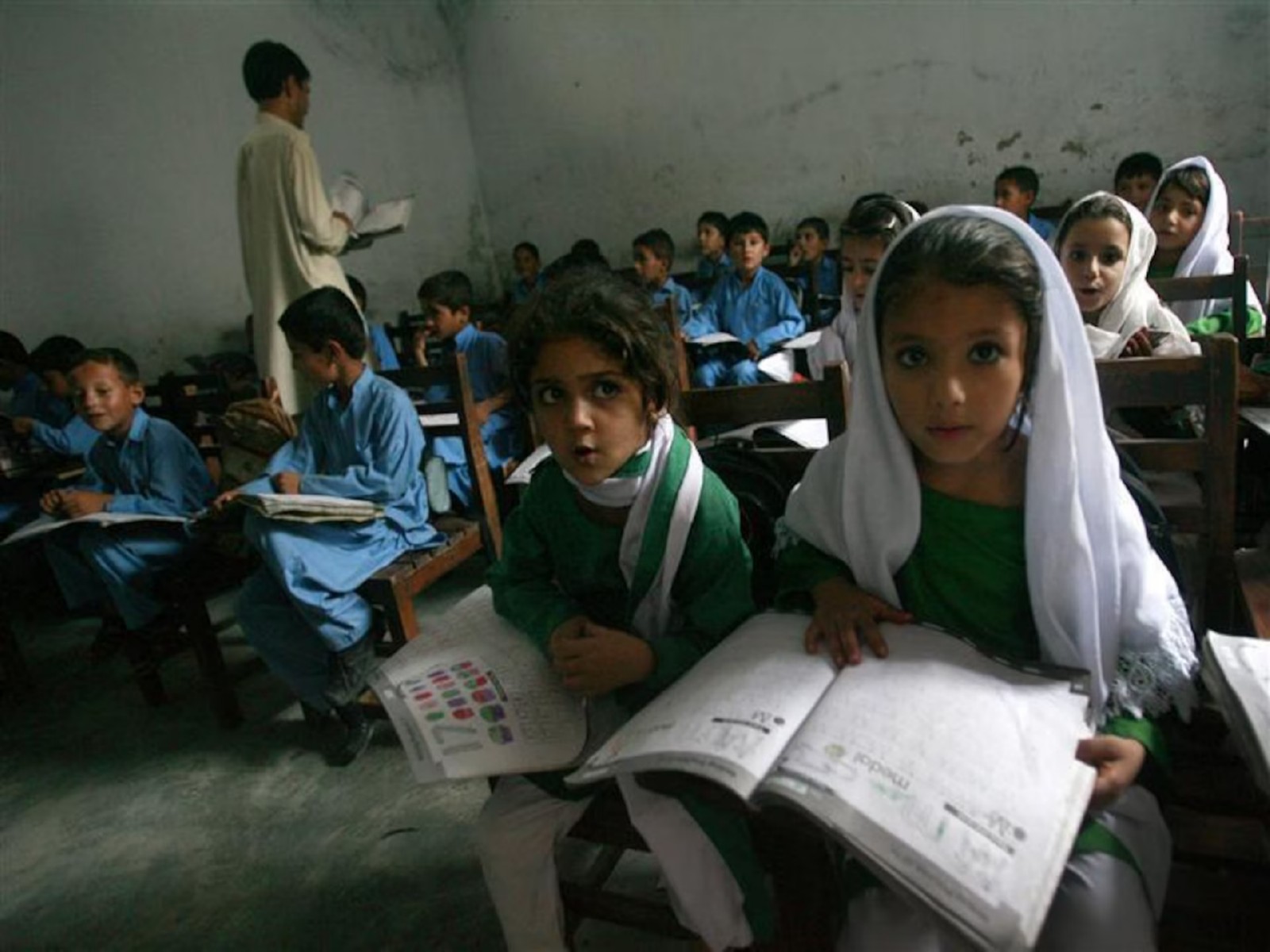
Key communities identified as particularly affected include Christians, Hindus, and Ahmadis in Pakistan, the Baha'i community in Iran, and women and girls in Afghanistan.
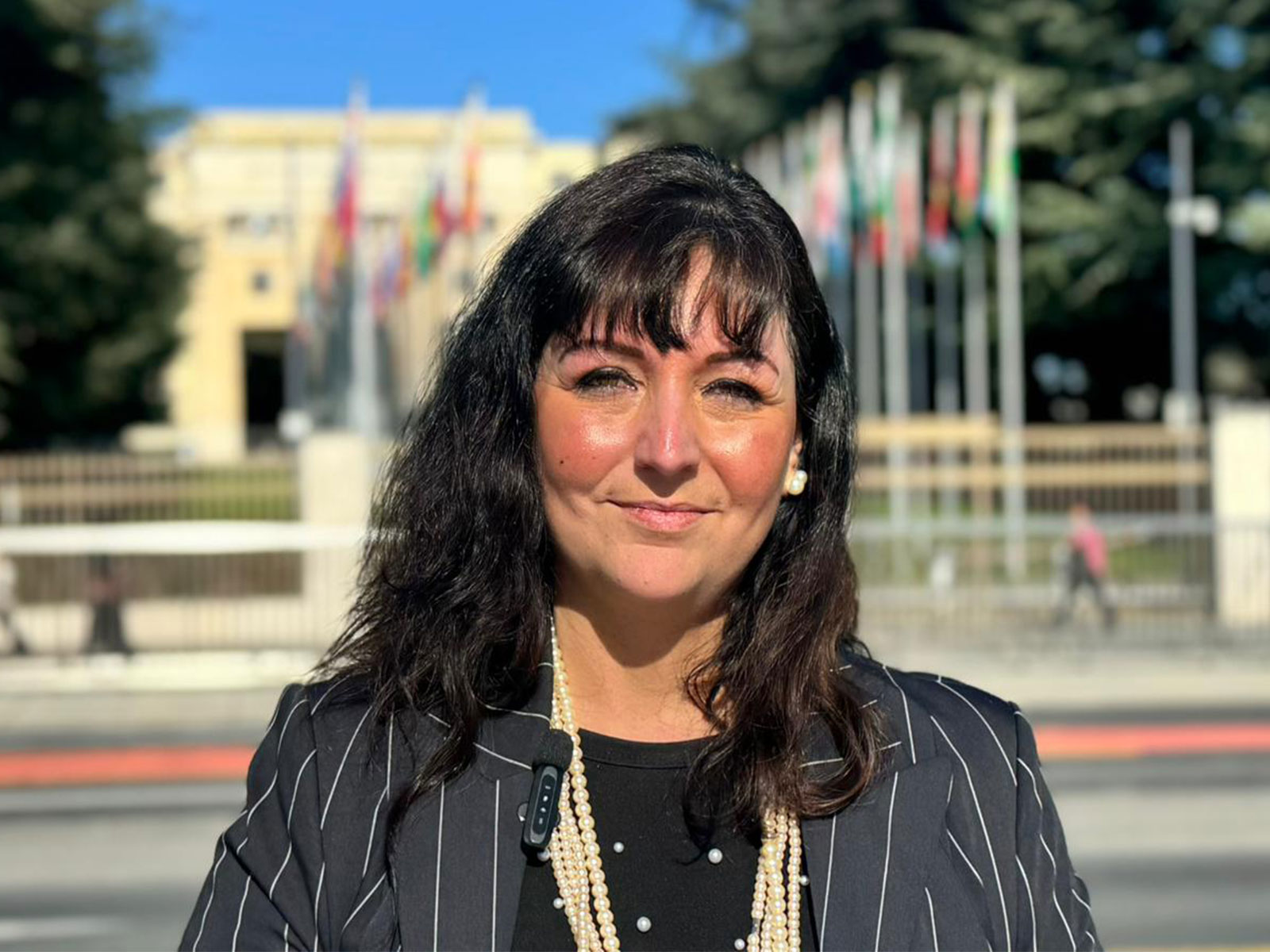
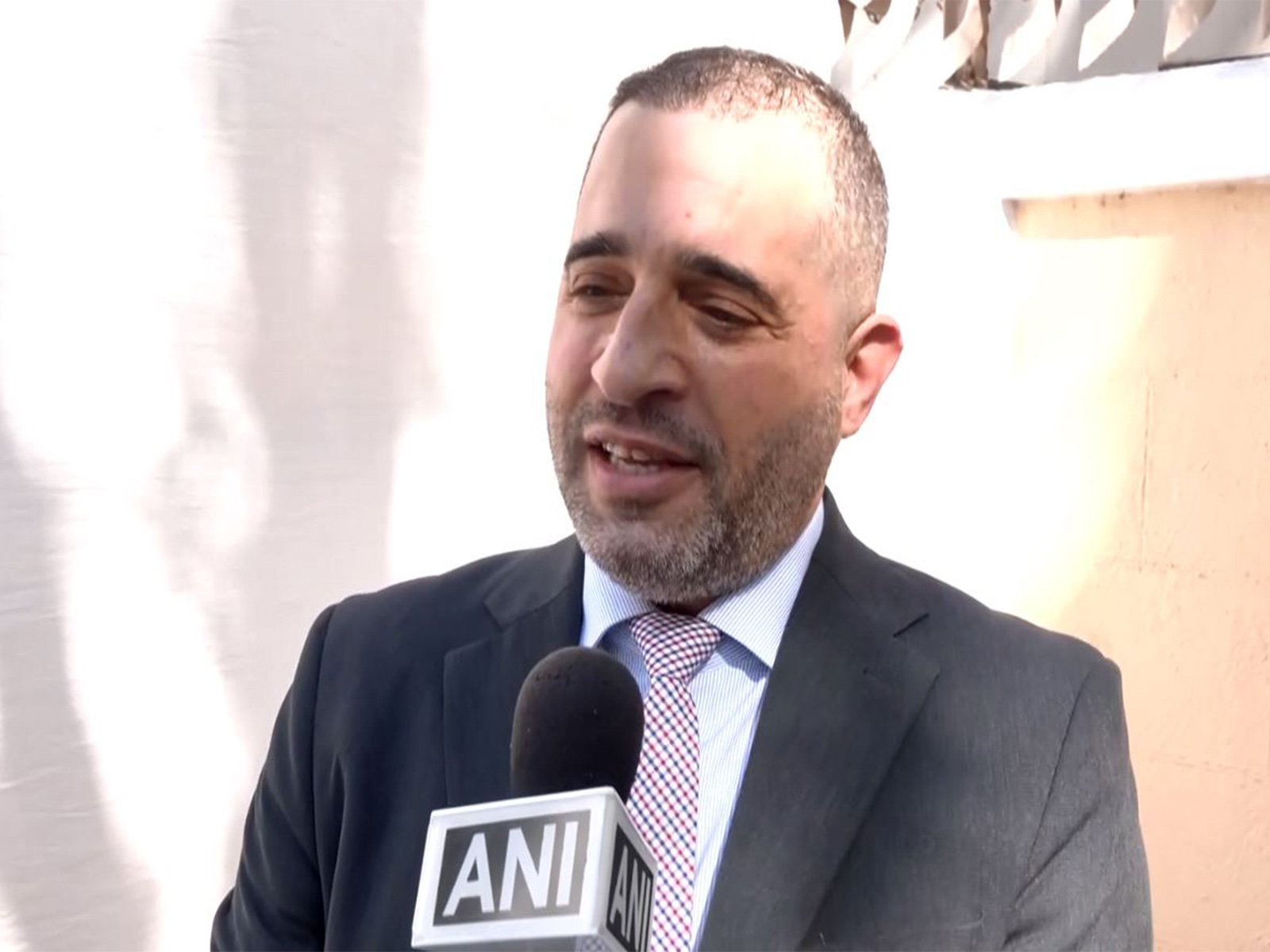
Highlighting one of the defining dilemmas of our time during this session, Dina Perla Portnaar, Author, Speaker, and Humanist, stated that blasphemy laws have increasingly become mechanisms through which religious minorities are "silenced, discriminated, criminalised, or rendered vulnerable to violence."
Speaking as an analyst and author at the United Nations, Portnaar addressed the intersection of belief, power, and freedom, noting that while these laws are often framed as tools to preserve social harmony, they often operate differently in practice.
"The issue before us is not belief. The issue is coercion," she remarked.
Referencing international legal standards to contextualise this coercion, Portnaar emphasised that Article 18 of the International Covenant on Civil and Political Rights protects freedom of thought, conscience, and religion as an absolute internal freedom.
However, she cautioned that the current application of blasphemy laws in certain states is "unjust, unnecessary and disproportional," effectively amounting to the "criminalisation of identity."
She further observed that these laws are frequently vague and selectively enforced, often being used to settle personal disputes.
This creates a "chilling effect that silences dissent and debate," where punishment is delivered not only by courts but by "mobs, social ostracism, forced displacement, and impunity."
Expanding on the complexity of the issue, Portnaar addressed how extremist actors sometimes invoke "freedom of religion" to defend ideologies that contradict fundamental human rights.
"The freedom to believe is not the freedom to dominate," she asserted, adding that when states codify a single religious interpretation into law, they cross the line from protecting belief to "enforcing orthodoxy."
In light of these challenges, Portnaar urged a rejection of the "false binary" that suggests a choice must be made between protecting religion and protecting human rights.
Instead, she argued that pluralism and accountability are mutually reinforcing, stating, "Human rights are not the enemy of religion. The true threat to both religion and human rights is coercion, especially when it is sanctified by law."
Addressing matters of governance arising from such legal frameworks, she warned that blasphemy laws without safeguards undermine judicial independence and the rule of law.
She noted that when the international community hesitates to address these laws for fear of appearing "culturally insensitive," minorities are left without protection.
Portnaar further reminded the forum that the individuals discussed are not legal abstractions but people navigating daily life under threat.
"If blasphemy laws are used to silence minorities, then they are no longer about faith. They are about power. And power without accountability is precisely what human rights law was designed to restrain," she stated, calling for belief systems to be protected from becoming "a tool for persecution."