Govt exploring "most effective" measures to promote electric mobility: H D Kumaraswamy
Feb 25, 2026
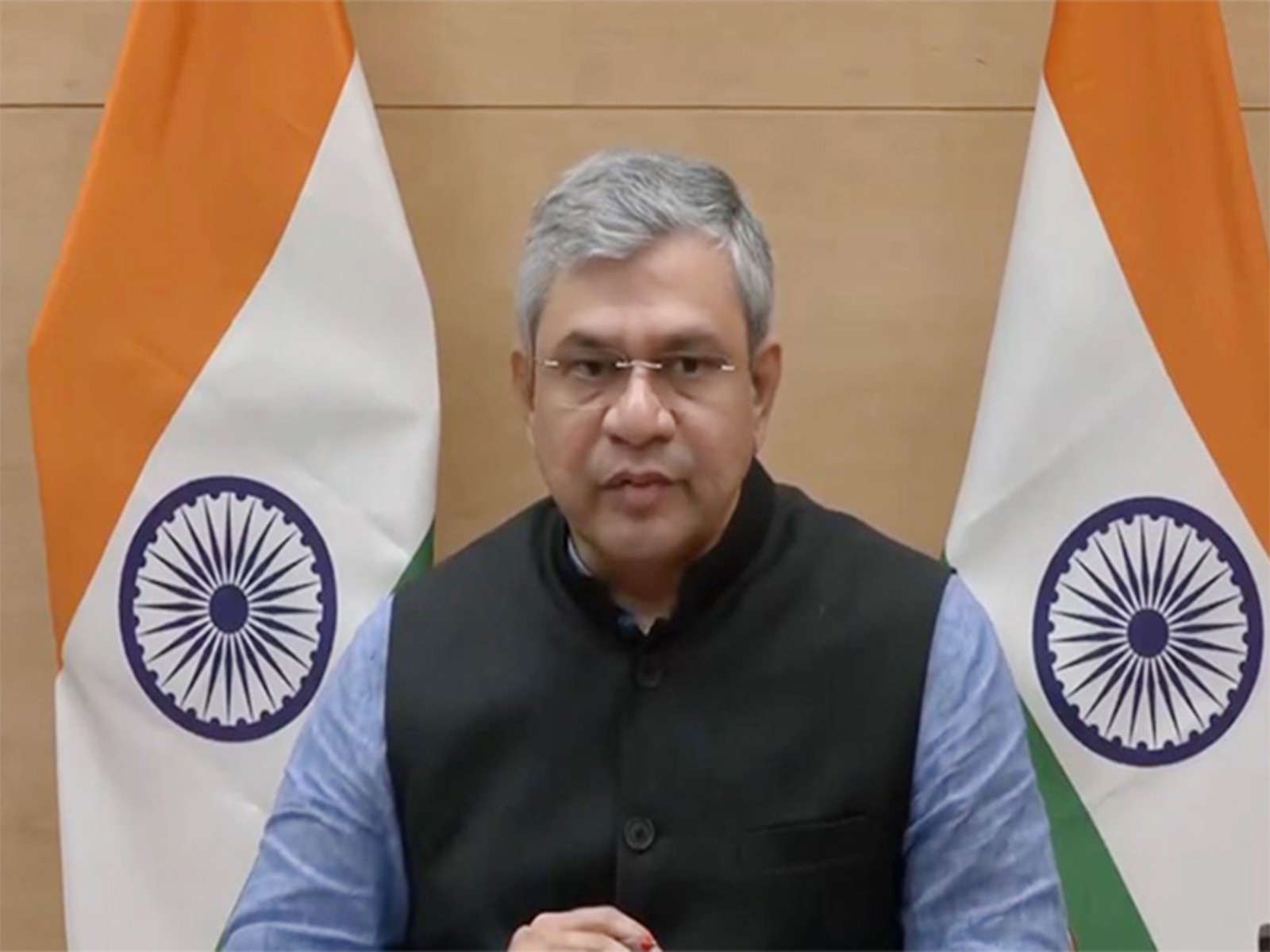
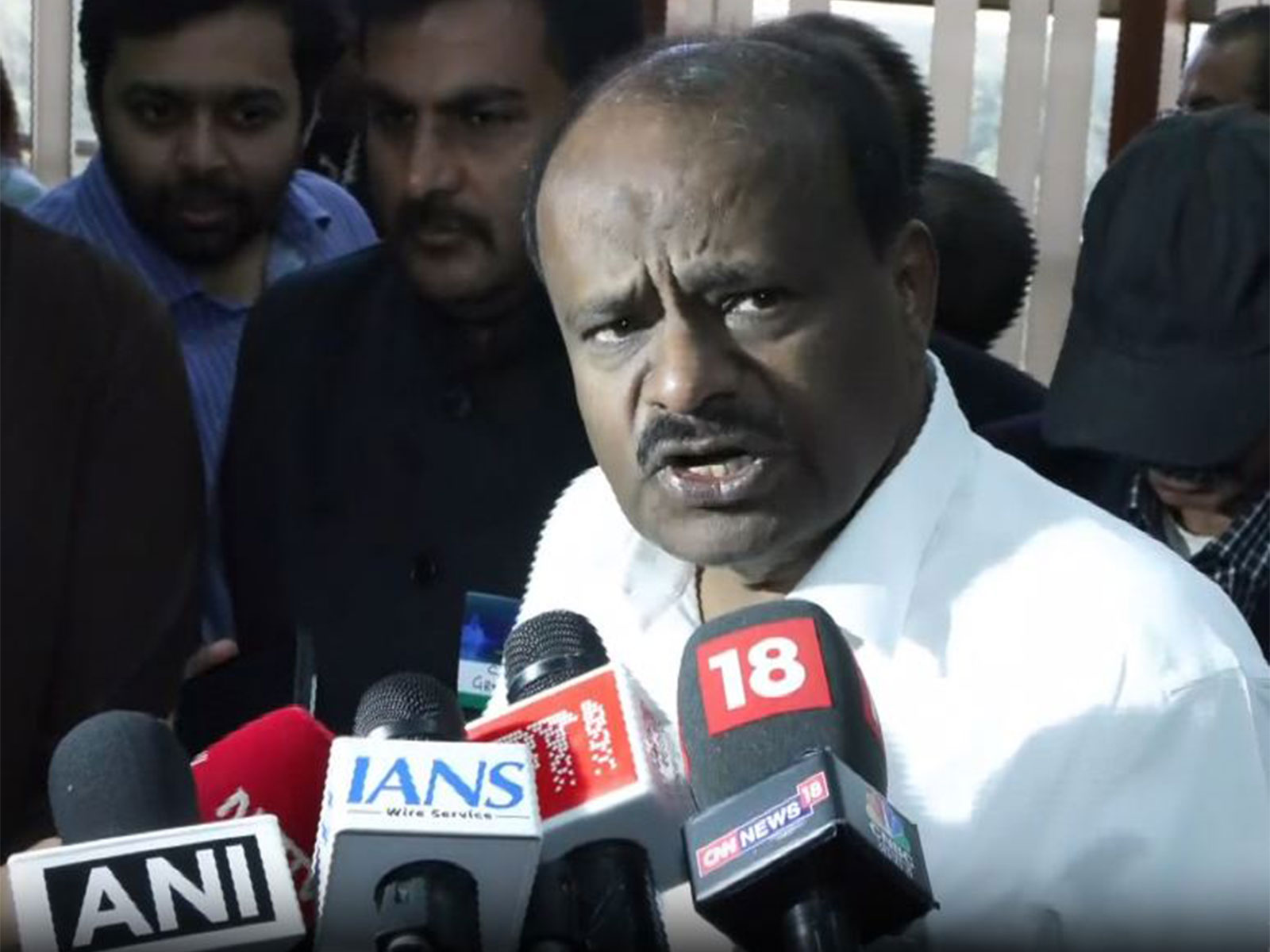
New Delhi [India], February 25 : Union Minister for Heavy Industries and Steel, H D Kumaraswamy on Wednesday said the government is exploring the most effective measures to promote electric mobility, noting that discussions with key stakeholders are already underway.
While speaking with the media, on the sidelines of the 3rd FICCI National Conference on Electric Vehicles, Kumaraswamy said, "Whatever the best way we have to encourage electric mobility, we are going to take that issue."
He further revealed that a meeting had been held with stakeholders and the Ministry of Power. "Already, we had a meeting with stakeholders and the power ministry. After the meeting with the stakeholders, the power ministry has sent the proposal to the PM's office," he added.
The minister's remarks come amid continued policy deliberations aimed at accelerating India's transition towards cleaner and sustainable transportation solutions.
Further, while addressing the conference, Minister Kumaraswamy emphasised that electric mobility is central to India's broader economic and environmental strategy.
"India's transition to electric mobility is aligned with Hon'ble Prime Minister Narendra Modi's broader national vision of Aatmanirbhar Bharat and Viksit Bharat 2047, and our commitment to achieve Net Zero by 2070," he said.
Highlighting the expanding scope of the sector, the Minister described electric mobility as far more than a climate intervention.
"Electric mobility today is not merely a climate initiative; it is an industrial strategy, a manufacturing opportunity, a supply-chain recalibration, and a technological leap," Kumaraswamy noted.
He underscored the proactive role being played by the Ministry of Heavy Industries in shaping India's EV growth trajectory through targeted schemes, incentives and ecosystem development. According to the Minister, flagship initiatives of the Ministry are delivering measurable outcomes across segments.
Citing the progress of the PM E-DRIVE scheme, Kumaraswamy stated, "As of February 2026, more than 28 lakh electric vehicles have been sold under the scheme, including over 20 lakh electric two-wheelers and nearly 3 lakh electric three-wheelers."
He further noted that the electric three-wheeler (L5) segment has already achieved its target ahead of schedule and reached nearly 32 per cent penetration, signalling growing market maturity.
The Minister also highlighted the rapid pace of public transport electrification.
"Public transport electrification has gained significant momentum, with over 14,000 electric buses sanctioned across major cities under an allocation of Rs 4,391 crore," he said, adding that the large-scale deployment is improving urban air quality while providing policy continuity for domestic manufacturers.
Kumaraswamy pointed to the Ministry's Production Linked Incentive framework as a key enabler of long-term competitiveness. He noted that the PLI scheme for Advanced Chemistry Cell battery storage, with an outlay of Rs 18,100 crore, is laying the foundation for 50 GWh of domestic battery manufacturing capacity, of which 40 GWh has already been awarded.
In parallel, incentives under the PLI Scheme for Automobile and Auto Components have supported over 13.6 lakh electric vehicles across categories, further strengthening the domestic value chain.
Addressing the importance of critical minerals security, the Minister referred to the Rs 7,280 crore initiative to promote domestic manufacturing of Sintered Rare Earth Permanent Magnets, describing it as a first-of-its-kind effort to build a robust REPM ecosystem in India.
Kumaraswamy also highlighted India's growing export potential in the automotive and EV components space.
"Over the past decade, automotive component exports have nearly doubled, rising from about USD 8 billion to USD 16.9 billion, reflecting India's deepening integration into global value chains and its growing credibility as a manufacturing hub," he observed.
With India expanding its network of Free Trade Agreements with partners including the EU, UK, Australia and the UAE, the Minister urged industry stakeholders to actively pursue global markets as domestic scale consolidates.
Reaffirming the government's strategic direction, Kumaraswamy concluded, "Electric mobility must remain central to the Make in India, strengthening domestic manufacturing, deepening localisation, and positioning India as a global production hub for EVs, batteries and critical components."