Govt urges citizens to avoid panic booking, assures stable LPG and fuel supply amid global energy disruptions
Mar 12, 2026
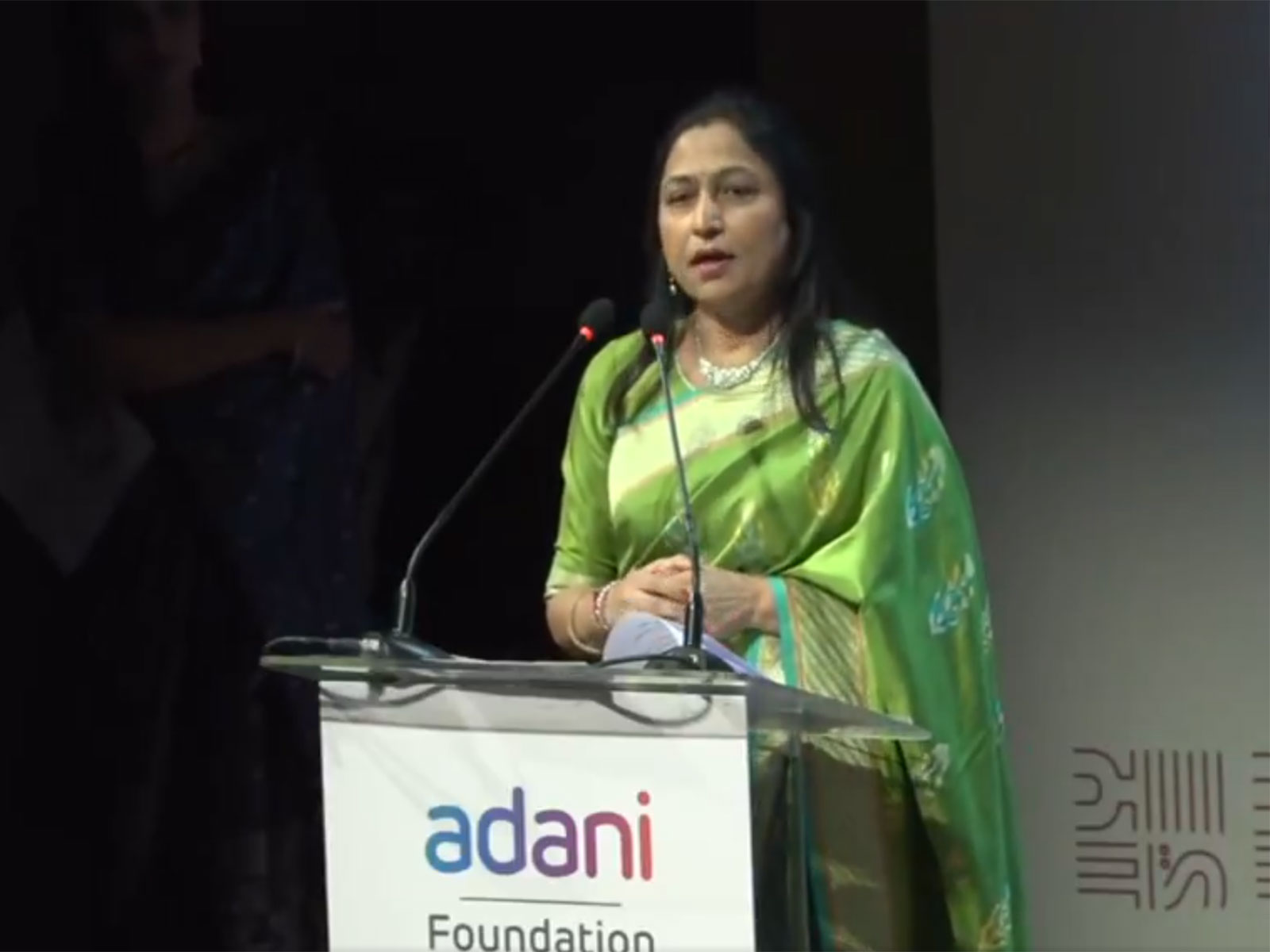
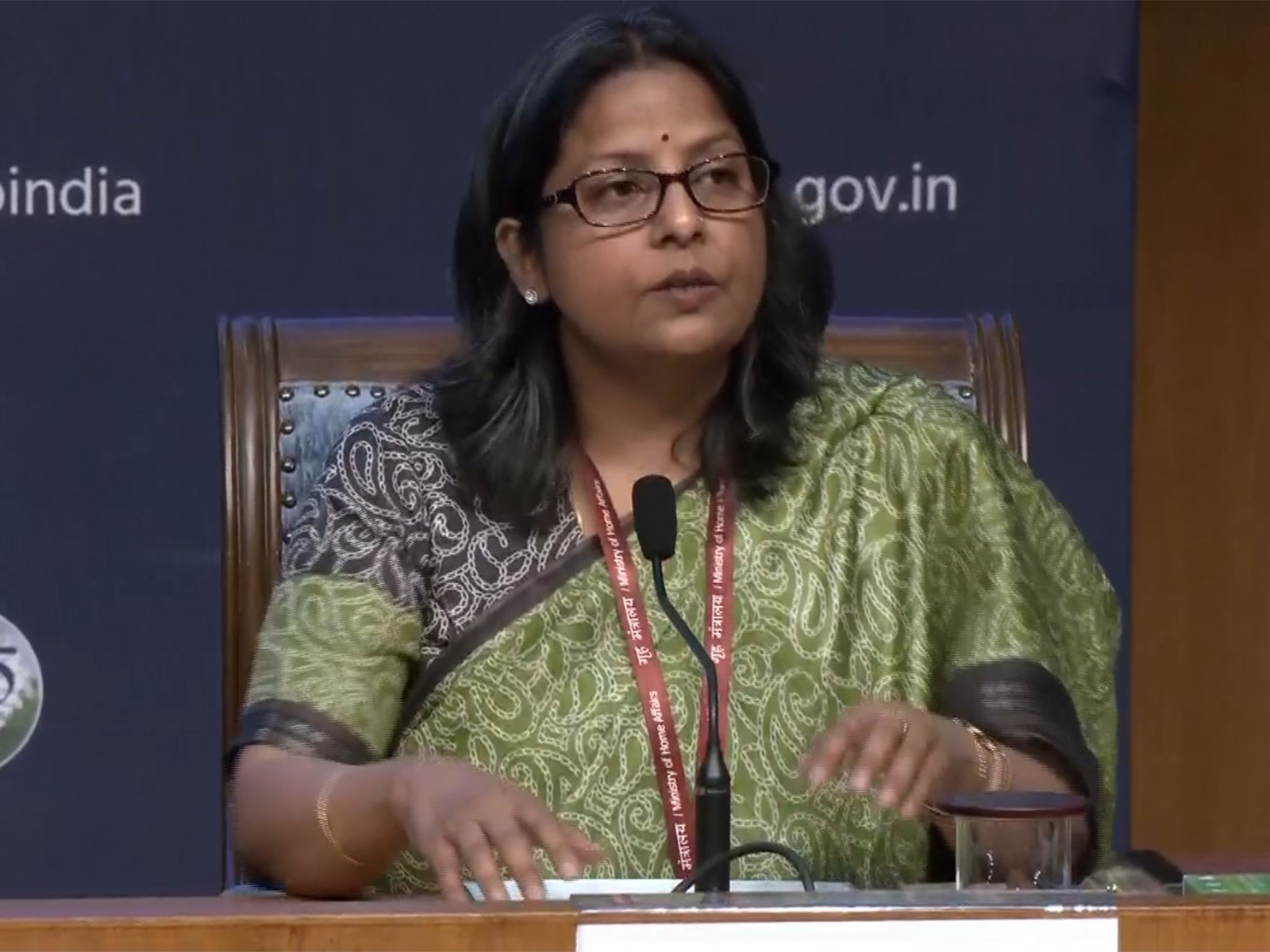
New Delhi [India], March 12 : Amid global energy disruptions following the closure of the Strait of Hormuz, the government has assured that the domestic supply of LPG, petrol, diesel, kerosene, and natural gas remains stable, while citizens are urged to avoid panic booking and conserve fuel, said Sujata Sharma, Joint Secretary of the Ministry of Petroleum and Natural Gas, today.
"There is a manifold increase in the bookings because of the panic. We urge the citizens to avoid panic booking and all efforts have to be made to conserve the fuel wherever possible during this period of global uncertainty," Sharma said while briefing on energy security during a joint press conference on Inter-Ministerial developments in West Asia in New Delhi.
She said that India imports nearly 60% of its LPG, with most cargo previously coming through the Strait of Hormuz, now closed for commercial shipping.
"So today is the 13th day of the war, and the Hormuz for the commercial shipping is closed. This is very important in the context that we do take lot of import from the Strait of Hormuz. Although after the intervention of the government, as on today, more than 70% of our import is coming through routes other than the Strait of Hormuz," she added.
She highlighted that domestic refining capacity provides a significant buffer, noting that India is the fourth largest refiner in the world, processing nearly 55 million barrels of oil per day. "As far as the crude is concerned, the situation is quite comfortable," Sharma said, explaining that refineries are maximising LPG production following a March 9 order under the Essential Commodities Act. "Yesterday I told you 25%. Now it is 28% of our domestic production. So that is the increase."
Sharma said the retail network remains robust, with almost 100,000 outlets nationwide operating without any dry-outs. LPG distribution through 25,000 distributors continues, with roughly 50 lakh cylinders delivered daily.
On commercial LPG, Sharma said priority is given to hospitals and educational institutions. A three-member committee of executive directors from oil marketing companies has been formed to manage allocation, while state governments are asked to identify beneficiaries to prevent hoarding and black marketing.
The government is also promoting alternate fuel options to ease pressure on LPG and gas channels. Kerosene allocations to states are being increased, and coal distribution is being scaled up for small and medium consumers. The Ministry of Environment, Forest and Climate Change has advised state pollution boards to permit the temporary use of biomass, RDF pellets, kerosene, or coal for the hospitality and restaurant sectors for one month.
Senior officials of oil marketing companies remain in daily contact with state governments to monitor supply, maintain priority sequence, and enforce regulations, with district-level committees established to prevent diversion, she added.