GST cut on air purifiers lies solely within GST Council's domain: Centre tells Delhi HC
Jan 08, 2026
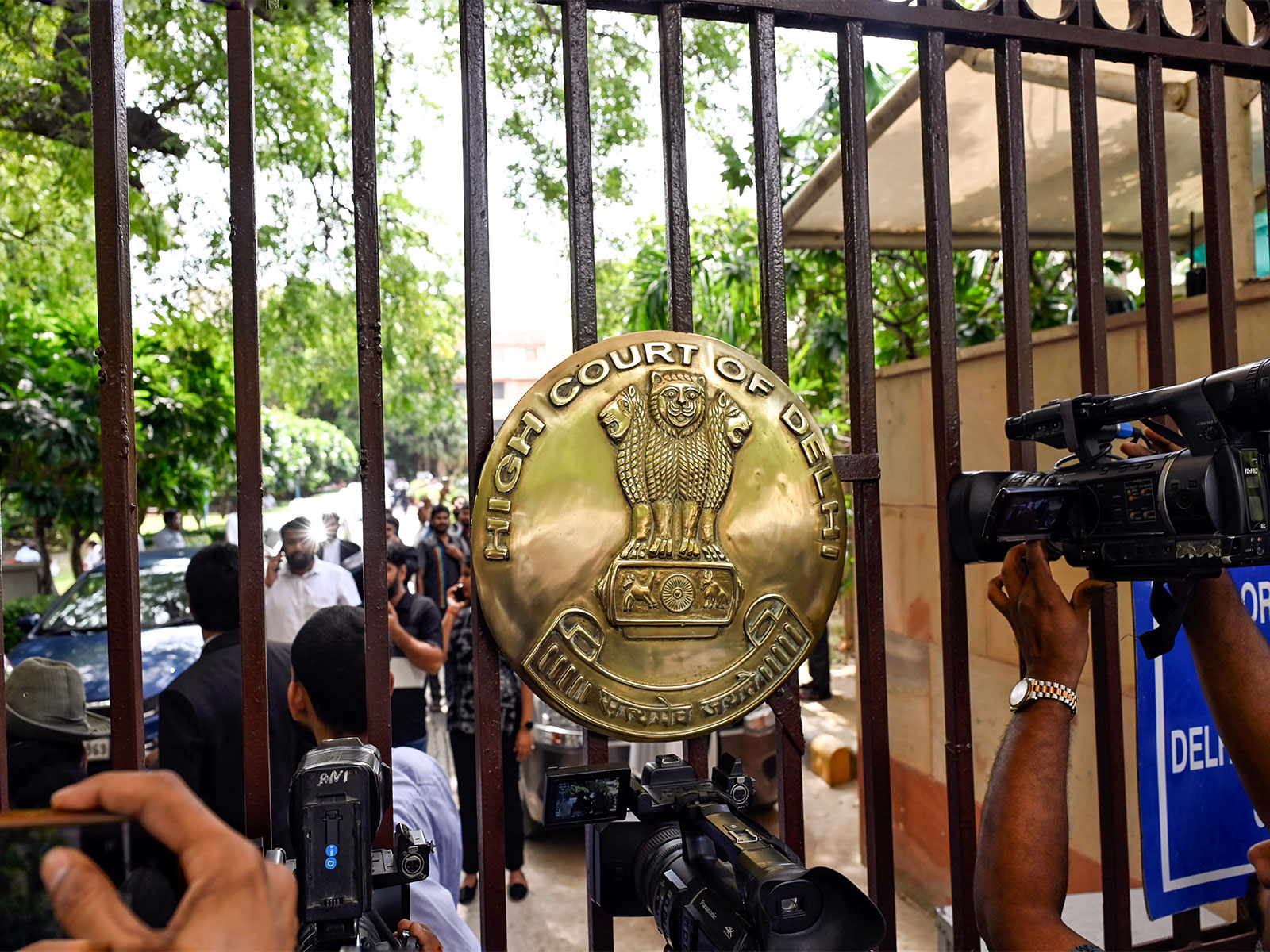
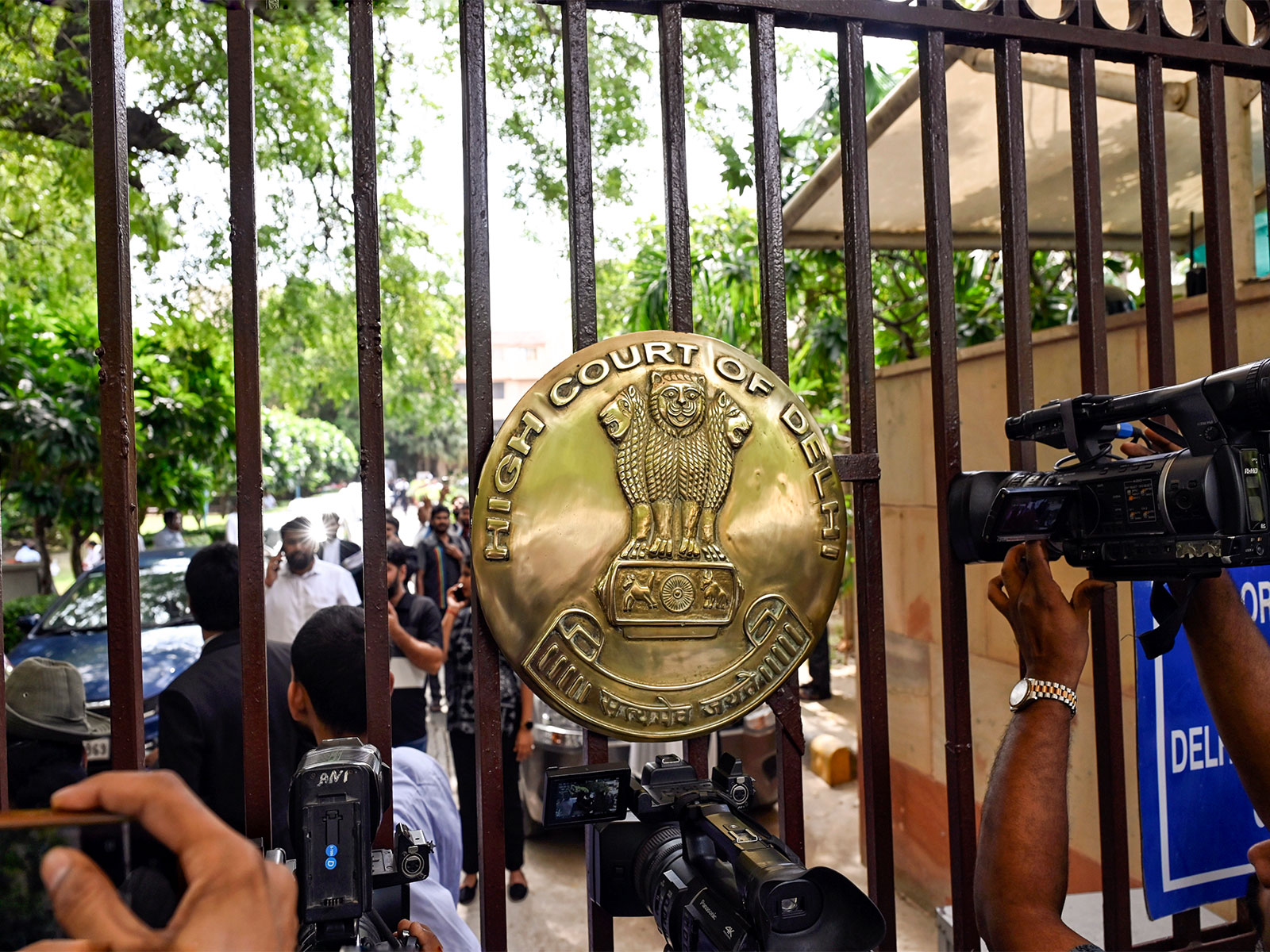
New Delhi [India], January 8 : In a detailed counter affidavit filed before the Delhi High Court, the Union government has firmly opposed the plea seeking a reduction of GST on air purifiers, asserting that classification of goods and fixation of tax rates fall exclusively within the constitutional domain of the GST Council and are beyond the scope of judicial directions.
Placing its stand on record, the Centre contended that the GST Council, constituted under Article 279A of the Constitution, is an instrument of cooperative federalism comprising the Union and all States, and is the sole body empowered to recommend GST rates, exemptions and classifications.
Any court-mandated direction to alter GST rates or compel the Council to deliberate on a specific issue, it argued, would violate the doctrine of separation of powers and undermine the carefully balanced federal structure.
The affidavit states that air purifiers are correctly classified under HSN Code 8421 as "filtering or purifying machinery and apparatus for liquids or gases," attracting a standard GST rate of 18%. Medical devices, on the other hand, fall under HSN headings 9018 to 9022 and presently attract a concessional 5% rate pursuant to GST rationalisation undertaken by the Council in its 56th meeting. The Centre maintained that the petitioner's attempt to link regulatory classification under the Drugs and Cosmetics Act with GST rate determination is legally misconceived.
Clarifying further, the Union government submitted that notification of a product as a "medical device" under the Drugs and Cosmetics Act or the Medical Device Rules merely brings it within a regulatory framework and has no automatic bearing on GST rates, which are governed by a distinct constitutional and statutory regime.
It cautioned that declaring air purifiers as medical devices could, in fact, be counterproductive by subjecting them to additional licensing and compliance requirements, potentially restricting market access and affecting supply.
The affidavit also pointed out that requests for GST rate changes are ordinarily examined through the institutional mechanism supporting the GST Council, including scrutiny by the Fitment Committee. It was submitted that during an earlier hearing, the Centre had suggested treating the petition as a representation to the GST Council Secretariat, but the petitioner declined and insisted on pressing for judicial reclassification, raising doubts about the bona fides of the PIL.
Terming the petition a "colourable and motivated" exercise, the Centre alleged that the real objective was not public health or affordability, but securing regulatory reclassification of air purifiers as medical devices, which could confer commercial advantage on a limited set of market players.
Recently, the Delhi High Court sought the Centre's affidavit in this regard and observed that, in the absence of a complete exchange of pleadings, no interim relief could be granted. The Court asked the petitioner to file a rejoinder and listed the matter for further hearing on January 9, 2026.