Gujarat-Based Biobank powers India's fight against rare diseases
Mar 25, 2026
Ahmedabad (Gujarat) [India], March 25 : In a significant step towards tackling rare genetic disorders, a Gujarat-based institute has established India's first national biobank dedicated to rare Lysosomal Storage Disorders (LSDs), offering new hope for affordable diagnosis and treatment.
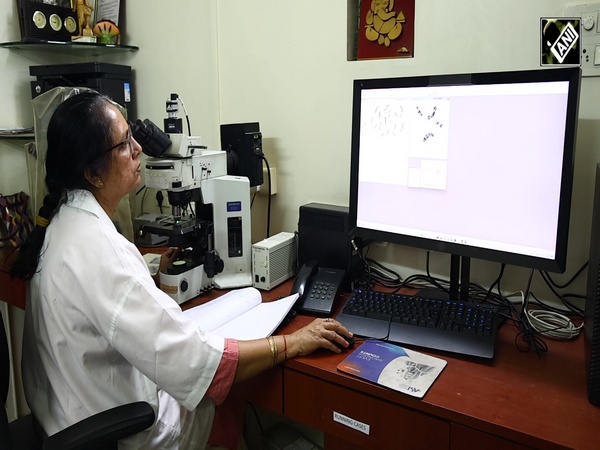
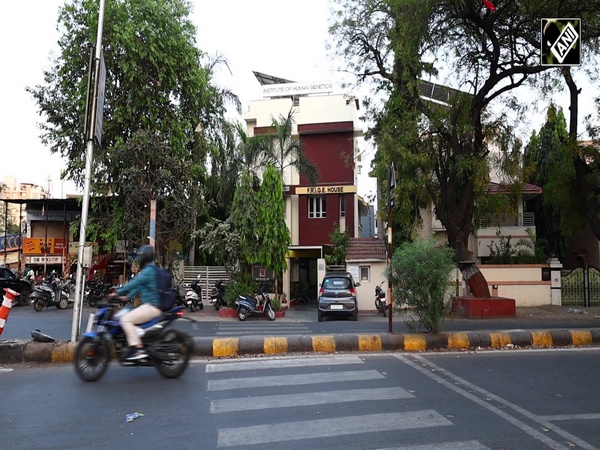
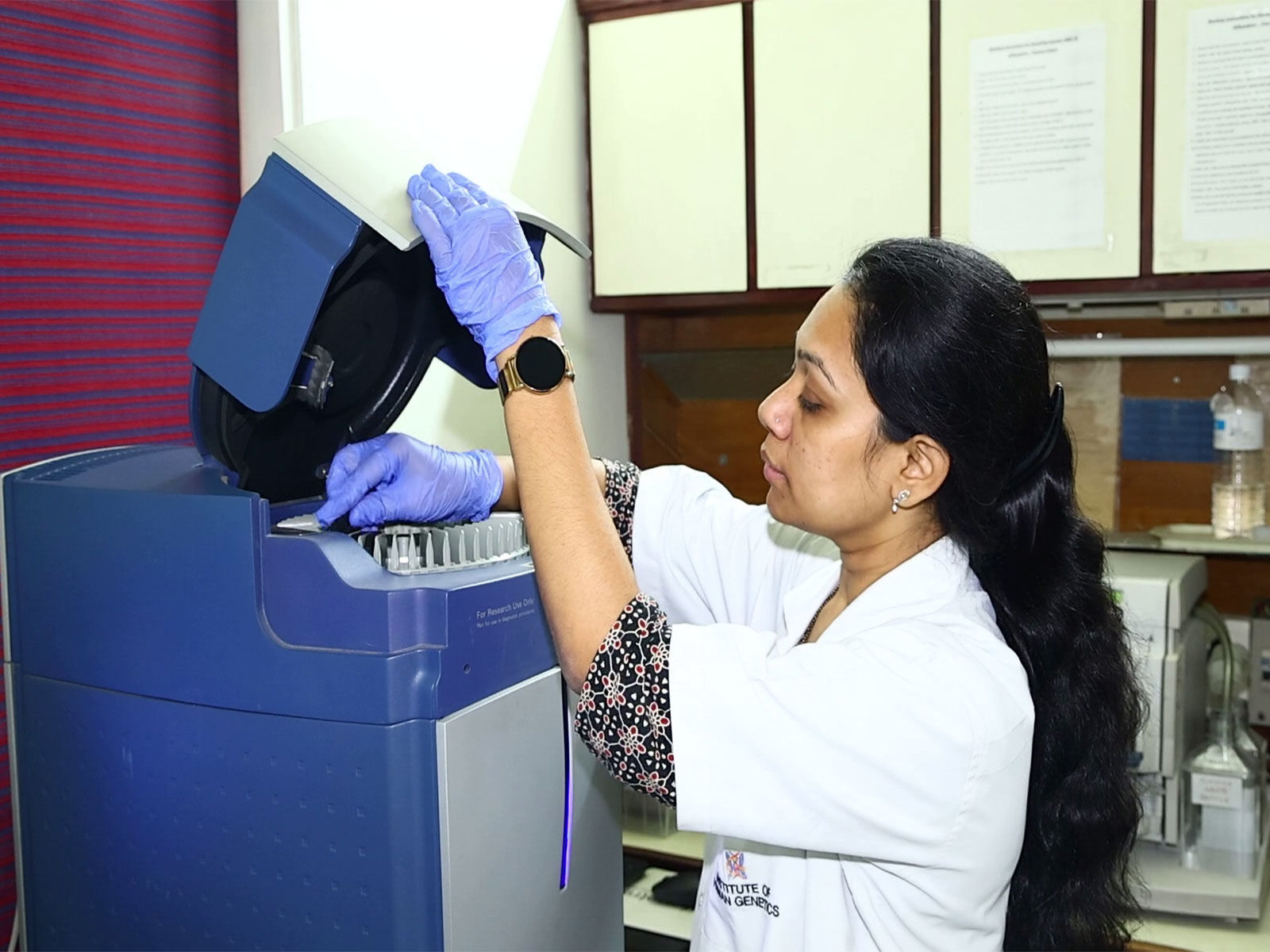
The facility, housed at the FRIGE's Institute of Human Genetics in Ahmedabad, has been developed over the past 22 years. Backed by government funding, the biobank brings together patient samples and detailed clinical data, enabling researchers to identify genetic mutations and work towards cost-effective diagnostic and therapeutic solutions.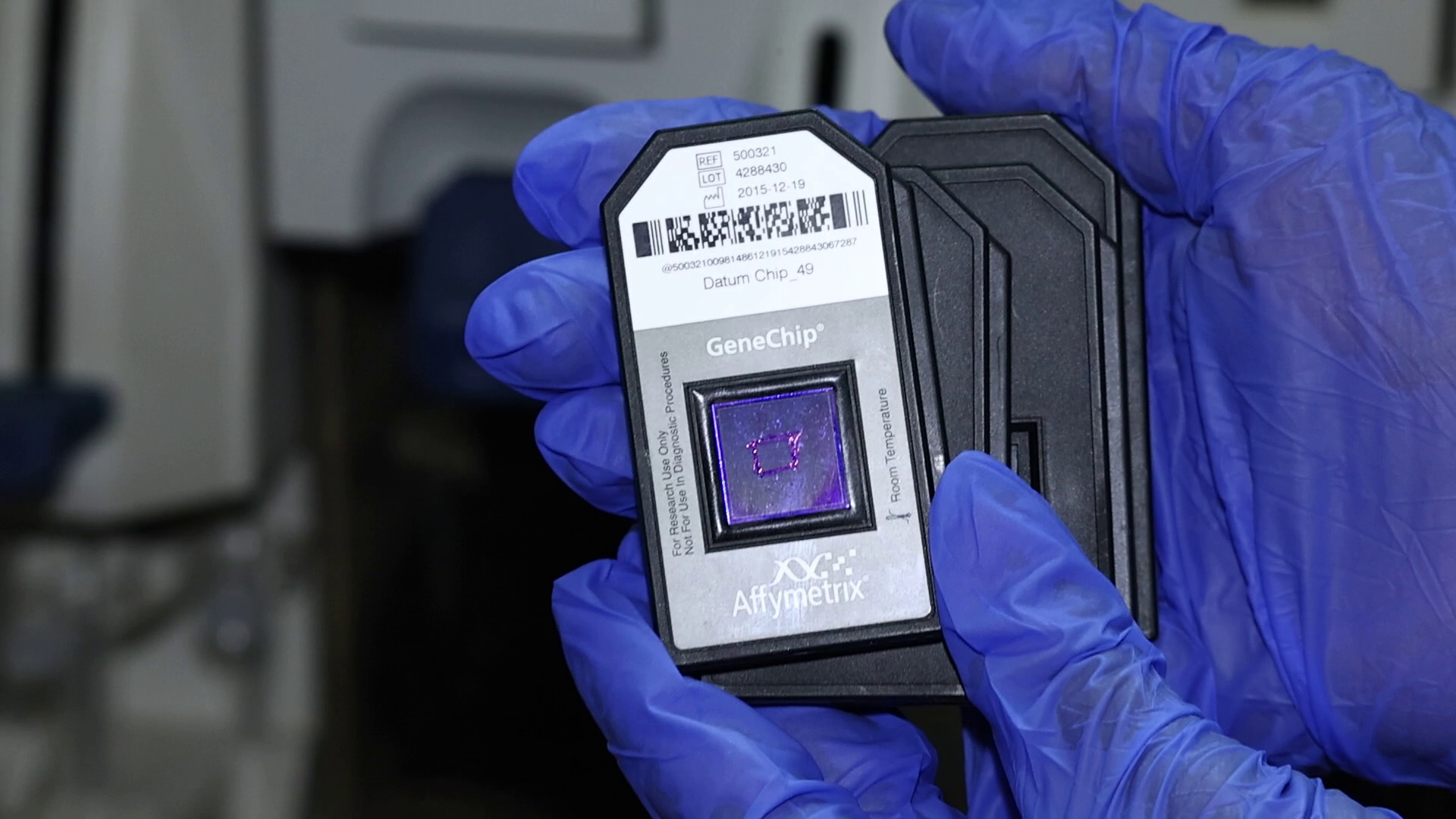
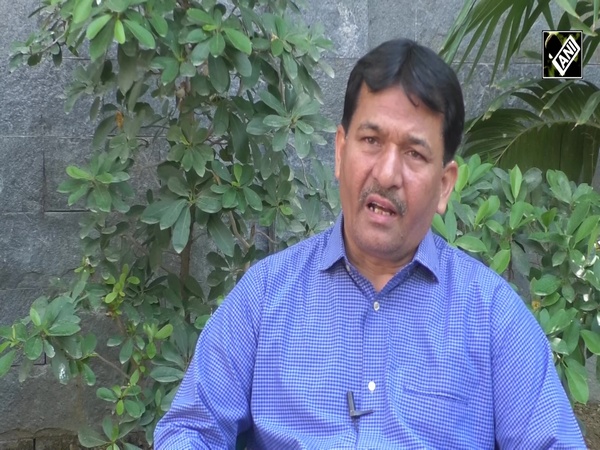
Dr Harsh Sheth, Associate Professor at the institute, said the biobank currently holds data from over 530 patients, including serum, plasma, whole blood genomic DNA samples, and urine precipitates. He added that the repository also includes detailed mutation data related to lysosomal storage disorders, making it a comprehensive resource for research and future patient care.
He further noted that this is the first such biobank in India designed not only for research but also to support treatment and long-term healthcare outcomes for patients suffering from these disorders.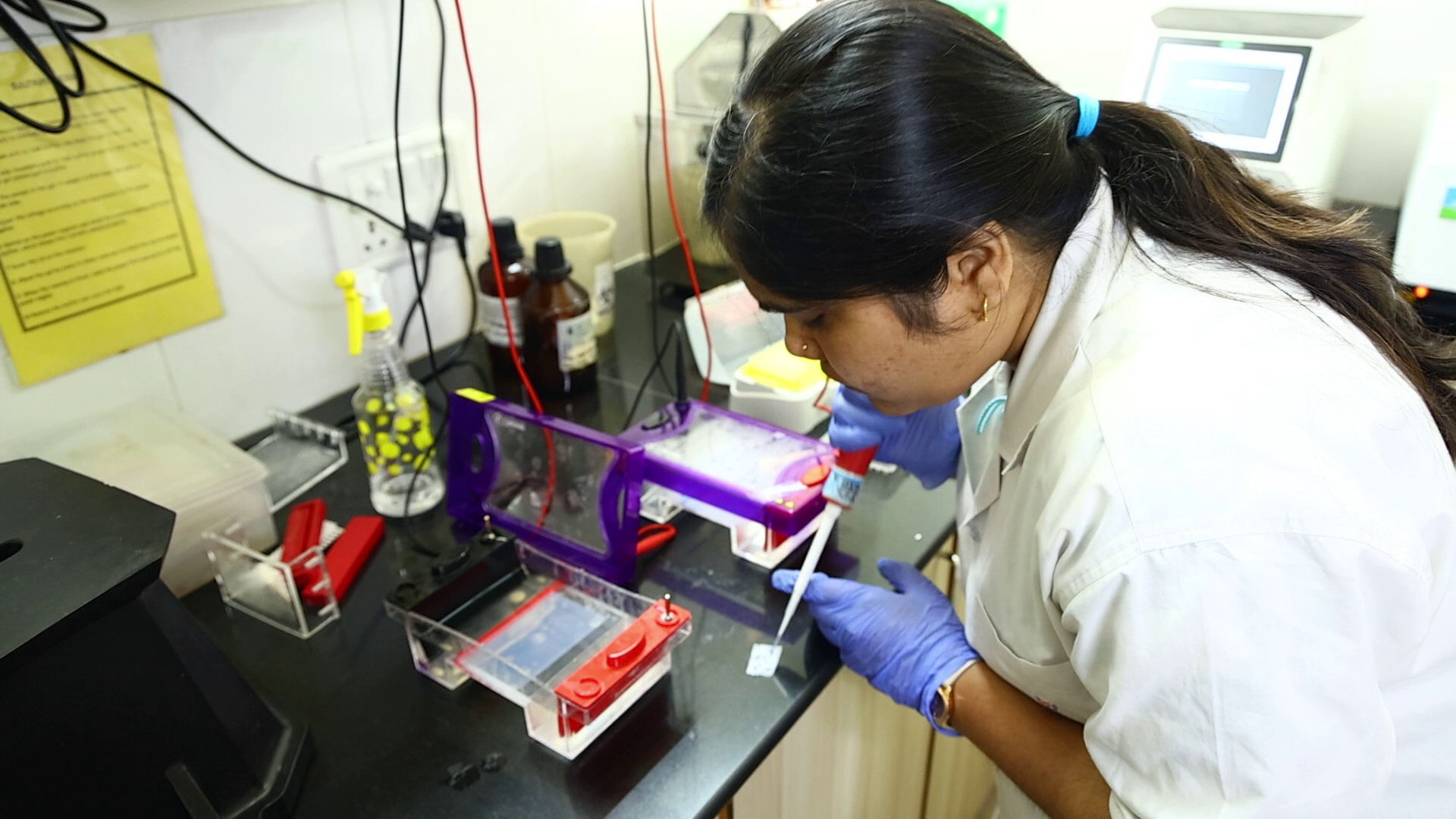
By integrating DNA data with clinical profiles, the biobank plays a crucial role in identifying disease-causing mutations and accelerating the development of indigenous solutions. Researchers are also working on affordable diagnostic kits and advancing gene therapy approaches with support from the Gujarat State Biotechnology Mission (GSBTM).
Dr Sheth highlighted that around a decade ago, the Gujarat government initiated funding support for biotechnology research in rare diseases under GSBTM. The institute was among the first to receive this support for lysosomal disorder research and the creation of the biobank.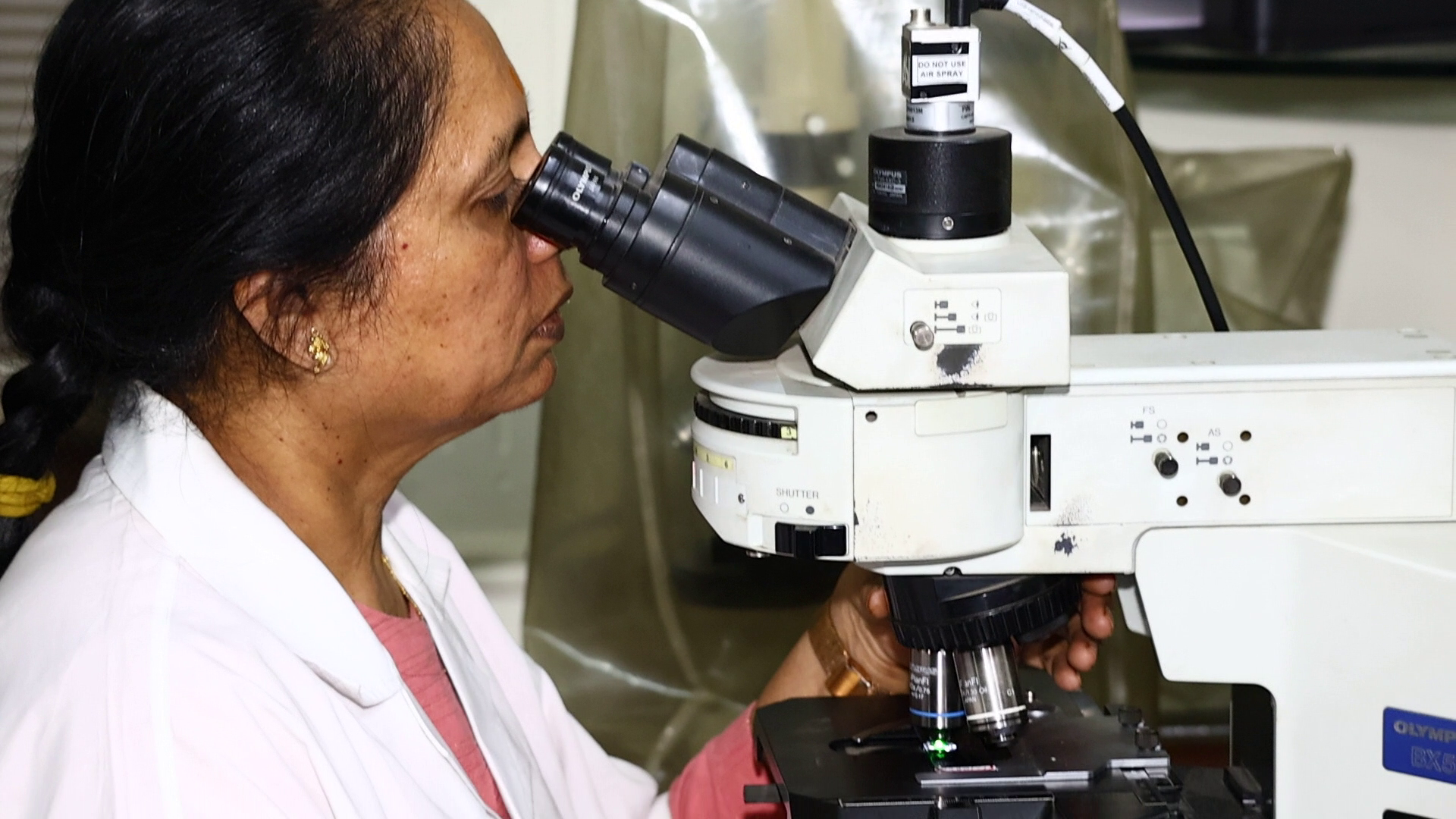
He added that in 2019, the institute received special funding that enabled the development of India's first molecular probe-based sequencing asset for such disorders. This advancement has made it possible to carry out comprehensive diagnosis for as many as 19 lysosomal storage disorders.
With treatment costs for such conditions often exceeding Rs1 crore annually, the focus remains on making healthcare more affordable and accessible. The initiative is also contributing to India's push for self-reliance in advanced medical research while strengthening Gujarat's position as a hub for genetic innovation.