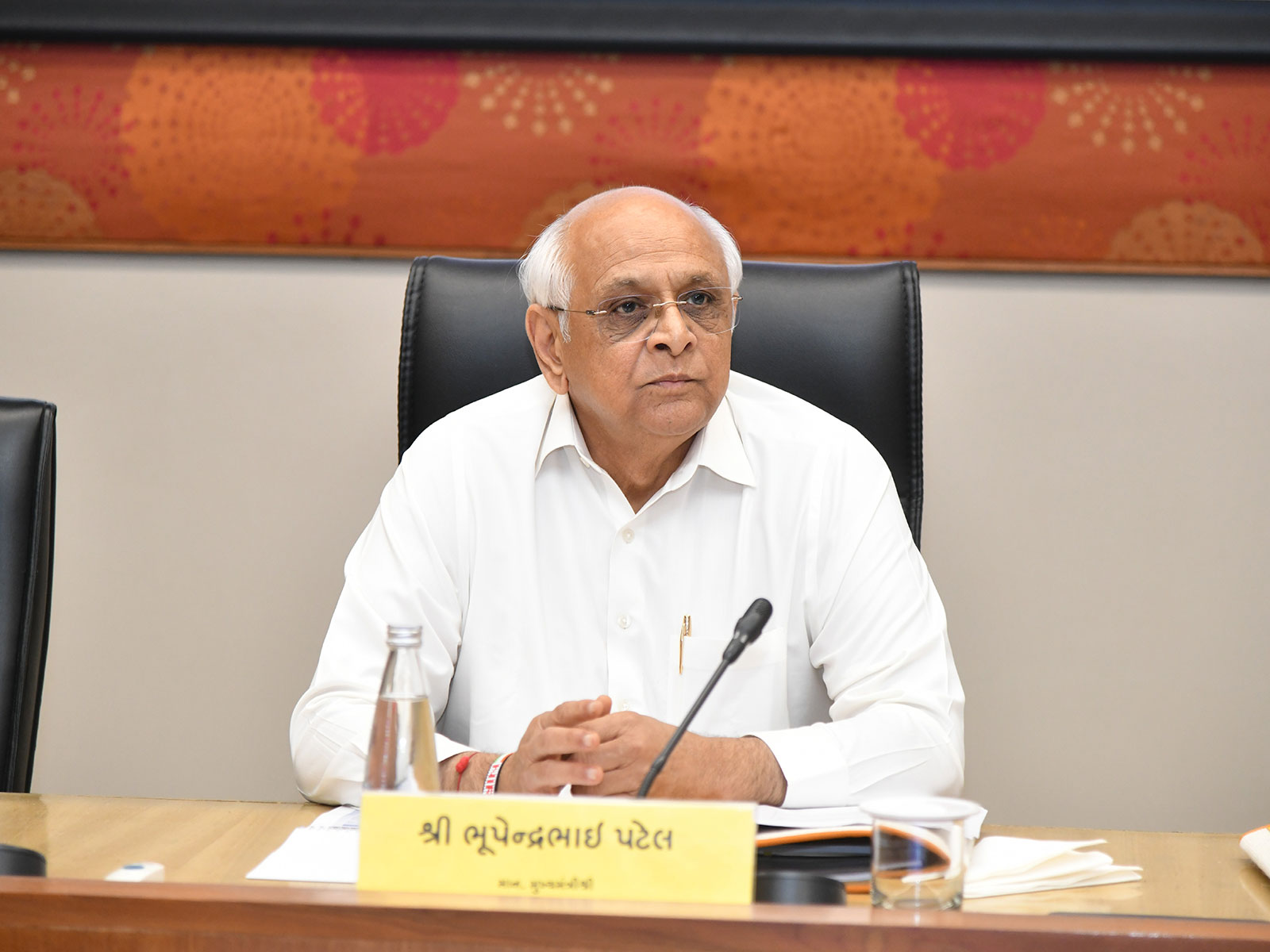
Gujarat CM Bhupendra Patel announces stamp duty relaxation in land transactions
Mar 27, 2026
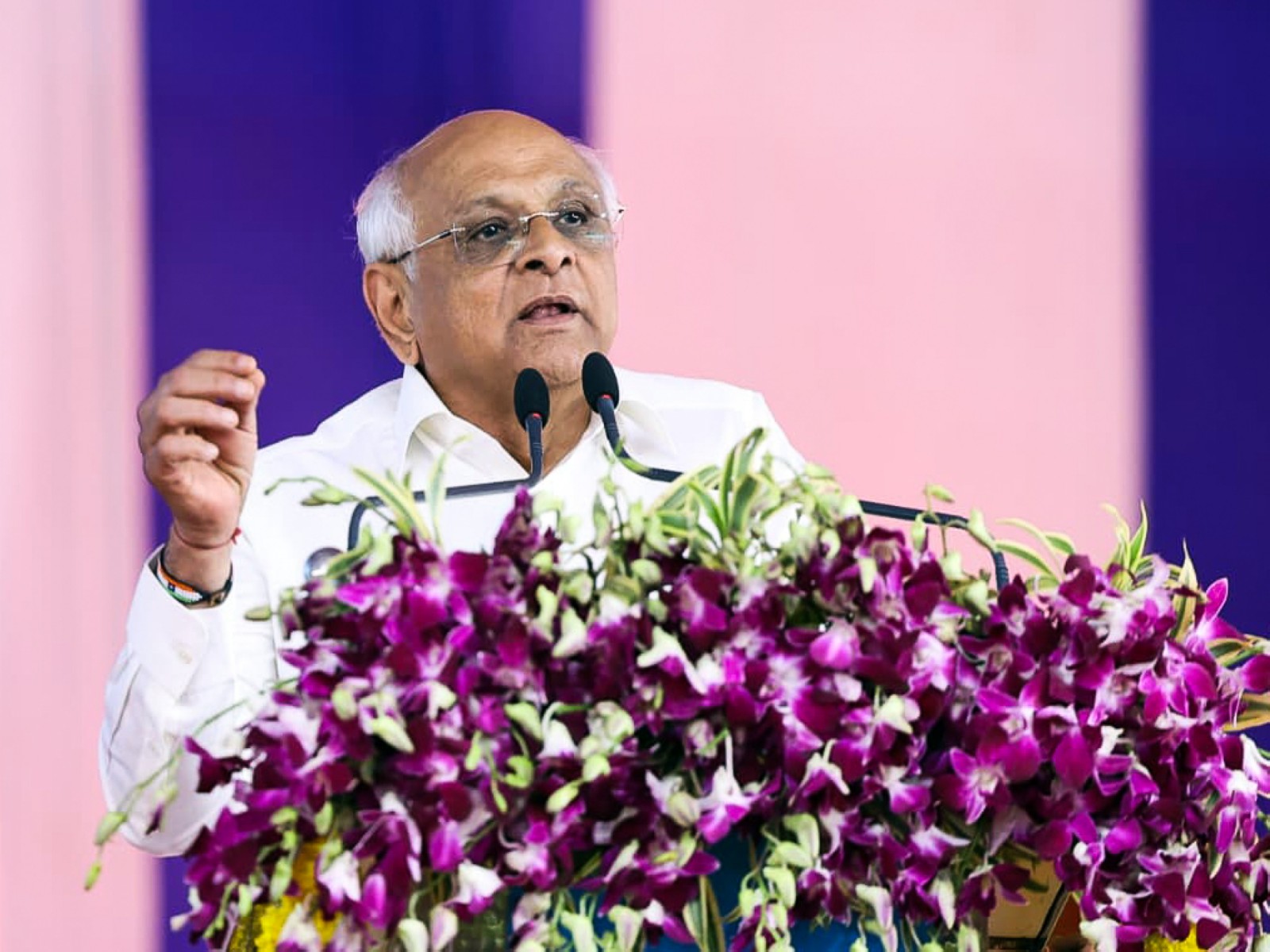
Gandhinagar (Gujarat) [India], March 28 : Gujarat Chief Minister Bhupendra Patel on Friday took a people-centric decision to provide relaxation in jantri-based stamp duty provisions for internal land transactions among lineal and collateral heirs in the state.
According to the Chief Minister's Office, the CM took this farmer and public welfare-oriented decision after positively considering representations made by community leaders, farmer associations, and agricultural organisations.
Under the powers granted to the State Government under Section 9 of the Gujarat Stamp Act, 1958, to reduce or exempt stamp duty, the CM has decided to grant relief from jantri-based stamp duty provisions in certain agricultural land cases and introduce a token stamp duty of Rs 300.
As per this decision, when one or more heirs among joint holders recorded under inheritance entries relinquish rights in favour of other heirs, whether in one or multiple stages (for lineal heirs, or collateral heirs where no lineal heir of the deceased original account holder is alive), a stamp duty of ₹300 will be charged on each deed of relinquishment or reduction of rights.
If lineal heirs are alive, then when the names of one or more heirs are entered in one or multiple stages, or where no lineal heir is alive, and the names of collateral heirs are entered, a stamp duty of ₹300 will be levied on each deed for the entry of rights during the lifetime.
Where joint account holders entered under inheritance records carry out partition over time, whether in one or multiple stages (including lineal heirs or, in their absence, collateral heirs), a stamp duty of ₹300 will be charged on each partition deed, the CMO stated.
In addition, under provisions related to agricultural lands:
Where no lineal heir is alive, rights may be relinquished in favour of one or more collateral heirs in one or multiple stages, and for entry of names/rights during lifetime as well as partition, each such change deed will attract a stamp duty of ₹300.
As a result of this public welfare decision of the CM, easier property division among family members will reduce disputes and court cases, promote proper legal documentation, and encourage registration of transactions that currently remain undocumented due to higher stamp duty, the CMO stated.
Farmers will also receive significant relief as the financial burden involved in dividing inherited agricultural land will decrease. Transparency and clarity will improve, making the Record of Rights clearer and reducing misunderstandings regarding land ownership.
This simplified stamp duty of Rs 300 will make the process faster and more practical, and improved ease in transactions will further strengthen Ease of Doing Business.