Gujarat leads among major states in urban legacy waste disposal; 273.33 lakh metric tonnes of waste disposed so far
Jan 03, 2026
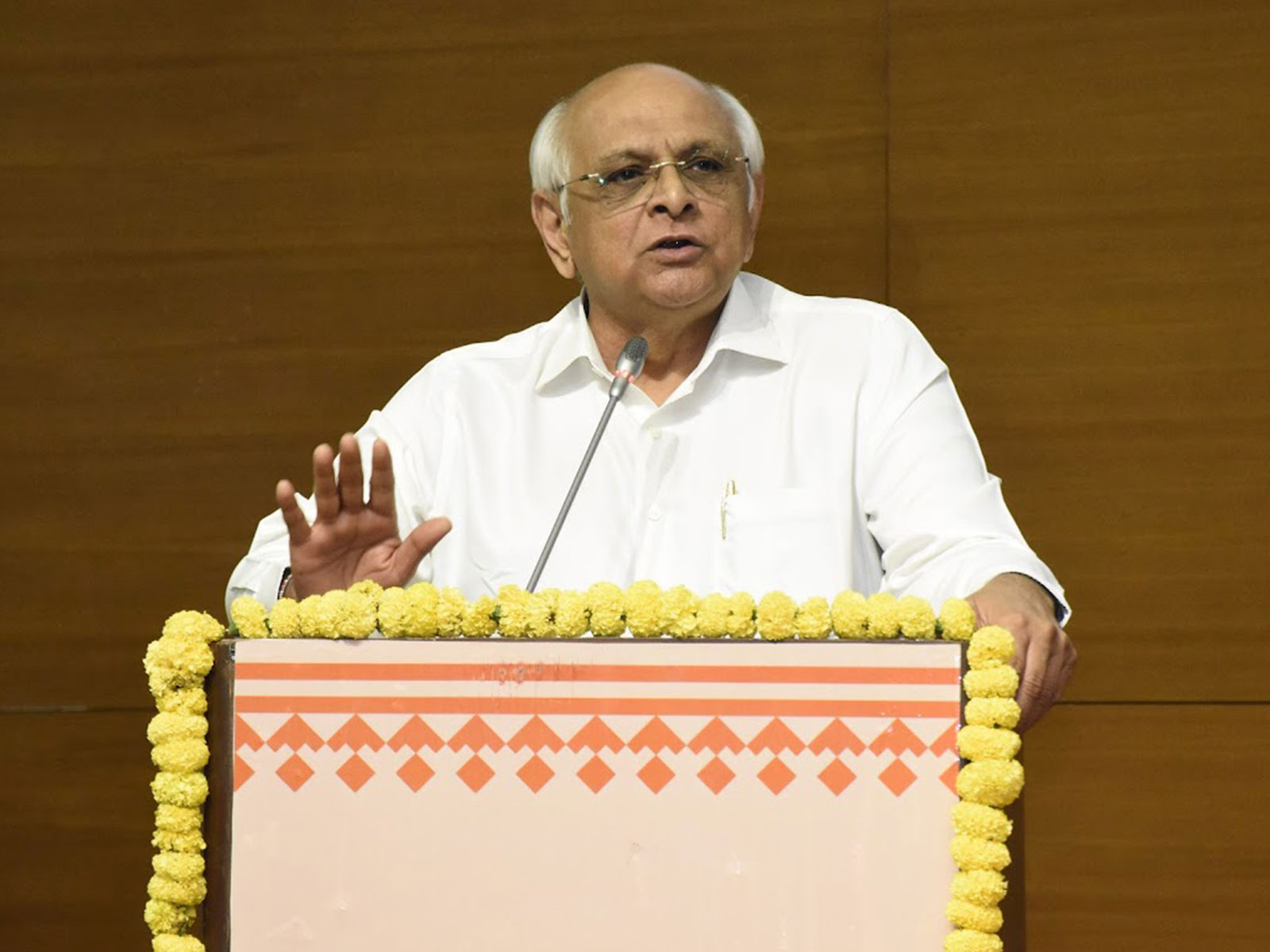
Gandhinagar (Gujarat) [India], January 3 : Government of Gujarat, under the leadership of Chief Minister Bhupendra Patel, continues to work towards making cities green, clean, and livable, guided by the mantra that 'urbanisation is not a problem but an opportunity.'
This aligns with Prime Minister Narendra Modi's vision for urbanisation, laying a strong foundation for planned urban development, a robust municipal system, and modern infrastructure across Gujarat.
Along with cleanliness and modern, sustainable infrastructure, the disposal of legacy waste (or old waste) is equally important for urban development. As a result of an extensive legacy waste disposal campaign, Gujarat has emerged as a leader among major states in legacy waste disposal, according to a release.
A total of 304.09 lakh metric tonnes of legacy waste has been identified across the urban areas, of which 273.33 lakh metric tonnes have been scientifically disposed of so far. Building on this progress, the Gujarat government aims to achieve 100% legacy waste remediation by March 2026.
The Urban Development Department has focused on improving cleanliness, modern and sustainable infrastructure, and the overall ease of living for people in cities, contributing significantly to urban development. Notably, Gujarat has consistently led among major states in the scientific disposal of legacy waste accumulated in dumpsites. Effective legacy waste management, a crucial aspect of urban development, not only reduces pollution and health hazards but also converts reclaimed land into productive spaces, supporting development projects and expanding green spaces, the release stated.
By clearing dumpsites across municipal areas, the state government has reclaimed an estimated 902 acres of land. The land will be put to productive use, including constructing processing plants. Notably, authorities have scientifically disposed of the Bopal-Ghuma dump site in Ahmedabad and the Nakravadi dump site in Rajkot, and established a Miyawaki forest. This scientific disposal has significantly reduced methane emissions and effectively addressed the problems caused by waste burning at these sites, the release stated.
The Gujarat government is taking decisive steps to strengthen environmental protection, public health, and urban development by scientifically disposing of accumulated legacy waste in cities. Under the Nirmal Gujarat 2.0 scheme, Rs 75 crore has been allocated to Urban Local Bodies for legacy waste management. Aligned with 'Swachh Bharat Mission Urban 2.0', the initiative is driving the state towards "Garbage Free Cities." Through these initiatives, Gujarat is setting a benchmark for other states in creating cleaner, healthier, and more sustainable cities, the release added.