Gujarat: Ukai-Kakrapar project spans 600 sq km, providing irrigation benefits to 3.31 lakh hectares
Aug 10, 2026
Gandhinagar (Gujarat) [India], August 10 : The Ukai-Kakrapar Multipurpose Project, built on the Tapi River, continues to play a crucial role in meeting the irrigation, power, drinking water and industrial needs of Gujarat, particularly in the southern part of the state.
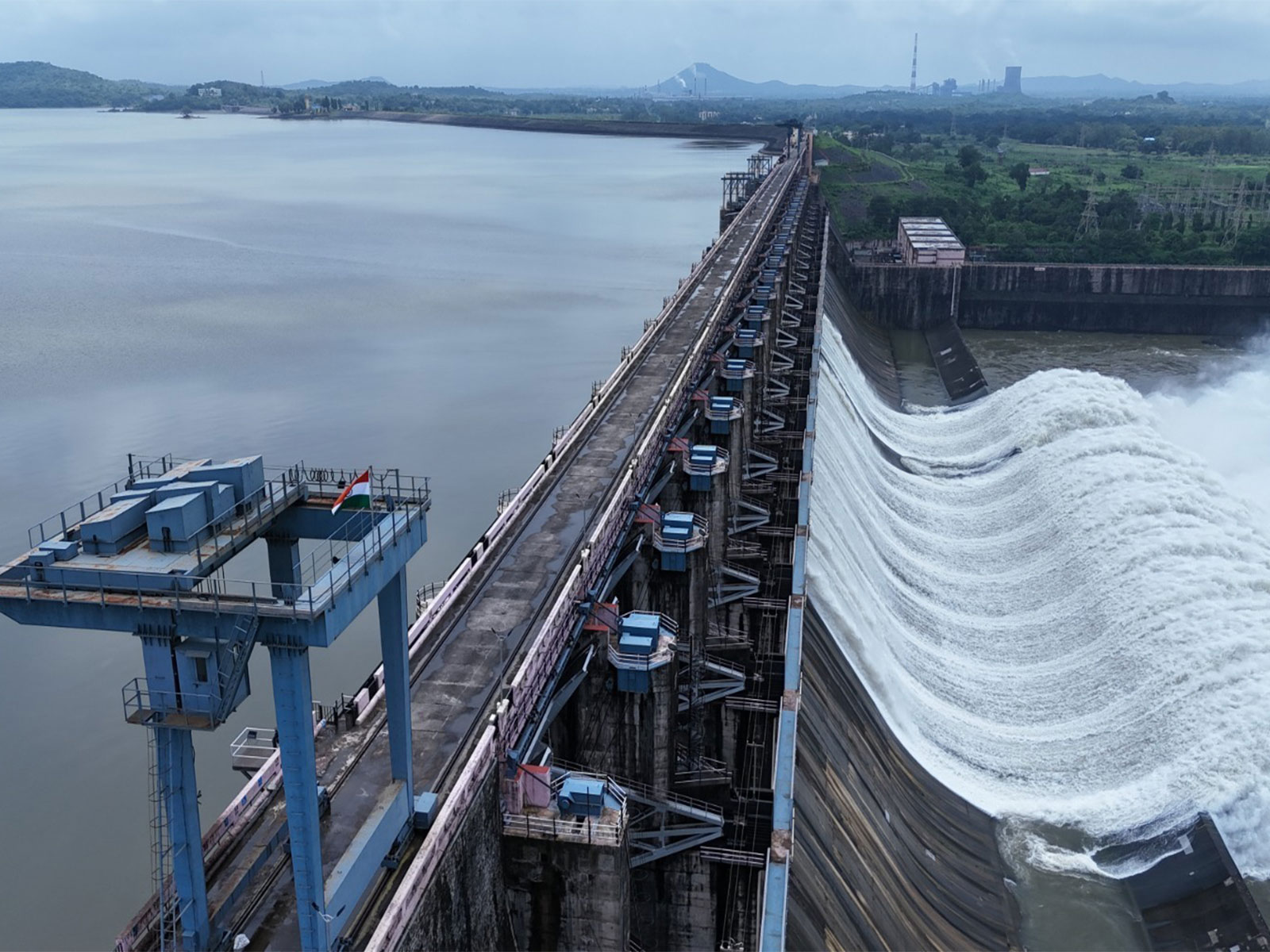
Located at Ukai village in Songadh taluka of Tapi district, the project is one of the state's oldest major multipurpose projects. Its foundation was laid in 1949, even before Gujarat came into existence as a separate state.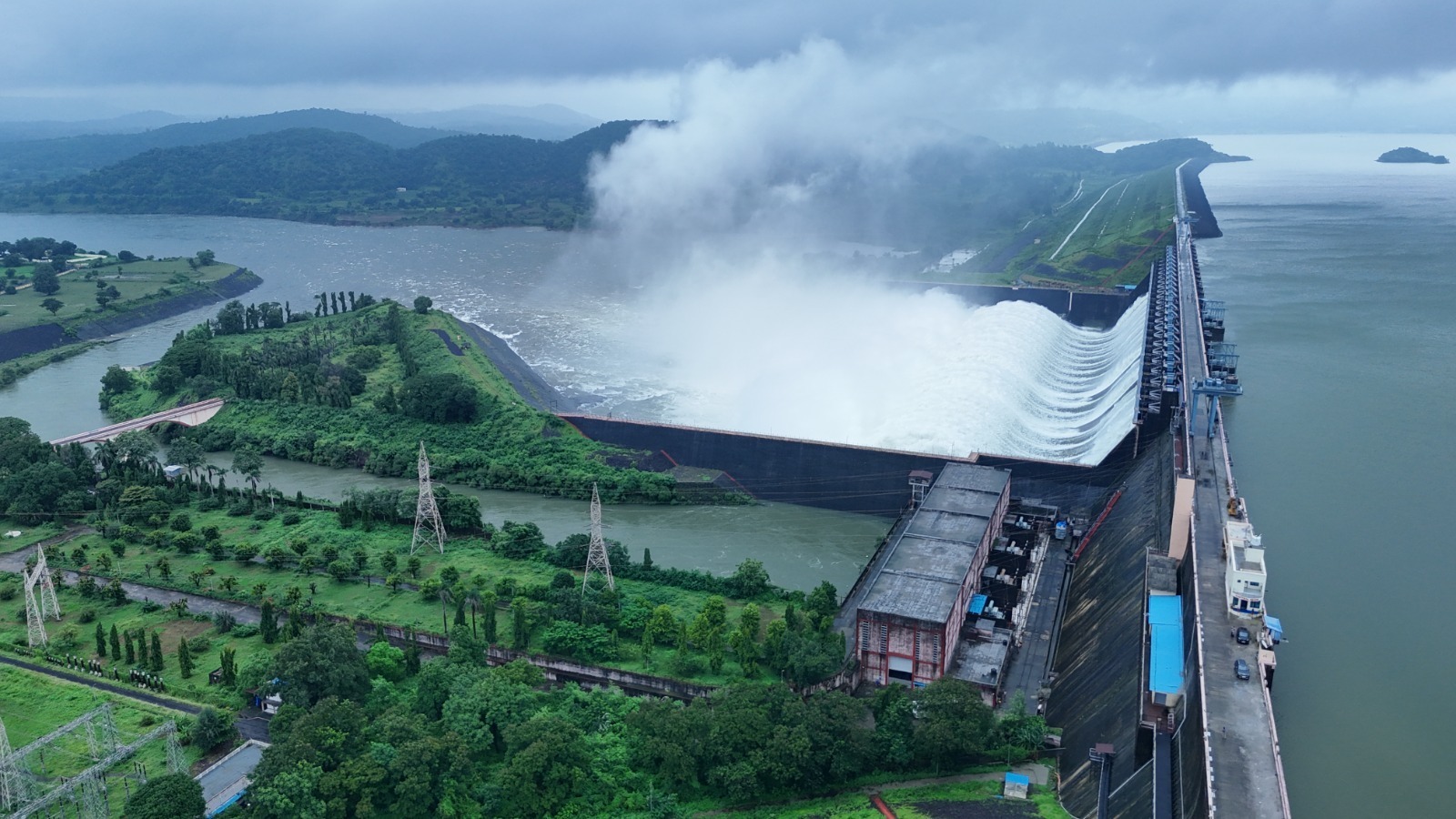
The project was developed in two phases. The first phase involved construction of the 633.50-metre-long Kakrapar Weir between 1949 and 1954. The second phase began with the construction of the Ukai Dam in 1964, following approvals from the Planning Commission in 1961 and the state government in 1962. The dam was completed in 1972, while the reservoir was filled for the first time in 1973.
Spread over nearly 600 square kilometres, the reservoir has a total storage capacity of 7,497 million cubic metres (MCM), including a live storage capacity of 6,615 MCM. The reservoir stretches about 112 km upstream of the dam and has a perimeter of around 525 km at full reservoir level. The project provides irrigation benefits to 3.31 lakh hectares across Bharuch, Surat, Navsari, Tapi and Valsad districts. Water is also supplied through various lift irrigation projects to agricultural areas and rural communities covering hundreds of villages.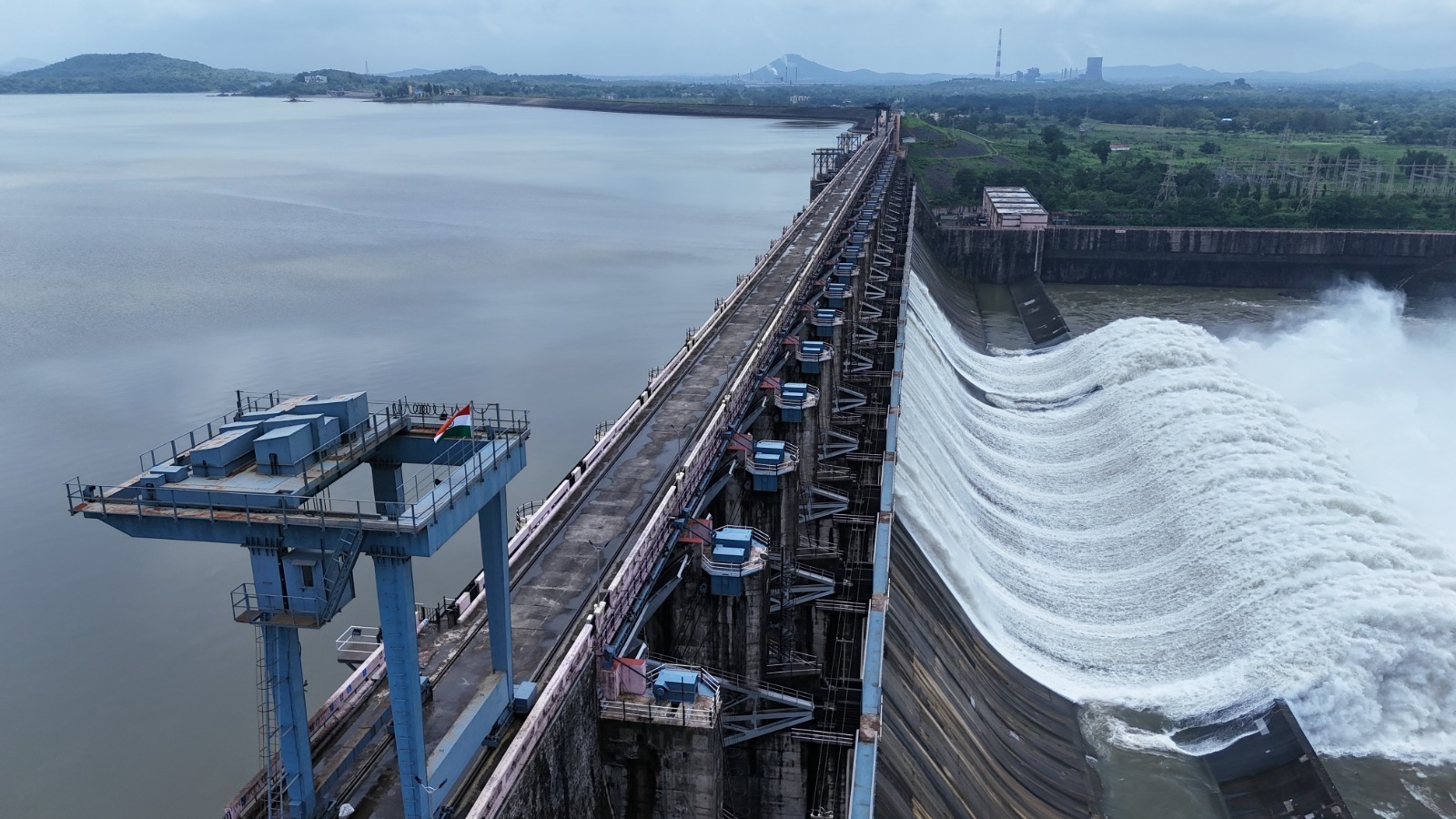
Beyond irrigation, the Ukai project is an important component of Gujarat's power and water infrastructure. Its water supports power generation at the Ukai Thermal Power Plant, Ukai Hydropower Plant and Kakrapar Atomic Power Station, with capacities of 1,110 MW, 305 MW and 1,840 MW respectively.
The project also meets drinking water requirements in parts of Bharuch, Surat, Navsari and Valsad districts. Industrial units, including those in GIDC areas, sugar factories and the J.K. Paper Mill, also receive water from the project.
The Tapi, which originates at Multai in Madhya Pradesh, flows for around 724 km before meeting the Arabian Sea. About 214 km of its course lies in Gujarat. The Ukai reservoir therefore remains central to managing the river's water for multiple uses.
The project also plays an important role in flood management, irrigation and supporting economic activity in South Gujarat, making it a critical piece of the state's water infrastructure.