"Haven't made any decision": Trump on idea of sending US troops into Iran to secure uranium
Mar 09, 2026
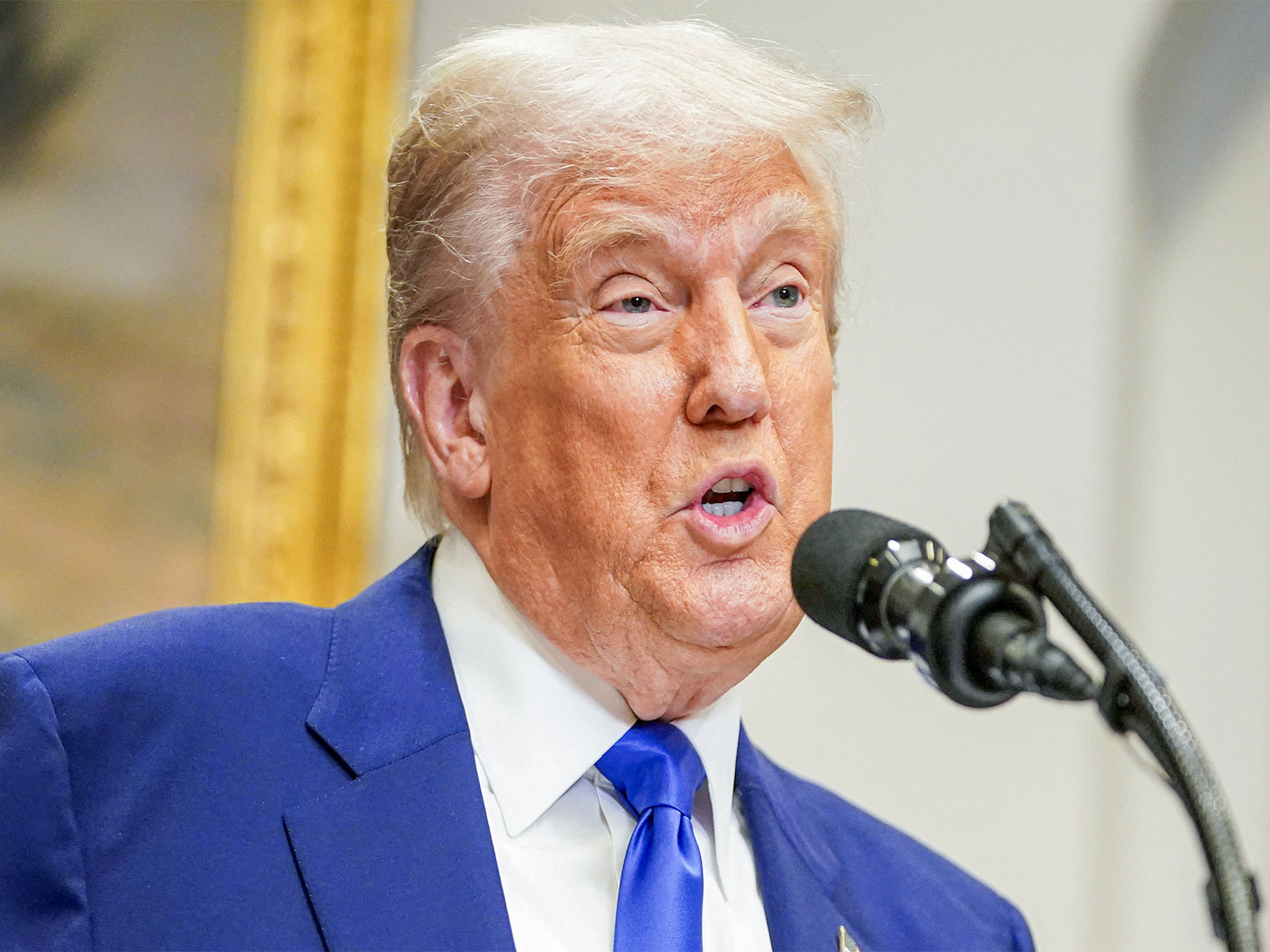
Washington DC [US], March 10 : US President Donald Trump on Monday (local time) told the New York Post in a telephonic interview that the United States is not planning to send troops into Iran to secure enriched uranium from the nuclear sites.
His remarks come after he had earlier told the media that he was mulling over the idea of sending troops to the country.
In an interview with the New York Post, Trump played down the idea of having boots on the ground to retrieve enriched uranium from Iran and said, "We haven't made any decision on that. We're nowhere near it."
When asked about Mojtaba Khamenei replacing his father and being appointed as the new supreme leader of Iran, Trump expressed displeasure.
"Not going to tell you. I'm not happy with him," he said.
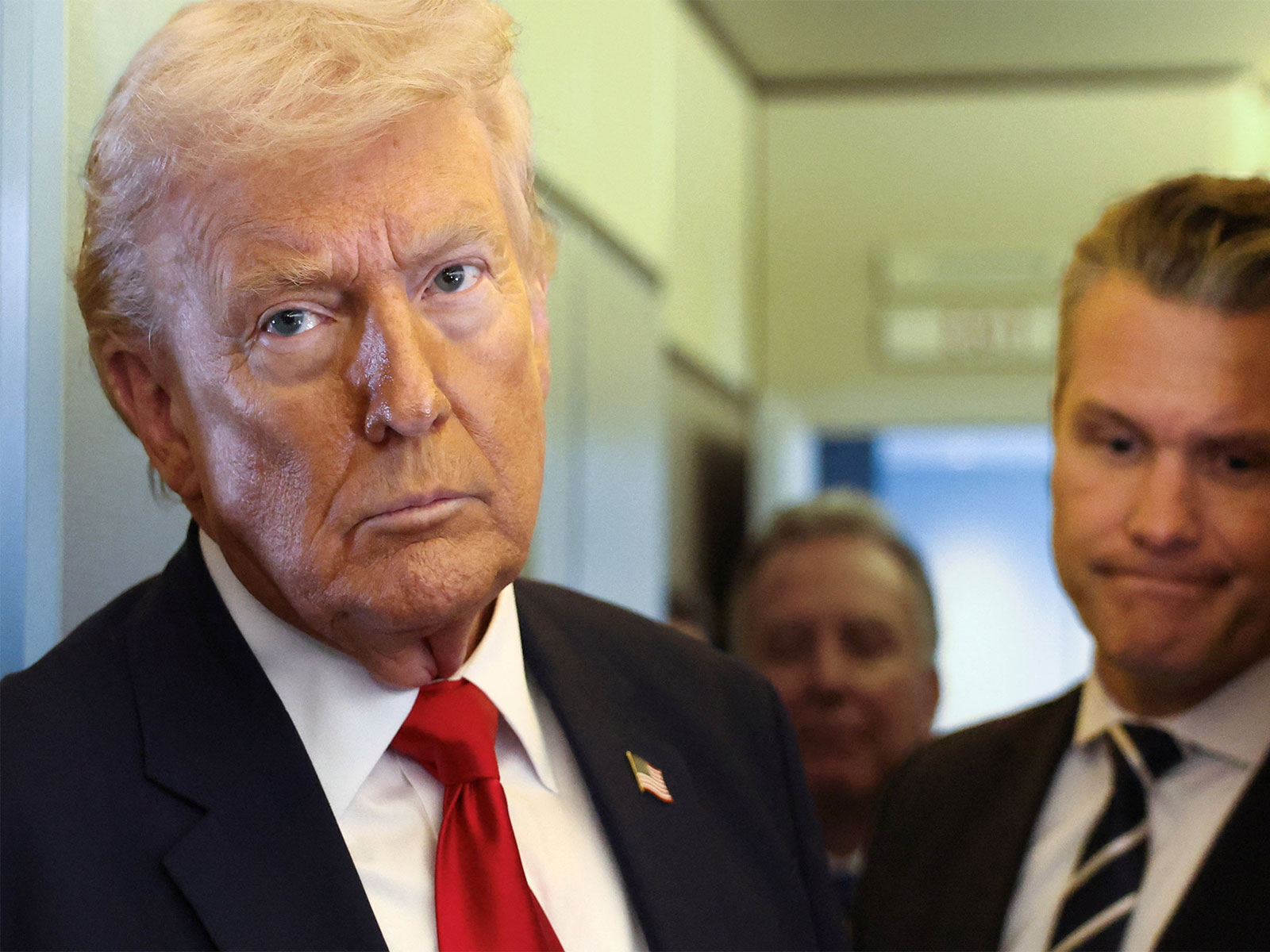
His remarks to the New York Post come after he told reporters aboard Air Force One on Saturday that he is mulling over the idea of sending troops to secure enriched uranium in Iran.
When asked by a reporter whether Trump needs ground troops to secure the enriched uranium at the nuclear sites, the US President said, "We'll find out about that. We haven't talked about it but it was a total obliteration. They haven't been able to get to it, and at some point, maybe we will."
Trump added, "You know that'd be a great thing, but right now we're just decimating them. But we haven't gone after it, but something we could do later on. We wouldn't do it now, maybe we'd do it later."
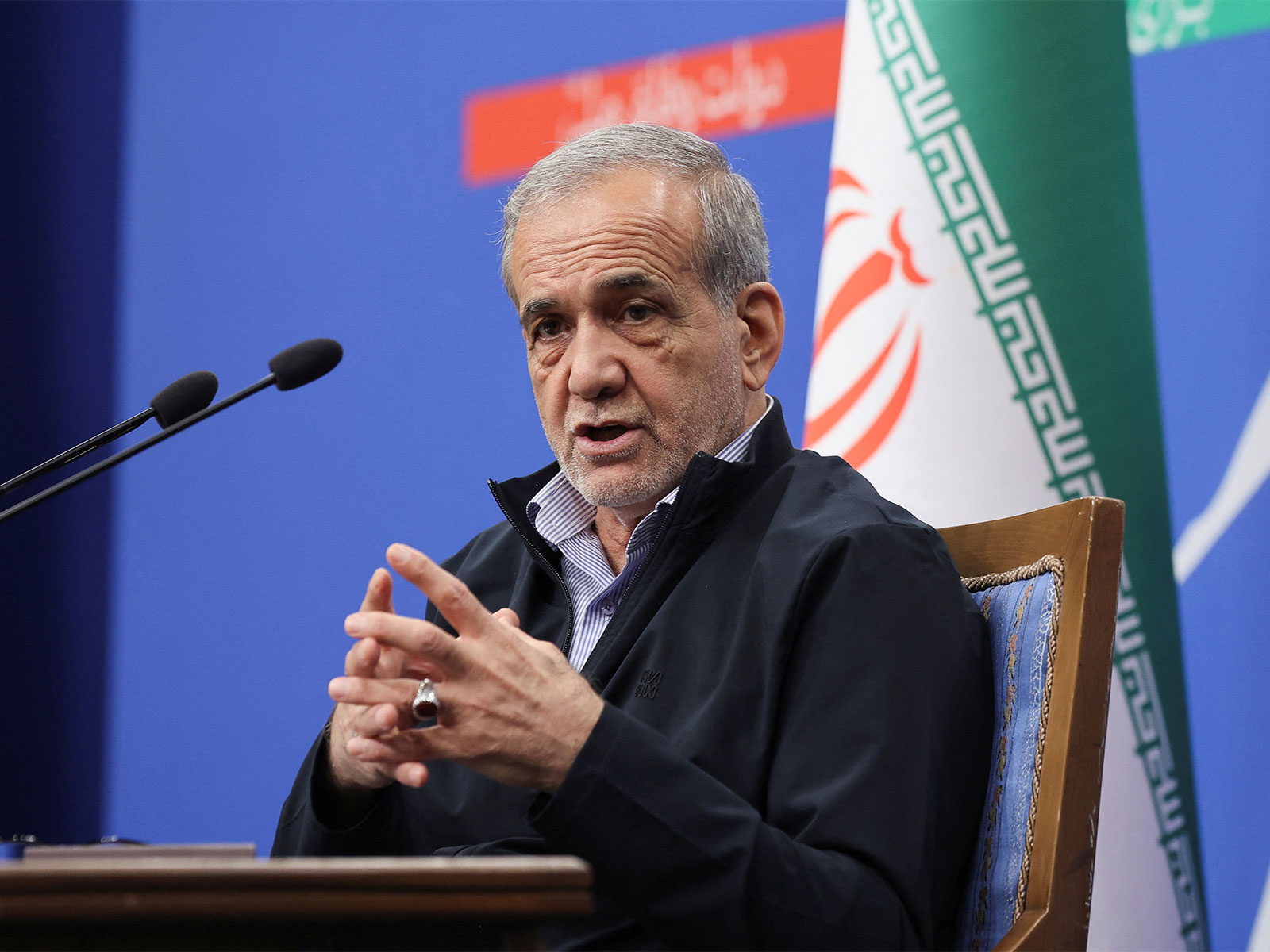
Earlier, Iran's President Masoud Pezeshkian criticised the United States and Israel over their ongoing military operations, asserting that Iran would not "bow easily" in the face of threats or aggression against the regime.
In a video shared by Reuters on Monday, Pezeshkian, speaking in Tehran, said external powers, referring to the US and Israel, were attempting to create divisions between Tehran and Arab countries but stressed that Iran seeks cooperative relations with its neighbours.
The developments follow amid heightened tensions in West Asia as military operations and retaliatory actions involving Iran, the United States and Israel continue to escalate across the region, following the killing of Iran's Supreme Leader, 86-year-old Ayatollah Ali Khamenei, in joint military strikes by the US and Israel on February 28.
The strikes also killed several senior leaders of the Islamic Republic.
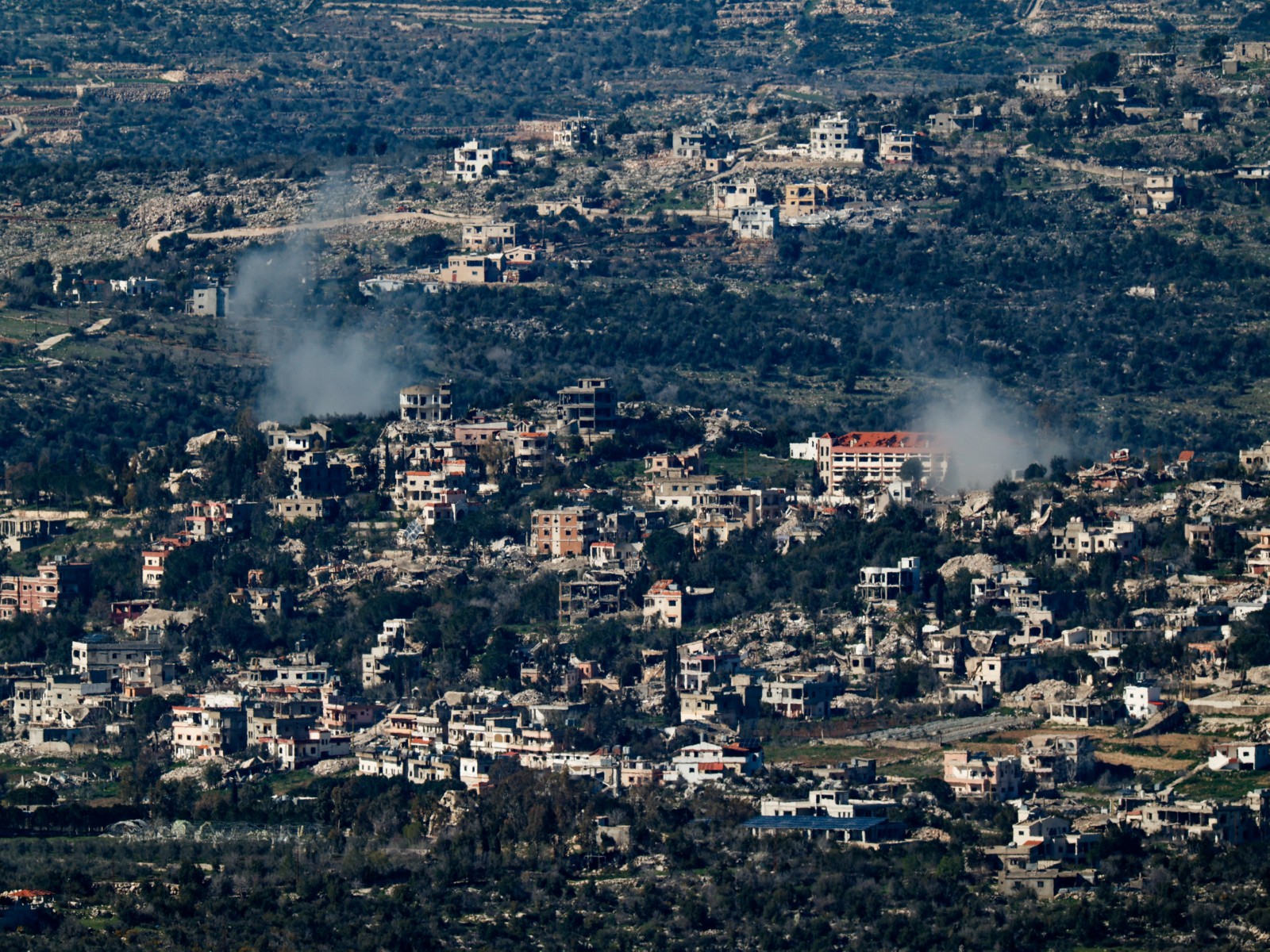
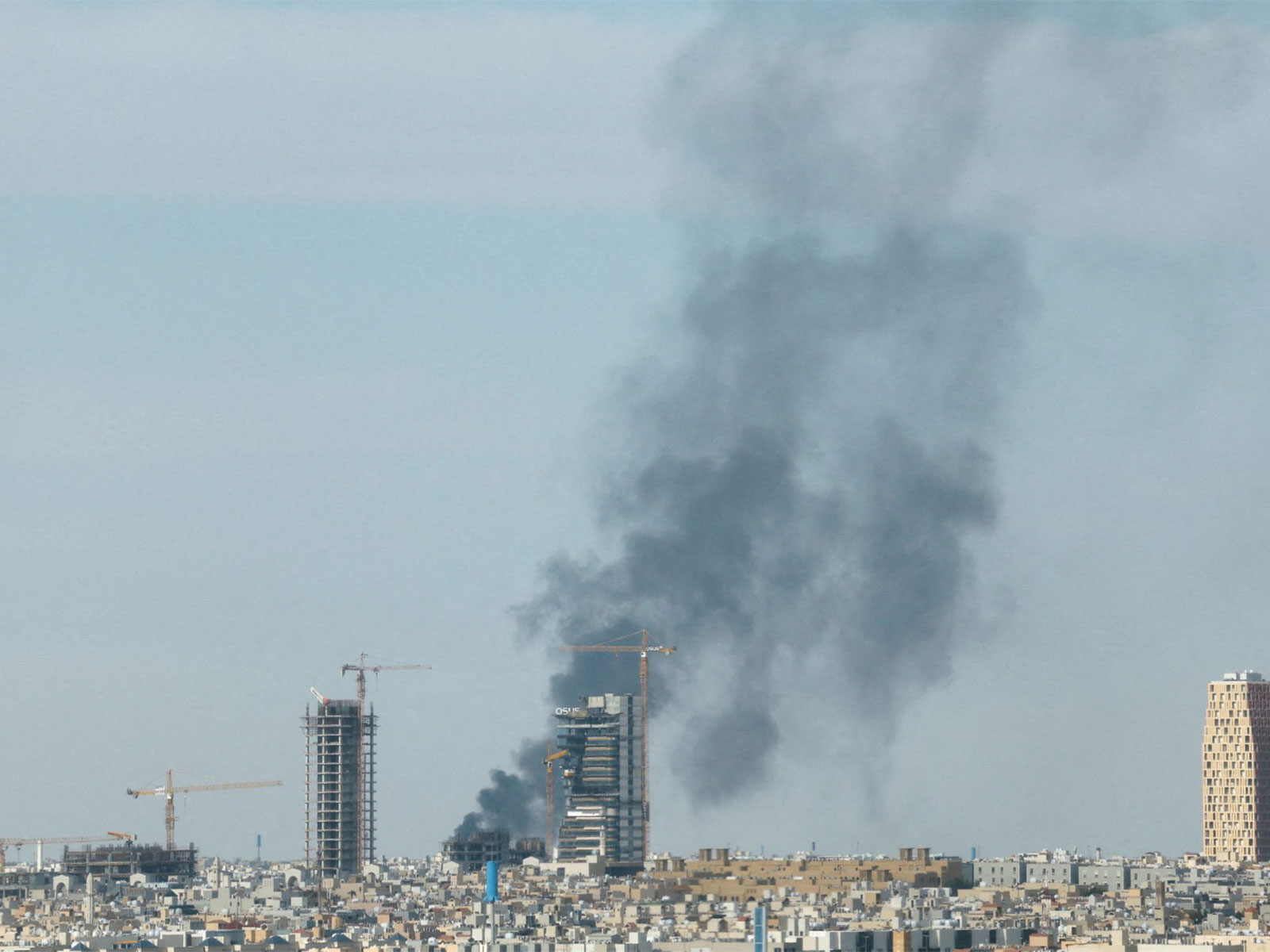
In retaliation, Tehran launched counter-strikes targeting American military bases in multiple Arab countries and Israeli assets across the region. Israel, along with the US, continued its strikes on Tehran, with Tel Aviv widening the conflict to Lebanon, targeting Hezbollah and Iranian-backed militant groups.