"Highly infectious, fatal": AIIMS Bilaspur president says no vaccine available for Nipah virus
Jan 26, 2026
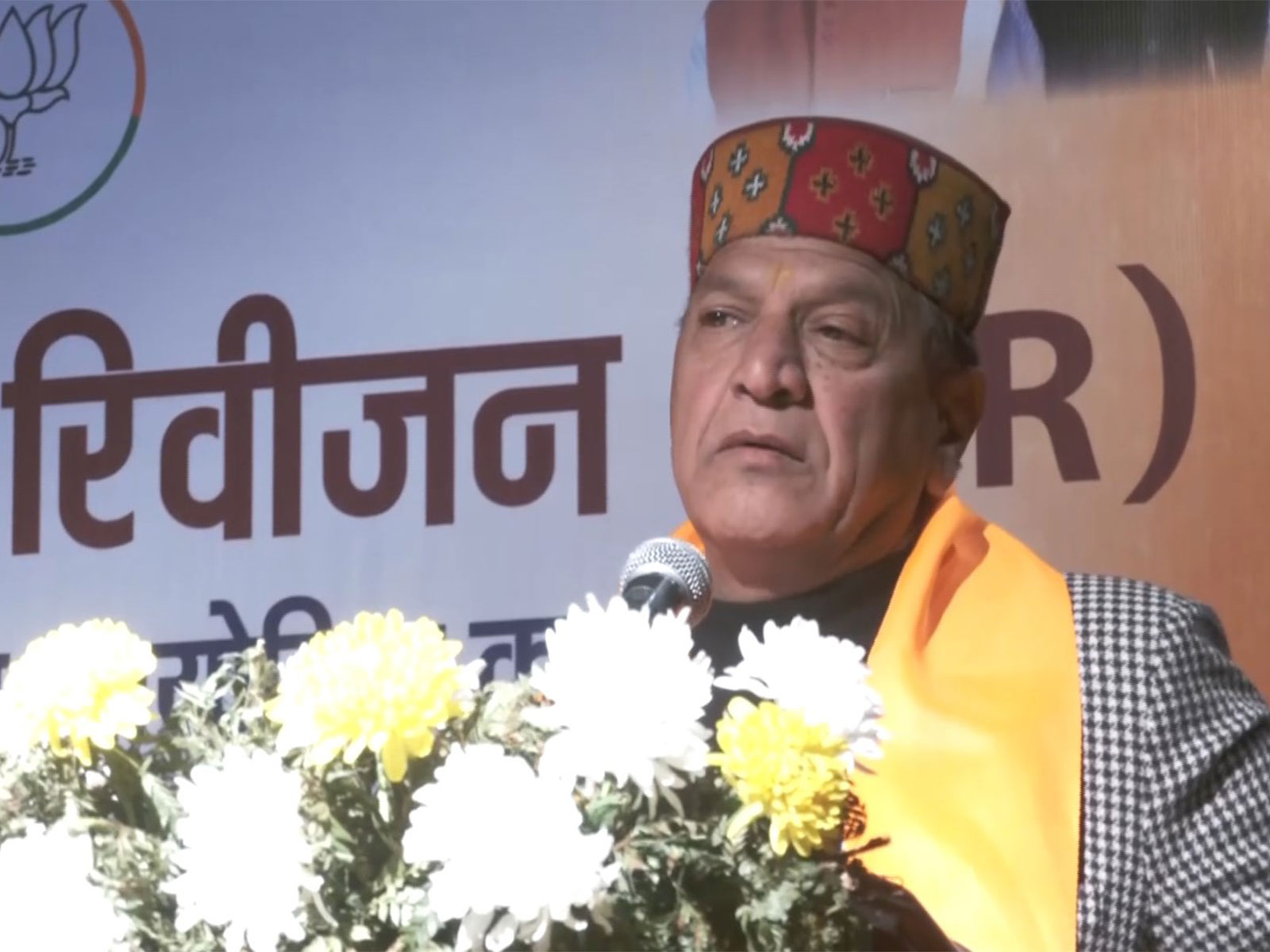
Faridabad (Haryana) [India], January 26 : AIIMS Bilaspur president Professor Dr Narendra Kumar Arora on Monday highlighted the serious public health risks posed by the Nipah virus, describing it as a highly infectious and fatal zoonotic disease.
He stressed the absence of a vaccine and the need for strict preventive measures.
Speaking on the current situation, Dr Arora told ANI, "Nipah virus is a zoonotic disease. These sporadic outbreaks have occurred in both Kerala and West Bengal. Even Bangladesh is endemic for the Nipah virus."
He added that the present outbreak in West Bengal was initially detected among health workers.
"The current outbreak was first reported among five health workers in West Bengal after a person died of an unknown disease, and later on, these five health professionals were involved. An ongoing investigation is now underway into another 100 to 200 people who have been exposed," he said.
Dr Arora warned that Nipah virus infections often lead to severe outcomes.
"Nipah virus is highly infectious and fatal. Patients either develop symptoms of encephalitis or severe respiratory disease. The mortality rate ranges between 40 and 75 per cent, which is very high," he added.
Highlighting treatment challenges, the AIIMS Bilaspur president said there is currently no vaccine available for the virus.
"There is currently no vaccine available for this virus, and Monoclonal antibodies are to be given as soon as someone is diagnosed with Nipah virus infection. There is a very limited supply of these monoclonal antibodies globally," he said.
Dr Arora added that India has taken important steps to address this shortage.
"India has taken this up as a very important initiative to ensure they are available within the country. I hope that, very soon, we will have a sufficient quantity of monoclonal antibodies in India," he added.
Urging caution in endemic regions, Dr Arora added, "But one has to be careful that in areas where these fruit bats are present, human and animal contact is kept to a minimum or avoided to prevent the disease. Both Kerala and West Bengal are endemic for this virus."