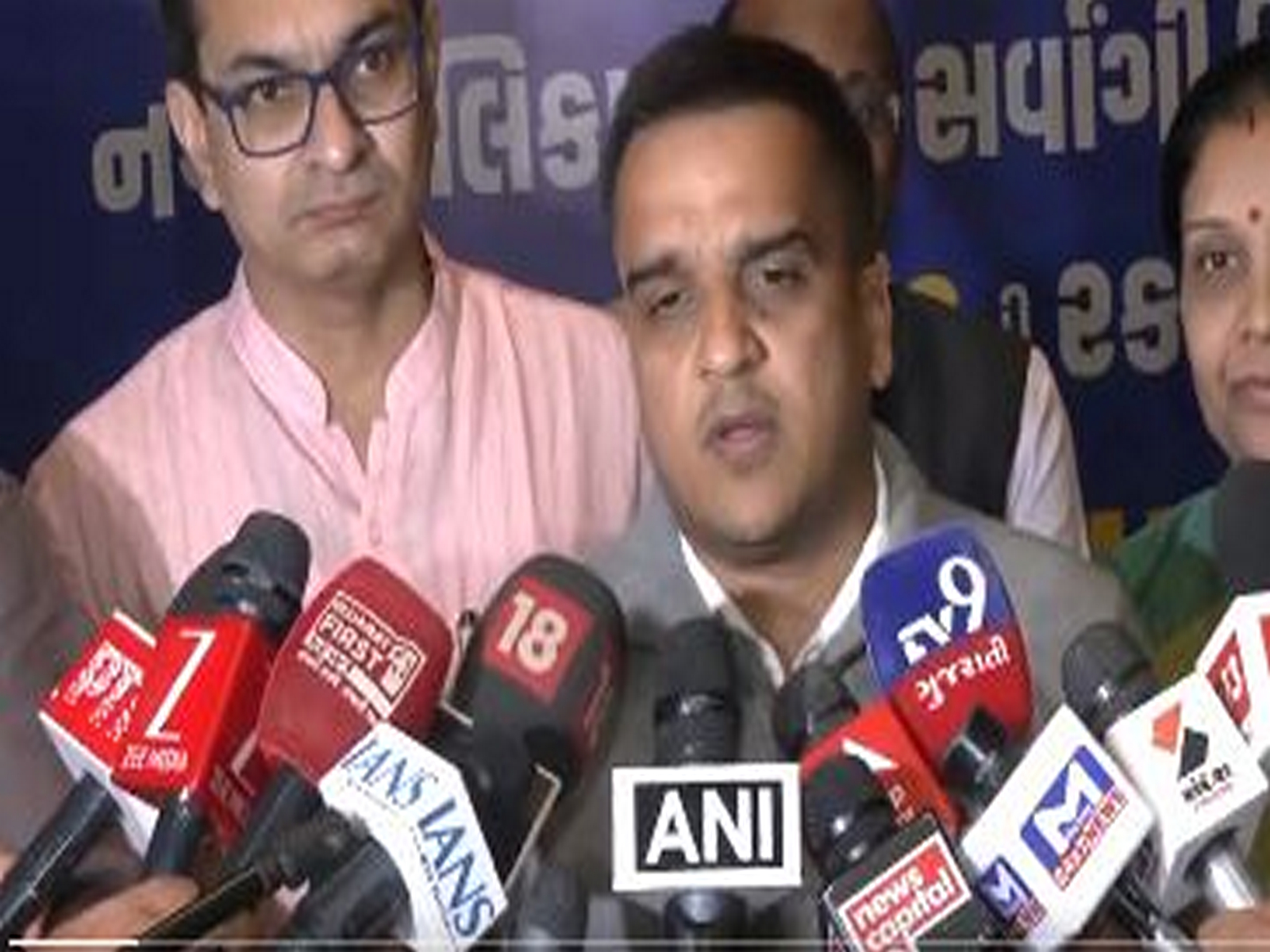
"Historic decision": Dy CM Harsh Sanghavi on Gujarat HC ruling to levy court fees on approximately 150 Waqf lands, tribunal cases
Dec 17, 2025
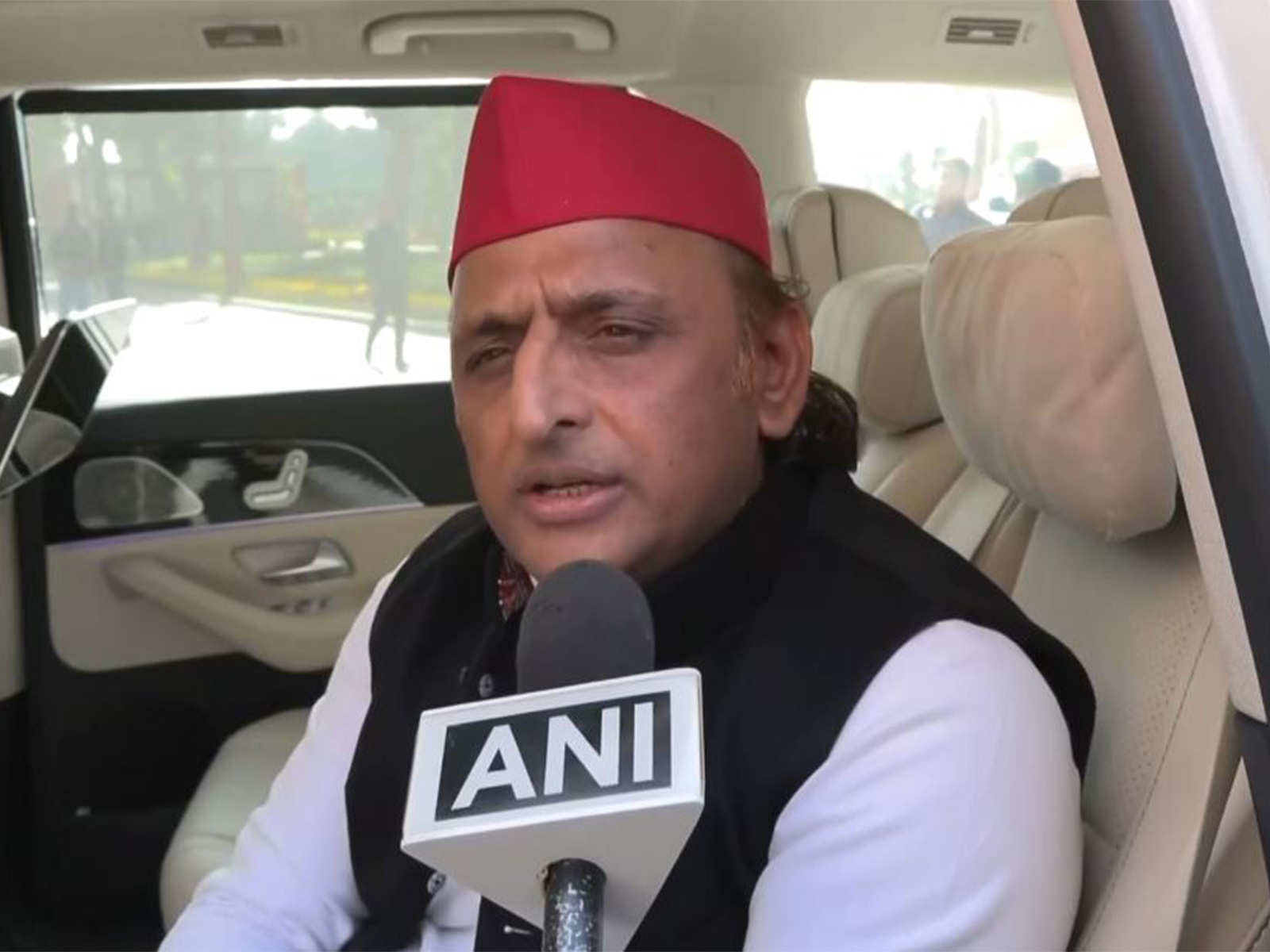
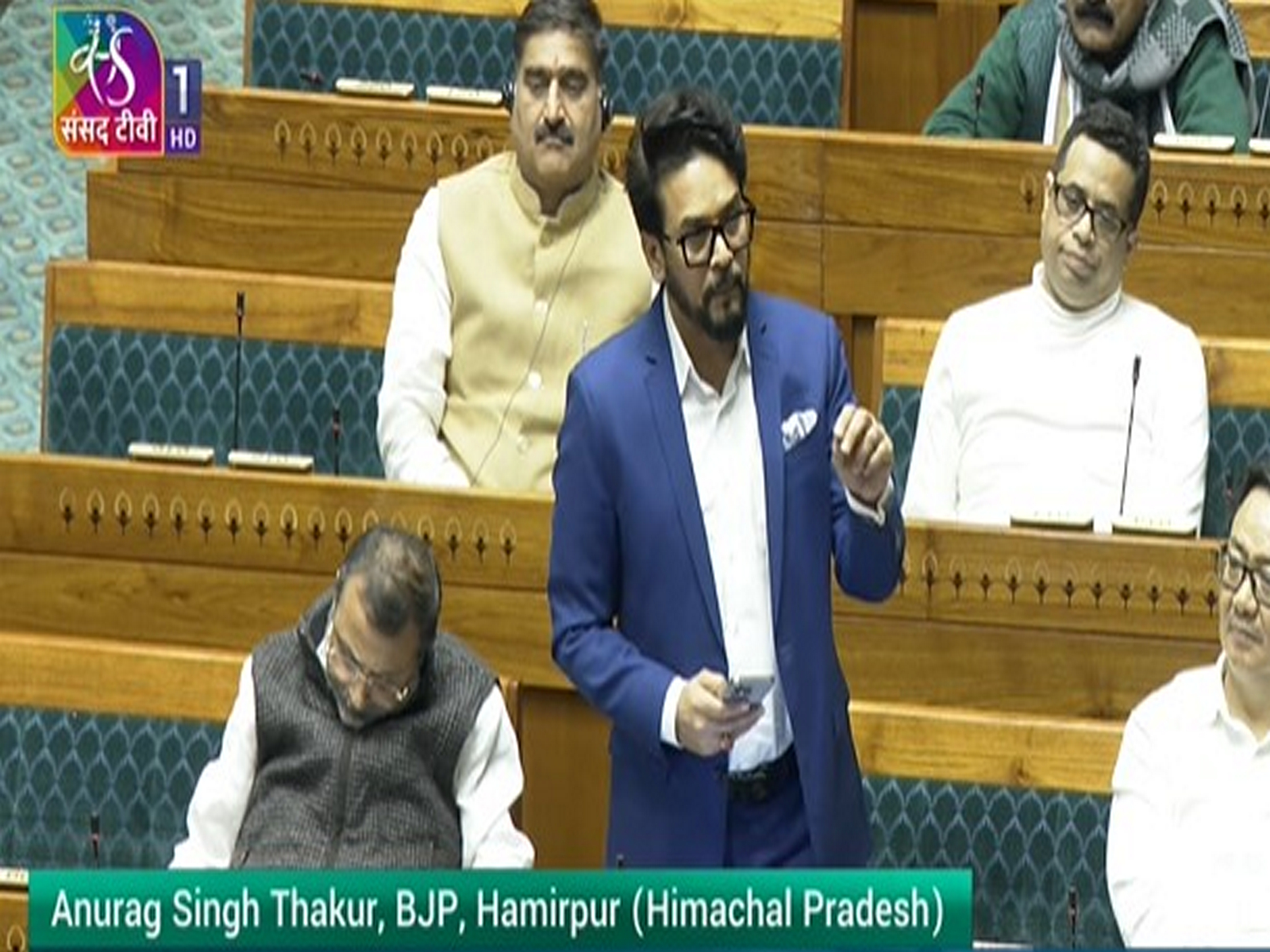
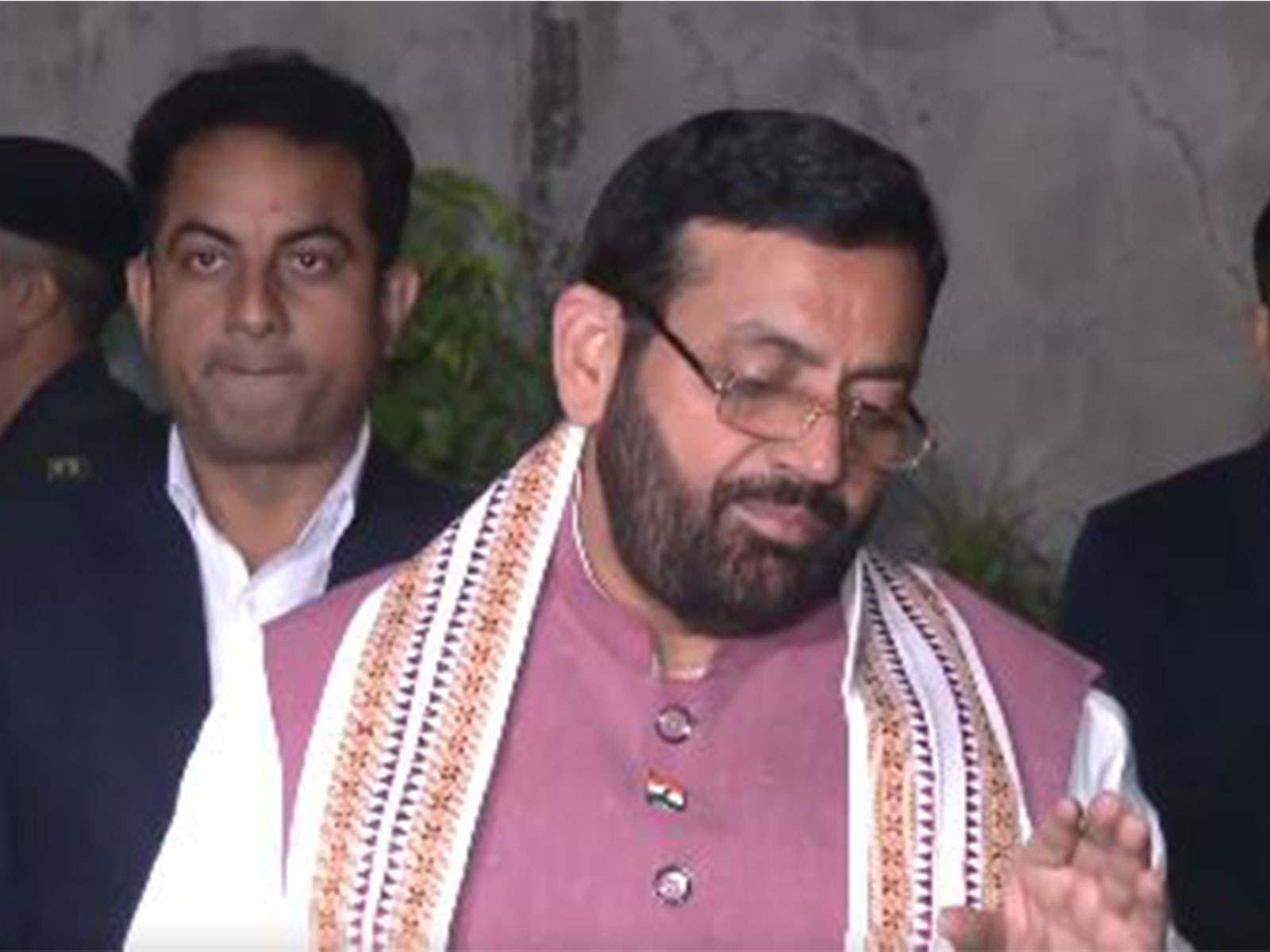
Ahmedabad (Gujarat) [India], December 18 : Gujarat Deputy Chief Minister Harsh Sanghavi on Wednesday termed the Gujarat High Court's decision to levy court fees on Waqf properties and tribunal cases as a "historic decision," alleging that earlier provisions were brought in for political gain.
Sanghavi announced that the court's ruling requires Waqf institutions to pay court fees for property disputes and tribunal cases, just like other religious institutions.
Speaking to the media in Ahmedabad, Sanghavi said that the Waqf law introduced during the Congress regime had exempted Waqf properties and tribunal cases from court fees. In contrast, similar cases involving other religious institutions were charged.
"A historic decision has been made. The Waqf law, which the Congress introduced for political gain through vote-bank politics, contained provisions that exempted Waqf properties and tribunal cases from court fees," Sanghavi said.
He further added, "In contrast, court fees were levied on property and tribunal cases involving temples, gurdwaras, and other religious institutions. Today, the Gujarat High Court has decided to levy court fees on approximately 150 Waqf lands and tribunal cases," he said.
The Deputy Chief Minister said the decision brings parity in the legal process and ensures uniform application of court fees across religious institutions.
The court held that the Waqf Act doesn't explicitly exempt Waqf institutions from paying court fees, and the Gujarat Court Fees Act, 2004 applies to all judicial proceedings, including Waqf Tribunal cases. This ruling brings Waqf institutions on par with other religious trusts, ensuring equal treatment under the law.
The decision is expected to have far-reaching implications for Waqf property management and related litigation, promoting transparency and fairness in judicial processes.
Earlier, the Tamil Nadu Waqf Board informed the Madras High Court that the stone pillar located at the summit of a hill in Madurai district belongs to the Sikandar Badusha Dargah.
This submission was made during the hearing of a batch of appeals challenging a single judge's order directing the Subramaniya Swamy Temple administration to light the Karthigai Deepam at the stone Deepathoon (lamp post) on one of the peaks of the Thiruparankundram hills, in addition to the customary locations.
Referring to a judicial order passed in a civil suit in 1920, counsel for the Waqf Board submitted before a Division Bench comprising Justices G. Jayachandran and KK Ramakrishnan that there were categorical findings that the flight of steps leading from Nellithope to the hilltop belonged to the dargah.
It was also stated that there is a finding that the hilltop and the surrounding areas, including the location where the stone pillar and a mandapam are situated, belong to Muslims. The counsel further submitted that the stone pillar can be accessed through the dargah. He added that the issue relating to the right of way can be decided only by a civil court.
Appearing on behalf of the Madurai District Collector and the Commissioner of Police, the counsel submitted that in the earlier orders passed by the High Court in 1996 and 2014, there was no reference to the Deepathoon (stone pillar for lighting lamps), and that there is no evidence to show that the pillar is a Deepathoon. He also noted that the petition submitted by the petitioner to the temple authorities made no mention of a Deepathoon.