"Historic shift": BJP MP Jagdambika Pal on Women's Reservation Bill
Apr 09, 2026
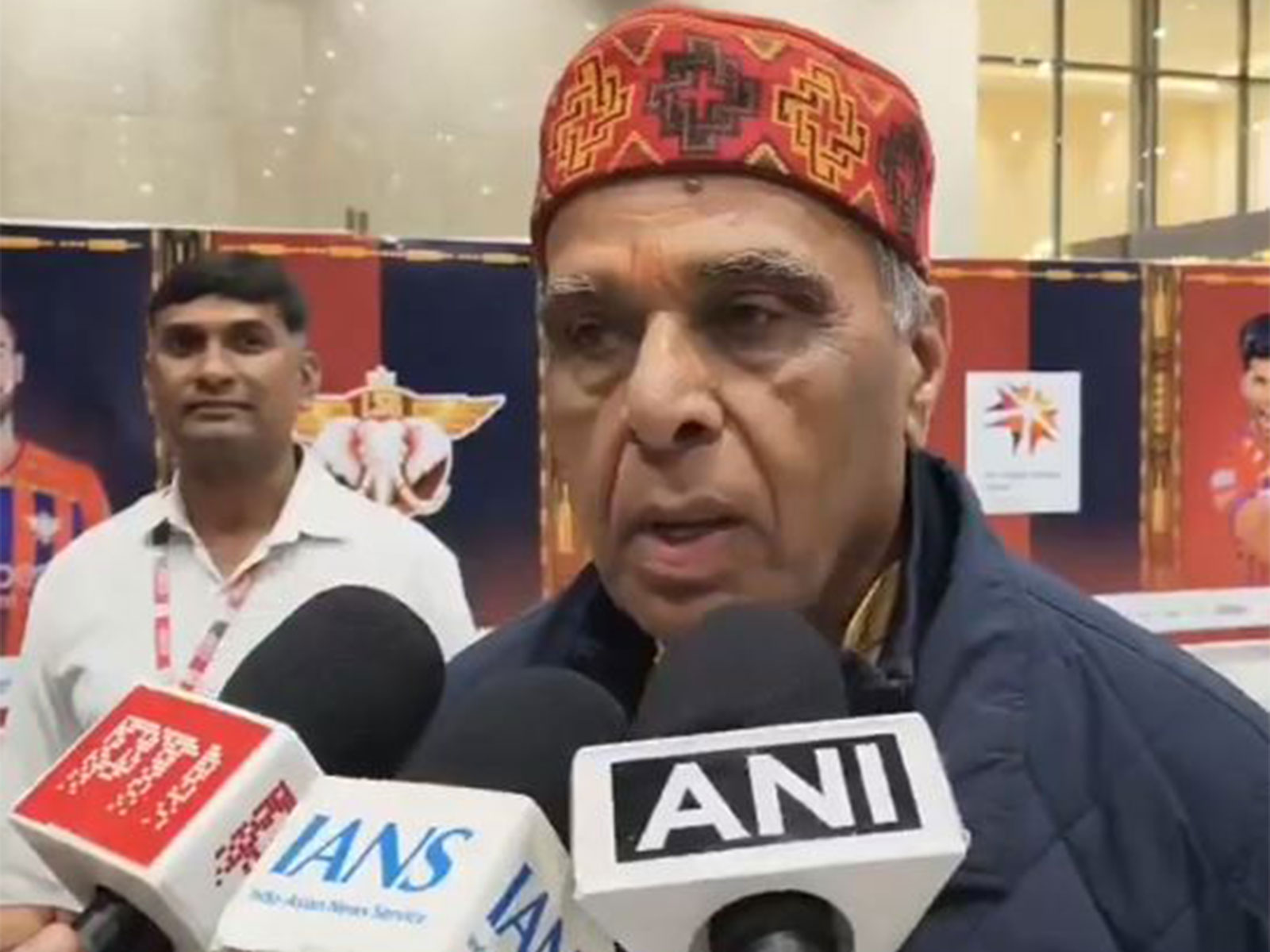
Lucknow (Uttar Pradesh) [India], April 10 : BJP MP Jagdambika Pal Singh on Thursday said the Women's Reservation Bill marks a "historic shift" towards enhancing women's participation in governance and nation-building.
He also recalled Prime Minister Narendra Modi's committment towards women empowerment.
"Undoubtedly, this marks a historic shift--a transformation that will not merely serve to empower women, but will also ensure that the 50% of the country's population comprised of women secures a 33% share in participation across all spheres... When Prime Minister Narendra Modi first assumed office, he spoke passionately about women empowerment... This bill will provide the country's female population, constituting half of its total citizenry, with the opportunity to contribute towards Prime Minister Modi's resolve to transform India into a 'Viksit Bharat'," Singh told reporters here on Thursday.
A special session has been convened to deliberate on the Women's Reservation Bill, marking a significant step towards enhancing women's representation in legislative bodies. The move underscores the government's intent to prioritise gender equality and ensure greater political participation of women in decision-making processes.
Ahead of the parliamentary move, the Bharatiya Janata Party has intensified its nationwide outreach campaign through initiatives such as "Mahila Samvad." The programme is designed to directly engage with women across urban and rural areas, spreading awareness about the provisions of the Act and gathering feedback from the ground.
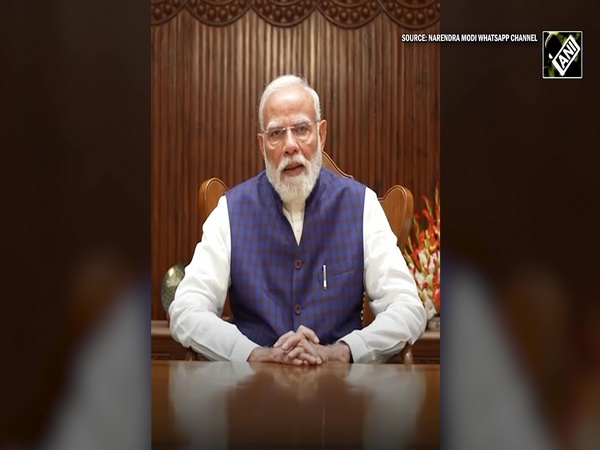
Prime Minister Narendra Modi has also written on the Women's Reservation Bill, describing it as a historic step towards strengthening women's empowerment and ensuring greater participation of women in the country's democratic framework.
In his remarks, the Prime Minister emphasised that the Bill reflects the government's commitment to "Nari Shakti" and aims to provide women with a stronger voice in policymaking. He noted that increased representation of women in legislatures would lead to more inclusive and balanced governance.