Hormuz traffic plunges sharply, daily vessel crossings drop to 10 from 135 in Feb: S&P Global Energy
Mar 18, 2026
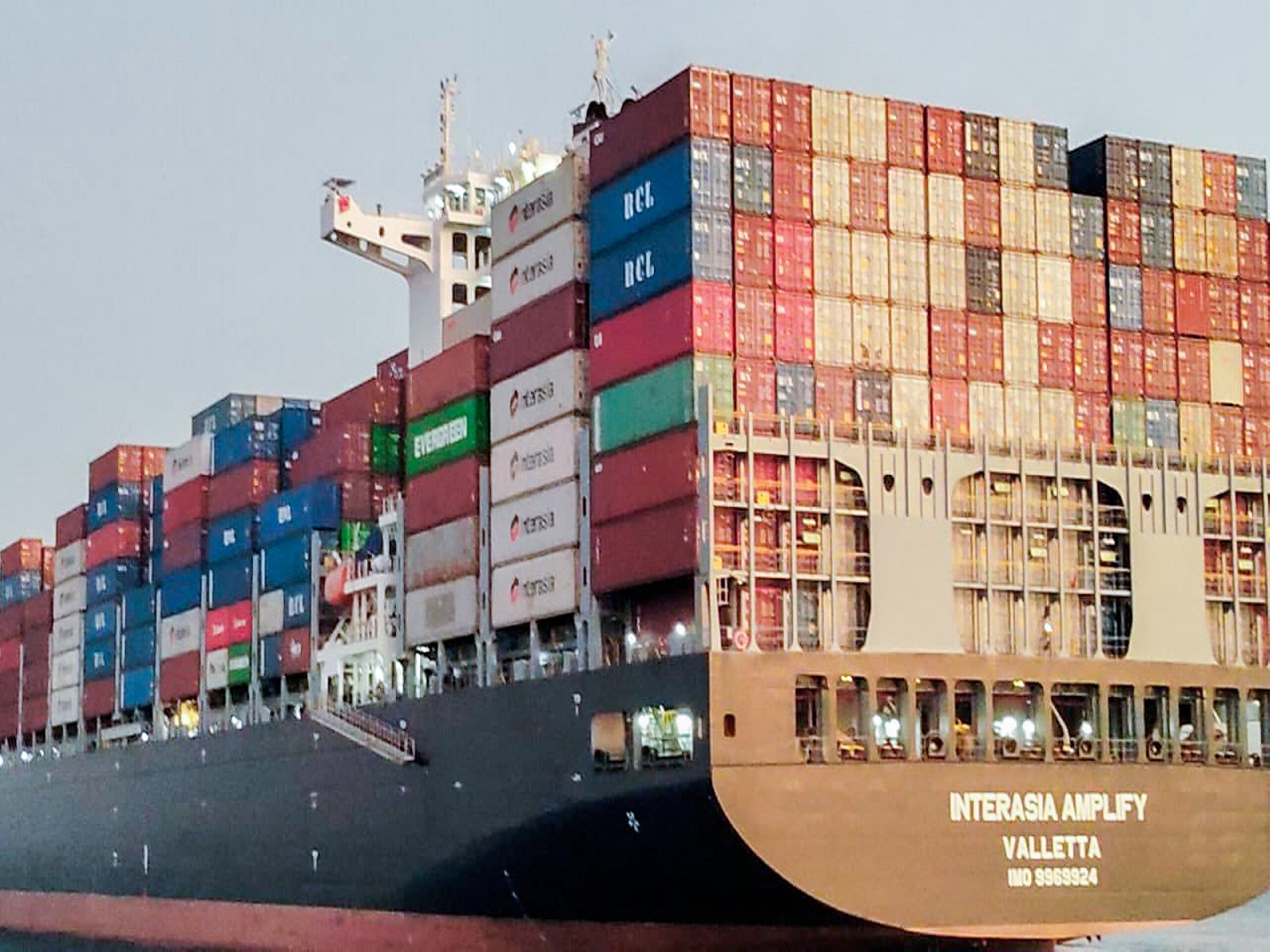
New Delhi [India], March 18 : Traffic through the critical Strait of Hormuz chokepoint has dropped sharply, with fewer than 10 vessels crossing daily since March 2, down from an average of 135 in February, S&P Global Energy said at a media webinar on Wednesday.
The strait typically carries 14.1 million barrels per day of crude and 5.4 million barrels of refined products, underscoring its importance to global energy supply.
The slowdown has led to severe congestion, with around 850 oil tankers clustered in the region. Daily tanker transits have fallen to just two to three, compared to the usual 60.
The impact is also visible in reduced loadings, with Middle East Gulf crude shipments averaging 7.4 million barrels per day in March so far, less than half of late February levels.
An estimated 125 million barrels of crude oil are currently stranded in the Gulf, awaiting clearance to pass through the Strait of Hormuz, according to S&P Global Energy, highlighting a growing disruption in global oil flows.
For India, the Strait of Hormuz is key as 90 per cent of the LPG imports pass through the critical route. Around 42 per cent of India's crude oil imports pass through the Hormuz, which is effectively disrupted due to the West Asia conflict.
S&P Global Energy said India's Russian crude buying has intensified, and because of which dependent on Hormuz dependent sources have declined, or are likely to decline.
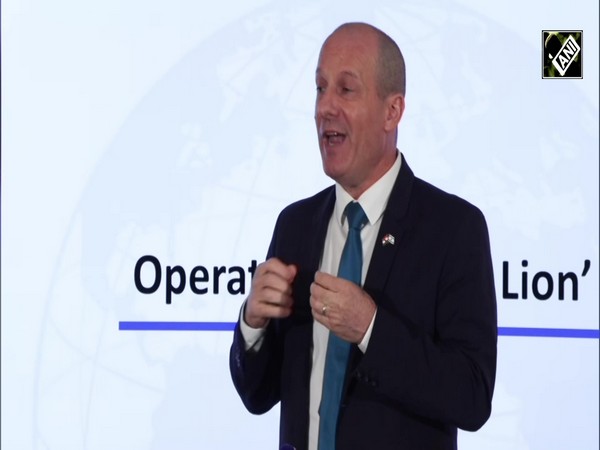
During the webinar, S&P Global Energy said that the disruption in Hormuz has been a "seismic shock" for marine transport and upstream sectors.
Even as a ceasefire is reached by the parties involved in the West Asia conflict, total normalisation would take time, possibly months, one of the speakers said during the webinar.