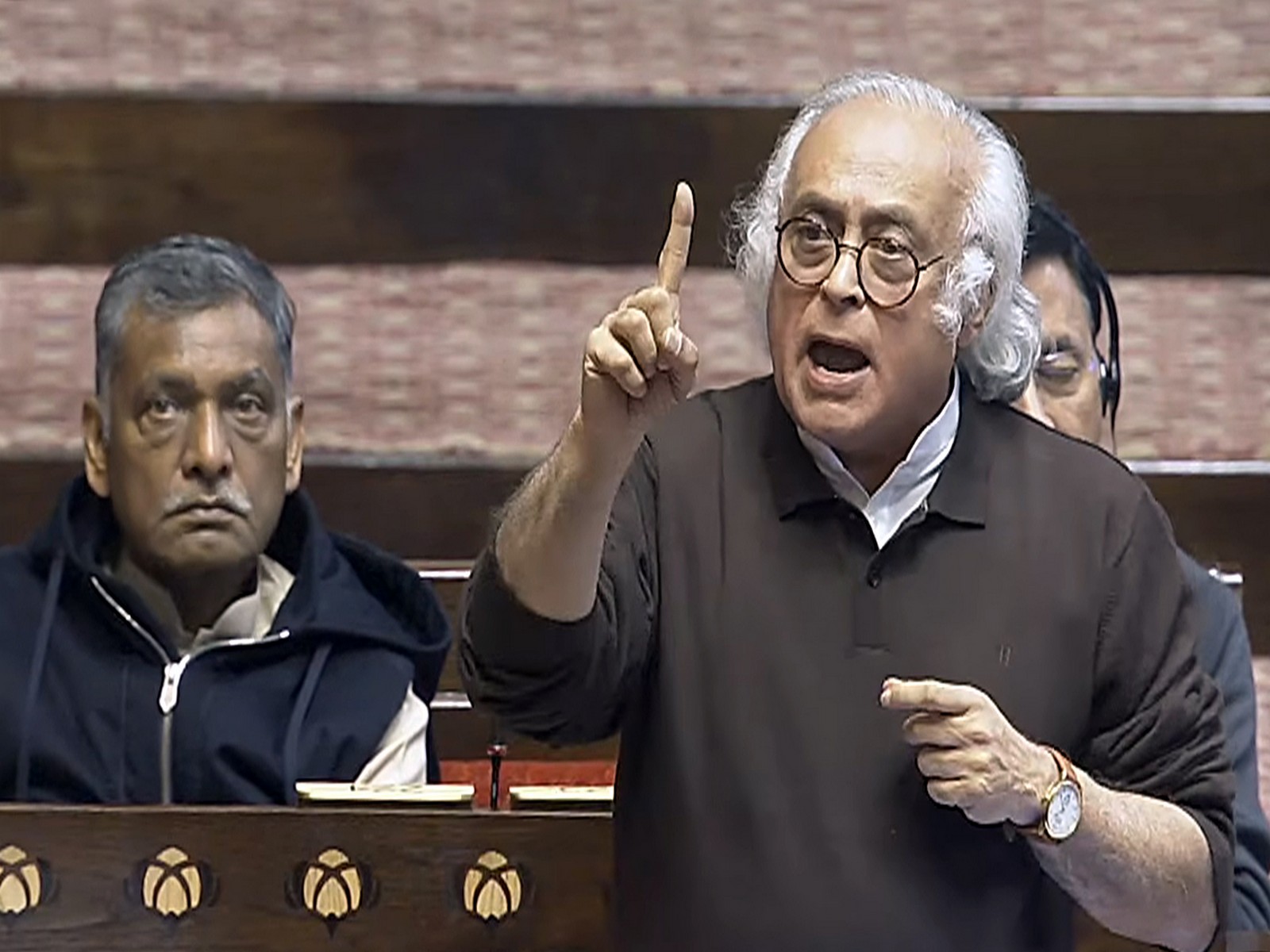
"How long will Modi govt live in denial?": Jairam Ramesh flags World Bank report on air pollution, alleging 10% GDP loss, one million annual deaths
Jan 18, 2026
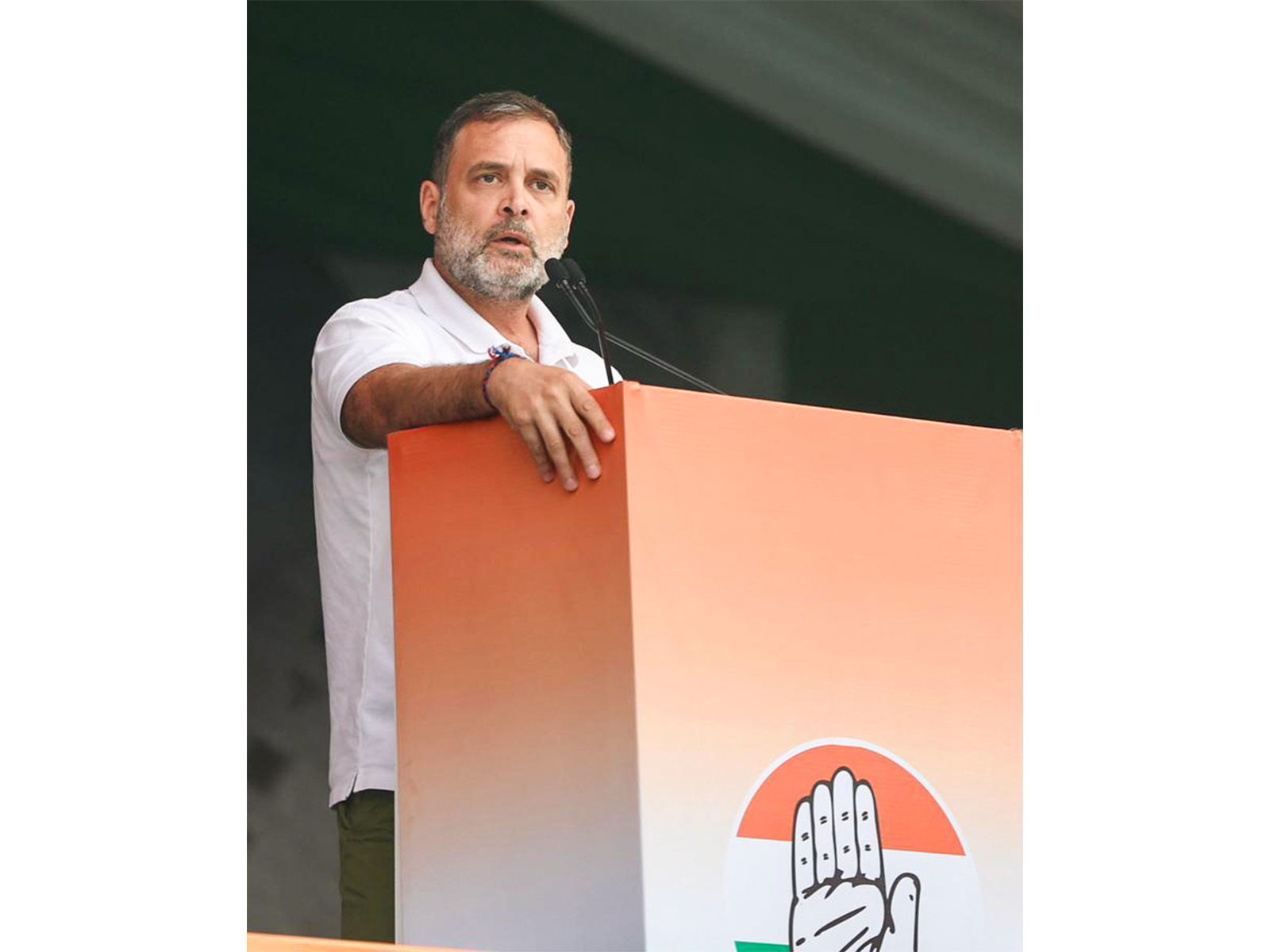
New Delhi [India], January 18 : Congress MP Jairam Ramesh on Sunday took a jibe at the Centre, citing the World Bank's report on air pollution in the Indo-Gangetic Plains and Himalayan foothills.
The report, as stated by Jairam Ramesh in a X post, claimed 1 million premature deaths annually and a 10 per cent GDP loss due to air pollution, and suggests reducing emissions at their source, strengthening health and education systems, strong institutions, and market-based incentives for multi-sectoral, multi-jurisdictional progress.
Sharing the report on social media, the Congress leader questioned the Prime Minister Narendra Modi-led government, alleging a "denial" of the problem.
Ramesh said, "The World Bank's latest report on air pollution in the Indo-Gangetic Plains and Himalayan foothills titled 'A Breath of Change' is comprehensive, evidence-based, and unambiguous. It is also, obviously, very timely. It highlights the fact that there are now around one million premature deaths annually in this region, which also suffers economic losses of about 10 per cent of regional GDP every year."
"Crucially, the report spells out what must be done that, among other things, includes - Enforcement of coal power plant emission norms and accelerated retirement of the oldest units; Shift away from city-centric plans to legally empowered airshed-based governance that cuts across states; Expansion and electrification of public transport and tightening of vehicle emission & fuel standards," he added.
Further, he said that Congress has suggested a review of the Air Pollution (Control and Prevention) Act of 1981 with a focus on PM 2.5, expansion of the National Clean Air Programme (NCAP) and an "uncompromising enforcement" of air pollution norms.
"Keeping in view the deepening AQI health crisis that has become so very real in recent years, the INC has repeatedly been suggesting a review of the Air Pollution (Control and Prevention) Act of 1981 and the National Ambient Air Quality Standards (NAAQS), 2009 with focus on PM 2.5; a vast expansion of the National Clean Air Programme (NCAP) both in terms of financial outlays and geographic coverage with measurement of PM 2.5 levels as the yardstick for performance; a tougher and uncompromising enforcement of air pollution norms and standards without any relaxations or dilutions. How long will the Modi Govt live in denial?" the X post read.
The World Bank published the report on December 15, presenting: "Information to guide decisions and accountability; Incentives to shift behaviour and investment; Institutions to coordinate across jurisdictions, set and enforce standards; and Infrastructure to enable cleaner technology transitions" as solutions towards clean air.
Delhi, along with several cities in North India have been struggling with worsened Air Quality Index (AQI) levels every winter. Today, the national capital recorded an AQI level of 440, in the 'severe' category, according to data released by the Central Pollution Control Board (CPCB).
To check the worsening AQI, the Commission for Air Quality Management (CAQM) on Saturday reinvoked Stage-IV measures under the Graded Response Action Plan (GRAP) across Delhi and the National Capital Region (NCR).
While the CAQM, earlier this month, issued closure directions to 16 industrial units across the NCR after detailed inspections revealed gross and persistent violations, Delhi Chief Minister Rekha Gupta has maintained that the state government is supporting startups and exploring innovative solutions to achieve a cleaner Delhi.