"Huge win for Trump Administration": US court ruling against 'pro-Hamas activist' Mahmoud Khalil
Jan 16, 2026
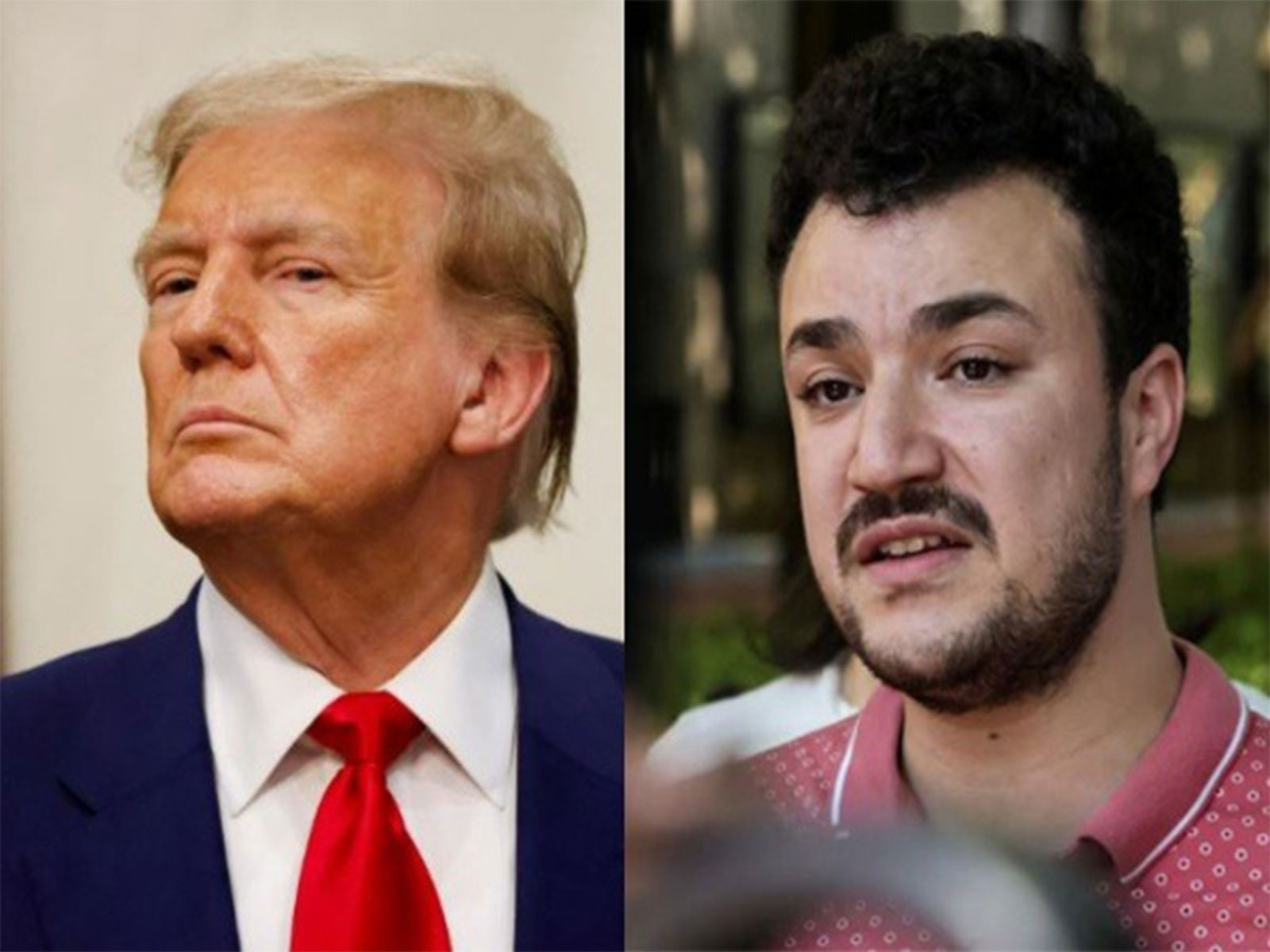
Washington DC [US], January 16 : An appeals Court in the United States has struck down the decision made by an activist judge to release pro-Hamas activist Mahmoud Khalil and called it a "huge victory" for the Trump administration.
In a post shared on X, the Department of State wrote, "The Third Circuit Court of Appeals has struck down the decision made by an activist judge to release pro-Hamas activist Mahmoud Khalil. This is a huge win for the Trump Administration. We will not allow terrorist supporters to endanger the national security of the United States".
https://x.com/StateDept/status/2011927194658807884
An appeals court panel in the United States has moved to dismiss a petition filed by Palestinian activist Mahmoud Khalil challenging his detention and deportation, in a decision that strengthens the position of President Donald Trump's administration, Al Jazeera reported.
In a 2-1 ruling delivered on Thursday, the judges held that the federal court which had ordered Khalil's release last year did not have jurisdiction over the case. The decision could open the door for Khalil's re-arrest by immigration authorities, though the order will not take effect immediately and Khalil has indicated that he plans to appeal.
"Today's ruling is deeply disappointing, but it does not break our resolve," Khalil said in a statement. "The door may have been opened for potential re-detainment down the line, but it has not closed our commitment to Palestine and to justice and accountability. I will continue to fight, through every legal avenue and with every ounce of determination, until my rights, and the rights of others like me, are fully protected."
Khalil, who missed the birth of his first child while in detention last year, was born in Syria, holds Algerian citizenship and is a lawful permanent resident of the United States. He is married to a US citizen and was pursuing a graduate degree at Columbia University in New York when immigration authorities detained him, Al Jazeera reported.
He is among dozens of foreign students targeted by the Trump administration for deportation over their criticism of Israel, a move that rights groups say violates free speech protections under the US Constitution.
Reacting to the ruling, New York City Mayor Zohran Mamdani expressed concern, saying Khalil's arrest last year amounted to political repression. "Mahmoud is free - and must remain free," Mamdani wrote on X, Al Jazeera reported.
Khalil's legal challenge had been proceeding on two tracks, a habeas corpus petition in federal court contesting the legality of his detention, and removal proceedings in the administrative immigration courts. The appeals panel agreed with the government's position that jurisdiction lay exclusively with the immigration courts under the Immigration and Nationality Act (INA), Al Jazeera reported.
"Our holdings vindicate essential principles of habeas and immigration law," the court said, adding that Congress had provided a separate legal mechanism for Khalil to raise his claims following a final order of removal.
Immigration courts function under the US Justice Department rather than the independent judiciary, raising concerns over whether Khalil can receive a fair hearing. An immigration judge has already ruled that he is deportable.
Secretary of State Marco Rubio has cited a rarely used provision of the INA, asserting authority to deport individuals deemed to pose "adverse foreign policy consequences" to the United States, to justify action against Khalil and other pro-Palestine students.
In a dissenting opinion, Judge Arianna Freeman warned that the immigration system may not adequately address Khalil's constitutional claims. "Khalil claims that the government violated his fundamental constitutional rights. He has also alleged-- andproven --irreparable injuries during his detention," Freeman wrote.
Khalil's legal team may now seek a review by the full Third Circuit Court before potentially approaching the US Supreme Court. Civil liberties groups have criticised the ruling, arguing it weakens the role of federal courts in preventing constitutional violations, Al Jazeera reported.