Human rights compliance and Pakistan's GSP+ in focus at Geneva UNHRC event
Mar 14, 2026
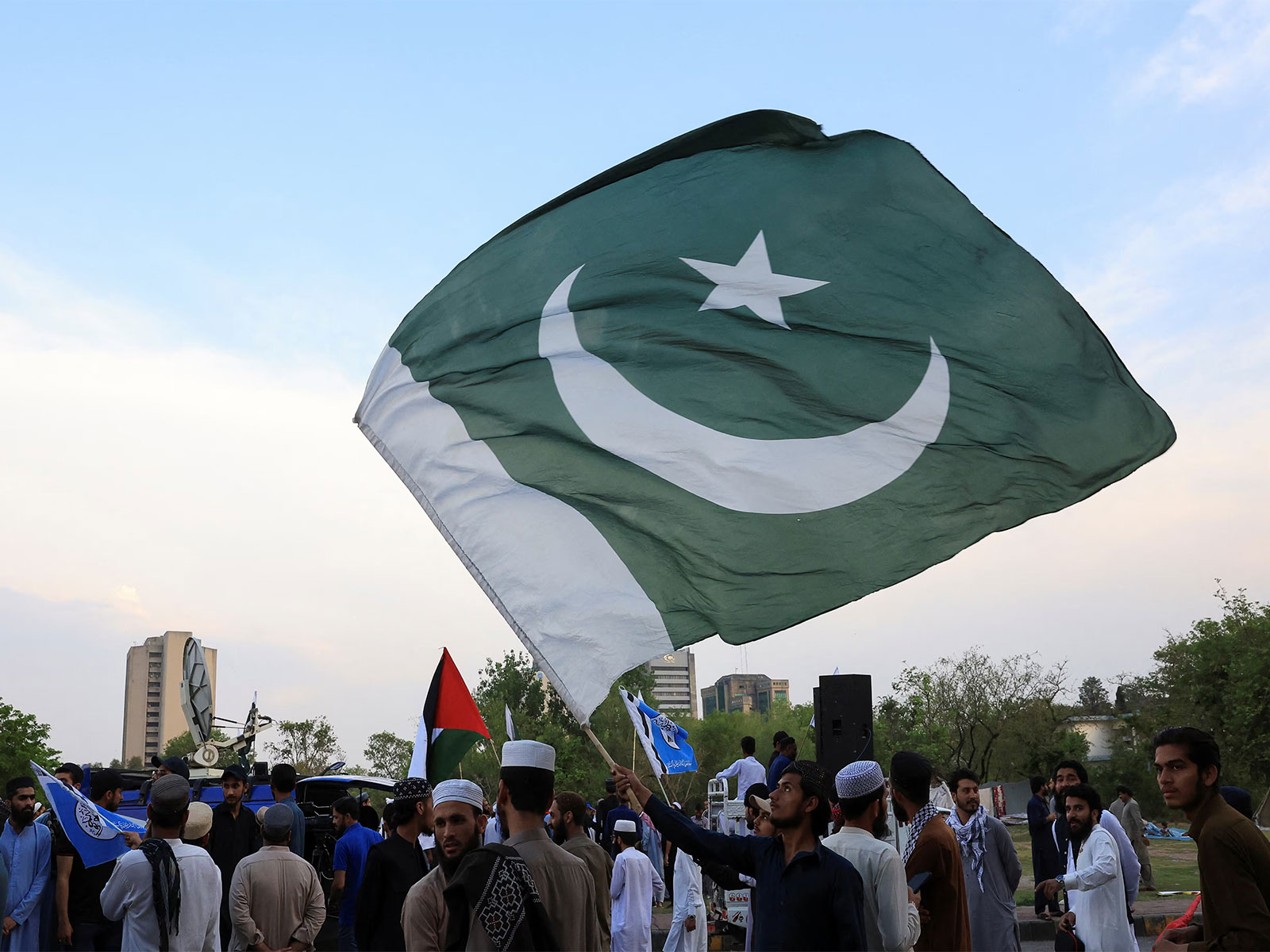
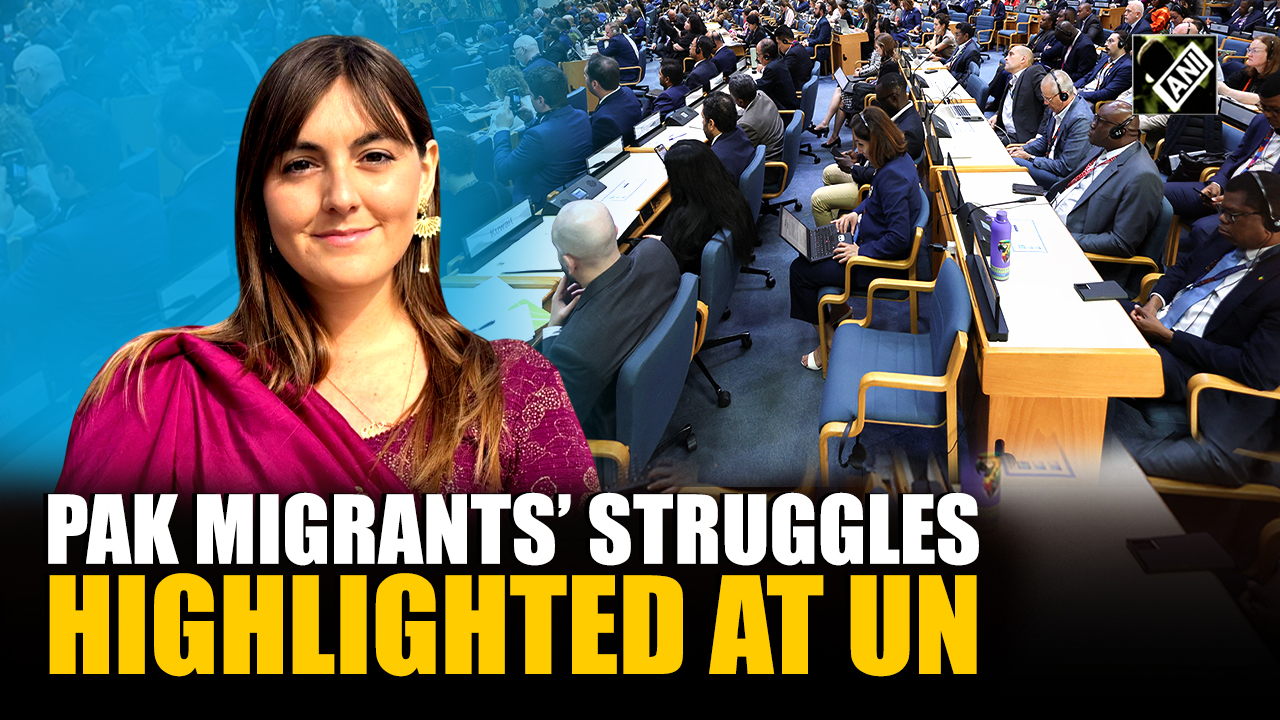
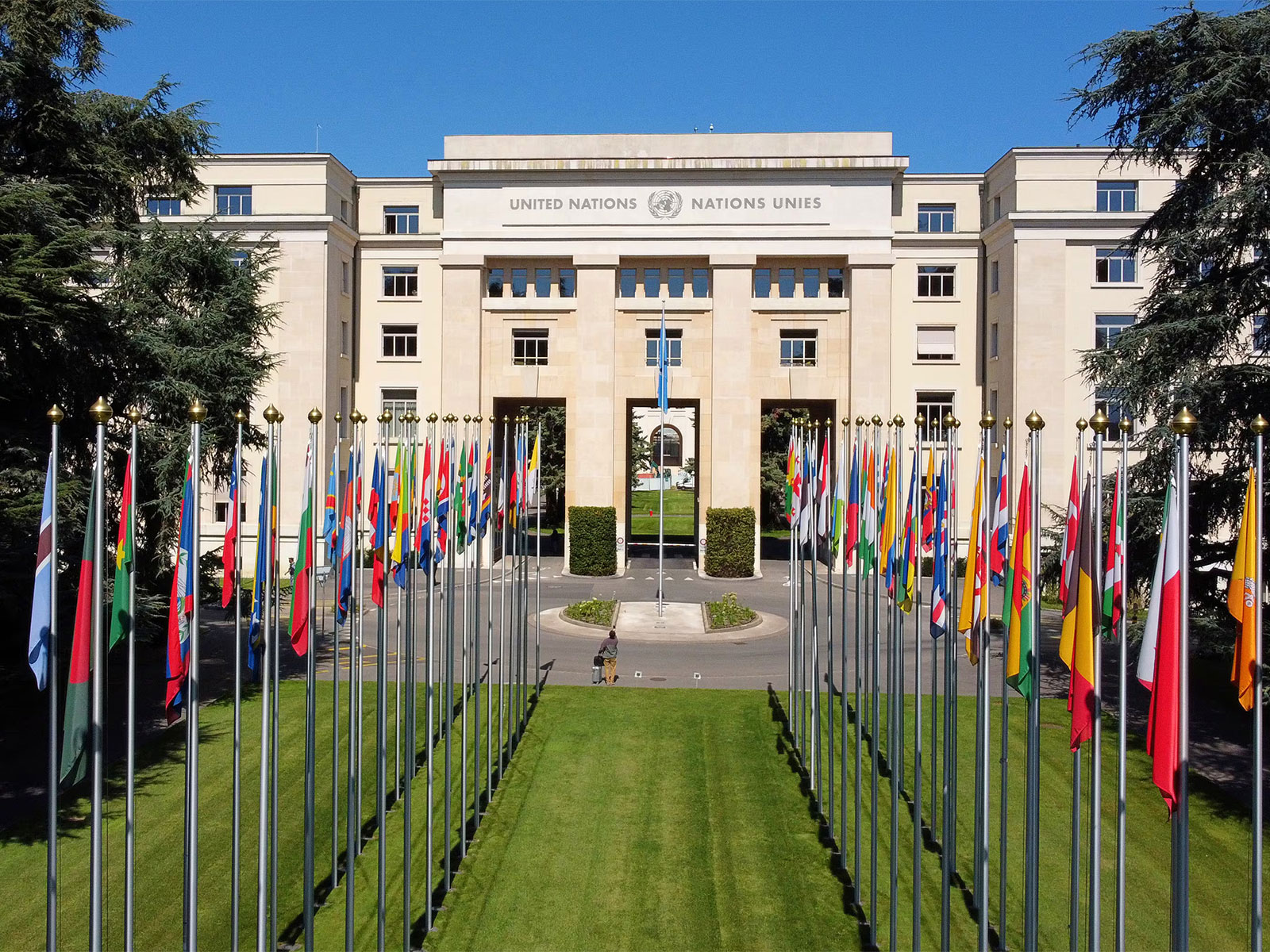
Geneva [Switzerland], March 14 : A side event during the 61st Session of the United Nations Human Rights Council will focus on Pakistan's Generalised Scheme of Preferences Plus status and the human rights obligations attached to it.
The discussion is scheduled to take place at the United Nations in Geneva on March 25.
Titled "Pakistan's GSP+ status: human rights conditionality, treaty obligations and accountability," the one-hour panel will examine the relationship between trade preferences granted by the European Union and compliance with international human rights conventions.
Under the EU's GSP+ framework, beneficiary countries receive preferential market access in return for ratifying and implementing a set of core international treaties related to human rights, labour standards, environmental protection and good governance.
The event aims to assess whether these obligations are being effectively implemented in Pakistan and whether monitoring mechanisms are ensuring accountability.
Organisers say the discussion will highlight concerns raised by critics who argue that issues such as civil and political rights, democratic freedoms, due process and the protection of vulnerable communities continue to raise questions about the credibility of the conditionality attached to Pakistan's trade preferences.
The event will also present selected cases involving individuals reportedly affected by actions of the Pakistani authorities, providing real-world examples to accompany broader legal and policy discussions about treaty compliance and international accountability.
The proposed panel features political leaders, parliamentarians and analysts, including Barbara Bonte, Naseem Baloch, Sayed Zulfikar Abbas Bukhari, Kasim Khan, Nikolaos Vrettos and geopolitical analyst Raphael Kalyviotis.
According to organisers, the discussion will explore the legal architecture of GSP+ conditionality, the international conventions underpinning the scheme and the extent to which those treaty obligations are reflected in domestic practice.
It will also consider the role of European institutions and international human rights bodies in monitoring compliance.
The panel is expected to draw diplomats, parliamentarians, representatives of international organisations, human rights advocates, researchers and journalists following developments in Pakistan, EU trade policy and global human rights governance.
The session will be moderated as a panel discussion and is planned to be filmed for later distribution. Organisers also intend to broadcast the event live, subject to final technical arrangements and venue rules.
Participants hope the event will contribute to broader discussions during the Human Rights Council session by placing the debate over Pakistan's GSP+ status within the framework of human rights conditionality and international treaty obligations.
The discussion may also help inform future advocacy, parliamentary debate and media coverage related to the EU's trade preference scheme and its implementation.